
Mindmap
Gothic - overview (Punter)

Inhalt der Mindmap
Gothic - overview (Punter)
ORIGINS
- Castle of Otranto (1764)
- Horace Walpole
- Strawberry House
- Mock Gothic house, Twickenham
- Strawberry House
- Horace Walpole
- Heyday = 1780's-90's
- Ann Radcliffe
- Mysteries of Udolpho
- Terror: psychological. Can be uplifting
- Matthew Lewis
- The Monk
- Horror: visceral, explicit. Chils the soul
- Ann Radcliffe
- End of first wave = early 19th century
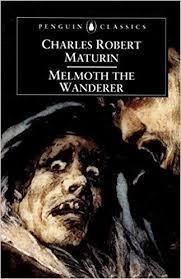
- Melmoth the Wanderer
- Castle of Otranto (1764)
DEVELOPMENT
- Gothic afterlife through 19th century
- Flowering at end of 19th century
- Dracula
- Jekyll and Hyde
- Picture of Dorian Gray
- Age of decadence
- Continues to present day (books/films/TV)
- Stephen King
- American Gothic
LABYRINTHS
- Can't find way out
- No real maps
- Imprisonment
- Example: Harker in 'Dracula' Feudal space unfamiliar with
- Protagonist in title story, TBC
- Memory of the past still exerts its power
- Claustrophbia
- Falling through trapdoor to depths
- Fear of being buried alive: Poe
- "The Premature Burial"
- What do they mean?
- Persistence of the past
- Fear of being locked up inside ourselves. Doomed to explore that space
- Need to go into the 'basement' What will we find?
SUBLIME
- Late 18th century
- Edmund Burke, 'Of the sublime and beautful'
- Experience of gazing at mountainscape
- Viewer feels puny compared to nature
- Actions happen in wild places
- Frankenstein ends in frozen wastes
FRANKENSTEIN
- Why do we need frame narrative in 'Frankenstein'?
- Because of the sublime - finishes in frozen wastes puts Frankenstein against huge landscape
- Deals with transgression between human and divine
- Deals with transgression - stepping over boundaries
- between human and divine.
- between men and women
- between different social classes
- doesn't respect clear boundaries
- breaking taboos
- Why do we need frame narrative in 'Frankenstein'?
PROTOTYPE FOR GOTHIC HERO
- Starts with 'The Monk'
- Ambrosia does wicked deeds
- Reader feels sympathy because driven on by Matilda as well as condemning him
- Forbidden knowledge
- Begins with Adam and Eve
- Osbcure/hidden knowledge = occult
- Rosicrucians and Illuminati
- That which is taboo belongs to the Gods - Promoetheus steals from gods
- As with Prometheus - Frankenstein takes what belongs to God - ultimate taboo to bring back from dead
- Forbidden knowledge now = science and technology
- Starts with 'The Monk'
VAMPIRISM
- Vampires and ghosts - Blurs boundary between death and life
- Death is curse or blessing
- Cursed wandering figure there from beginning of Gothic e.g. Ancient Mariner
- Origins for vampire = John Polidori
- Physician to Lord Byron based character on him
- 'mad, bad and dangerous to know'
- Creates prototype of Byronic hero
- Dracula = Last member of noble race
- Great Defender of faith
- Frankenstein - scientific curiosity admirable
- Similar with 'Wuthering Heights' and Heathcliff - reader's feelings mixed - refuses to succumb to normal boundaries
- Dracula = Last member of noble race
- Creates prototype of Byronic hero
- 'mad, bad and dangerous to know'
- After Polidori - Sheridan Le Fanu 'Carmilla'
- Myths and legends from the past e.g. Vlad the Impaler
- Physician to Lord Byron based character on him
- Reason for appearance?
- Fear of being out of control
- Conjured by desire
- Women vulnerable on eve of wedding - before settling down and respectability
MOTIFS = REVENGE & INHERITANCE
- Inheritance
- Troubled inheritance seen in Castle of Otranto
- sins of the fathers revisited upon the child
- Revenge
- Can you get revenge without succumbing to the sins of the person you want revenge upon?
- How to get revenge without repeating history see revolutions e.g. French Revolution
- Can you get revenge without succumbing to the sins of the person you want revenge upon?
- Joining these themes
- Relation between social classes. Castles = sites of privilege
- Late C18th - early C19th m/c coming into power but aristocracy not willing to lay down
- Explains figures like Dracula last of aristocratic line
- Inheritance
RETURN OF THE REPRESSED
- Desires don't go away - sink down and then reconfigured
- During moments of pressure
- Or present in dreams
- Freudian idea
- Desires don't go away - sink down and then reconfigured
PLACE OF WOMEN
- In early Gothic same pattern women =
- innocent
- Persecuted on the run
- Very little power until rescued.
- Later Gothic women gain more agency e.g. Marian Halcombe in 'Women in White' = not attractive but intelligent and resourceful
- By 1970's and 'The Bloody Chamber' women have agency
- In early Gothic same pattern women =
Bilder und Dateien der Mindmap




Informationen
- Beschreibung
- A-level Gothic Mindmap am Gothic - overview (Punter), erstellt von Adrian Gray am 12/02/2021.
- Erstellt von
- Adrian Gray
- Aufrufe
- 97
- Bewertung