
15050482
Beschreibung

Mindmap von Stacey Stearns, aktualisiert more than 1 year ago

|
Erstellt von Stacey Stearns
vor mehr als 7 Jahre
|
|
Authentic Assessments
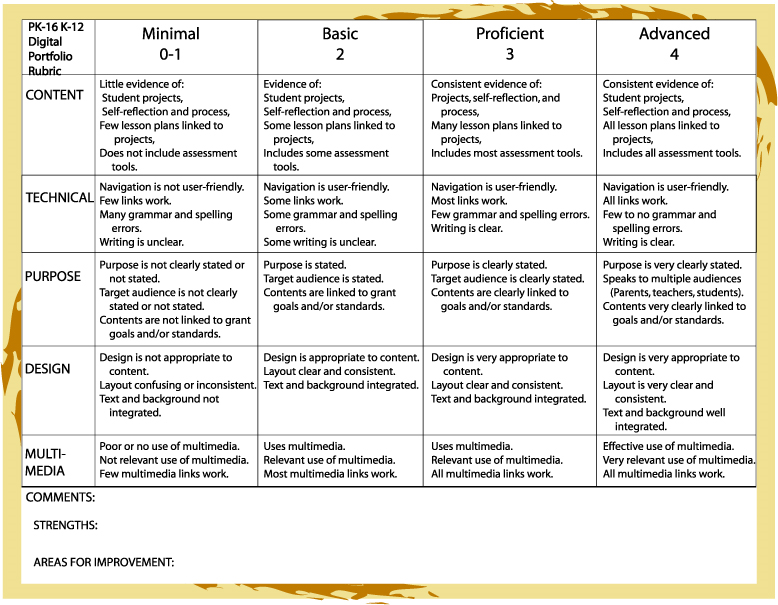
- Portfolio Assessments
- Direct
Evidence
- Samples of
student
work
- Samples of
student
work
- Representation
of student's
understanding
- Language and Academic
assessment form
- Must be comprehensive,
predetermined and systematic,
informative, tailored, and authentic
- Direct
Evidence
- Performance-based Assessments
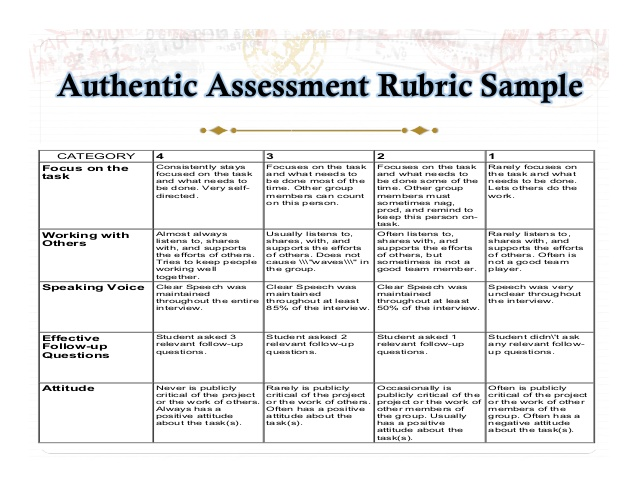
- Rubrics
- oral
scoring
rubrics
- oral
scoring
rubrics
- established
criteria
- everyday
tasks
- oral
reports,
presentations,
demonstrations,
written
assignments,
and
portfolios
- oral
reports,
presentations,
demonstrations,
written
assignments,
and
portfolios
- oral
communications
focused for EB
students can fall
into this category
- Rubrics
- can be mixed with
traditional
assessment and
done well
- Performing a task, real-life,
construction application,
student-structured, and direct
evidence all make up authentic
assessment.
- standards,
authentic tasks,
criteria, rubric, and
cut score or adjust
instruction
- High Stakes Testing
- Adequate yearly progress
- Focused on
EB students
- puts EB
students in
subgroup even
after they have
showed
progress
- Focused on
EB students
- accomodations
- only if language
level is insufficient
enough not to take
the test or if
students have
other educational
needs
- only if language
level is insufficient
enough not to take
the test or if
students have
other educational
needs
- culturally Responsive Tests
- culture free testing does not exist
- comprehensible to the
learner
- should not
contain biases
- culture free testing does not exist
- Adequate yearly progress
- Initial Assessment of Language,
Literacy, and Content Learning
- Home language surveys
- language proficiency testing
- tests academic skills
- test instrument theoretical basis,
cultural and linguistic suitability,
practical considerations, and
diagnostics and placement
information
- tests academic skills
- informal assessments
- Home language surveys
- Ongoing Assessment of Language, Literacy,
and Content Learning
- Reveals
strengths
and growth
increments
not
detected by
high stakes
assessments
- Reveals
strengths
and growth
increments
not
detected by
high stakes
assessments
Medienanhänge
Möchten Sie kostenlos Ihre eigenen Mindmaps mit GoConqr erstellen? Mehr erfahren.