
Mindmap
1) Normality and Abnormality
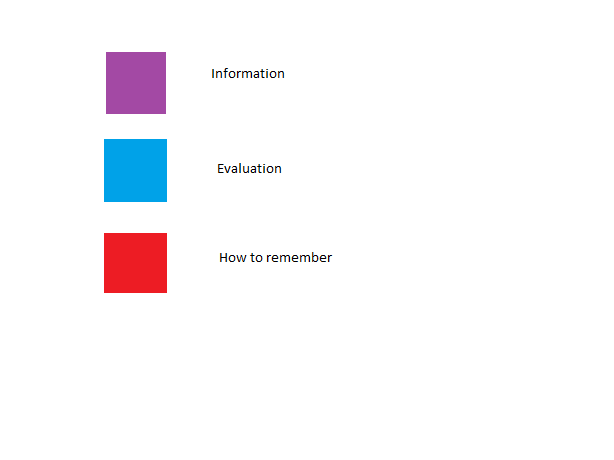
Inhalt der Mindmap
1) Normality and Abnormality
Definitions:
- 1) statistical infrequency
- 2) deviation from ideal mental health
- 3) deviation from social norms
- 4) failure to function adequately
Difficult to define and diagnose: because diagnosis is largely based on self report or exhibition
1) Statistical infrequency
- Deviance related to the statistical average, this implies that statistically common behaviour is normal and deviant from normal is abnormal
- Disadvantages of using stats in this way to discuss abnormalities
- They don't say whether the abnormality is positive or negative e.g. higher IQ would be called an abnormality the same as a low IQ but a higher IQ is positive but lower is negative
- Can't take everyone into account, especiall when it comes to culture. e.g. Rack (1982) in china mental illness carries stigma and so diagnosis' are rare
2) deviation from ideal mental health
- Jahoda's characteristics of ideal mental health include: - Positive attitudes towards self -Self actualisation of ones potential - Resistance to stress - Personal autonomy - Accurate percption of reality - Adapting to the environment
- Purple Sandwiches Run Past And Attack
- Evaluation
- Szasz - psychological normality and abnormality are cultural concepts and are not based on objective criteria
- Taylor and Brown (1988) - there is the view that psychologically healthy people are ones that maintain close contact with reality, but they found that this is not in line with research findings. People have positive illsions about themselves
- Jahoda's characteristics of ideal mental health include: - Positive attitudes towards self -Self actualisation of ones potential - Resistance to stress - Personal autonomy - Accurate percption of reality - Adapting to the environment
3) Deviation from social norms
- Every society sets up rules for behaviour based on a set of moral standards. some of these rules are explicit and violating them can mean breaking the law. Other rules are implicit and agreed as a matter of convention within a particular society.
- These rules of conduct become established as social norms and people who violate them are regarded as abnormal
- E.g. 'Innapropriate affect' (emotion) is often found in people with schizophrenia e.g. laughing when told someone died.
- using deviation from social norms as a way of detecting mental illness can be quite practical. We know what to expect from people and if their behaviour drastically deviates from this then we become concerned. COuld be vital - some with depression not able to motivate selves o find help
- These rules of conduct become established as social norms and people who violate them are regarded as abnormal
- Evaluation
- potential discriminiation against minorities e.g. Rack in china
- There is a necessary distinction between abnormal and criminal - as criminals are abnormal but people who are abnormal are not always criminals
- Every society sets up rules for behaviour based on a set of moral standards. some of these rules are explicit and violating them can mean breaking the law. Other rules are implicit and agreed as a matter of convention within a particular society.
Bilder und Dateien der Mindmap
Informationen
- Beschreibung
- International Baccalaureate Psychology (Unit 5) Mindmap am 1) Normality and Abnormality, erstellt von lauren_walji am 17/09/2013.
- Erstellt von
- lauren_walji · Sep 2013
- Aktualisiert
- 16 Mär 2016
- Aufrufe
- 221
- Tags
- Bewertung