
Notizen
HACCP Guidelines: Health and Food
Inhalt der Notizen (11)
Seite 1
The Importance of a Healthy Work Environment
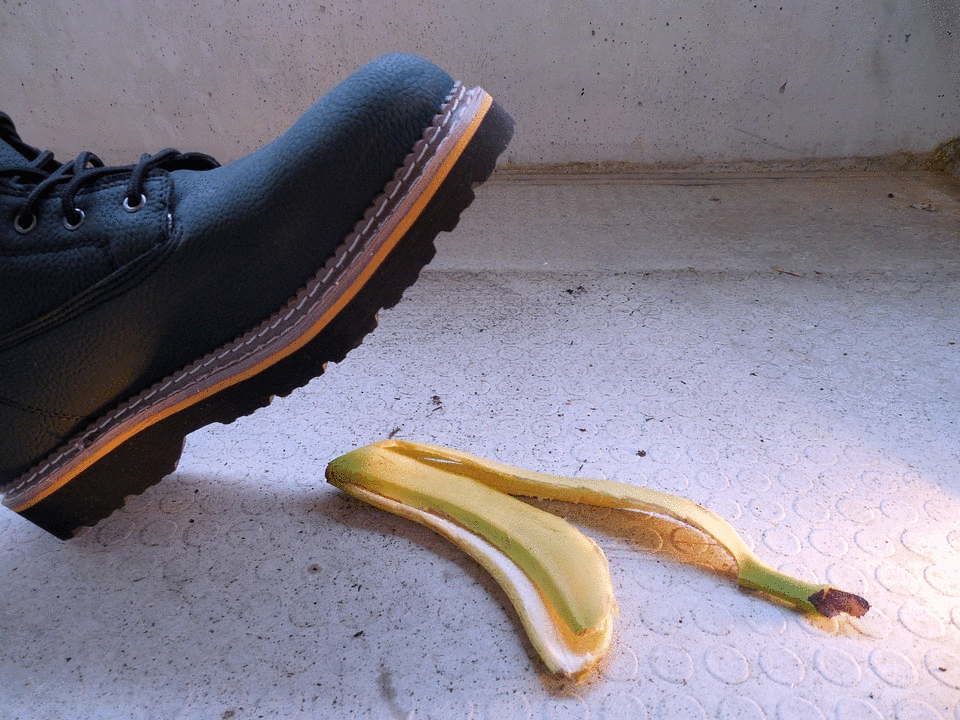
There are many reasons why it is desirable to maintain a healthy work environment for employees. One reason that cannot be stressed enough is for your own safety. Any sort of slips, falls or trips in the work place could prevent you from working for months depending on the injury. More importantly, a work environment that pays careless attention to hazards could threaten your life.
Therefore, it is important to understand the safeguards that help protect you from any work-related accidents.
Causes of accidents:
Presence of substances such as water, grease etc. on the ground
Hazards that may lead one to slip can be found on both wet and dry surfaces
Electric cables, curled up carpets, uneven surfaces or items left on the floor
These are a few examples of the hazards which many cause an accident, these are all ordinary and common things and it is important not to become oblivious of them.
Seite 2
Protecting Yourself and Others
Dealing with spills:
Don't avoid it; deal with it immediately
Use an absorbent material to soak up the spill
Clear the area around the spill
Avoid cleaning the area with something already wet i.e. a mop
Once the area is cleared place a wet floor sign over the wet area to warn customers of the potential risk involved in walking over the area
Remove a warning sign when it no longer is applicable
High-risk areas:
Be aware of areas of transition, for example, an entrance, where people move from wet ground to dry
Have precautions to remove moisture from footwear
Invest in high quality mats along routes where most customers walk
Areas of level changes e.g. stairs/steps, slopes/ramps etc.
Make sure the surface is slip resistant
Provide proper lighting so people can see where they are going
Keep the top and the bottom of the stairs clean and free from obstacles
Avoid carrying heavy items on stairs
Cables and electrical equipment
Identify cables that are trailing
Identify faulty electrical outlets
Make sure all electrical equipment is plugged in properly
Poorly maintained flooring
Identify poorly maintained or damaged floors; commit to repairs and prevent future damage
Recognise mats and rugs that could hazardous and ensure they are controlled
Chemicals
Always be aware of how chemicals are utilised by reading the label for instructions
Adhere strictly to the instructions
Seite 3
Protecting Yourself and Others
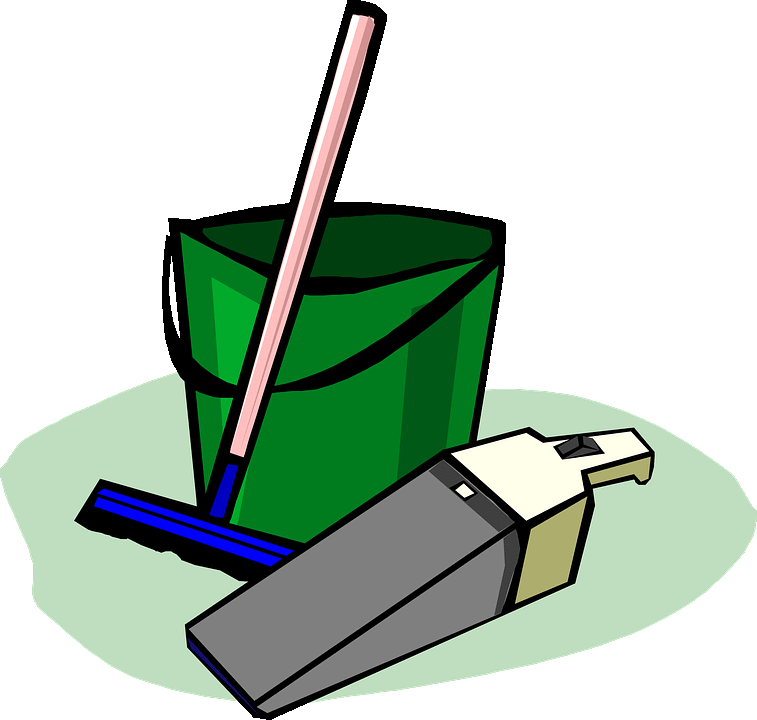
Keeping the work environment hygienic:
Always keep this in mind: Clean as you go
Keep staff areas and changing rooms clean and tidy
Have a designated storage room for cleaning products and agents
Use cleaning agents and equipment as instructed
Don't leave all the cleaning for the end of the shift
Keep floors and access points clear
Avoid doing messy work near pedestrian route ways
Make sure to have slip-resistant footwear for your own safety
Assess the floor to determine whether cleaning is needed
If you can, dry clean the floor with a mircofibre brush
When cleaning with mop use hot water with detergent, do not use cool or dirty water
Maintain clean floors during times of less business
When possible block off an area being cleaned using a barrier
Systematic procedures:
Routinely check that your footwear meets the requirement of your working environment
Routinely remind yourself of the necessary principles to ensure your work environment is safe both for yourself and your work colleagues
Seite 4
Protecting Yourself and Others
Working at heights:
If you ever have to store away a delivery, tidy shelves or clean out any area that is out of comfortable reach you should commit to the following:
Obtain a ladder or foot stool
Make sure it is placed firm and secure on the surface below
Never position in the way of a potential hazard e.g. doorway
Always hold any safety handrails and clear items one by one
Store the ladder or foot stool safely away
Lifting and Moving:
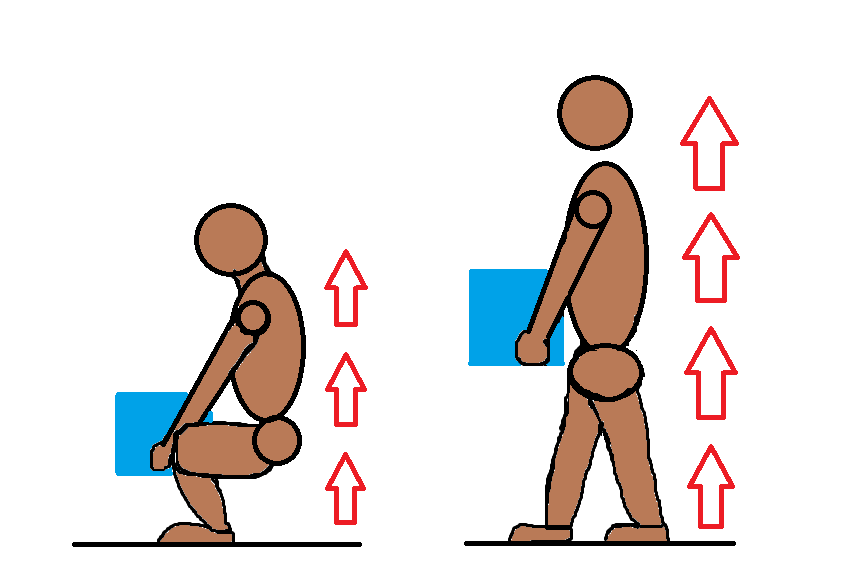
This section is to help instruct you how to manually handle delivery items and other heavy loads properly in order to prevent any sort of injury, whether that be to muscle or the back.
Get into position facing the item.
Arms should be in against your body and feet spaced shoulder width apart.
Bend down with your knees to draw closer to the item.
Lift using your leg muscles.
Hold item close to your body at waist level.
Avoid twisting or quick movements with the item.
Always remember to keep your back straight and bend your legs to lift.
Seite 5
Protecting Yourself and Others
Evacuation and alarms:
Familiarise yourself with the sound of the alarm, where all the exits are located and where the assembly point is
Once you hear the alarm:
Leave the establishment via the nearest exit; ignore your personal belongings
If needs be assist any customers that might need help in order to help the evacuation process flow
Go to the assembly point
Wait for the instruction of a manager before entering the building again

Seite 6
Temperature Control
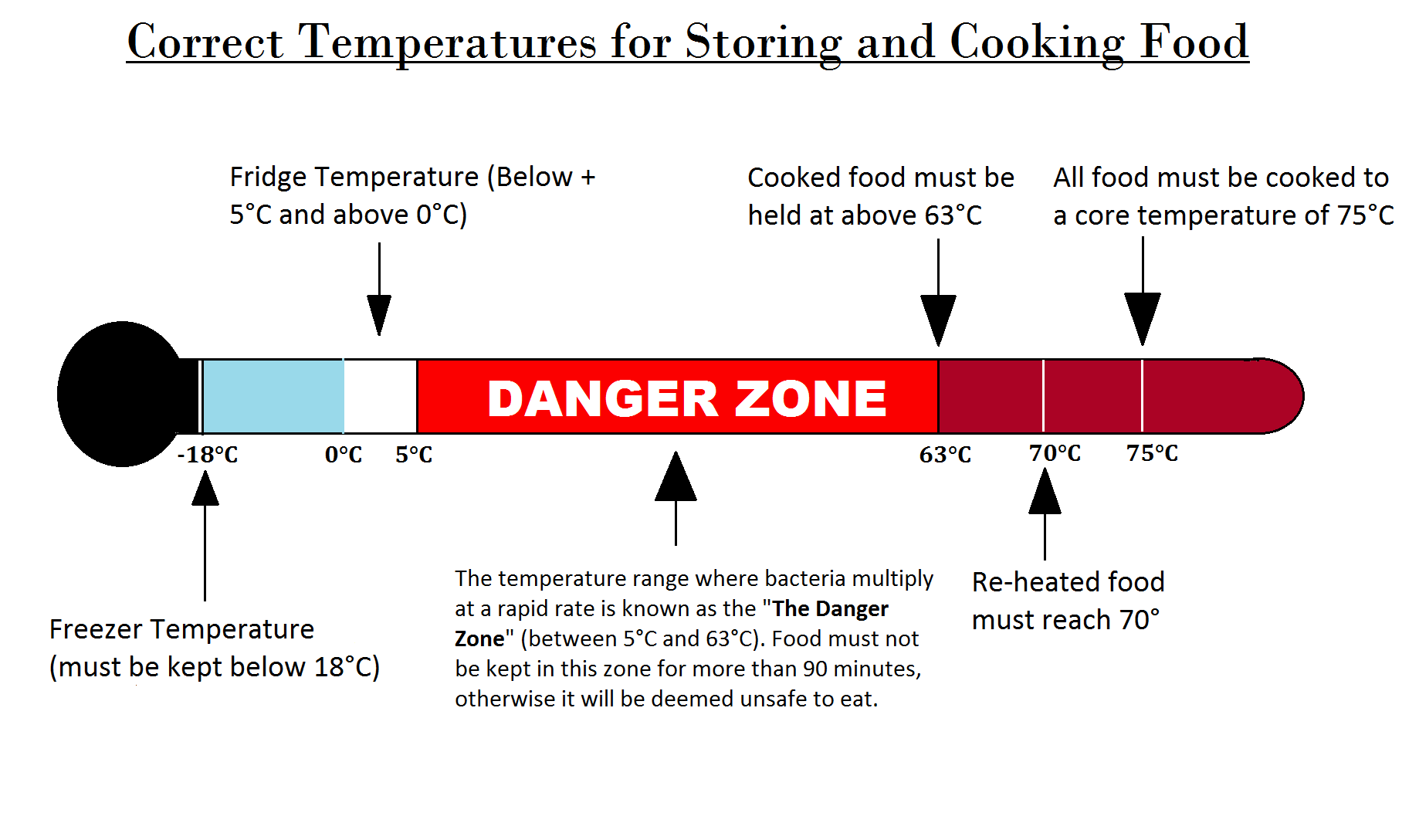
As with the nature of any food business, the threat that exists regarding food poisoning either to yourself or to customers is real. You need to be aware that bacteria survive and may multiply under certain temperature conditions, they can typically double in number every 10 to 20 minutes. In order to reduce contamination of food you must be able to cook food properly, store it correctly and clean the work environment frequently.
Examine deliveries for any damage, contamination and also for the correct temperature
All fridges displays should read a temperature of higher than 0°C to less than 5°C
Recommended that you record temperatures two times a day
Any chilled food that has been opened should be labelled with a three day use-by date
When storing cooked food and raw food, place the cooked above the raw to prevent cross-contamination
Seite 7
Food Hygiene
Avoid the following around food. Never:
Eat or chew any food in a food preparation area
Pick your nose or scratch your head
Cough or sneeze over food (if you do make sure to sneeze or cough into the inside of your elbow)
Handle food when you have just touched your face, nose or head
Safe food handling:
Utensils that are used for serving food should be touched only when necessary
Store raw and ready-to-eat products separately
Do not allow these products to come into contact with one another
Use separate utensils for raw and ready-to-eat products
Be aware of the food allergens that exist in your work environment
Use a colour coding system for different types of food for both preparation and serving
Be aware of the proper ways to store different types of food e.g. frozen items should be in the freezer at over -18°C
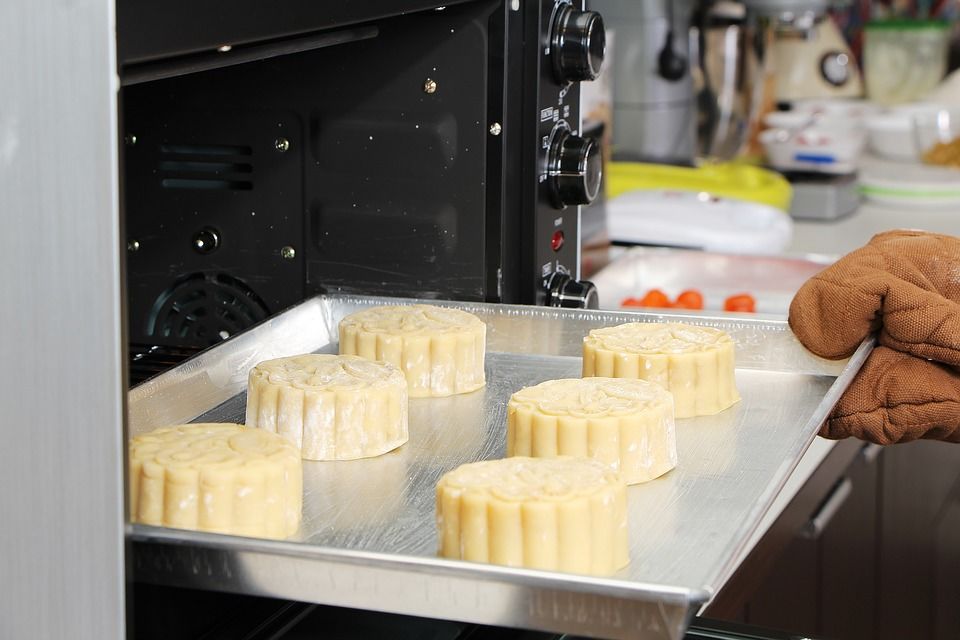
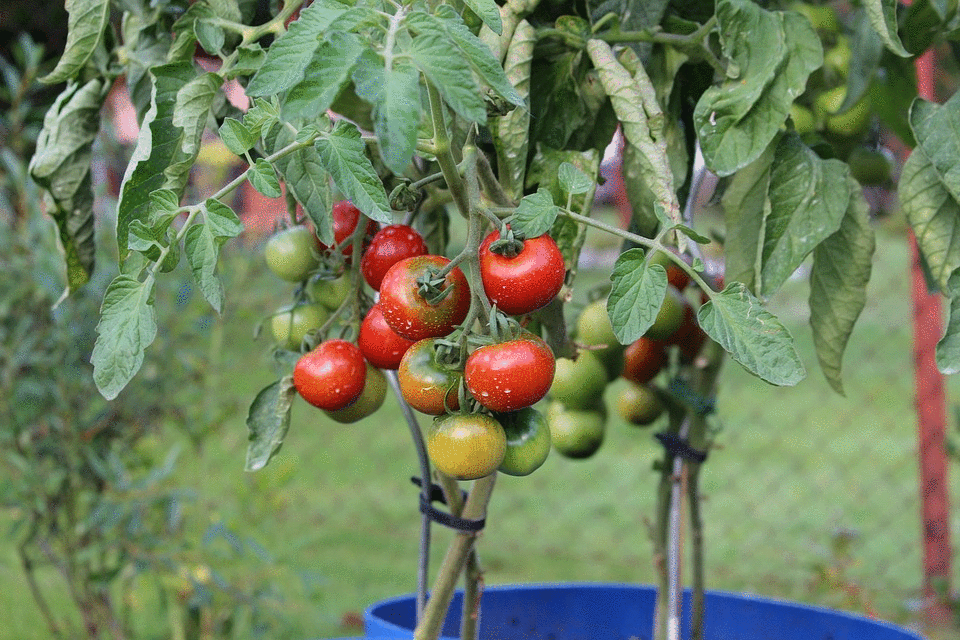
When appropriate package and label food e.g. opening tomatoes, remember to reseal and place a label on them with the open date and use-by date
Seite 8
Food Hygiene
Chemicals:
Be aware of all the different chemicals used in the work environment and how they may potentially contaminate food. There are many ways you can prevent contamination from occurring:
Follow the instructions as outlined on the chemicals label
Never use containers that are used for storing food for any kind of chemical storage
Be sure to sanitise surfaces when food is not present
Store chemicals in a separate room or press away from food areas
Additional principles:
This is similar to information as outlined in the personal hygiene section. However, reminders are important as anything can easily find its way into food:
Remember to keep all food covered and labelled when it is stored
Wear no jewellery, anything nail related or false eye lashes
Wash all salad items thoroughly before preparation of food and check it a number of times
When storing food deliveries make sure all items are places on shelves and not the floor
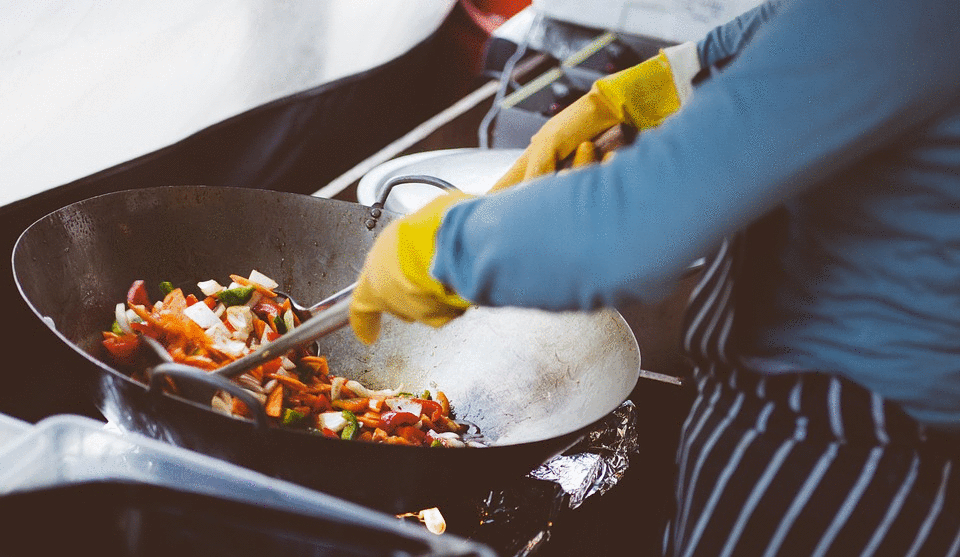
Wear vinyl gloves when preparing food
Seite 9
Clothing
Uniforms, aprons, and garments should be clean when beginning a shift and change regularly when necessary
Employees should not wear uniforms or aprons outside of the food preparation area
Avoid wearing damaged or worn out uniforms, aprons or garments
Personal clothing should not be worn in the working area
Uniform of any kind should not be worn travelling to and from work
Storage facilities and changing amenities should be provided for the overall benefit of the business
Dirty clothing items should be stored in a laundry bag and away from food preparation areas
Educate yourself on the reasons of uniform and protective clothing
Seite 10
Personal Hygiene
Keep your hair in a neat and tidy state, and where provided wear a hairnet in the presence of food
Wear clean protective clothing when interacting with food
Keep fingernails trimmed and do not wear artificial nails or fingernail polish
Utilise single-use gloves for handling and preparing food; this will help to prevent contamination with frequent changing
If using multi-use gloves make sure they are washed, sanitised and rinsed between uses
Remove all jewellery from hands and arms
Make sure to keep all cuts, grazes and sores bandaged up with an easily identifiable coloured band-aid
Showering on a daily basis will help to prevent pathogens from skin and hair coming into contact with food
What do you do when suffering from ailments and illnesses that may be a hazard to food safety?
The first step is to not panic when feeling sick in the working environment
Common ailments which people suffer from that effect the safety of food are vomiting and diarrhoea
Report to a supervisor in the event of suffering from any ailment or illness
It is better that you remain absent while sick rather than be around areas of food preparation
If you do suffer from diarrhoea or vomiting, you should not return to work until 48 hours after the symptoms have cleared
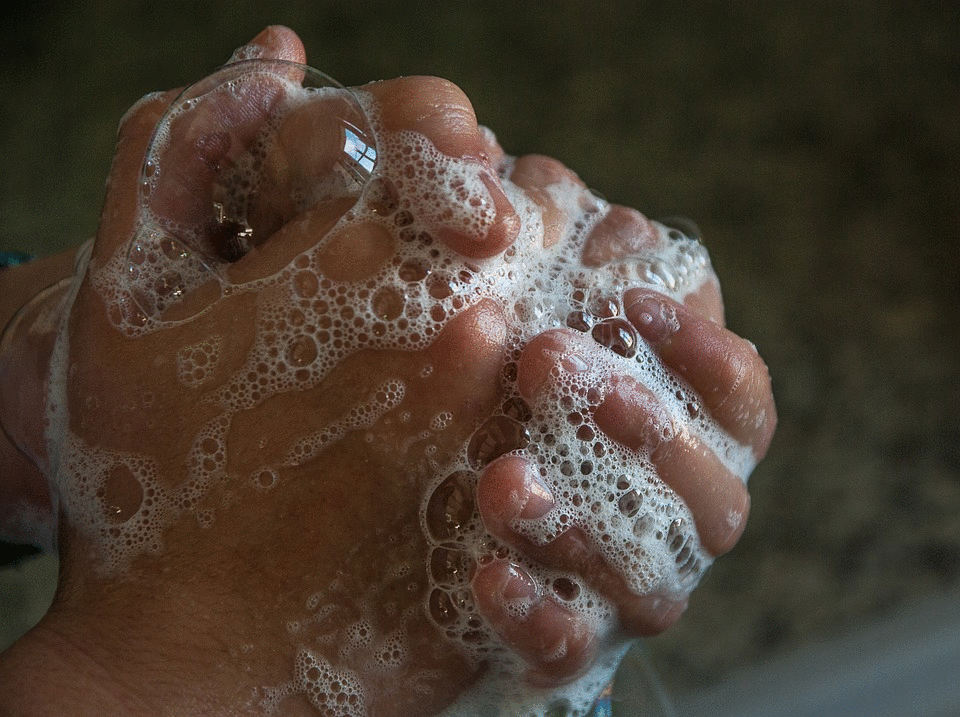
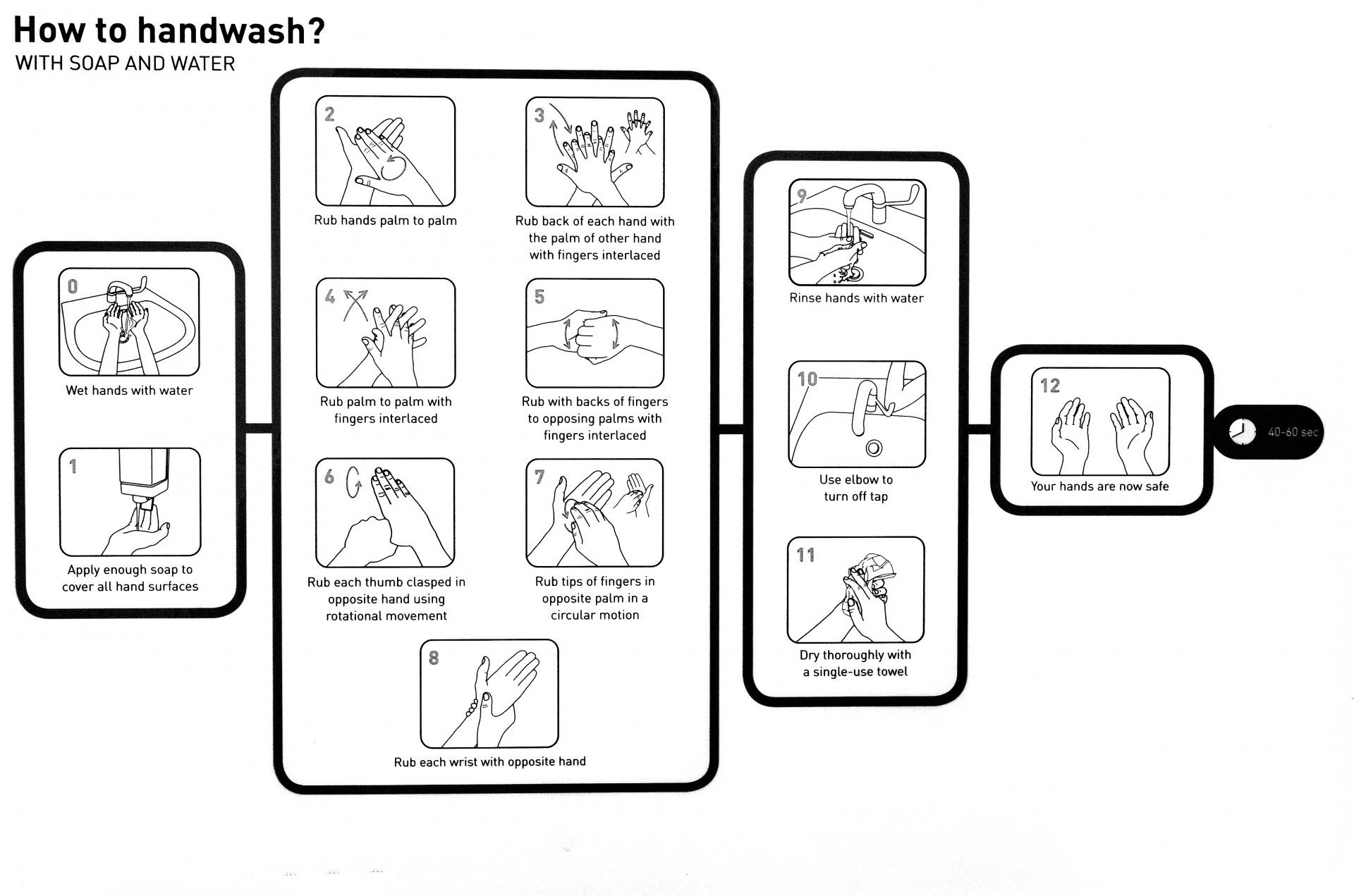
When working in any environment with food maintaining a high standard of hand-washing is extremely important. The diagram below outlines the best way to wash your hands and ensure you are safe to interact with food.
You should wash your hands frequently (every 20 minutes) or after the following occurrences:
Before beginning or recommencing work
After using the toilet
Before handling cooked foods
When handling or preparing raw food
After touching bins or handling rubbish
After smoking
When you cough, sneeze, touch bare skin etc. Moreover, you are better off using disposable tissues rather than a handkerchief
After cleaning, interacting with people and handling money
The best means of washing your hands is with hot soapy water.
Seite 11
Checklist Example
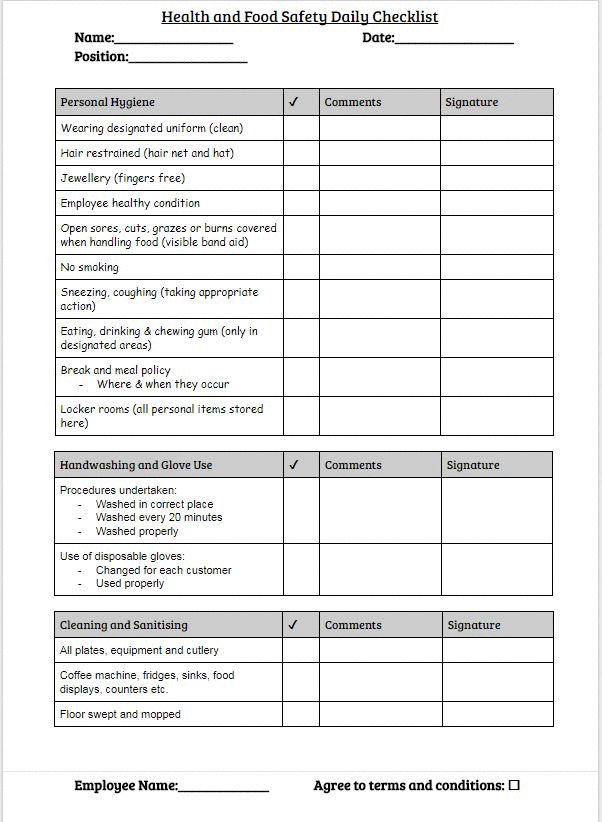
The template below is an example of a checklist that might be filled out on a daily basis in the work environment. This helps the business to keep consistent and detailed records in order to make sure that company procedures are being adhered to and hazards avoided.
Informationen
- Beschreibung
- HACCP Course Notiz am HACCP Guidelines: Health and Food, erstellt von Andrew Burke am 31/08/2017.
- Erstellt von
- Andrew Burke
- Aufrufe
- 299
- Tags
- Bewertung