
Notizen
Medicine 1250 - present notes
Inhalt der Notizen (2)
Seite 1
Approaches to treatment and prevention
RELIGIOUS TREATMENTS
Healing prayers and incarnation (spells)
Paying for special mass
Fasting
Pilgrimages to tombs - touching holy relics, presenting offering to shrines ( usually an image of the body part to be healed made from wax, jewels or precious metal), lighting candles proortionately to their height or praying to heal aliment.
ASTROLOGY TREATMENTS
Consulting star charts when diagnosing illnesses
The treatments depended on the horoscope of the patient
The alignment of the planets was then checked every stage of treatment prescribed: herb gathering, bleeding, purging and operation
HUMOURAL TREATMENTS
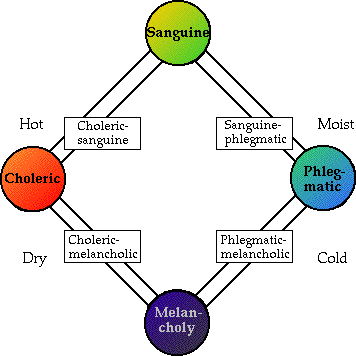
They believed that each symptom meant that their was an imbalance in the humour
Pholebotmy, Blood-letting/ bleeding was very common to treating imbalanced humours to get rid of bad humours.
Bathing in warm baths was regularly prescribed as it dissolves blockage in the humours
It was believed that humours were found from food eaten, by removing any leftover foods from the digestive system it balance the humours this was called purging
REMEDIES
Herbal infusions to drink, sniff or bathe in was very common
Theriaca- 70 ingredients remedy to help treat snake bites and poisons and many other illnesses.
Different foods were prescribed to encourage the balance of humours
Seite 2
Preventing Diseases
Preventing Diseases
Physicians were paid a lot of money for providing treatments for disease
There was many regimens to prevent diseases
The Church
To prevent disease many people believed to live a life free from sin
Regular prayers, Confessions and offering tithes to the church to ensure minor sins were forgiven quickly
They believed that cleanliness was next godliness, so it was important to stay clean ( rich or poor)
Regimen Sanitatis
A guidance on maintaining good health was given by physicians this was called a Regimen Sanitatis
It became very popular during the 1250, a lot of the the advice it used today
Only used for very rich people because it took long to write such a detailed set of instructions
Houses was kept clean and smelled fresh by using lavender and herbs to keep free from maismata
Medieval 'medics'
Female family members did most of the treatments by caring for the sick and mixing remedies themseleves
Women acted as midwives
Many people had to pay for treatments
Some treatments are expensive and others
Physicians
Physicians diagnosied patients and recommend treatments
they rarely treated patients they left that job for uneducated midwives, apothecaries or barber surgeons
The consultation for a phyicians was in three stages:
The physicians would examine the patients urine, blood and faeces
He would also consult with astrological charts under when they where born and the time they fell sick
Based on the humoural tendencies of the patient. Then create a course of treatment
Apothecaries
They mainly mixed herbal treatments
Physicians prescribed the medications and the apothecaries mixed the remedy.
They are much cheaper than doctors, reason why they are very popular
Hospitals
Hospitals were religious as churches owned them
1,100 hospitals contains few to hundreds
They has to share beds
Nuns and monks was nursing patients
They focused of caring for the sick that treating and curing them
If you was insane and pregnant you would be rejected
They rarely gave out medical treatments
Informationen
- Beschreibung
- Year 10 History Notiz am Medicine 1250 - present notes, erstellt von Hannah Adeniji am 10/09/2017.
- Erstellt von
- Hannah Adeniji
- Aufrufe
- 0
- Bewertung