
Quiz
B3.2 - Everything in the Specification
Dieses Quiz hat ein Zeitlimit und öffnet sich deshalb im gewohnten Player.
Fragen in diesem Quiz (16)
1Which system transports substances around the body?
- ACirculatory
- BNervous
- CDigestive
- DRespiratory
2The heart is an [blank_start]organ[blank_end] and [blank_start]pumps[blank_end] [blank_start]blood[blank_end] around the body. Much of the wall of the heart is made from [blank_start]muscle[blank_end] [blank_start]tissue[blank_end].
- Aorgan
- Bmuscle
- Ctissue
- Dpumps
- Eblood
3Label the highlighted parts of the heart.
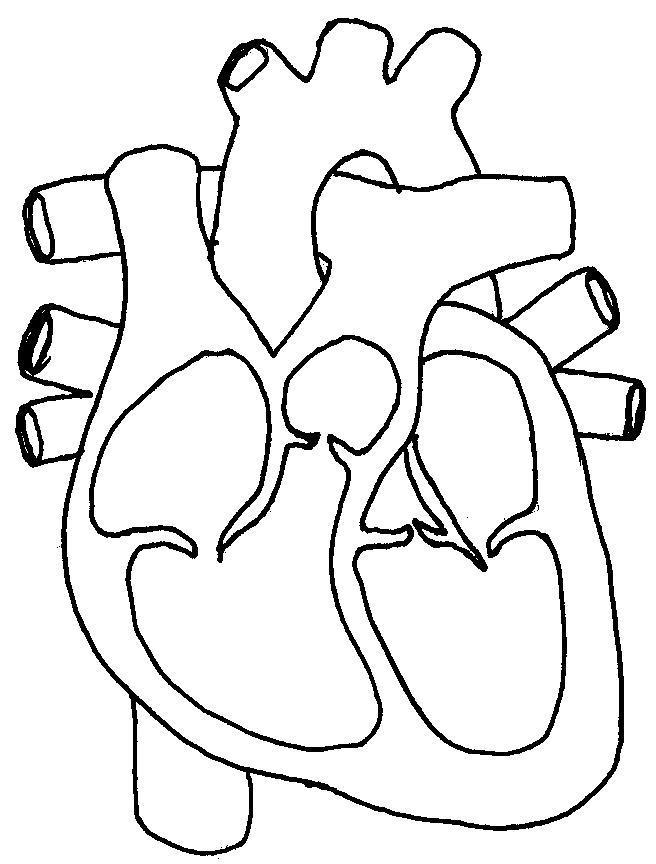
- Aright atrium
- Bright ventricle
- Cleft ventricle
- Dleft atrium
- Eaorta
- Fvena cava
- Gpulmonary vein
- Hpulmonary artery
4Blood enters the [blank_start]atria[blank_end] of the heart. The [blank_start]atria[blank_end] [blank_start]contract[blank_end] and force blood into the [blank_start]ventricles[blank_end]. The [blank_start]ventricles[blank_end] [blank_start]contract[blank_end] and force blood out of the heart. [blank_start]Valves[blank_end] in the heart ensure that blood flows [blank_start]in the correct direction[blank_end]. Blood flows from the heart to the organs through [blank_start]arteries[blank_end] and returns through [blank_start]veins[blank_end].
There are two separate [blank_start]circulatory[blank_end] systems - one for the [blank_start]lungs[blank_end], and one for all the other organs in the body.- Aatria
- Baorta
- Cventricles
- Dpulmonary artery
- Eaorta
- Fpulmonary artery
- Gventricles
- Hatria
- Icontract
- Jexpand
- Kventricles
- Latria
- Mvena cava
- Naorta
- Ovena cava
- Paorta
- Qatria
- Rventricles
- Scontract
- Texpand
- UValves
- VVeins
- WArteries
- XCapillaries
- YTissues
- Zarteries
- AAveins
- ABcapillaries
- ACveins
- ADcapillaries
- AEarteries
- AFin the correct direction
- AGas quickly as possible
- AHin small increments
- AIcirculatory
- AJdigestive
- AKrespiratory
- ALlungs
- AMheart
- ANkidneys
- AOmuscles
5What are the characteristics of arteries?
- AThick walls, muscle tissue, valves
- BThick walls, valves, elastic fibres
- CThin walls, muscle tissue, elastic fibres
- DThin walls, muscle tissue, capillaries
- EThick walls, muscle tissue, elastic fibres
6What are the characteristics of veins?
- AThin walls, valves
- BThin walls, capillaries
- CThin walls, muscle tissue
- DThick walls, valves
- EThick walls, capillaries
7STENTS - [blank_start]Narrow[blank_end] [blank_start]tubes[blank_end] capable of supplying a [blank_start]blood[blank_end] [blank_start]flow[blank_end] equivalent to an [blank_start]artery[blank_end]
- ANarrow
- Btubes
- Cflow
- Dblood
- Eartery
8[blank_start]Coronary heart disease[blank_end] can be caused by [blank_start]fatty deposits[blank_end] building up on the inner surface of [blank_start]arteries[blank_end]. These deposits restrict blood flow and can cause [blank_start]heart attacks[blank_end]. [blank_start]Stents[blank_end] can be inserted into the [blank_start]arteries[blank_end] and can increase the blood flow to the [blank_start]heart muscles[blank_end].
Stents do have some drawbacks: they can irritate the [blank_start]artery lining[blank_end], causing [blank_start]scar tissue[blank_end] to grow there, and drugs must be taken to avoid [blank_start]blood clotting[blank_end] in the stent itself.- ACoronary heart disease
- BStrokes
- CMyocardial infarctions
- DCardiac arrests
- Efatty deposits
- Fcholestrol deposits
- Glipid deposits
- Hamino acid deposits
- Iarteries
- Jveins
- Kcapillaries
- Lheart attacks
- Mstrokes
- Nparalysis
- Oheart failure
- Phypertension
- QStents
- REnzymes
- SStem cells
- Tarteries
- Uveins
- Vcapillaries
- Wheart muscles
- Xlungs
- Ytissues
- Zrespiratory system
- AAartery lining
- ABvein lining
- ACbloodstream
- ADscar tissue
- AEexcess muscle tissue
- AFbacteria
- AGblood clotting
- AHbuild-up of proteins
- AIexcess cholestrol
- AJdeoxygenation of blood
9In the [blank_start]organs[blank_end], blood flows through very [blank_start]narrow[blank_end], [blank_start]thin-walled[blank_end] [blank_start]blood vessels[blank_end] called [blank_start]capillaries[blank_end]. [blank_start]Substances[blank_end] needed by the [blank_start]cells[blank_end] in body [blank_start]tissues[blank_end] pass out of the [blank_start]blood[blank_end], and [blank_start]substances[blank_end] produced by the cells pass into [blank_start]the blood[blank_end] through the [blank_start]walls[blank_end] of the capillaries.
- Anarrow
- Bthin-walled
- CSubstances
- Dcells
- Ecapillaries
- Fblood vessels
- Gtissues
- Hblood
- Isubstances
- Jwalls
- Kthe blood
- Lorgans
10Blood is a tissue.
- ARichtig
- BFalsch
11Blood consists of plasma, red blood cells, and white blood cells.
- ARichtig
- BFalsch
12Blood plasma transports [blank_start]carbon dioxide[blank_end] from the organs to the [blank_start]lungs[blank_end], [blank_start]soluble products of digestion[blank_end] from the [blank_start]small intestine[blank_end] to other organs, and [blank_start]urea[blank_end] from the [blank_start]liver[blank_end] to the kidneys.
- Acarbon dioxide
- Boxygen
- Csoluble products of digestion
- Dmineral ions
- Eabsorbed glucose and/or glycogen
- Fsmall intestine
- Glarge intestine
- Hurea
- Iplasma
- Jblood
- Kliver
- Lpancreas
- Mstomach
- Nintestines
- Olungs
- Pkidneys
- Qalveoli
13a) What do white blood cells have that platelets don't?
b) What do white blood cells do?
c) What do platelets do?- Aa) A nucleus.
b) Defend the body against microorganisms.
c) Transport blood around the body. - Ba) A nucleus.
b) Defend the body against microorganisms.
c) Help blood to clot. - Ca) A cell membrane.
b) Defend the body against microorganisms.
c) Help blood to clot. - Da) A cell membrane.
b) Defend the body against microorganisms.
c) Transport blood around the body. - Ea) A nucleus.
b) Help blood to clot.
c) Defend the body against microorganisms.
- Aa) A nucleus.
14Red blood cells transport [blank_start]oxygen[blank_end] from the lungs to the [blank_start]organs[blank_end]. Red blood cells have no [blank_start]nucleus[blank_end]. They are packed with a [blank_start]red[blank_end] pigment called [blank_start]haemoglobin[blank_end]. In the lungs, haemoglobin combines with [blank_start]oxygen[blank_end] to form [blank_start]oxyhaemoglobin[blank_end]. In other organs, [blank_start]oxyhaemoglobin[blank_end] splits up into haemoglobin and [blank_start]oxygen[blank_end].
- Aoxygen
- Borgans
- Cnucleus
- Dred
- Ehaemoglobin
- Foxygen
- Goxyhaemoglobin
- Hoxyhaemoglobin
- Ioxygen
15Flowering plants have separate transport systems:
- [blank_start]Xylem tissue[blank_end] transports [blank_start]water[blank_end] and [blank_start]mineral ions[blank_end] from the [blank_start]roots[blank_end] to the [blank_start]stem[blank_end] and [blank_start]leaves[blank_end].
- [blank_start]Phloem tissue[blank_end] carries [blank_start]dissolved sugars[blank_end] from [blank_start]the leaves[blank_end] to the rest of the [blank_start]plant[blank_end].- AXylem tissue
- BPhloem tissue
- Cwater
- Dmineral ions
- Eroots
- Fstem
- Gleaves
- Hdissolved sugars
- Ithe leaves
- Jplant
16TRANSPIRATION SYSTEM - The [blank_start]movement[blank_end] of water from the [blank_start]roots[blank_end] through the [blank_start]xylem[blank_end] and out of the [blank_start]leaves[blank_end] is called the transpiration system.
- Amovement
- Bdiffusion
- Croots
- Dleaves
- Ewaxy cuticle
- Fxylem
- Gphloem
- Hstem
- Iroots
- Jleaves
- Kroots
- Lstem
Informationen
- Beschreibung
- A quick quiz on everything outlined in the AQA specification for B3.2.
- Autor
- Harry Woodhall
- Sprache
- English
- Aufrufe
- 38
- Schlagwörter
- Bewertung
- Noch keine Bewertungen Bewerte dieses Quiz