
Karteikarten
Unit 6 - Module 47: Social, Cognitive, and Neurological Factors in Learning

Karten in diesem Stapel (23)
- 1Unit Six - Module 47 Social, Cognitive, and Neurological Factors in LearningSocial, Cognitive, and Neurological Factors in Learning

- 2latent learningLearning that occurs but is not apparent until there is an incentive to demonstrate it.
- 3cognitive mapa mental representation of the layout of one's environment.
For example, after exploring a maze, rats act as if they have learned a cognitive map of it. - 4insight learningA sudden realization of a problem's solution. This contrasts with strategy-based solutions.
- 5intrinsic motivationA desire to perform a behaviour effectively for its own sake.
- 6extrinsic motivationA desire to perform a behaviour to receive promised rewards or to avoid threatened punishment.
- 7overjustification effectA paradoxical effect in which rewarding a performance can lead to lower, rather than higher, interest in the activity. It occurs when the introduction of an extrinsic reward weakens the strong intrinsic motivation that was the key to the person’s original high performance.
- 8observational learningLearning by observing others.
Also called social learning. - 9modellingThe process of observing and imitating a specific behaviour.
- 10vicarious learningLearning that allows individuals to learn from the experience of others. A conscious process that involves sensing, feeling, and empathizing with what people are doing. Rather than direct, hands-on instructions, vicarious learning is derived from indirect sources such as hearing and seeing.
- 11vicarious reinforcementThe process whereby a person becomes more likely to engage in a particular behaviour by observing another individual being reinforced for that behaviour.
- 12vicarious punishmentThe process whereby a person becomes less likely to engage in a particular behaviour by observing another individual being punished for that behaviour.
- 13four elements of observational learningAttention
Recall
Reproduction
Motivation - 14mirror neuronsA type of cell in the brains of certain animals (including humans) that responds in the same way to a given action whether the animal performs the action itself or sees another animal perform the action. The brain's mirroring of another's action may enable imitation and empathy.
- 15prosocial behaviourThis is positive, constructive, or helpful behaviour.
- 16antisocial behaviourThis is negative, destructive, or harmful behaviour.
- 17violence-viewing effectThe violence-viewing effect can occur when an individual views a media violent act not being punished, or the pain of the victim not being shown, or the violent act being portrayed as justified, or the individual committing the violence is physically attractive. The results of the violence-viewing effect can lead to individuals imitating the behaviour of the violent character or developing desensitization to media violence.
- 18Robert RescorlaRobert Rescorla was an American psychologist who specialized in the involvement of cognitive processes in classical conditioning focusing on animal learning and behaviour.

- 19Edward TolmanTolman was an American psychologist best-known for his work on cognitive behaviourism, cognitive maps, and the theory of latent learning. Tolman's work challenged the behaviourist notion that all behaviour and learning is a result of the basic stimulus-response pattern.
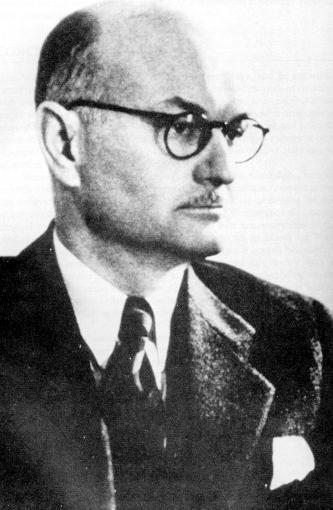
- 20Wolfgang KöhlerWolfgang Kohler was a German psychologist who co-created of gestalt psychology, and was the first to note insight learning.
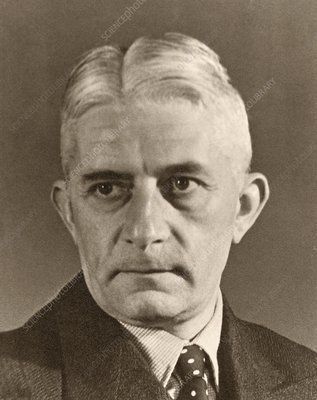
- 21Martin SeligmanMartin Seligman is an American psychologist known for his theories of positive psychology and of well-being. His is also known for his theory of learned helplessness.
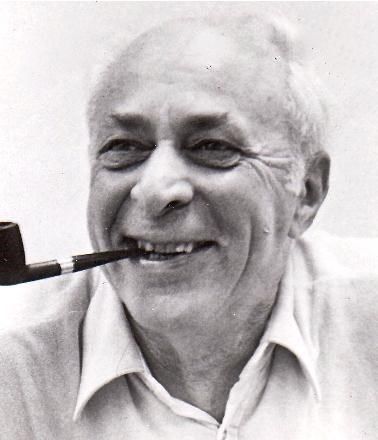
- 22Julian RotterJulian B. Rotter was an American psychologist known for developing social learning theory and for his research into locus of control.
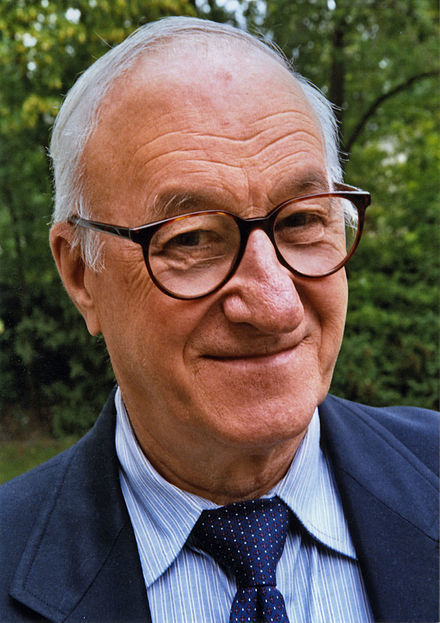
- 23Albert BanduraBandura is known as the originator of social learning theory and the theoretical construct of self-efficacy, and is also responsible for the influential 1961 Bobo doll experiment. This Bobo doll experiment demonstrated the concept of observational learning.
Informationen
- Beschreibung
- Grade 12 Psychology (Unit Six - Learning) Karteikarten am Unit 6 - Module 47: Social, Cognitive, and Neurological Factors in Learning, erstellt von Greg MacPherson am 18/02/2022.
- Erstellt von
- Greg MacPherson
- Aufrufe
- 318
- Bewertung