Flashcards
Lecture 4: Bronze Age Cities & the Emergence of Greece (Hittites, Minoans, Myceneans, & Greece)
Cards in this deck (11)
- 1What is cyclopean masonry and how did the Hittites make use of it?Cyclopean masonry
- a type of stonework built with massive limestone boulders, roughly fitted together with minimal clearance between adjacent stones and no use of mortar
- Rough and raw stone look to inspire awe and to intimidate - 2Examine the character of Minoan culture, architecture, and urban design.- Emphasis on sensuous movement
- Organic design; no emphasis on orthogonal and symmetrical design
- Brightly colored
- Minimal fortification
- Focus on light - 3What are the elements of the Mycenaean palace/citadel that have their origins in either Hittite or Minoan architecture?Hittite: stone lions, cyclopean masonry
Minoan : Minoan columns, decorative techniques (with a more warlike theme) - 4Describe the Archaic Greek temple.- As houses of the deity
- With beautiful portrayals of their gods
- based around Ionic & Doric orders
- beauty = goodness - 5—Hattusas (Turkey)
- Hittites
- Landscape protected them
- On a rocky mastiff, surrounded by ravines and Halys river on three sides
- Citadel & lower city
- Neighborhoods made of courtyard houses
- Palace at the top with a 25 column audience hall and archive building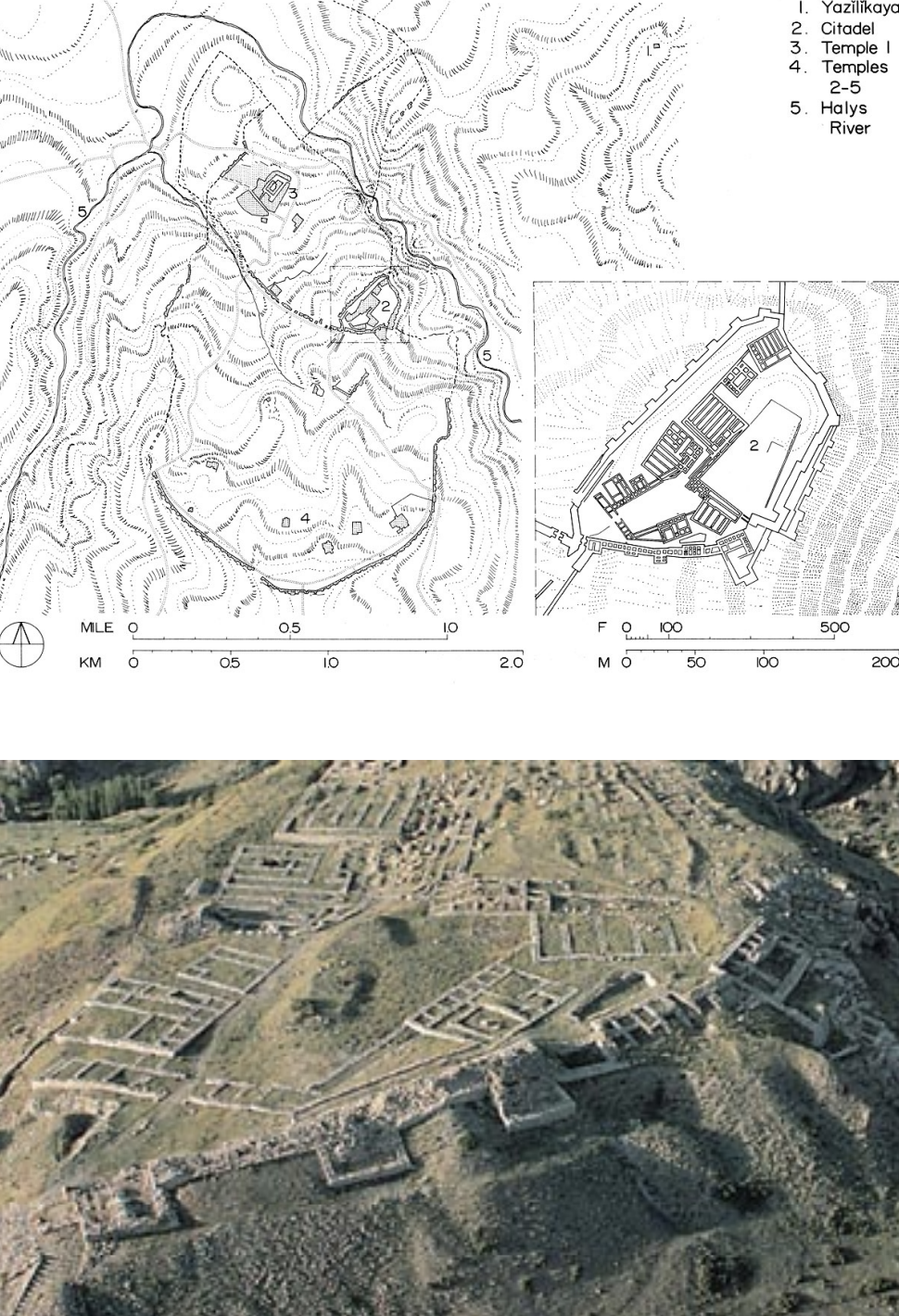
- 6—Lion's Gate (Hattusas, Turkey)
- Hittites
- Stone lion imagery
- Cyclopean masonry
- Rough and raw stone look to inspire awe and to intimidate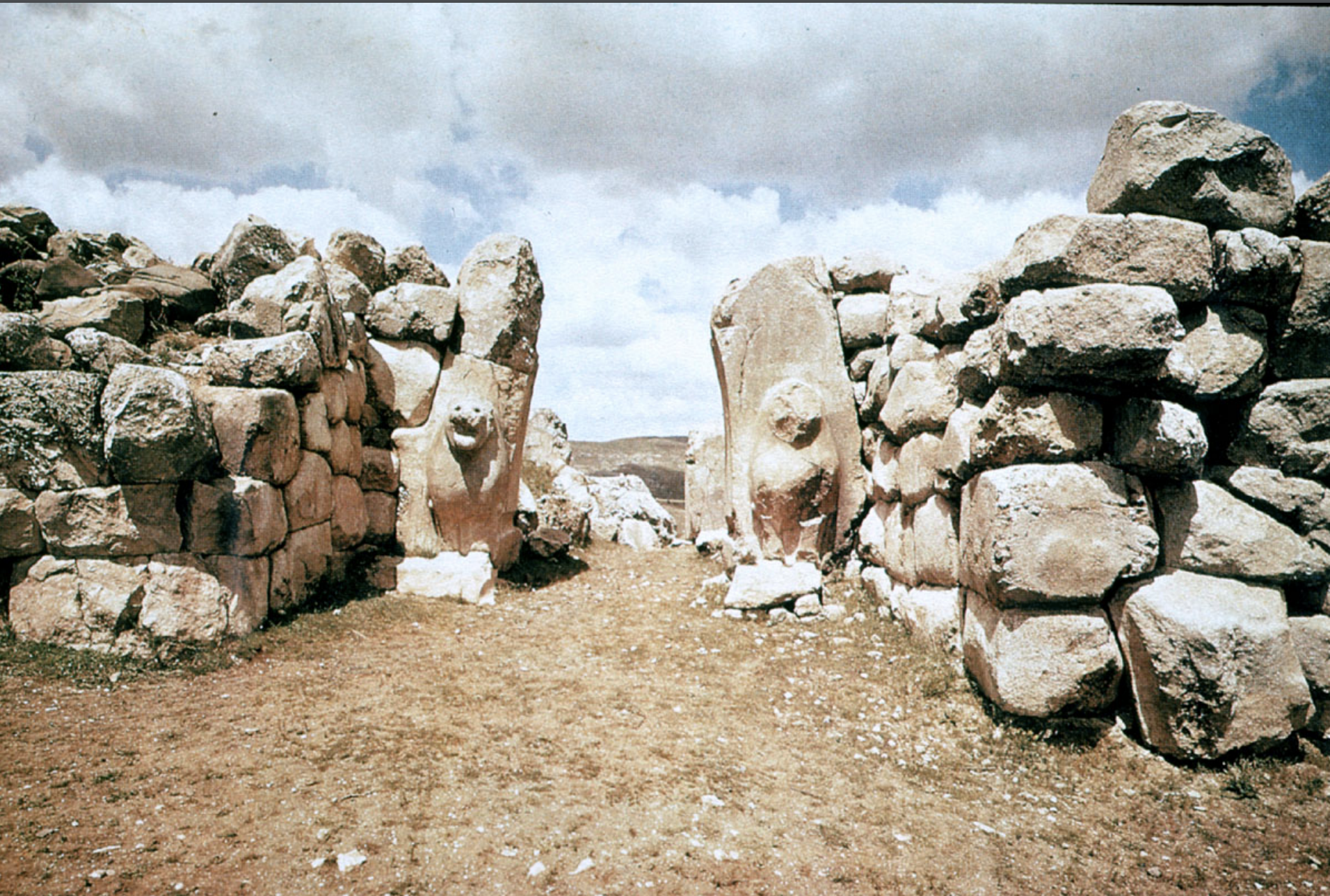
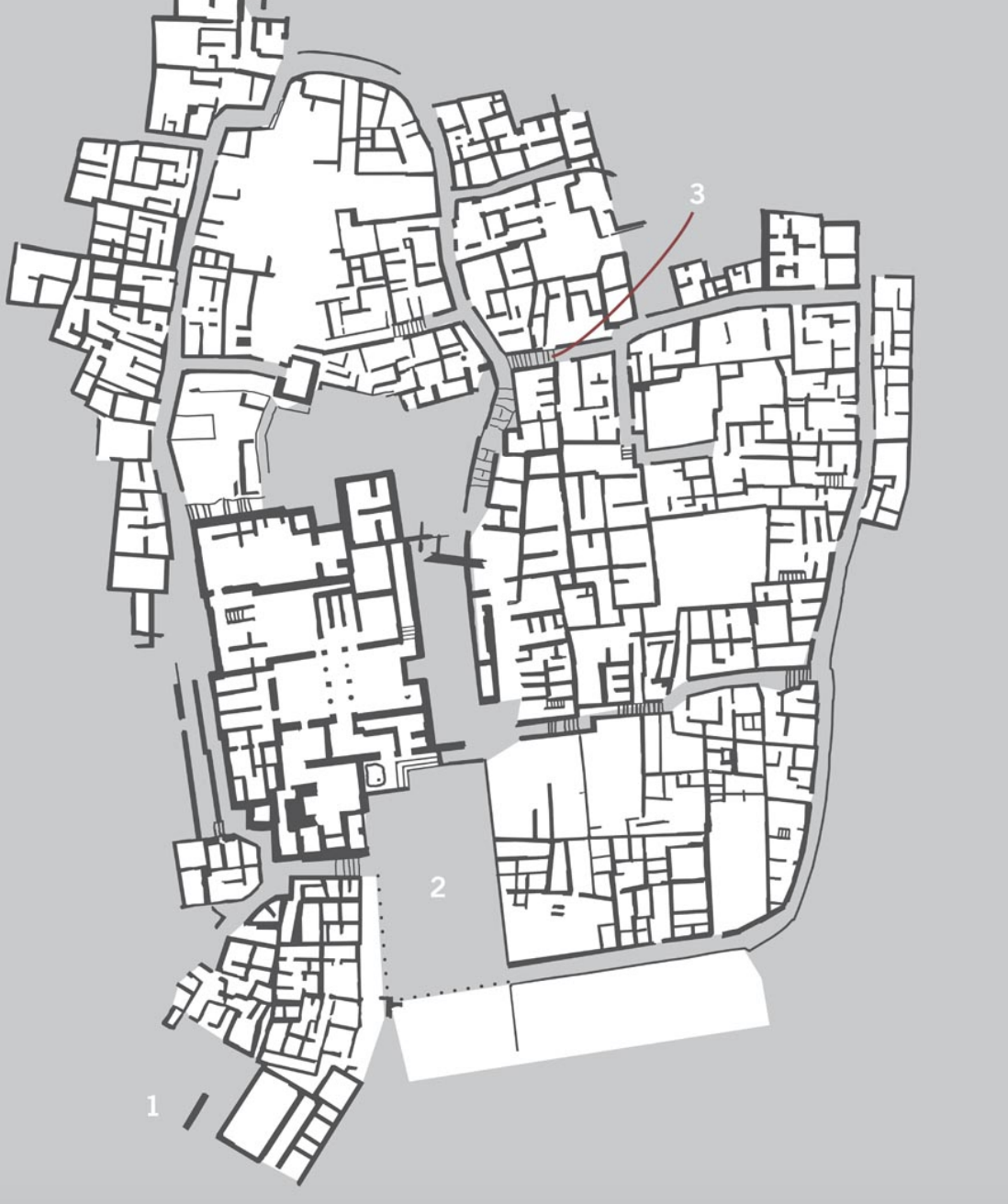
- 7—Gournia (Crete)
- Minoans
- Unwalled city
- Houses shaped to the landscape (organic planning/development)
- Palace on the highest ground
- Central ceremonial court & rectangular courtyard incorporated into town - 8—Palace/Temple of Minos (Knossos, Crete)
- Standard Minoan construction: stone basements, mud-brick upper floors, wood bracing
- Functional & organic composition; no concern for pure symmetry
- Clusters of workshops and living quarters
- Emphasized sensuous movement through space
- Tapered wood columns with stone base & thick cushion capital
- Brightly colored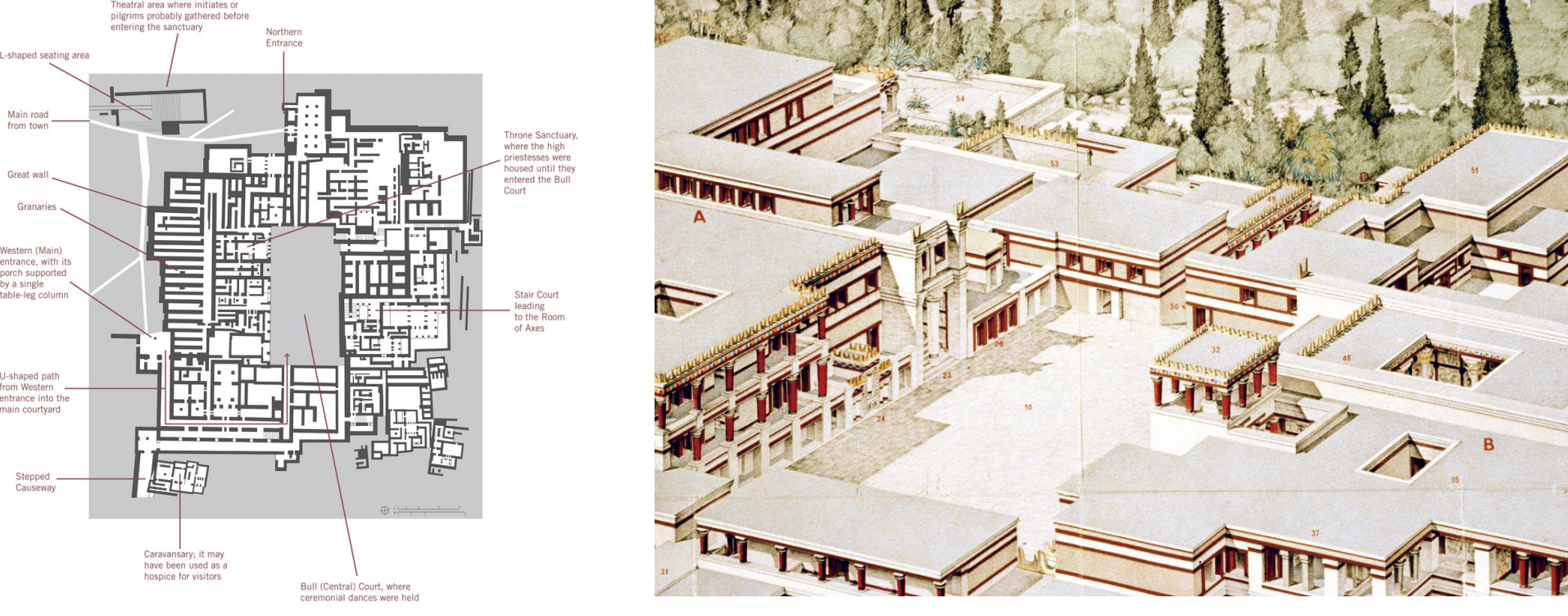
- 9—Megaron at the heart of the palace
- Rectangular throne room with a central hearth
- Four columns supporting a lantern
- Stucco floors, frescoed walls
- Used Minoan decorative techniques, but for more warlike themes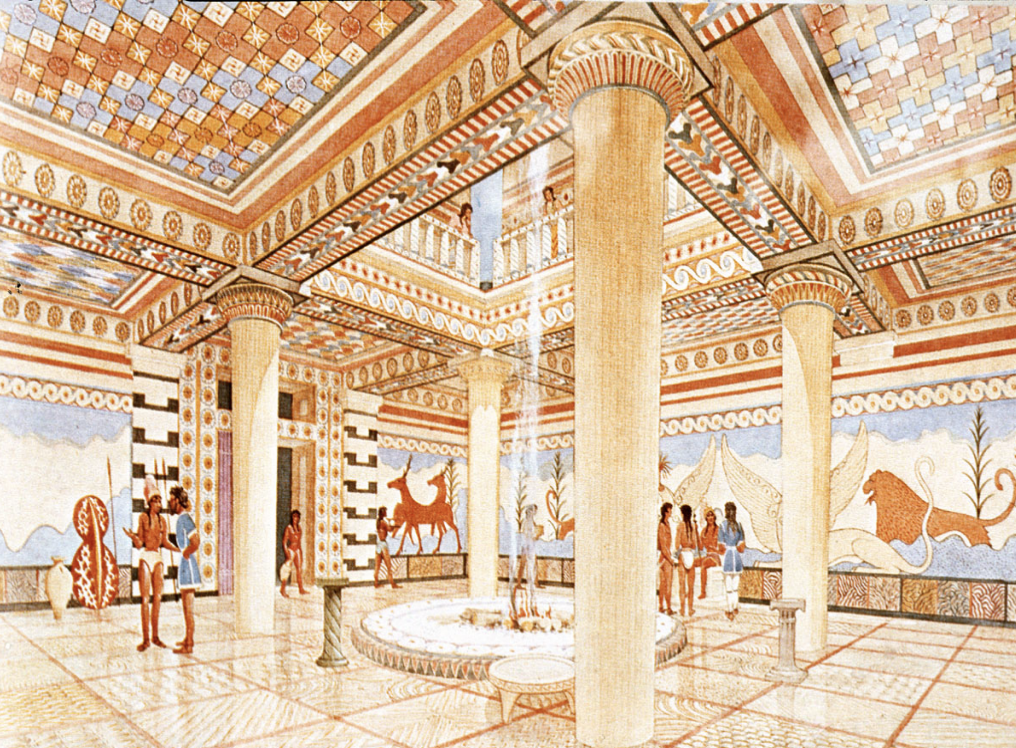
- 10—Lions Gate (Mycenae)
- Paired lions flanking Minoan column suggest Hittite & Minoan influence
- Cyclopean masonry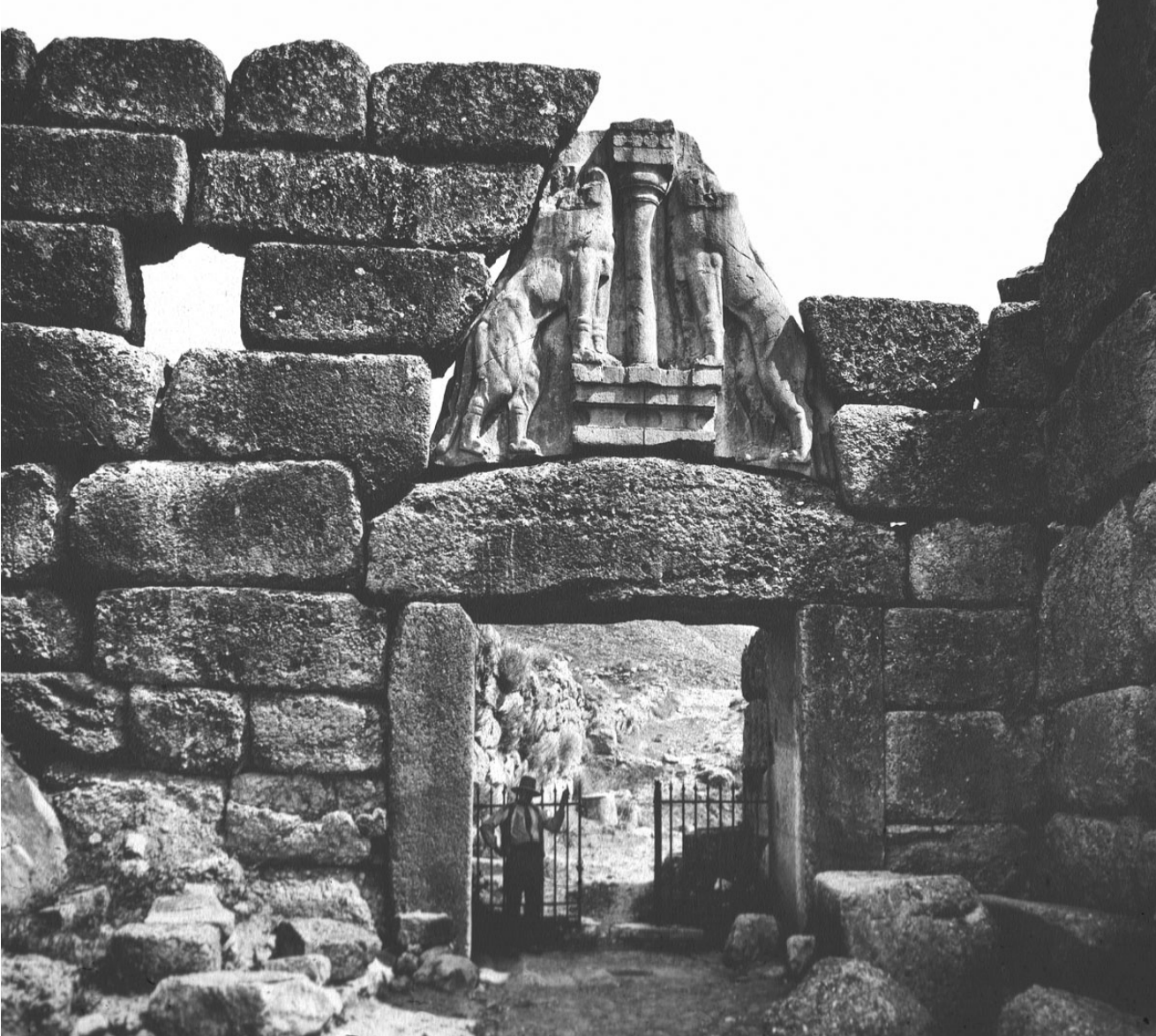
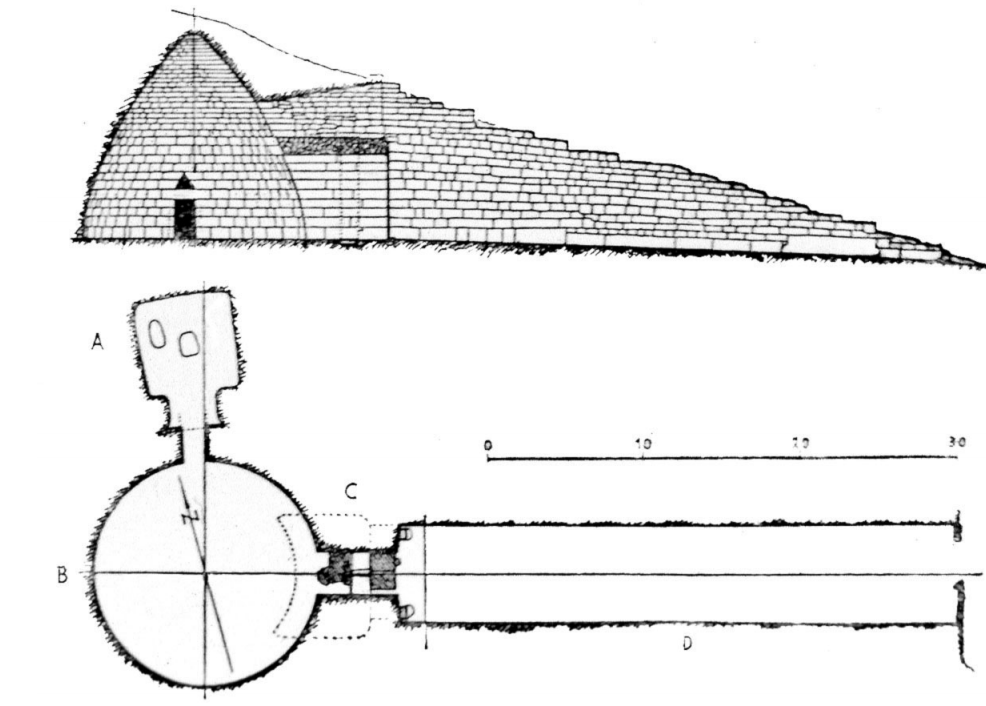
- 11—Treasury of Atreus (Mycenae)
- Tholos tomb built outside of the citadel
- Smooth stonework
- Similar elements to Central Asian burial mounds
- First time a round structure is seen in Mediterranean/ Greece