
Mind map
STRUCTURES
Map content
STRUCTURES
1.5. TYPES OF STRUCTURES
- Different structures are created by the way in which structural elements are combined. Each one is able to withstand particular external forces, but they are also subjected to a number of internal forces.
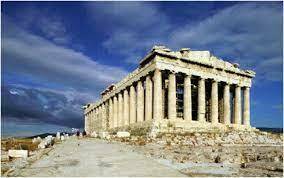
- MASSIVE STRUCTURES
- Massive structures consist of large blocks of rock or concrete-materials that are densely concentrated. They are used in large buildings that need to withstand high and constant loads.
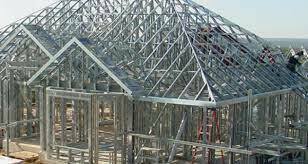
- FRAME STRUCTURES
- Frame structures consist of vertical and horizontal elements which combine to form a frame. These can be made from a wide range of materials, including steel, reinforced concrete, wood and aluminium.
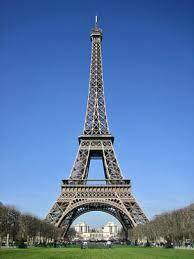
- TRIANGULATED STRUCTURES
- Triangulated structures consist of criss-crossing bars arranged in a traiangular shape. These structures are light, rigid and very resistant. Pylons, cranes and ferris wheels all share this type of construction.
- SUSPENDED STRUCTURES
- Suspended structures consist of cables, braces or tensioners. Thecables or tensioners are subjected to very strong traction forces.
- LAMINATED STRUCTURES
- Consist of flat surfaces covered in sheeting or laminate that cover the other elements.
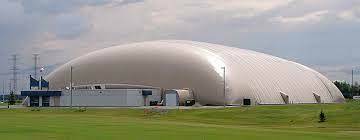
- PNEUMATIC STRUCTURES
- Consist of a membrane of composite materials. This material can withstands traction forcesgenerated by compressed air inside it.
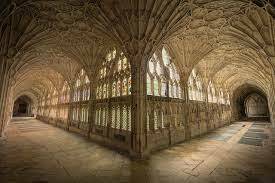
- VAULTED STRUCTURES
- The main elements of this type of structure are the arch, the vault and dome. This has made it possible to build taller buildings and structures with void spaces.
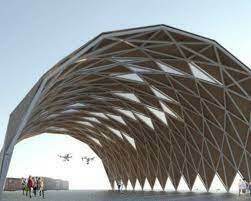
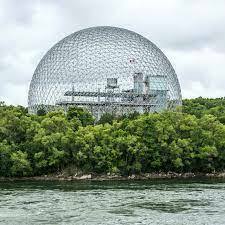
- GEODESIC STRUCTURES
- Geodesic structures are combination of triangulated and vaulted structures. They use polygons. Geodesic structures are light and strong, and cover large spaces.
- GEODESIC STRUCTURES
- The main elements of this type of structure are the arch, the vault and dome. This has made it possible to build taller buildings and structures with void spaces.
- VAULTED STRUCTURES
- Consist of a membrane of composite materials. This material can withstands traction forcesgenerated by compressed air inside it.
- PNEUMATIC STRUCTURES
- Consist of flat surfaces covered in sheeting or laminate that cover the other elements.
- LAMINATED STRUCTURES
- Suspended structures consist of cables, braces or tensioners. Thecables or tensioners are subjected to very strong traction forces.
- SUSPENDED STRUCTURES
- Triangulated structures consist of criss-crossing bars arranged in a traiangular shape. These structures are light, rigid and very resistant. Pylons, cranes and ferris wheels all share this type of construction.
- TRIANGULATED STRUCTURES
- Frame structures consist of vertical and horizontal elements which combine to form a frame. These can be made from a wide range of materials, including steel, reinforced concrete, wood and aluminium.
- FRAME STRUCTURES
- Massive structures consist of large blocks of rock or concrete-materials that are densely concentrated. They are used in large buildings that need to withstand high and constant loads.
Images and files in the map

Information
- Description
- Mind Map on STRUCTURES, created by diego romero on 16/02/2023.
- Created by
- diego romero
- Views
- 1
- Rating