
Mind map
Chemistry Revision on Structure & Bonding
Map content
Chemistry Revision on Structure & Bonding
Bonding
- Ionic
- metals lose electrons and become positive
- non-metals gain electrons and become negative
- has high melting and boiling points
- does not conduct electricity when solid
- Covalent
- non-metals only
- electrons are shared
- Covalent Compounds
- have no free electrons
- do not conduct electricity
- usually gases or liquids at room temp.
- bonds between atoms are strong
- intermolecular forces are weak
- Ionic
Alloys
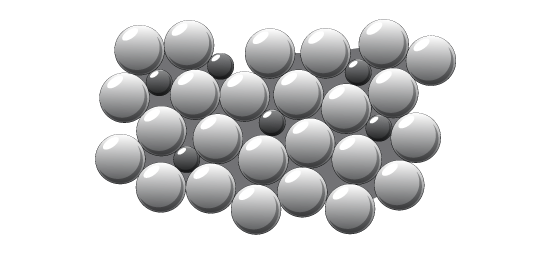
- mixture of metals
- different sized atoms
- layers are distorted
- difficult for layers to slide over each other
- harder than the pure metal
Polymers
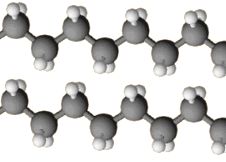
- Thermosoftening
- intermolecular forces are weak
- melt at low temps.
- little energy needed to break forces
- not suitable for packaging hot food
- Catalyst
- speeds up reaction
- does not get used up
- Thermosoftening
Graphite and Diamond
- Graphite
- each carbon atom is covalently bonded to three others
- has free electrons
- conducts electricity
- layers are able to slide over each other
- weak intermolecular between layers
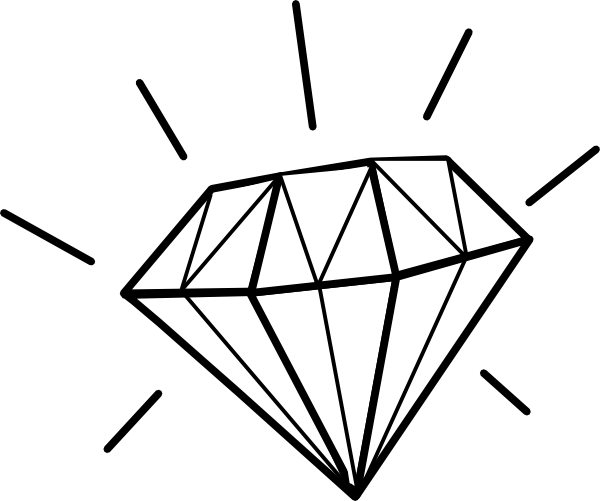
- Diamond
- each carbon atom is covalently bonded to four others
- has no free electrons
- does not conduct electricity
- no atoms are able to move/slide
- Graphite
Nanoparticles
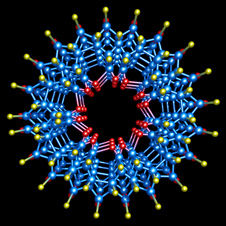
- between 1 and 100 nm in size
- have large surface areas than normal sized particles
Images and files in the map


Information
- Description
- Made to hep with Chemistry revision on Structure & Bonding
- Created by
- Lorna N
- Views
- 66
- Tags
- Rating