
Mind map
Section 1- Principles of Chemistry (part 2)
Map content
Section 1- Principles of Chemistry (part 2)
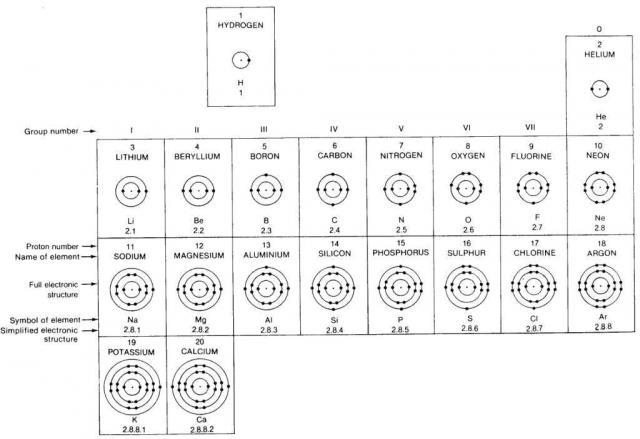
Electron Shells
- Nucleus
- 1st Shell= 2 electrons
- 2nd Shell= 8 electrons
- 3rd Shell= 8 electrons
- 2nd Shell= 8 electrons
- 1st Shell= 2 electrons
- Atoms= happy when they're outer shell is full
- Therefore they react with other atoms to complete their shells
- Electronic configuration= 2,8,8 ect..
- Nucleus
Ionic Bonding+ Ionic Compounds
- ALL ATOMS WANT THEIR LAST SHELL TO BE FULL
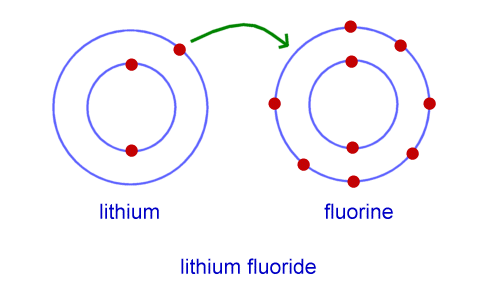
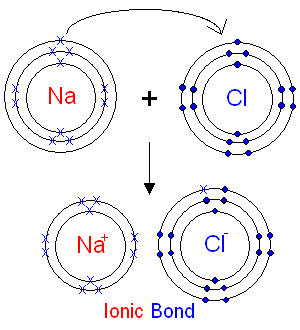
- If the atom only has 1 electron in its outer shell then it wants to get rid of it.
- This atom would love to react with one with 7 in its outer shell because this one wants one more, there's too many to give away!
- ion: "an atom or molecule with a net electric charge due to the loss or gain of one or more electrons"
- Group 1 and 2 elements are metals and lose electrons to form +ve ions (cations)
- Group 6 and 7 elements are non-metals and gain electrons to form -vs ions (anions)
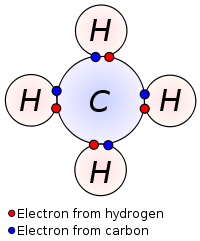
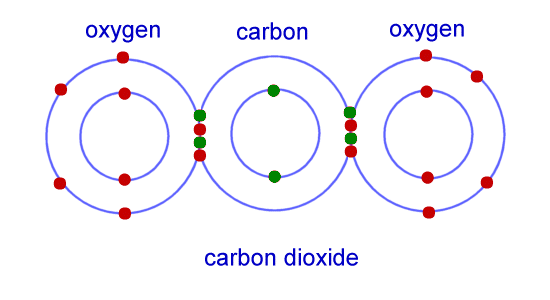
Covalent Bonding+ Covalent substances
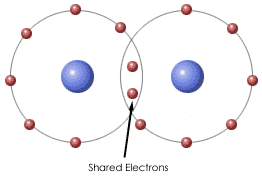
- A covalent bond is a shared pair of electrons
- Both atoms have a full outer shell and they are happy
- Strong attraction between the shared electron pair and the nuclei of the atoms involved
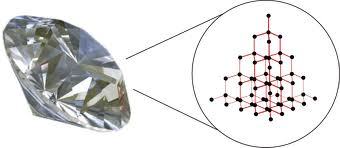
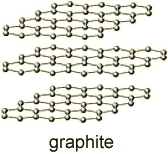
- Diamond+Graphite
- Diamond=hardest substance in world! +makes 4 bonds per carbon atom
- Graphite= Conducts electricity+makes 3 bonds per carbon atom
Balencing Equations
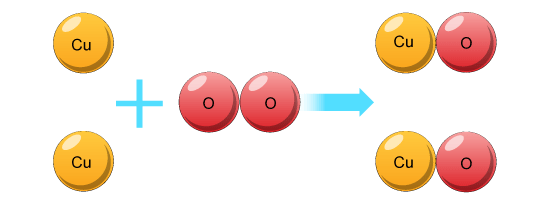
- Word Equation= copper + oxygen = copper oxide
- Symbol Equation= 2Cu + O2 = 2CuO
- State symbols= Solid (s) Liquid (l) Gas (g) Aqueous (dissolved in water (a))
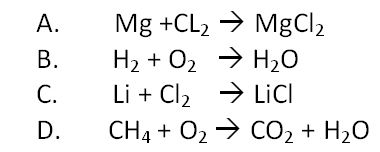
- Practise Questions
- You have to have the same amount of everything on either side of an equation or it will be sad
- Word Equation= copper + oxygen = copper oxide
Isotopes and Relative Atomic Mass
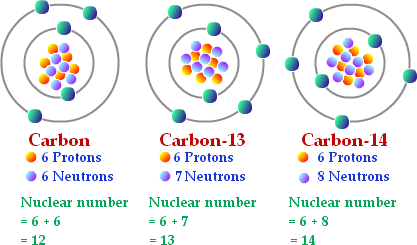
- An isotope is a different version of an atom
- Carbon isotopes:
- They have the same number of protons but a different number on neutrons
- How to calculate relative atomic mass:
- (mass of isotope x % abundance) + (mass of isotope x % abundance) ___________________________________________________________ 100
- E.g. Boron= (11x80) + (20x10) ------------------ 100
- = 10.8
- E.g. Boron= (11x80) + (20x10) ------------------ 100
- (mass of isotope x % abundance) + (mass of isotope x % abundance) ___________________________________________________________ 100
Relative Formula Mass
- Look at elements atomic mass on periodic table
- Use the numbers to add up masses of formulas
- E.g. MgCl2
- Mg= 24
- Cl= 35.5
- 24+35.5+35.5= 95
- Look at elements atomic mass on periodic table
Images and files in the map
Information
- Description
- Cambridge IGCSE Chemistry (Section 1- Principles of Chemistry) Mind Map on Section 1- Principles of Chemistry (part 2), created by beccalaw7 on 07/06/2014.
- Created by
- beccalaw7
- Views
- 470
- Rating