
Mind map
Data structures
Map content
Data structures
STATIC: size is fixed when the structure is created and cannot be changed. e.g arrays
- ADVANTAGE: easier to program because there is no need to check on the data structure at any point.
- DISADVANTAGE: inefficient use of memory has been set aside even when the program is not being executed
DYNAMIC: size is variable, will inevitably change during processing. e.g lists
- ADVANTAGE: uses up as much space in memory as it needs to, e.g adding information to lists
- DISADVANTAGE: the structure could overflow if it exceeds the limit or underflow if it is empty
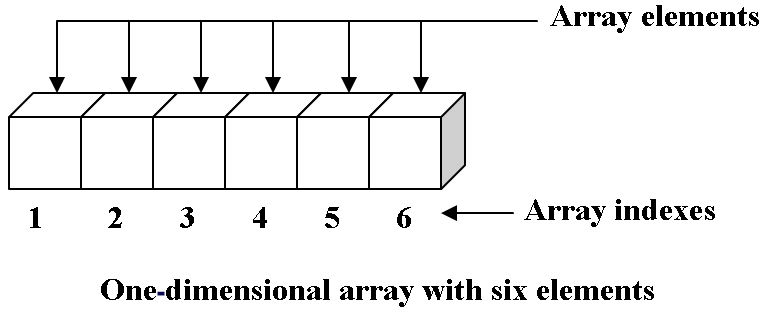
ARRAY: stores multiple items of the same data type under a shared common name.
- One dimensional: has one index. Two dimensional: 2 axis- like a timetable. Three dimensional: height, width and depth-like a 2 week timetable
- LIMITATIONS
- Must have the same data type- can have integers or strings but not both.
- Arrays have a static data type, which means that items cannot change in size once they have been declared.
Tuples: are immutable lists. This means that they cannot be edited (cannot change contents once created).
- Lists: are mutable. This means that they can be edited-you can add and delete items from lists.
Stacks: LIFO- last in first out. Data can be pushed into the stack or popped out of the stack. An example of this is a pile of books.
- Stack uses: storing return addresses, passing parameters
Queues: FIFO-first in first out. An example is a shopping queue- customers get pushed to the back and popped at the front.
- Uses: job queue in batch processing
Images and files in the map
Information
- Description
- AS level Computing Mind Map on Data structures, created by Jaya Sharma on 28/12/2017.
- Created by
- Jaya Sharma
- Views
- 0
- Rating