
Mind map
Bonding
Map content
Bonding
Ionic Bonding
- Metals and Non-Metals
- Electrons go from Metal to Non-Metal
- Mg + O -->MgO
- Ions are created, not Atoms
- Ions are Charged Atoms
- Metal
- Posotive
- Lost Electrons
- Non-Metal
- Negative
- Gained Electrons
- Metal
- Ions are Charged Atoms
- Opposites Attract
- So the opposite charge of the Ions attract each other
Covelent Bonding
- Non-Metals only
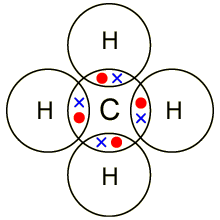
- They share electrons
- Can have single or double bonds
- Double are stronger
- Giant Covelent Structures
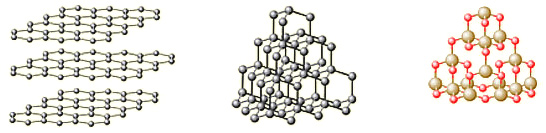
- Graphite
- Each Carbon Atom is only bonded to 3 others
- Free Electons
- Layerd in structure
- Conducts Electrisity
- Free Electrons
- Each Carbon Atom is only bonded to 3 others
- Silcone Dioxide
- Very High melting point
- Semi-conductor
- Similar Structure to diamond
- Diamond
- Each Carbon is bonded to 4 other Atoms
- Very high melting point
- Very hard
- Due to really strong bonds
- Does not conduct electrisity
- Graphite, Diamond and Silicone Dioxide
- Graphite
- The sharing keeps them bonded
- Attracted Together
Metalic Bonding
- Metals Only
- Examples would be Copper
- De-localised Electons
- Form a "Sea of Electons"
- Acts like glue to keep the posotive Metal Ions attracted
- What makes Metals Shiny
- This conducts electrisity
- The de-localised electrons carry the charge
- Form a "Sea of Electons"
- Forms layered (lattice) structure
- Can slide over each other
- Malleable
- However, in Alloys, this does not happen
- An Alloy is a mixture of Metals
- Makes it more brittle
- Can slide over each other
- Metals Only
Images and files in the map


Information
- Description
- This is a mind map for me to help remember the different types of bonding in Atoms
- Created by
- Alex Maraio
- Views
- 93
- Tags
- Rating