Mind map
Carrying out a Titration
Map content
Carrying out a Titration
Titration is used to ensure maximum purity when forming a solution
EXAMPLE EXPERIMENT
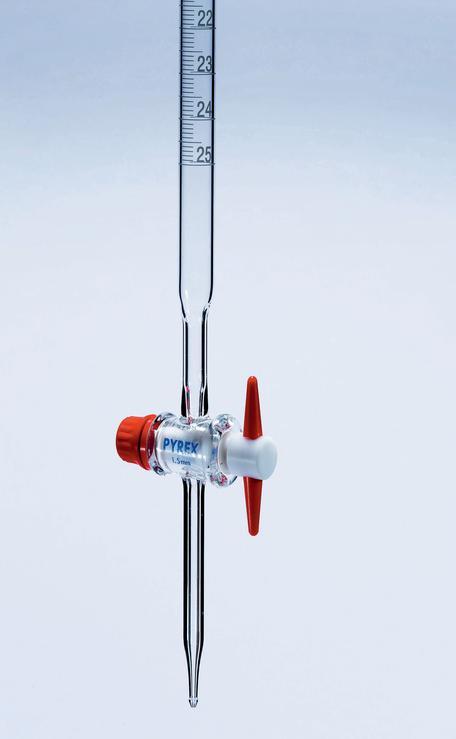
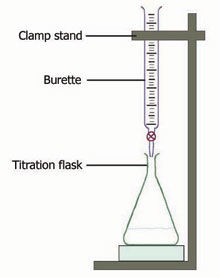
- 1. Clamp the burette and fill it with sulphuric acid, to just above zero. Then record the level of acid in the burette.
- How to form ammonium sulphate:
- 2. Use a pipette to transport 25cm^3 of ammonia into a conical flask. Use a pipette filler for accurate results.
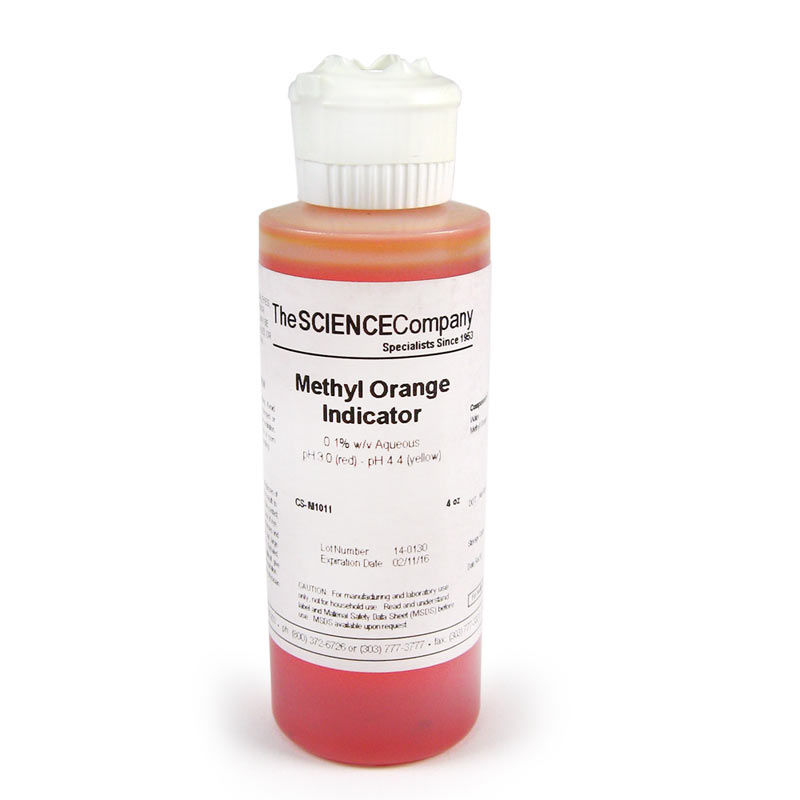
- 3. Add a few drops of methyl orange indicator and make sure that the solution turns yellow- this makes sure that you are using an alkali. And then move the conical flask under the burette.
- 4a. Turn the tap to the vertical position to allow the acid out of the burette. Keep swirling the flask with one hand to ensure that you get accurate results. Continue to add the acid until the indicator turns from yellow to red. Then minus your starting volume from the volume of acid left in the burette to get your result for how much acid you used.
- A ROUGH TITRATION
- 4b. Add the acid slowly until you are within 2 cm^3 of your result from the rough titration. Then continue to add the acid drop by drop until one drop changes the solution to red. Remember to keep swirling the flask with your other hand. Note the volume of acid left and then minus that from your stating volume. This is the exact amount of acid needed to form the purest solution with the ammonium sulphate.
- AN ACCURATE TITRATION
YOU WILL NEED:
- A burette with a tap
- A clamp and a stand
- A Conical Flask
- A pipette
- A saftey pippette filler