
Quiz
G6 Living Things in Their Environment
Questions in this quiz (20)
1What is the area where a polar bear lives called?
- AA the igloo
- BB the desert environment
- CC the Arctic habitat
- DD the winter habitat
2The conditions in an environment are caused by:
- AA physical environmental factors.
- BB summer factors and winter factors.
- CC day factors and night factors.
- DD only animal factors.
3What does the word ‘adapted’ mean?
- AA A living thing is well suited to where it lives.
- BB A living thing is not suited to where it lives.
- CC A living thing cannot survive on its own.
- DD A plant that can live on the top of a mountain.
4What does the word ‘distribution’ mean?
- AA Where organisms are found in a habitat.
- BB The total number of organisms living in a habitat.
- CC The different species that live in a habitat.
- DD The different tribes that live in a habitat.
5The drawing shows a squirrel. Which feature shows that it is adapted to climbing vertical tree trunks?
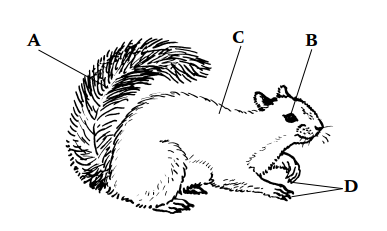
- AA
- BB
- CC
- DD
6One of the most important adaptations for organisms living in hot, dry areas is:
- AA to wash regularly.
- BB to not waste any water.
- CC to have thick hair.
- DD to have sharp claws.
7 Polar bears live in the Arctic. Why is their fur white?
- AA White is the best colour for keeping cool.
- BB Otherwise they would get mixed up with brown bears.
- CC White is the best colour for keeping warm.
- DD They can not seen easily by animals that they hunting.
8One way in which fish are adapted to their habitat is:
- AA they breathe using gills.
- BB they breathe using air holes.
- CC they can be caught using a hook and a worm.
- DD they only die of old age or disease.
9Which of these is a seasonal change?
- AA It is warmer during the day.
- BB It is dark at night.
- CC It is colder in winter.
- DD A daisy flower opens and closes again.
10What does the word ‘nocturnal’ mean?
- AA Things that are cold.
- BB Animals that go to sleep for the winter.
- CC Organisms that are active at night.
- DD Plants that lose their leaves in winter.
11What does a rabbit do when winter comes?
- AA It hibernates.
- BB It migrates.
- CC It grows thicker fur.
- DD It dies.
12What is a "deciduous" tree?
- AA A tree that loses its leaves in winter.
- BB A tree that keeps its leaves in winter.
- CC A tree that never photosynthesises and only respires in summer.
- DD A tree that grows extremely tall in cold weather.
13A herbivore is:
- AA an animal that only eats plants.
- BB an animal that only eats other animals.
- CC an animal that eats both plants and animals.
- DD a plant that eats other plants.
14The drawing shows a lion. Which feature of the lion is common to many predators but not to many prey?
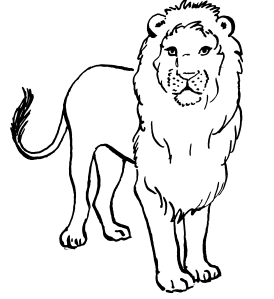
- AA It has legs.
- BB It has forward facing eyes.
- CC The colour of its hair camouflages it.
- DD It has good eyesight.
15Which feature of this animal suggests that it is prey for larger animals?
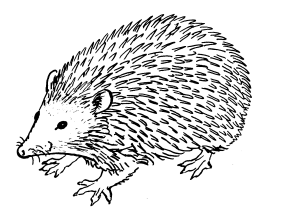
- AA It has spines on its body.
- BB It has a long nose.
- CC It comes out at night.
- DD It feeds on insects.
16Which three things are all physical environmental factors?
- AA light intensity, temperature and wind speed
- BB number of plants, temperature and food supply
- CC number of plants, number of rocks and number of animals
- DD number of organisms, temperature and oxygen concentration
17A jack rabbit has very big ears. Which of these changes to its habitat would cause problems for jack rabbits because of this adaptation?
- AA It gets much hotter.
- BB It rains a lot.
- CC It becomes much quieter.
- DD The area is covered by permanent snow.
18What does the word ‘predator’ mean?
- AA An animal that is eaten by other animals.
- BB An animal that hunts and eats other animals.
- CC An animal that eats the dead remains of animals.
- DD An organism that makes its own food.
19Which of these things will not cause the number of rabbits in a population to decrease?
- AA More rabbits are eaten by foxes.
- BB Rabbits produce fewer offspring.
- CC There are more lettuces for rabbits to eat.
- DD More rabbits catch a fatal disease.
20This diagram shows a pyramid of numbers.
Which of the following food chains does it represent?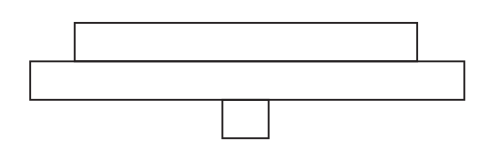
- AA grass --> rabbit --> fox
- BB grass --> sheep --> tick
- CC oak tree --> caterpillar --> bird
- DD lettuce --> slug --> bird
Information
- Description
- Quiz for KS3 Grade 6 Topic Living Things in Their Environment
- Author
- Jeffrey Piggott
- Language
- English
- Views
- 253
- Tags
- Rating
- No ratings yet Rate this quiz