
Ancient Civilizations and Regional Archaeology
79 resources created by 59 users
This Ancient Civilizations and Regional Archaeology page on GoConqr gathers community-made mind maps, flashcards and quizzes, from Mesoamerica and the Maya to ancient Athens, Babylon, China and Roman Malta. It's built for university students filling gaps, school students exploring a topic, and teachers after ready-made material. There are over 70 resources here, including more than 40 mind maps, 28 flashcards' worth of decks and 4 quizzes, mostly at university level with some for school. Pick a region, test yourself with a quiz, then make your own study sets.
Select topic
- Ancient Mesopotamia and the Near East7
- Ancient Egypt5
- Ancient China5
- Aegean and Ancient Greek Civilization10
- Archaeology of Italy and Malta7
- Indigenous Cultures and Archaeology of North America9
- Mesoamerican Civilizations and Archaeology11
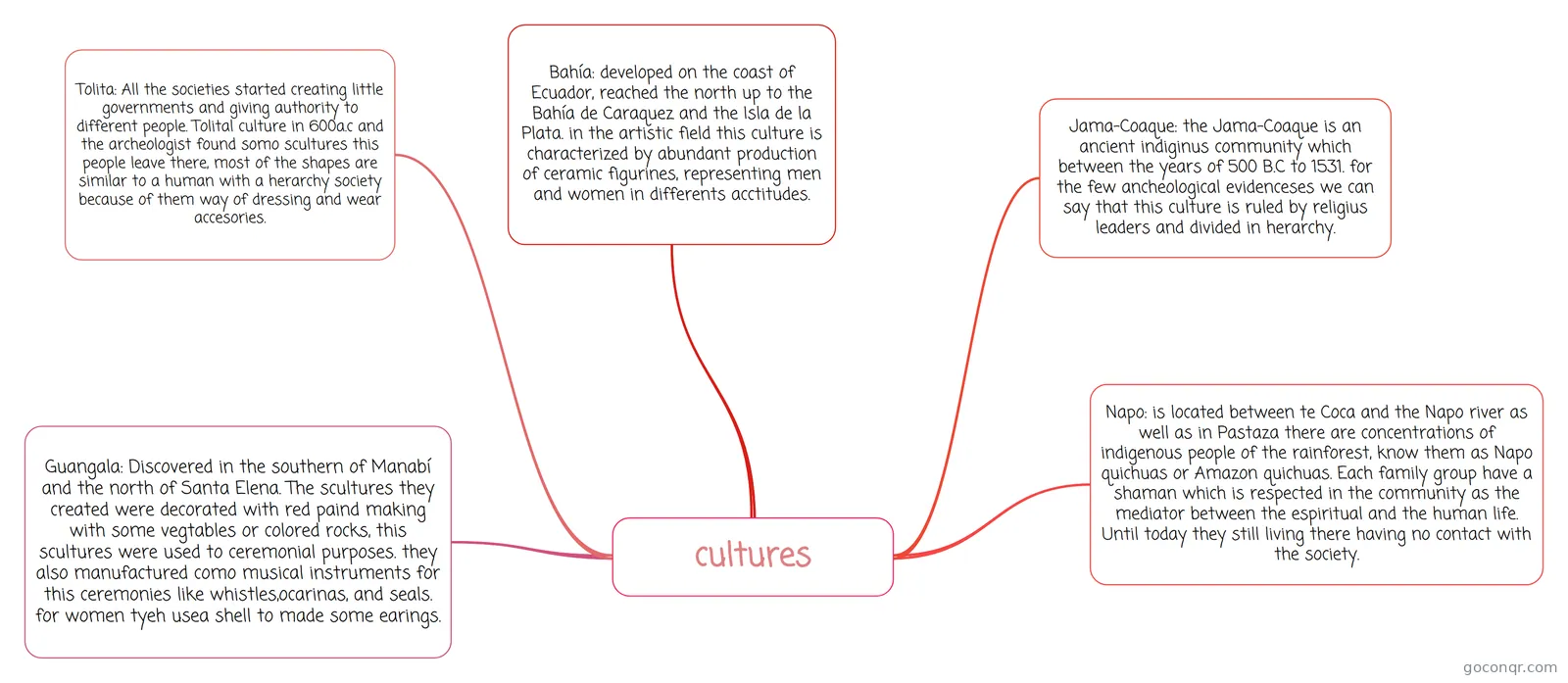
- Pre-Columbian Cultures of Ecuador7
- Andean Civilizations and Archaeology6
Top Ancient Civilizations and Regional Archaeology resources
Mind maps
See all 46 mind mapsTopics in Ancient Civilizations and Regional Archaeology
More Anthropology topics
About Ancient Civilizations and Regional Archaeology
GoConqr OriginalWhat this page covers
The resources range across several regions. The Americas feature strongly: the Week 1 - Basics of Mesoamerica mind map sets out the time periods from Paleoindian to Post-Classic, while the flashcard deck Arky Midterm 1 Flashcards Part 4 covers Tikal, Copan, Palenque, K'inich Janaab' Pakal and the Maya collapse. Archaeology/Pre-conquest Americas adds spiritual life, the Triple Alliance and Chaco Canyon.
The Old World is here too. You will find Ancient Athens, Greek Civilization, Sumerians and Early Dynastic Period, The Archaeology of the Phoenician Homeland, Pottery in Roman Malta and Ancient China.
Where to start
- Begin with a broad mind map for your region, such as Week 1 - Basics of Mesoamerica or Greek Civilization, to get the timeline and main ideas.
- Move to a flashcard deck to learn names, places and terms. Gender and Society in the Ancient Mediterranean is built around Greek terms such as oikos and kyrios.
- Use the deck Chapter 4 - Later Peoples of the Fertile Crescent for Babylon and Hammurabi.
Methods as well as civilizations
Some maps look at how archaeologists work. Greek Field Survey Data (Graham Shipley, 2002) lists finds such as potsherds, roof-tile and coins, and what they can indicate, like settlements and cemeteries. Others, such as Pottery Type Sites and History of Studies (2), are worth reading beside the regional maps.
Using quizzes with maps
Read a map, then try a quiz without looking. Arky Practice for Map/Chronology Quiz suits place and date recall, and western Asia lecture 2 -Uruk period checks early Near Eastern material. Go back to the map for anything you missed.
Where it fits
This unit sits in the Archaeology strand of Anthropology. Everything here was made by GoConqr users, so styles vary and titles may reflect particular courses. Choose a region, open a resource and see how it suits your own notes.
Frequently asked questions
Which resource should I open first?
Start with the Week 1 - Basics of Mesoamerica mind map if you want a clear timeline, running from the Paleoindian period to the Post-Classic. For Mediterranean topics, try Ancient Athens or Greek Civilization. Then move to a flashcard deck to fix the key terms.
What do the mind maps cover?
They span Mesoamerica, ancient Athens, Greek civilization, Sumerians, the Phoenician homeland, Roman Malta, ancient China, the Celtic world and Islamic civilization. Some also cover methods, such as Greek field survey data and pottery type sites, so you can see how evidence is read.
Are the resources free to use?
Yes. Every resource listed here is free to open, study and take, with no account needed. A free account also saves your quiz scores and lets you make your own quizzes, mind maps, flashcards and notes.
Who made these resources?
They were made by GoConqr users, not by GoConqr itself. Over 50 contributors have added material, so the style and depth vary. Some resources follow specific course weeks, midterms or chapters, so check that a title matches what you are studying.
Which levels are these resources for?
Most are at university level, with a smaller share for school students. University students can use the midterm-style flashcard decks and lecture maps, while school students may find the broad maps on Greek civilization or ancient China an easier way in.
What if my region or topic is missing?
Try a nearby resource first, as regions often overlap. For example, the Fertile Crescent deck and the Sumerians map sit close together. If nothing fits, make your own mind map or flashcards on the topic and use the listed ones as models.