
Data, Information and Data Handling mind maps
704 mind maps by 589 users · Page 1 of 18
This GoConqr page gathers mind maps on data, information and data handling, from data sources and processing to backup and recovery. With over 600 maps by more than 500 users, it is largely aimed at school students revising these topics and teachers looking for material; browse the maps to find a starting point.
Select topic
- Data, Information and Knowledge274
- Types and Sources of Data34
- Information Quality and Value110
- Data Collection and Capture48
- Data Logging and Sensors28
- Data Encoding and Representation49
- Data Validation and Verification183
- Data Processing Methods36
- Data Analysis and Presentation9
- Spreadsheets and Databases9
- Big Data and Hadoop21
- Data Exchange and Sharing22
- Data Backup, Recovery and Archiving23
Mind maps
-
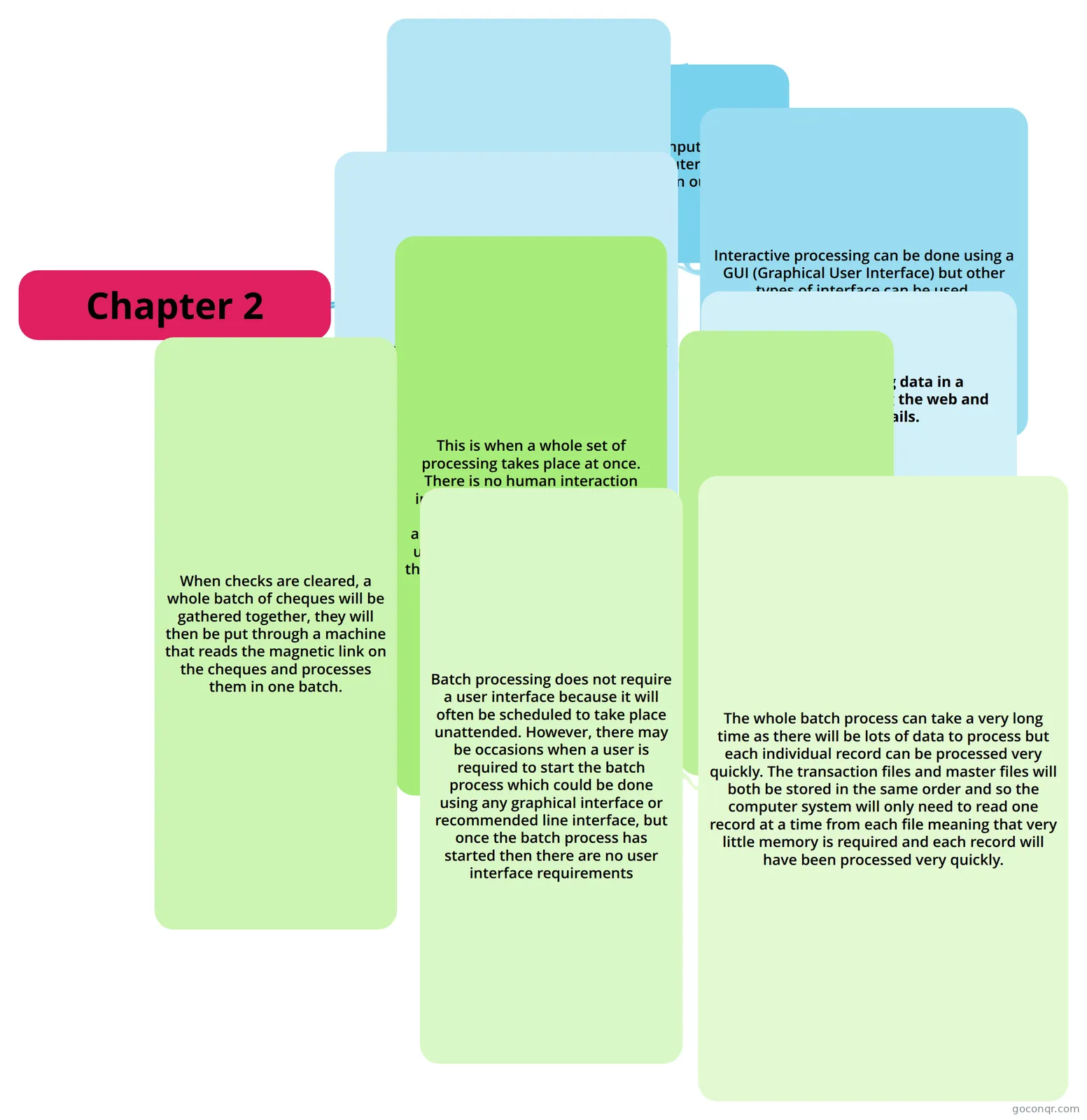 Chapter 2
-
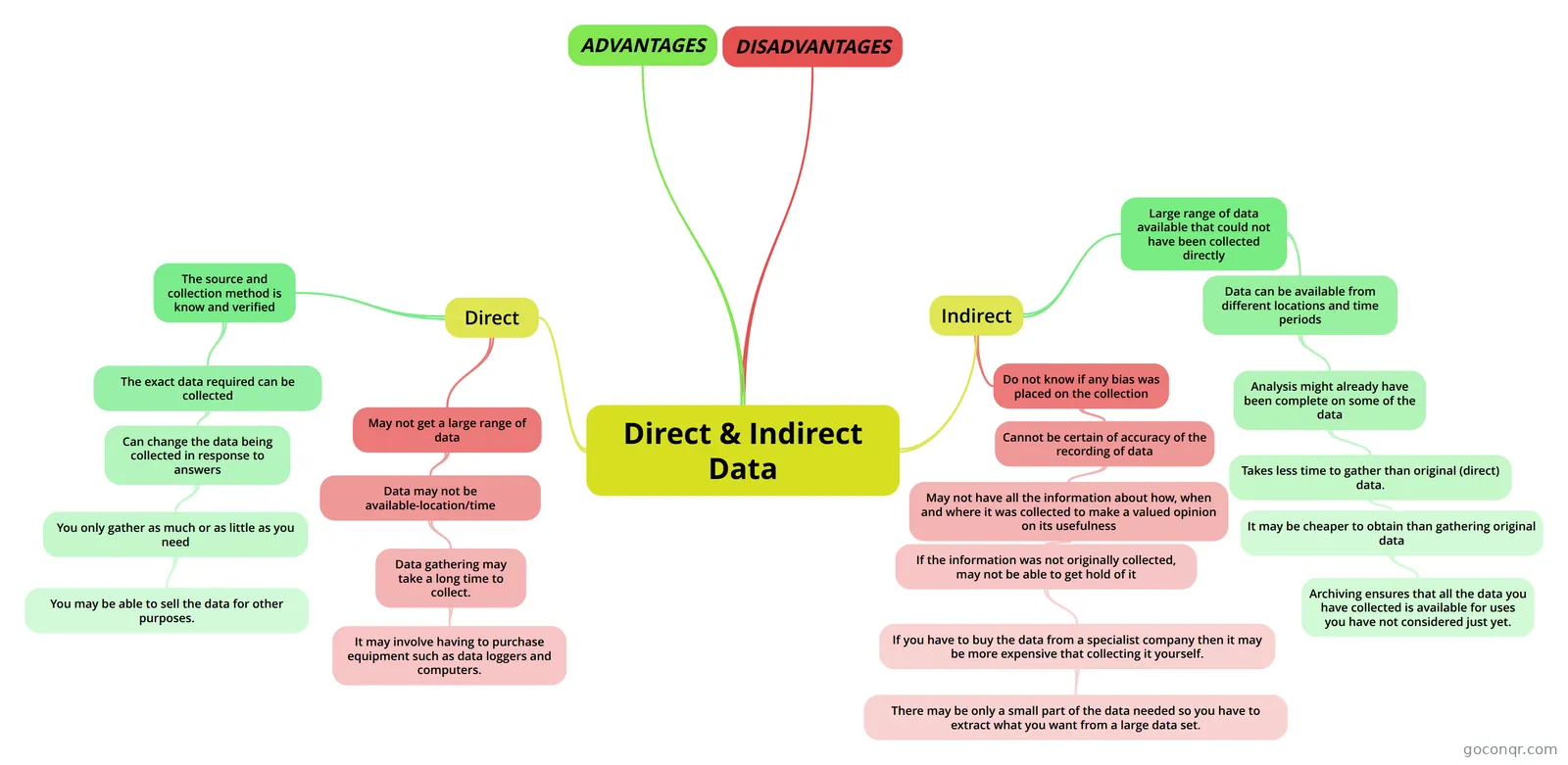 Direct & Indirect Data
-
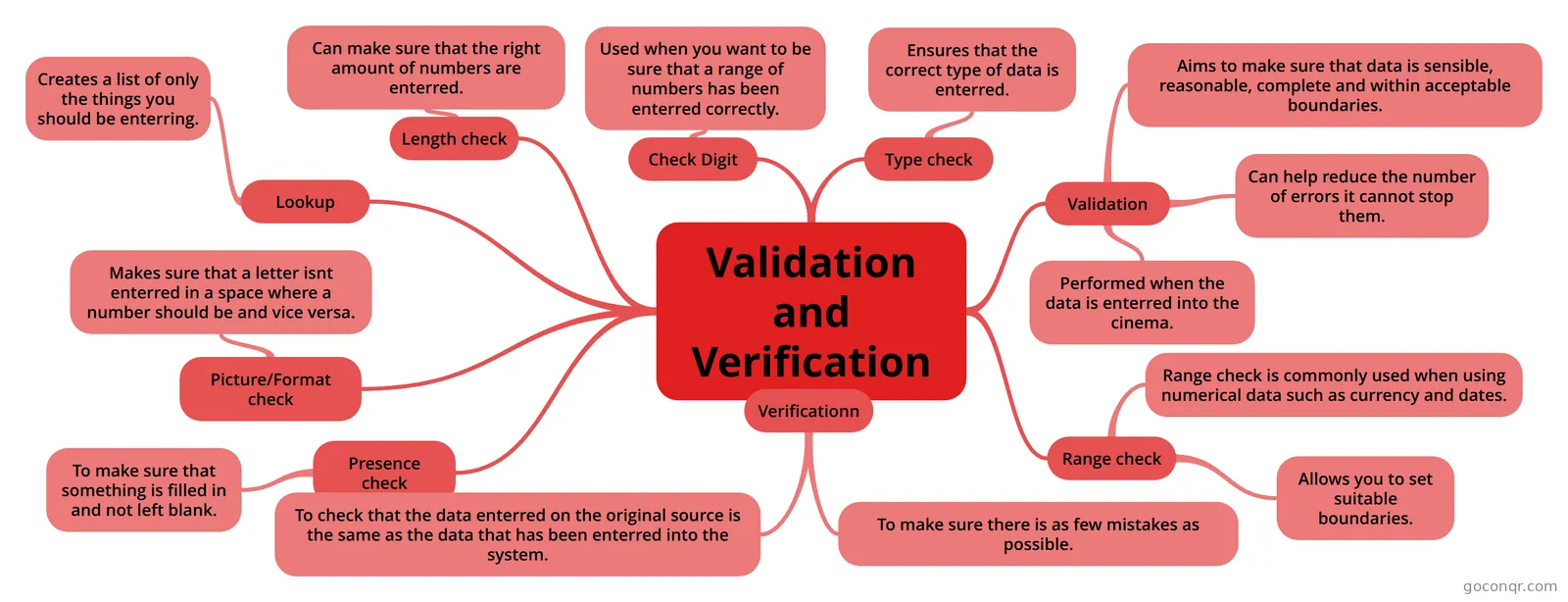 Validation and Verification
-
Validation and Verification
-
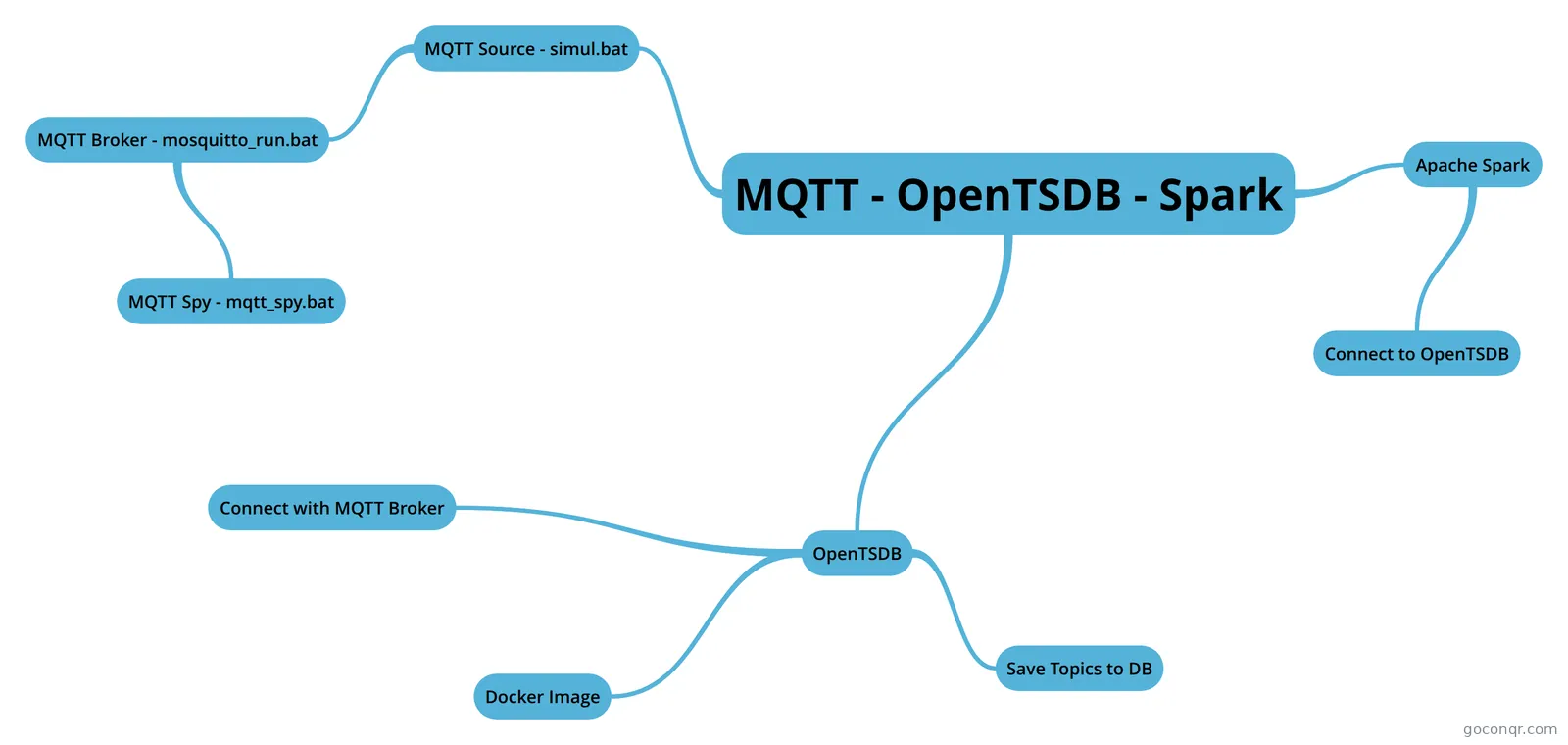 MQTT - OpenTSDB - Spark iosynth - github
-
Data, Information, Knowledge & Processing
-
Unit 1 - Digital Technology
-
Hadoop
-
ict revision
-
GCSE ICT UNIT 1
-
ICT- Chapter 1_2
-
Hadoop
-
Data, information, knowledge and processing_1
-
Data, information, knowledge and processing_2
-
Data, information, knowledge and processing_3
-
Data, information, knowledge and processing_4
-
Data, information, knowledge and processing_5
-
Data, information, knowledge and processing_6
-
Data, information, knowledge and processing_7
-
Data, information, knowledge and processing
-
PART 1: Research and Investigation
-
AS ICT chapter 1 of textbook
-
ICT - Unit IT1
-
FIA2 Part BB
-
Data, Information, Knowledge and Processing I - N
-
Chapter 1
-
Data exchange methods/systems
-
Purpose and types of Validation
-
IA3 Part 1
-
IA3 Data interfaces, structures and specifications
-
Chapter 1
-
Chapter 1 - Data, Information, Knowledge and Processing
-
Chapter 1
-
Backup & Recovery
-
Chapter 1 - Data, Info, Knowledge & Processing
-
Enter text here
-
INFO2.2
-
Data, information, knowledge and processing
-
Processing Methods
-
DATA_v1 For Mabel, Adeline and Hafizul. (and those people who also wanted to do some part of data for mindmap)
More Data, Information and Data Handling resources
About data, information and data handling mind maps
GoConqr OriginalUsing data, information and data handling mind maps
The maps on this page cover several parts of the unit. Data, Information, Knowledge & Processing brings those ideas together, while Direct & Indirect Data looks at sources and collection. Other maps focus on validation and verification, backup and recovery, or data portability.
Build a revision route
A data, information and knowledge map is a useful starting point because it connects the terms you will meet elsewhere in the collection. Follow its branches, then use a more focused map to revisit one topic. For example, compare the branches in the maps on validation and verification, or explore how the map on interactive processing describes communication between a user and a computer.
After studying a map, try recalling its main branches without looking. If you want to check a point in a different way, switch to a quiz or flashcards on the unit page. Choose a map and follow the connections that matter to your revision.
Frequently asked questions
Which mind map is a good place to start?
Data, Information, Knowledge & Processing is a useful starting point because it brings the main terms together in one map. Once you have followed its branches, you can move to a more focused resource, such as Backup and Recovery or Data Portability, depending on what you want to revise.
Are the mind maps free to use?
Yes. Every resource listed on this page is free to open and study without an account. The maps were made by GoConqr users, so their titles and approaches vary. You can look through the collection for a map that covers the topic you are working on.
What topics do these mind maps cover?
The collection includes maps on data sources, data quality, processing, validation and verification, backup and recovery, and data portability. Some bring several ideas together, while others concentrate on a single topic. The titles and excerpts on the page can help you identify a useful starting point.