
Data Structures mind maps
232 mind maps by 167 users · Page 1 of 6
This page gathers over 220 community-made Data Structures mind maps, covering topics from tuples and dictionaries to graphs and sorting. They support university students and professional candidates, school students and teachers practising or teaching these topics, with material spanning school to university level. Choose a map to start exploring.
Select topic
Mind maps
-
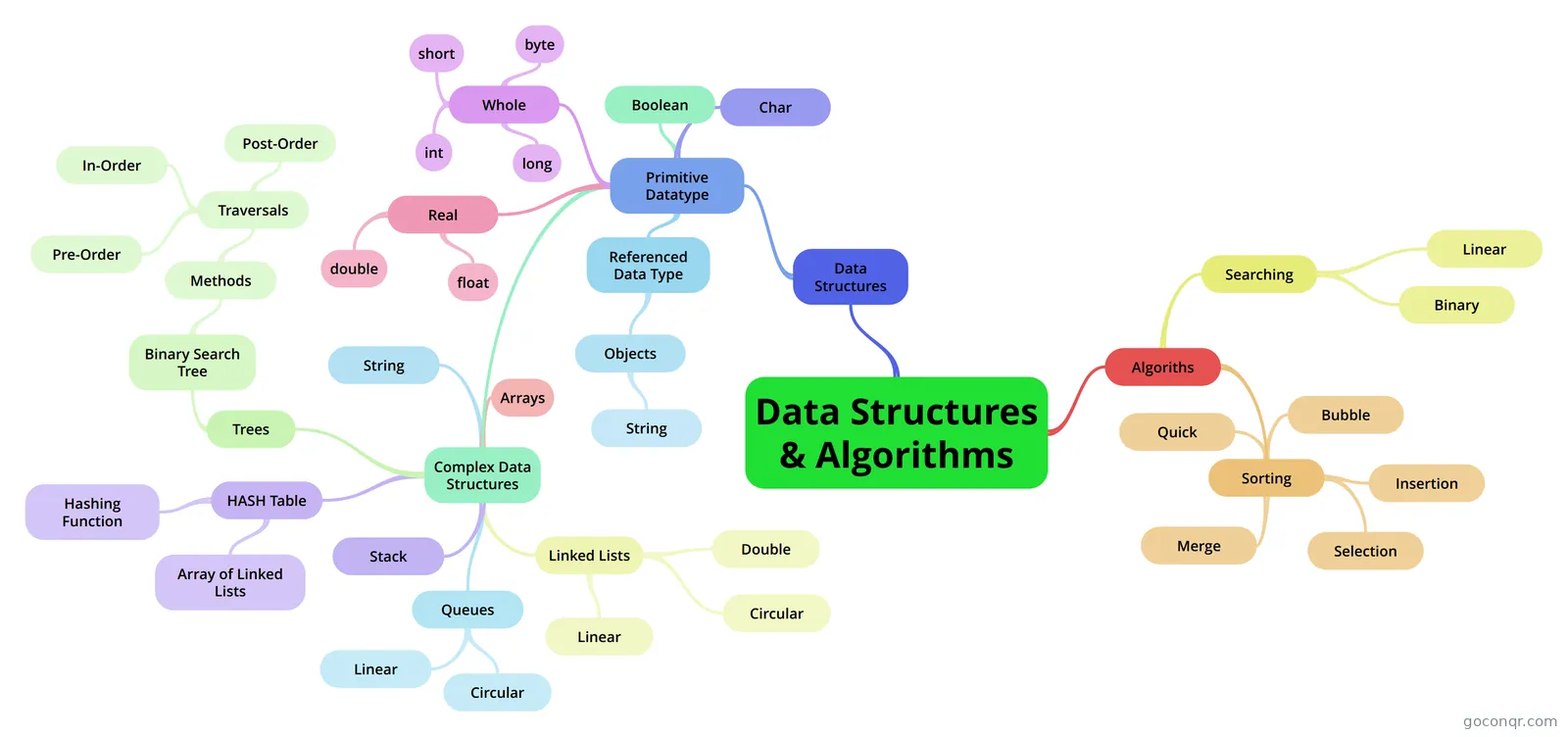 Data Structures & Algorithms
-
Python: Sequences Sequences in Python
-
Data Structures - Abstract Data Types This mind map entails all the Abstract Data Types for python.
-
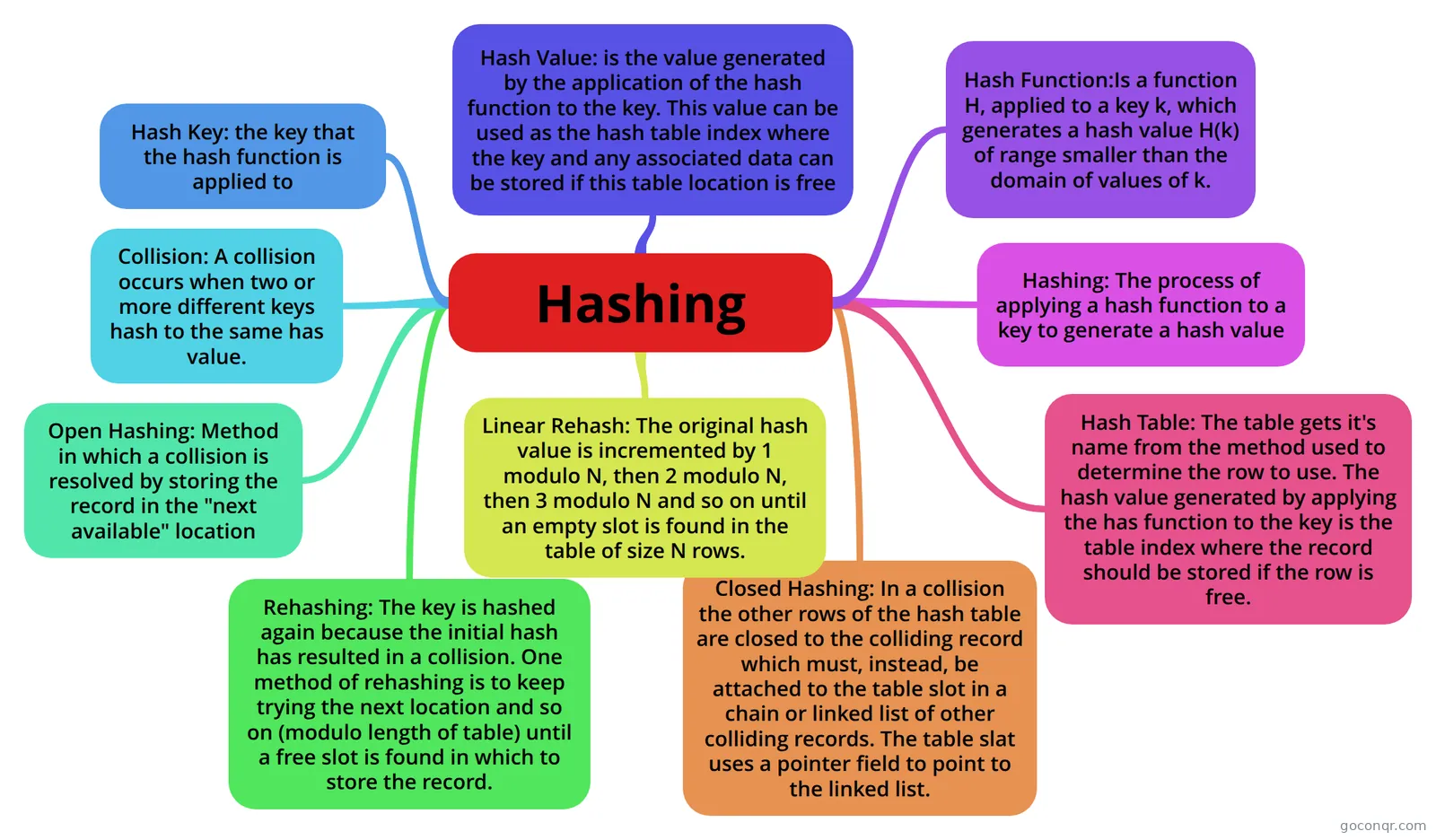 Hashing
-
Binary Tree
-
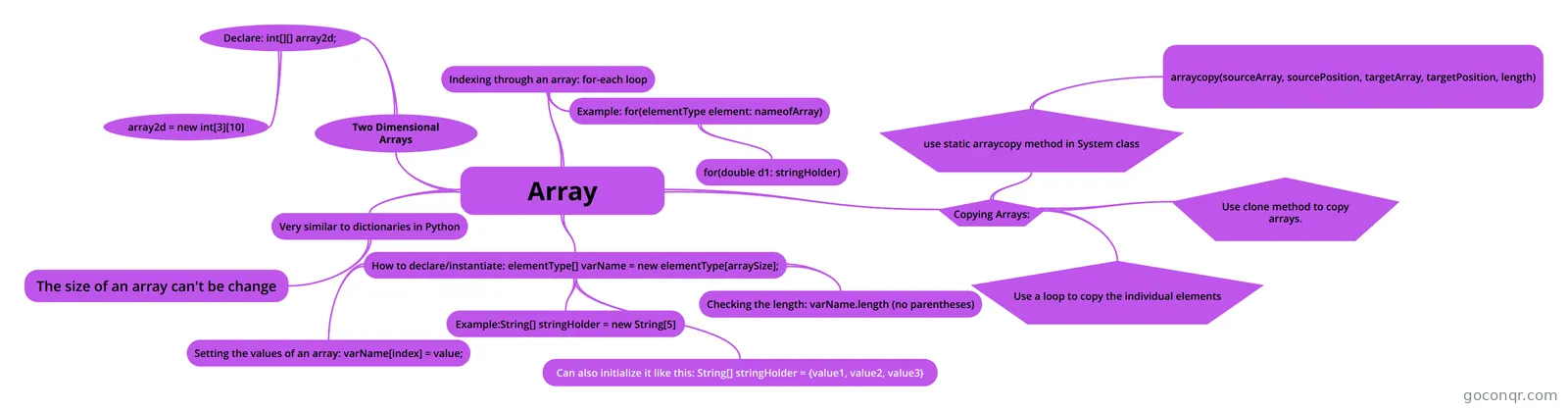 Array
-
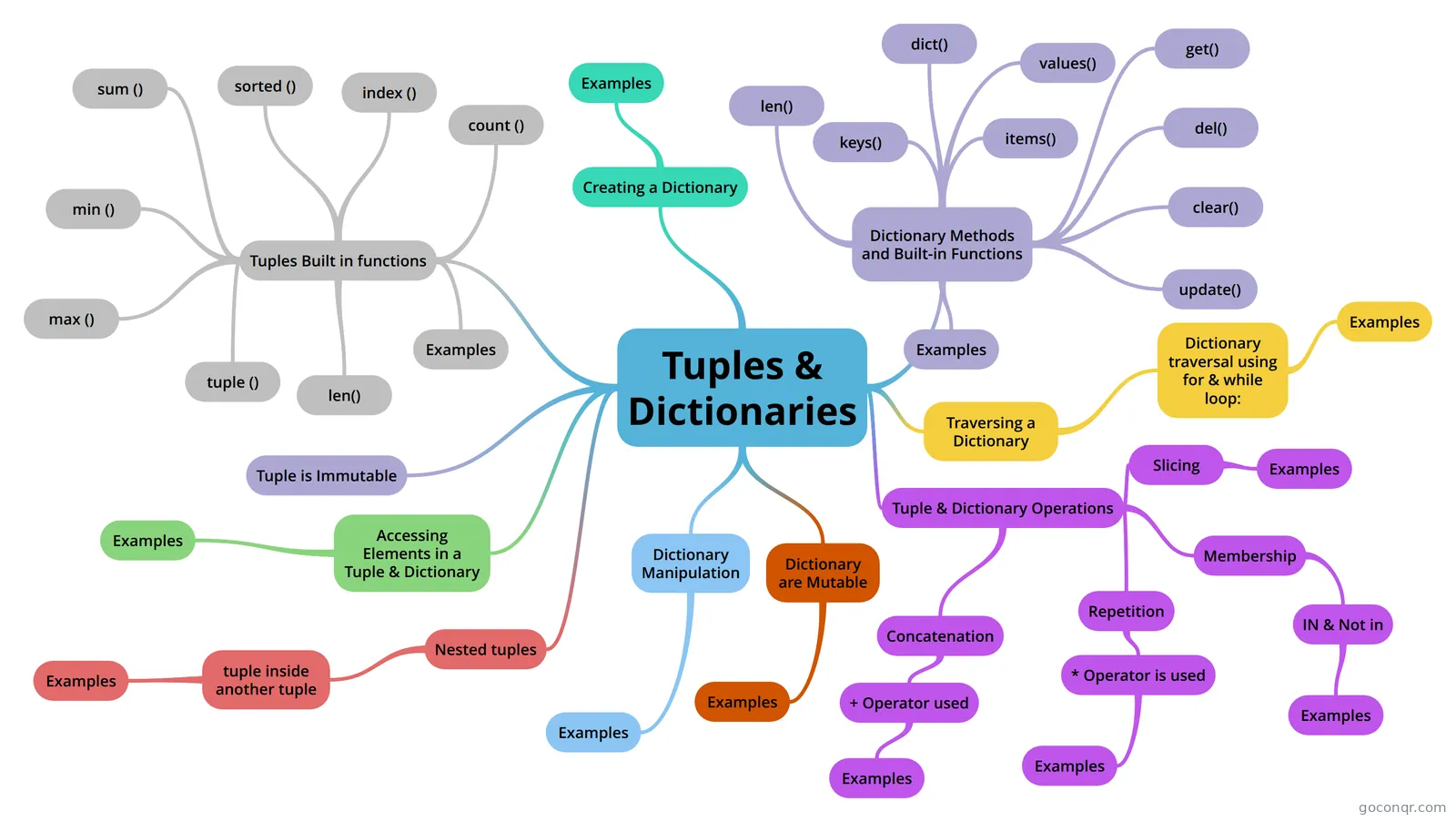 Tuples & Dictionaries
-
Graphs
-
MÉTODO Y RAZONAMIENTO EPIDEMIOLÓGICO
-
Data Structure
-
Data Structure
-
Data Structures Exam 2 Study guide for Data Structure exam with Ajnum Chida
-
Fundamental Data Structures
-
3.3.5: Data Structures and Data Manipulation Mind map for A2 Computing Master Mind Map *FINISHED*
-
Data Structures 2
-
Trees
-
STACKS
-
Data structures
-
Linked Lists - Class and Node Operations
-
Heaps and Heapsort
-
IA3 Mind Maps
-
Alg-Cats
-
Linear Data Structures
-
drugs used in surgery
-
Dictionaries
-
one dimensional array
-
Data Structures
-
multidimensional arrays
-
multidimensional arrays
-
Binary Trees
-
TREE DATA STRUCTURE
-
Graphs
-
Binary Trees
-
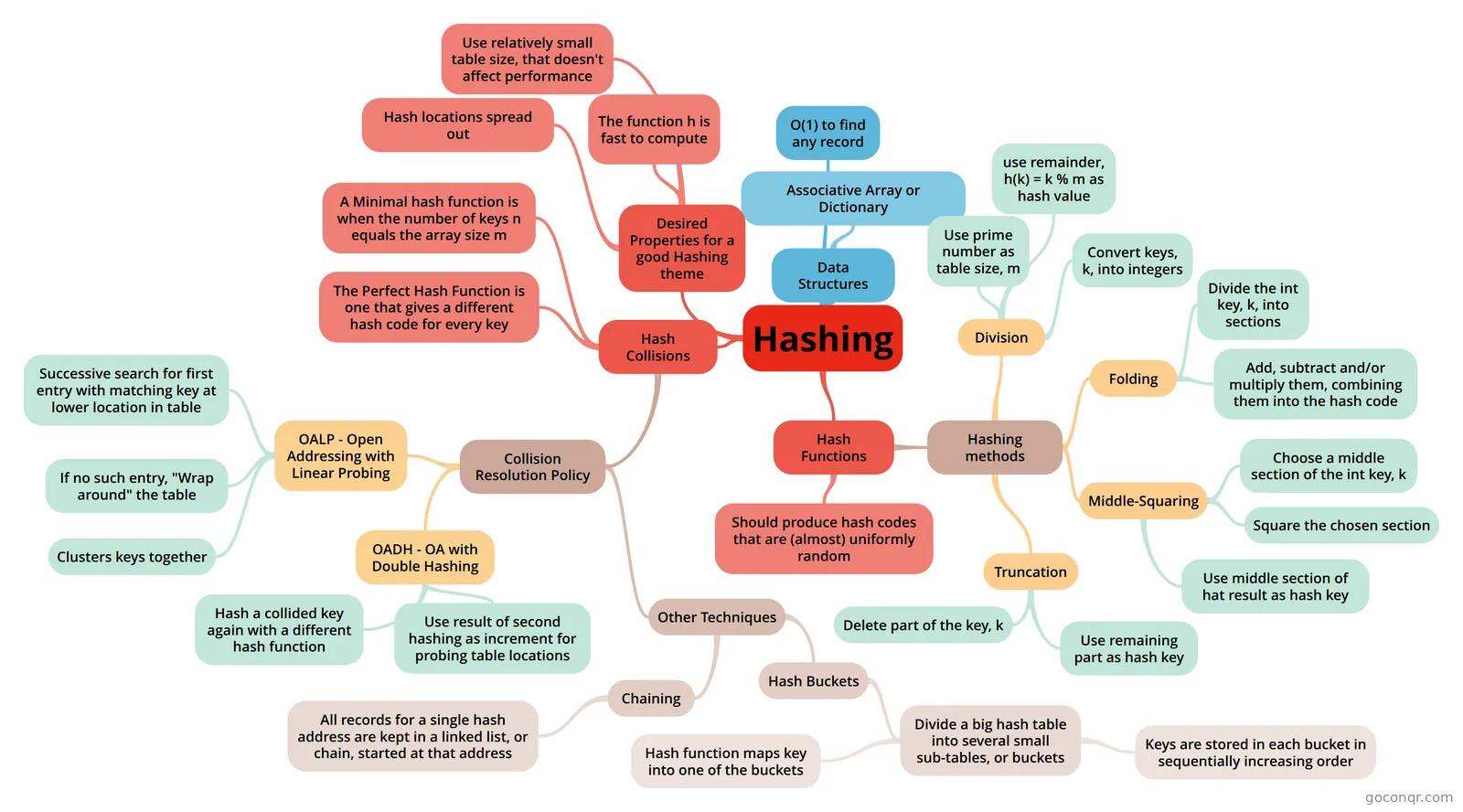 Hashing
-
C++
-
Binary Search Trees 1
-
Binary Search Trees 2
-
Linked lists, arrays and queues
-
Binary Search Tree
-
graphs
More Data Structures resources
About data structures mind maps
GoConqr OriginalWhat Data Structures mind maps cover
These maps present different topics in connected branches. Python: Sequences brings together strings, lists, tuples and sets. Graphs introduces nodes and edges, while Sorting includes insertion sort, mergesort and selection sort.
For a starting point, Data Structure and Algorithms brings several topics into one map, including lists, trees, stacks and queues. It can help you choose a branch to explore in more detail. The Linked Lists map then focuses on nodes and dynamic memory.
Revise with a map
Follow a branch, then try to describe its connections without looking. Return to the map to check what you missed. When you want to check recall in another way, switch to a quiz on the unit page; flashcards can help you revisit definitions.
Pick a branch that interests you and follow it through a map.
Frequently asked questions
Which mind map could I start with?
Data Structure and Algorithms is a useful starting point if you want to see several topics together. It includes lists, stacks, queues and trees. If you already have a topic in mind, you could go straight to a more focused map such as Graphs or Linked Lists.
What do the mind maps cover?
The maps cover a range of topics within the unit. Python: Sequences brings together strings, lists, tuples and sets. Graphs covers nodes and edges, while Sorting includes several sorting methods. There are also maps on hashing, arrays, binary trees, stacks and queues.
Are the mind maps free to use?
Yes. Every resource listed here is free to open and study without an account. The maps were made by GoConqr users, not by GoConqr. A free account also lets you save quiz scores and make your own quizzes, mind maps, flashcards and notes.