
Integumentary System mind maps
116 mind maps by 94 users · Page 1 of 3
This Integumentary System page gathers mind maps on skin layers, tissue membranes, nails and glands. It supports university students practising anatomy and teachers looking for ready-made material. There are over 110 mind maps, made by more than 90 GoConqr users, with a focus on university-level study. Pick a map to begin.
Mind maps
-
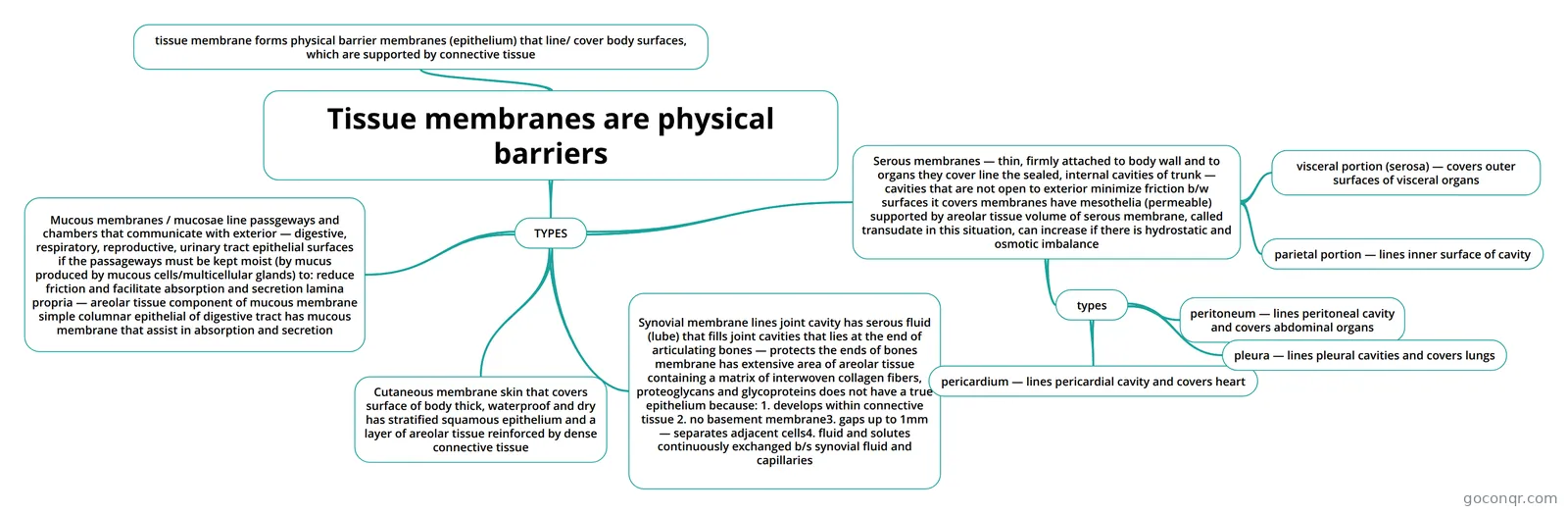 Tissue membranes are physical barriers chapter 4
-
Integumentary System
-
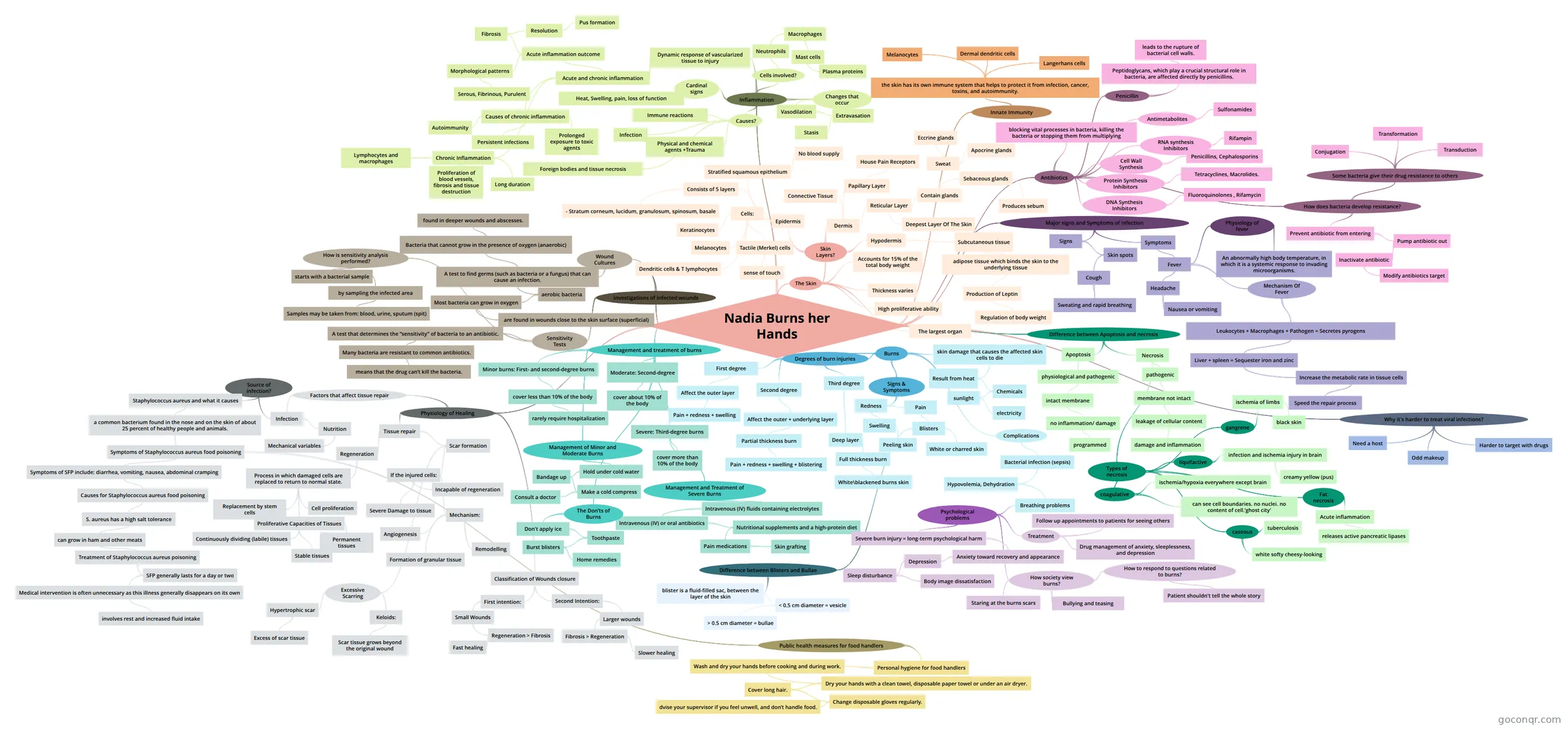 Nadia Burns her Hands
-
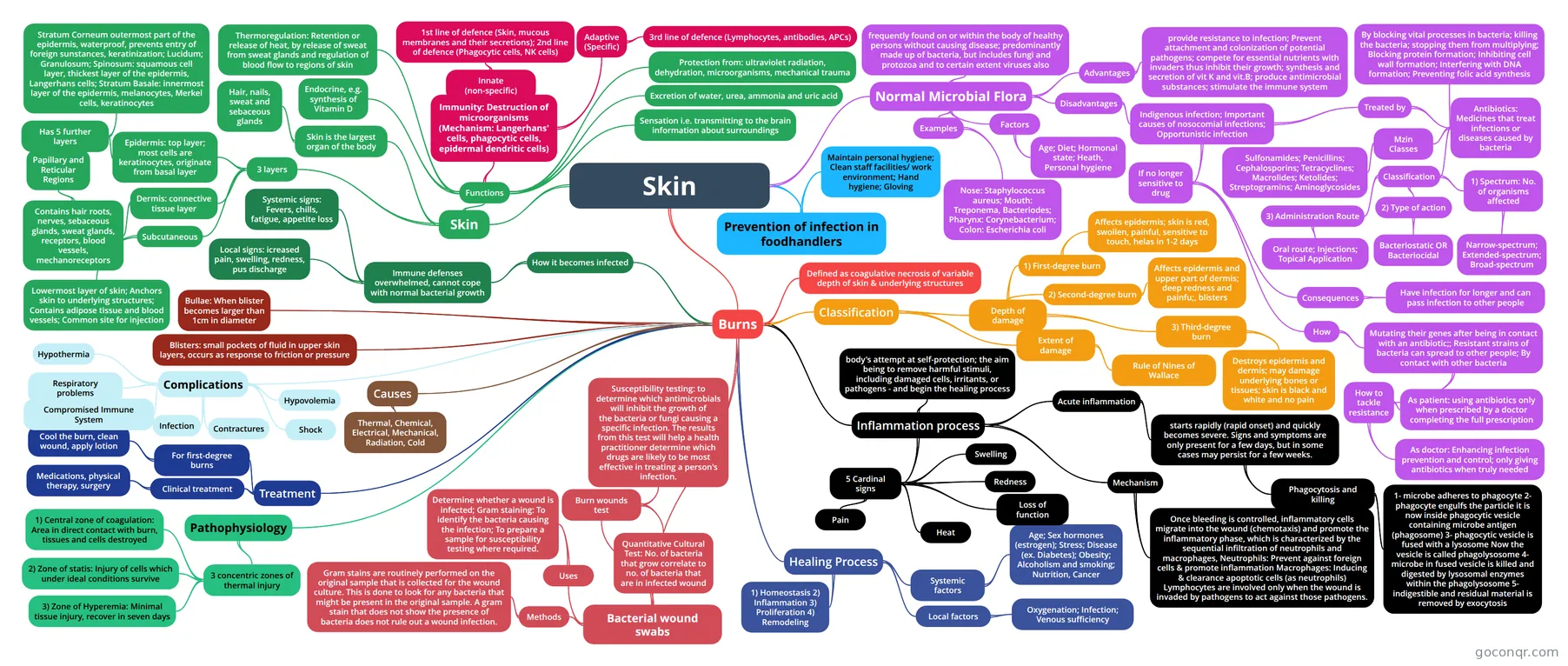 Skin
-
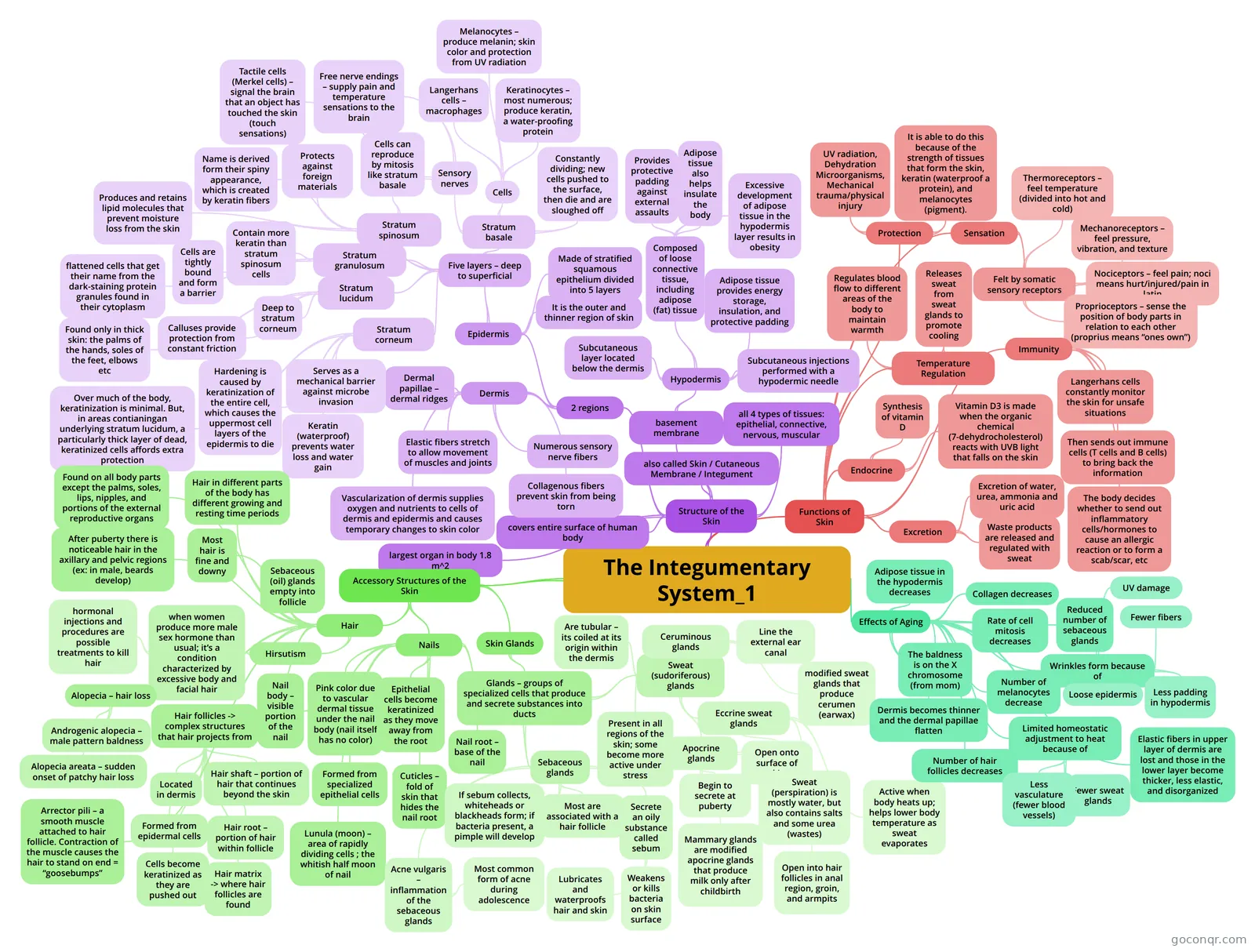 The Integumentary System_1
-
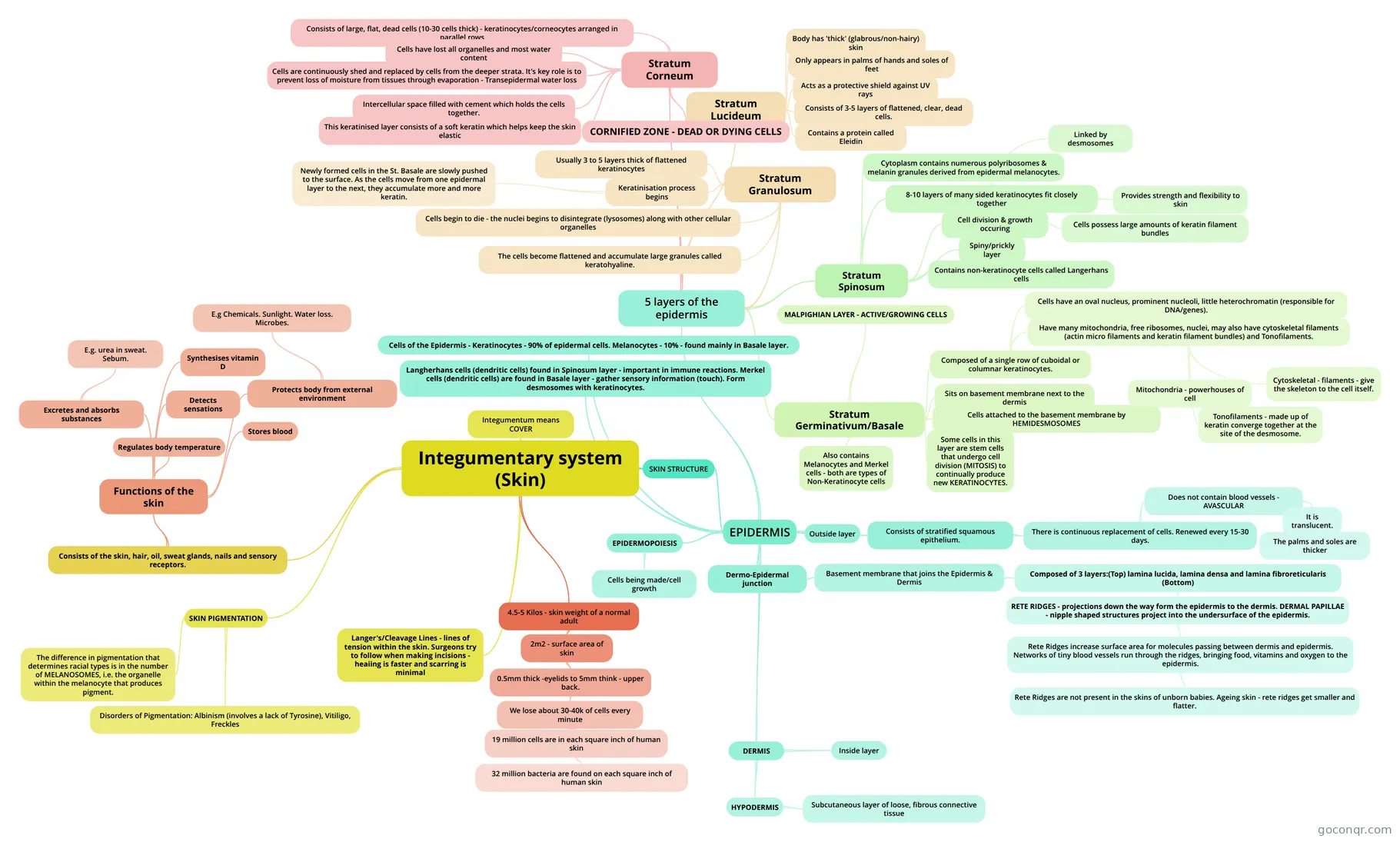 Integumentary system (Skin)
-
Integument
-
Module 2 - Skin
-
Structure of Skin
-
integumentary system
-
The Integumentary System
-
A 20 year old women with an ulcer
-
A 20 year old women with an ulcer
-
Integumentary system (Skin)
-
Integumentary System
-
Integumentary System SKIN
-
Nadia burns her hand
-
Integumentary system
-
The Integumentary system
-
INTEGUMENTARY SYSTEM
-
Integumentary system lecture
-
The skin
-
Epidermis
-
Cutaneous Glands
-
The Integumentary System
-
Skin Anatomy and Physiology
-
Nadia burns her hand
-
Skin/integument system
-
Skin
-
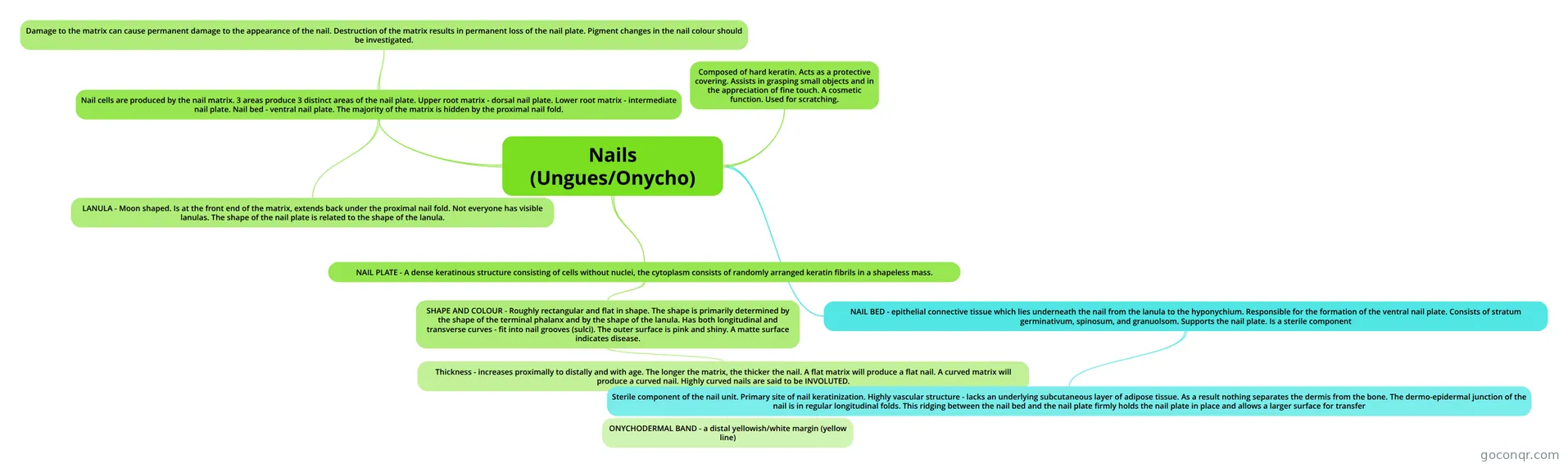 Nails (Ungues/Onycho)
-
Dermis
-
Concept map of the integumentary system
-
J Chapter 12: Skin
-
skin- integumentary system and health
-
Week 4 - Integumentary System
-
SKIN
-
Integumetary
-
Nadia burns her hand
-
Integumentary System
-
Layers of the Skin
More Integumentary System resources
About integumentary system mind maps
GoConqr OriginalUsing integumentary system mind maps
Start with Structure of Skin to follow the branches on the epidermis and its cells. Then open Layers of the Epidermis for a closer look at the layers. Comparing the branches can help you organise the terms you want to revisit.
For a different angle, Tissue membranes are physical barriers covers membranes that line or cover body surfaces. Skin's Accessory Structures offers another route into the material, while Integumentary System includes branches on hair, nails, glands and skin colour.
Move between formats
Work through a map one branch at a time, then try explaining the connections without looking. Return to the map to check what you missed. When you want to practise recall rather than follow connections, switch to flashcards or a quiz on the unit page. Choose a branch and explore it in a map.
Frequently asked questions
Which mind map should I start with?
Start with Structure of Skin if you want to focus on the epidermis and its cells. For a broader set of branches, Integumentary System covers skin layers, colour, hair, nails and glands. You can move between the maps as you identify terms you want to revisit.
Are these mind maps free to use?
Yes. Every resource listed here is free to open and study without an account. A free account also lets you make your own mind maps, quizzes, flashcards and notes, and save your quiz scores. The listed resources were made by GoConqr users.
What topics do the mind maps cover?
The maps cover skin layers, tissue membranes, hair, nails and glands. Layers of the Epidermis focuses on the epidermis, while Tissue membranes are physical barriers looks at membranes that line or cover body surfaces. The page gives university students and teachers several ways to approach these topics.