
Introduction to Physiotherapy, Rehabilitation and the ICF
11 resources created by 9 users
This Introduction to Physiotherapy, Rehabilitation and the ICF page on GoConqr gathers community-made flashcards, quizzes and mind maps, from wound healing and amputee care to the ICF model and the biopsychosocial approach. It's built for university students and professional candidates practising recall and clinical reasoning, and for teachers after ready-made material. There are over 140 resources here, including more than 90 mind maps, 30 flashcard decks and 12 quizzes. Pick a deck or a map, then test yourself with a quiz.
Top Introduction to Physiotherapy, Rehabilitation and the ICF resources
-
17 cardsPHS302 - MSK Development and Assessment in Children what is the normal development of ULs and LLs from 8/52 gestation?
-
10 questionsPhysical Therapy Quiz, from Spine & Sport Sitting still for long periods of time is generally good for a person's back and can help reduce back pain.
-
4 cardsPhysiotherapy Flashcards What are 3 common injuries that are treated with physiotherapy?
-
24 questionsPTP2 - APTA History Which of the following happened in the 1920s?
-
24 cardsTherapeutic Exercise
-
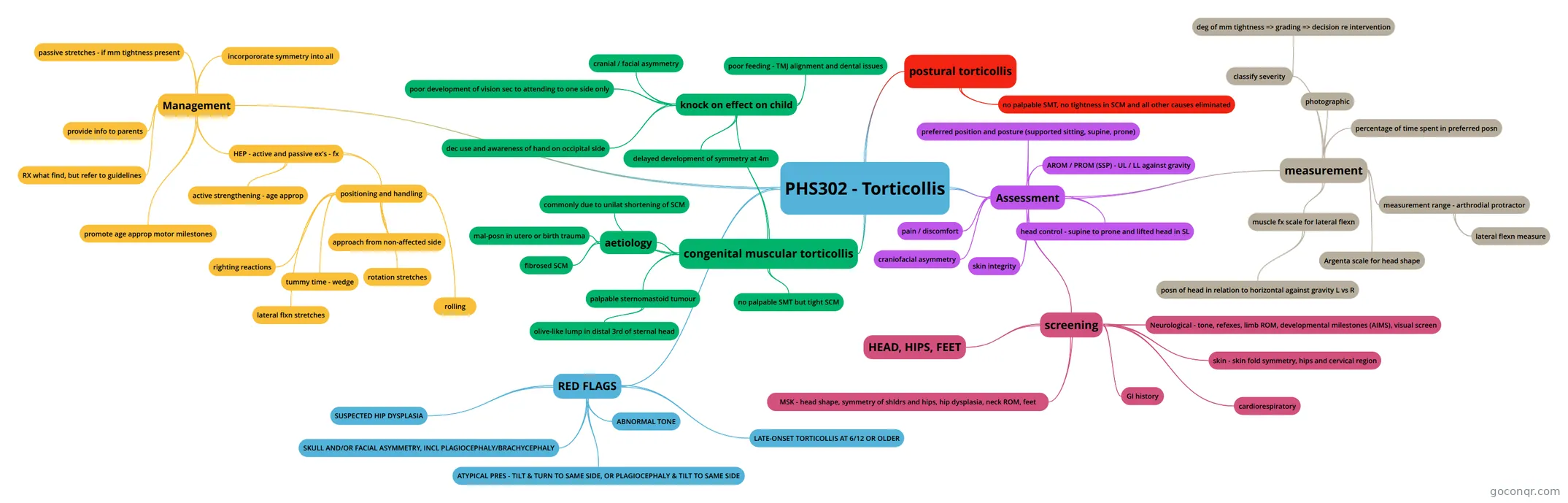
Mind map Most Common Conditions in Physiotherapy ingles tecnico 2
-
14 cardsNon-pharma interventions and rehabilitation What different types of non-pharmacological interventions can you offer someone with MSK disease
-
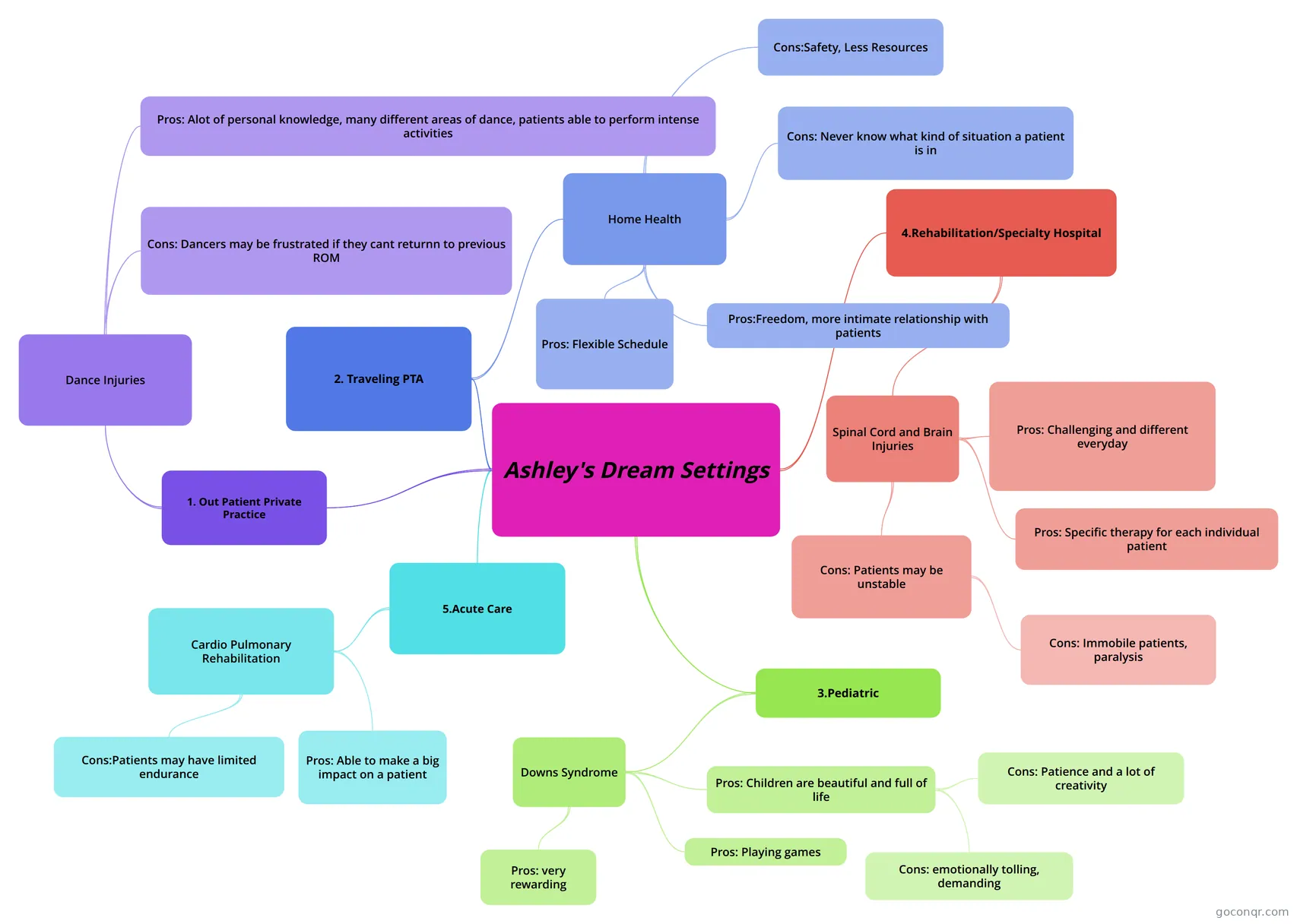
7 questionsPractice Settings Select the appropriate Goal, Treatment, and Length of Stay for an Acute Care Hospital.
Quizzes
-
10 questionsPhysical Therapy Quiz, from Spine & Sport Sitting still for long periods of time is generally good for a person's back and can help reduce back pain.
-
24 questionsPTP2 - APTA History Which of the following happened in the 1920s?
-
7 questionsPractice Settings Select the appropriate Goal, Treatment, and Length of Stay for an Acute Care Hospital.
Mind maps

Flashcards
-
17 cardsPHS302 - MSK Development and Assessment in Children what is the normal development of ULs and LLs from 8/52 gestation?
-
4 cardsPhysiotherapy Flashcards What are 3 common injuries that are treated with physiotherapy?
-
24 cardsTherapeutic Exercise
-
14 cardsNon-pharma interventions and rehabilitation What different types of non-pharmacological interventions can you offer someone with MSK disease
More Physiotherapy and rehabilitation topics
About Introduction to Physiotherapy, Rehabilitation and the ICF
GoConqr OriginalWhat this unit covers
This page sits in the strand Foundations of Physiotherapy and Professional Practice, within the subject Physiotherapy and rehabilitation. It starts with what physiotherapy is and moves out to conditions, settings and the ICF framework. Most of what you will find is aimed at university study and professional preparation.
Where to start
Begin with the big picture. The mind map 11.1 // The purpose of physiotherapy and the one called Goals of Rehabiliation set out what the profession is for. Then open the ICF mind map and the ICF Foundations flashcards to learn how functioning and disability are classified. Chapter 1 - Concepts of Rehabilitation gives you a further deck on the same ground.
Conditions and treatment
- Conditions: several maps are called Most common conditions in Physiotherapy, and others cover shoulder pain, radiculopathy and respiratory physiotherapy.
- Specific care: the Amputees map covers causes, classification, pre-op and early post-op management, grieving stages and prostheses.
- Healing: one deck covers the stages of wound healing, plus assessment of pain, oedema and scarring.
- Models of care: a two-part mind map on the biopsychosocial model sets out the shopping basket approach, beginning with biomedical factors.
Using quizzes and maps together
Read a map first, then close it and try a quiz. The Physical Therapy Quiz, from Spine & Sport is a light true-or-false way in. PT Board Exam Practice Questions is harder and includes paediatric developmental milestones. Practice Settings and Phases of Healing / Rehab suit shorter sessions. Note what you got wrong, then go back to the matching map or deck.
For teachers and for your own revision
Teachers can set a map as pre-reading and a quiz as a starter. All of it was made by GoConqr users, so check it against your own course materials. Pick one resource today, work through it, and see what you can recall.
Frequently asked questions
Which resource should I open first?
Start with the mind maps on the purpose of physiotherapy and the goals of rehabilitation, then the ICF mind map. They give you the framework that the condition-based decks and quizzes build on. After that, choose a quiz to see what has stuck.
What do the mind maps on this page cover?
There are over 90 mind maps. They range from the ICF model and the biopsychosocial shopping basket approach to amputees, traumatic brain injury, shoulder pain, radiculopathy and respiratory physiotherapy. Others look at practice settings, ethics and becoming a rehab professional.
Are the resources free to use?
Yes. Every resource listed here is free to open, study and take, with no account needed. They were made by GoConqr users, not by GoConqr itself, so it is worth checking them against your course notes.
Who are these resources for?
Mostly university students and professional candidates, who can use them for recall, practice questions and clinical reasoning. Teachers can also use them as ready-made material. One listed resource mentions the EPQ, but most of the content is at university and professional level.
Which quizzes are there?
There are over 10 quizzes. Examples include the Physical Therapy Quiz, from Spine & Sport, PT Board Exam Practice Questions, Practice Settings, and Phases of Healing / Rehab. Some are short true-or-false checks, while others are longer practice sets.
What if I can't find the topic I need?
Try the neighbouring decks and maps, since topics often appear inside broader ones. You can also make your own quizzes, mind maps, flashcards and notes with a free account, which also saves your quiz scores.