
Invertebrates flowcharts
23 flowcharts by 18 users
This Invertebrates page gathers over 10 community-made flowcharts, from honey-making and butterflies to sponges and molluscs. School students and university students can practise following processes and classifications, while teachers can find material to use; the selection includes some for primary pupils. Pick a flowchart to explore.
Flowcharts
-
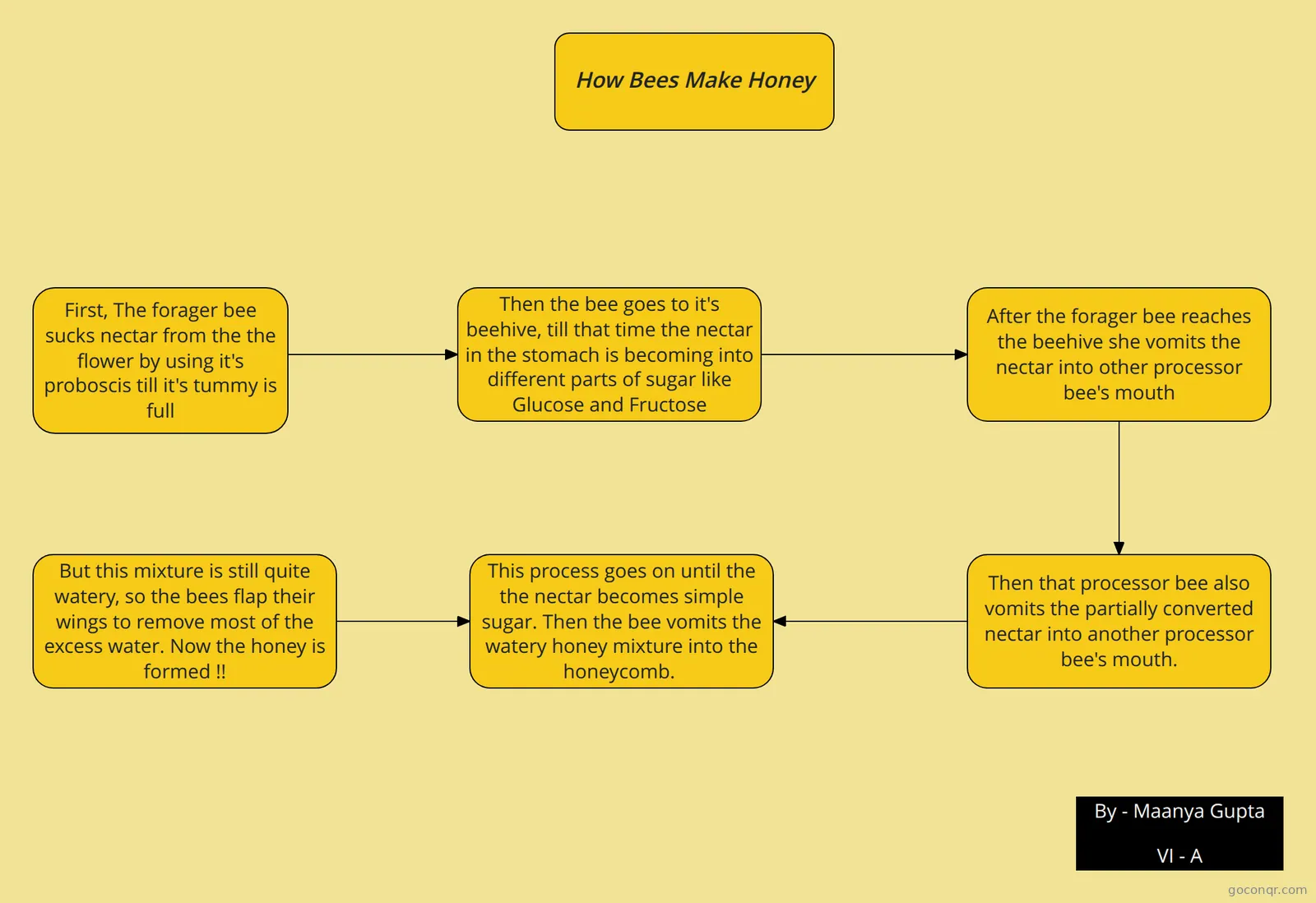 How Bees make Honey A flowchart on how honeybees make honey Maanya Gupta
-
Lower Invertebrates
-
Untitled
-
Invertebrates Chapter 11
-
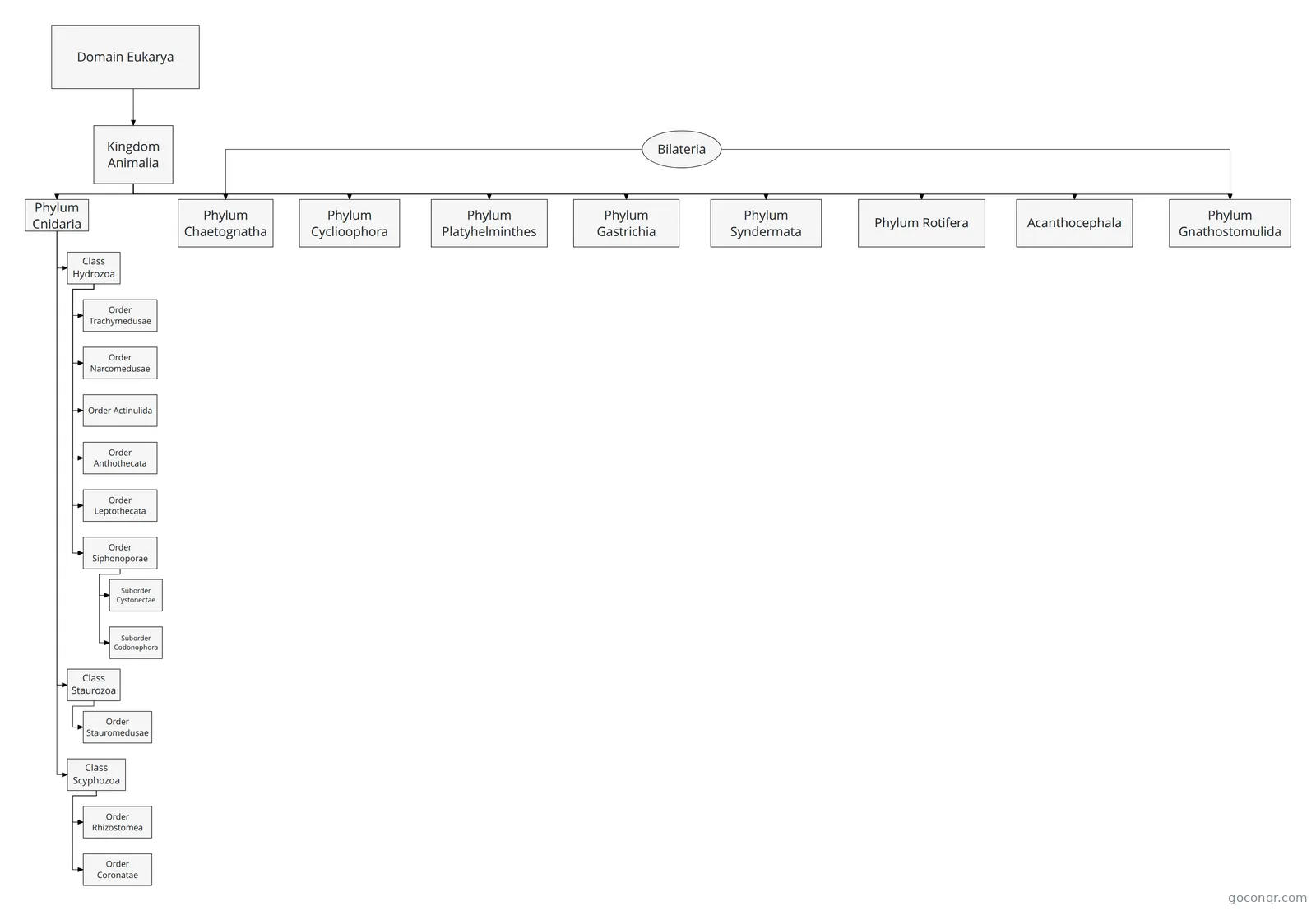 Inverts Exam 2 Taxonomy taxonomy for exam 2 in marine inverts
-
Monarch butterfly
-
Invertebrates Chapter 11
-
UNIT 1. INVERTEBRATES.
-
BY 124 Exam 2 Concept Map
-
how do bees make honey by unknown VI - A
-
cnidaria taxanomy
-
How honey bees make honey.
-
Mollusca classification test
-
Anatomy
-
Untitled
-
Untitled
-
Untitled
-
Malacology
-
Malacology
-
DIAGRAMA DE CNIDARIANS
-
Echinodermata
-
INSECTS 1ºA
-
Untitled
More Invertebrates resources
About invertebrates flowcharts
GoConqr OriginalUsing invertebrates flowcharts
These flowcharts offer different ways into the unit. One follows how bees make honey; another describes the monarch butterfly and its taxonomy. Lower Invertebrates includes a section on sponges, while Malacology sets out groups and examples of molluscs.
For a starting point, try Lower Invertebrates if you want to focus on sponge characteristics. If you would rather follow a process, the honey-making flowchart takes you through the steps. For classification, Echinodermata and Malacology give you groups to trace through.
From flowchart to recall
Follow the connections in a chart, then cover it and see how much of the sequence or classification you can recall. Return to the chart to check anything you missed. When you want to test your recall in a different way, switch to a quiz or flashcards on the unit page.
Choose a chart and trace one section at your own pace.
Frequently asked questions
Which flowchart is a good place to start?
Lower Invertebrates is a useful starting point if you want to concentrate on sponges. It sets out characteristics, habitat and nutrition. If you prefer a process rather than a group of animals, the flowchart on how bees make honey follows the journey from collecting nectar.
What do the flowcharts cover?
The selection includes honey-making, the monarch butterfly, sponges and classifications of invertebrate groups. Malacology lists mollusc groups and examples such as oysters, mussels and scallops. Echinodermata presents a classification, while another flowchart brings together groups including worms, molluscs and arthropods.
Are these flowcharts free to use?
Yes. Every resource listed here is free to open and study without an account. The flowcharts were made by GoConqr users. A free account can also save quiz scores and let you make your own quizzes, mind maps, flashcards and notes.