
Mapa mental
ROCKS
Contenido del mapa
ROCKS
IGNEOUS ROCKS
- CLASSIFYING
- Texture
- Rough or smooth
- Size and shape of crystals
- Air bubbles or any other observable features
- Colour
- Dark Coloured (Mafic)
- Olivine
- Pyroxene
- Light coloured (Felsic)
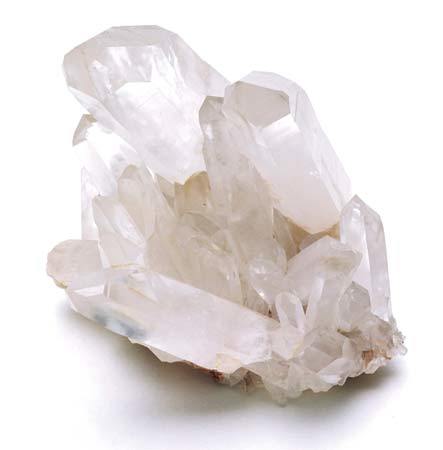
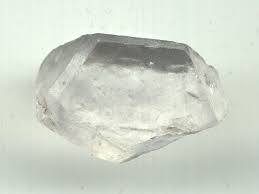
- Quartz
- Feldspar
- Dark Coloured (Mafic)
- Texture
- HOW ITS FORMED
- Extrusive Igneous Rock
- no time for crystals to grow
- small or no crystals formed
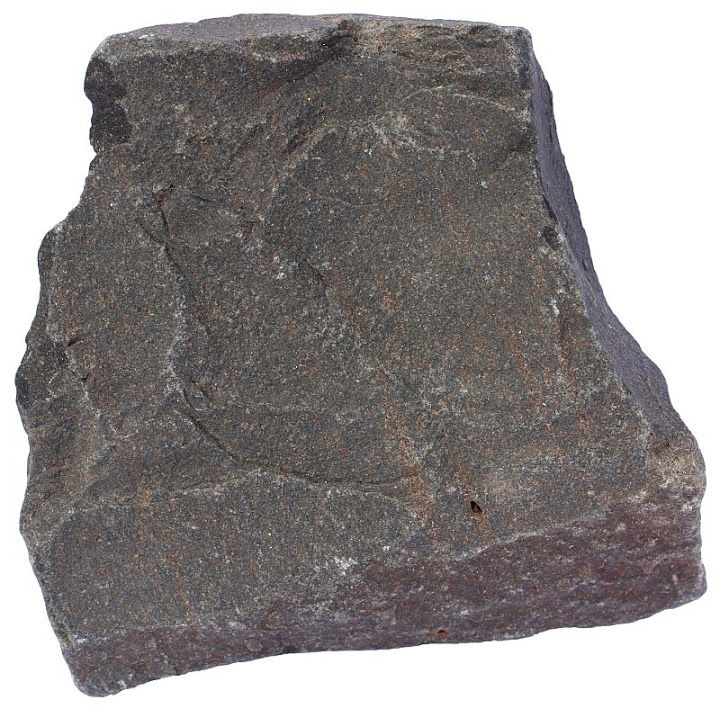
- Basalt (small visible crystals)
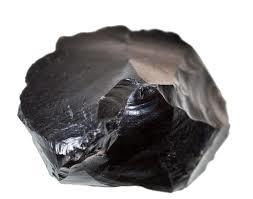
- Obsidian (No visible crystals)
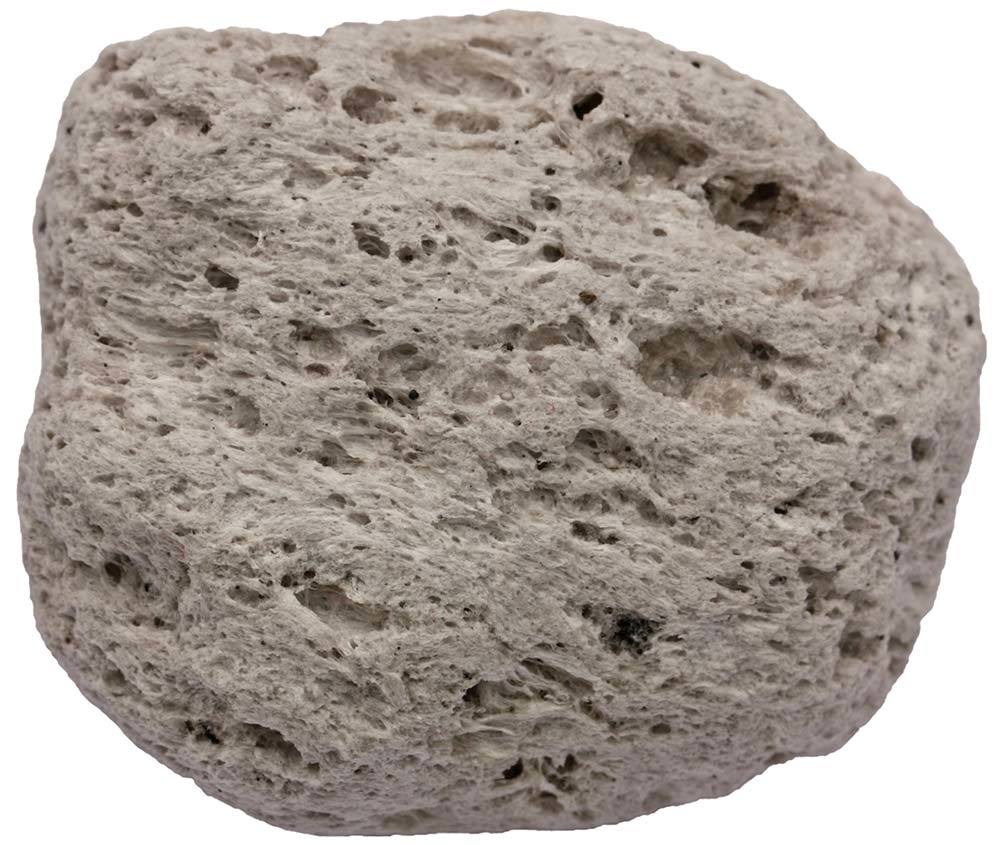
- Pumice (Low density, doesn't absorb water)
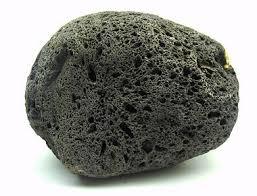
- Scoria (Dark, more dense)
- small or no crystals formed
- no time for crystals to grow
- Intrusive Igneous Rock
- Time for crystals to grow
- Big crystals are formed
- Quartz
- Feldspar
- Biotite
- Big crystals are formed
- Time for crystals to grow
- Extrusive Igneous Rock
- CLASSIFYING
SEDIMENTARY ROCKS
- Overlying layers of sediment compact the sediments and force out excess water.
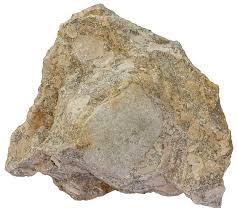
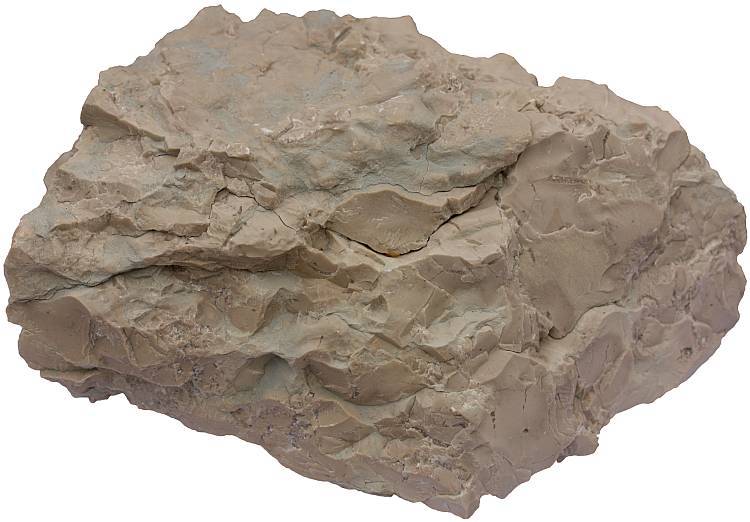
- Clastic Sedimentary Rock
- Formed when sediments are laid down by wind, water, ice and gravity
- Contain broken pieces of other rocks known as clasts
- Layers are stacked and build up on top of each other as they are deposited
- Grains don't interlock because they didn't crystallise and grow together in the rock, they are cemented instead.
- May contain fossils (preserved remains of animals or plants)
- Classified according to size and nature of rock grains and chemical composition of cement
- Examples of Clastic Sedimentary Rocks
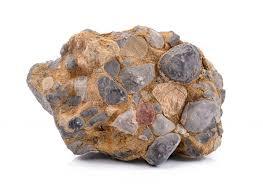
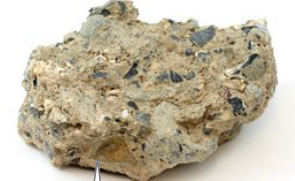
- Conglomerate (large rounded rocks cemented between grains that are often microscopic)
- Breccia (similar to conglomerate but lumps are sharp-edged)
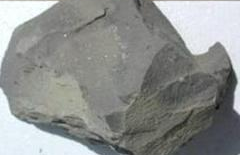
- Mudstone (particles often microscopic, very soft rock)
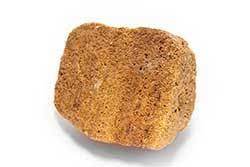
- Sandstone (particles of sand, usually harder than mudstone)
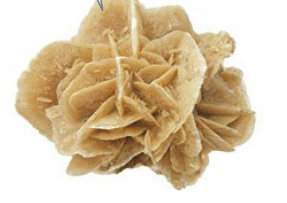
- Chemical Sedimentary Rock
- Form when minerals dissolved in groundwater crystallise within the sediments or when water evaporates leaving behind crystals
- Quite soft, helps distinguish them from harder igneous rocks
- Examples of Chemical Sedimentary Rock
- Halite
- Gypsum
- Limestone
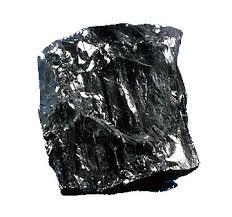
- Biogenic Sedimentary Rock
- Form when dead plant matter or animal remains accumulate and cement together
- Mostly organisms but contains small amounts of sediments
- Can be layered and are usually soft
- Examples of Biogenic Sedimentary Rock
- Coal
- Chert
- Flint
- Clastic Sedimentary Rock
- Overlying layers of sediment compact the sediments and force out excess water.
Imágenes y archivos del mapa
Información
- Descripción
- Mapa Mental sobre ROCKS, creado por Hamideh Mirzad el 29/10/2017.
- Creado por
- Hamideh Mirzad
- Visitas
- 106
- Valoración