
Mapa mental
Public Speaking
Contenido del mapa
Public Speaking
Communication
- sender/ speaker
- message
- receiver/ listener
- 3 Benefits
- Personal
- Professional
- Social
- Process
- People
- Frame of Reference: sum of a person's knowledge, experience, goals, values and attitudes
- Messages
- verbal / non- verbal
- Channel
- Interference
- internal / external
- Feedback
- verbal / non-verbal
- Context
- comm. happens here
- People
- 3 Models
- Actional
- Interactional
- Transactional
- most effective
Developing Confidence
- Communication Apprehension: an individual's fear or anxiety associated w/ real or anticipated comm. w/ others commonly known as being nervous
- 3 Causes:
- Heredity
- Learned
- Skills Deficit
- Self Awareness: occurs when you begin to reflect on your perceptions of yourself and on the perceptions of other
- Self Concept: how you see yourself
- Self Image: self description
- Self Esteem: worth
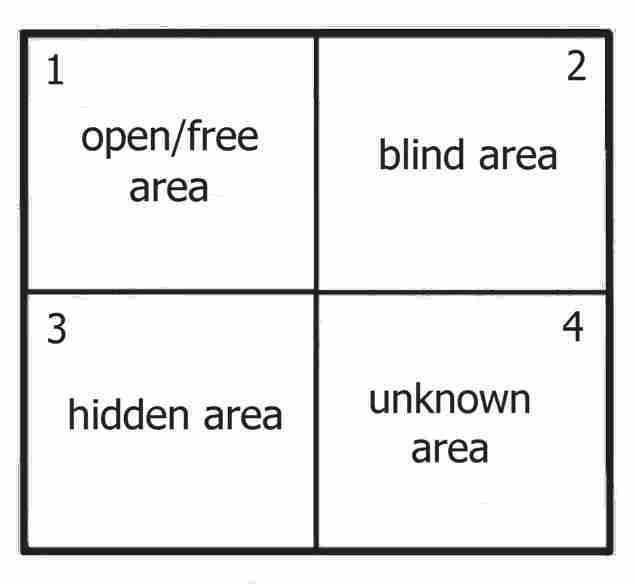
- Jahari Window
- Self Concept: how you see yourself
- Self Awareness: occurs when you begin to reflect on your perceptions of yourself and on the perceptions of other
- 3 Causes:
- Communication Apprehension: an individual's fear or anxiety associated w/ real or anticipated comm. w/ others commonly known as being nervous
Ethical Standards
- Political
- Human
- Dialogic
- Situational
- Plagiarism
- Intentional
- Global
- entire work
- Patchwork
- key words/ phrases
- Global
- Unintentional
- occurs when you present someone else's words or ideas as your own
- Intentional
- Moral
Perception & Self Concept
- perception: process by which we select, organize, and interpret the world around us
- STEPS
- Select: calling attention to whatever we're thinking about
- Organize: make sense of what's happening
- Interpret: assigning meaning to events around you through closure and context
Topic Selection
- 3 things to consider:
- Ourselves
- Audience
- Occasion
- Types of Speeches:
- Informative
- Persuasive
- Entertainment
- not usually prepared
- Further Breakdown
- General
- overall intent of the message
- Specific
- determined by topic
- Thesis Statement
- provides overview of entire presentation
- General
- 3 things to consider:
Audience Analysis
- the process by which we gather and analyze information about our audience and adapt our message to their knowledge, interest, attitudes, and beliefs
- before
- before, during, after
- When to analyze:
- Audience Centeredness
- Demographics: age, gender, religion, etc.
- 6 Factors to Consider
- size
- setting
- type
- interests
- knowledge
- attitudes
Gathering Materials
- Supporting Material
- Statistics
- Analogies
- Fact
- Example
- Testimony
- Example
- Fact
- Analogies
- Statistics
- Supporting Material
Organizing Ideas
- Organizational Patterns:
- Chronological
- in order
- Spatial
- according to place or position
- Causal
- cause/effect
- Topical
- Chronological
- Transitions
- Signpost
- signal the next point
- "first, next, third"
- phrases
- Signpost
- Organizational Patterns:
Intro & Conclusion
- Introduction
- Attention Getter
- Relevance
- Credibility
- Preview
- Credibility
- Relevance
- Attention Getter
- Conclusion
- Goals
- Summary
- Memorable Close
- Elements
- Signal end of speech
- Reinforce central idea
- Summarize
- End with quotation
- Make dramatic statement
- Refer to Intro
- Make dramatic statement
- End with quotation
- Summarize
- Reinforce central idea
- Signal end of speech
- Goals
- Introduction
Outlining
- Preperation Outline
- full sentences/ follow exact order
- Speaking Outline
- notes/ used to jog your memory during speech
- Preperation Outline
Language
- Connotation
- variable, figurative, and subjective, suggests or implies something, meaning suggested by emotion
- Denotation
- precise, literal, and objective, dictionary definition
- Connotation
Delivery
- conveys the speaker's ideas clearly, interestingly, and w/o distracting the audience
- "conversational quality"
- Speaker's Voice
- volume
- pitch
- inflections
- avoid monotone
- rate
- pauses
- vocal variety
- pauses
- rate
- avoid monotone
- inflections
- pitch
- volume
- Speaker's body
- personal appearance
- movement
- gestures
- eye contact
- gestures
- movement
- personal appearance
- Methods
- Reading from a manuscript
- Reciting from memory
- Speaking Impomptu
- Speaking etemporaneously
- conveys the speaker's ideas clearly, interestingly, and w/o distracting the audience
Visual Aids
- visual literacy: the ability to interpret visual messages
Imágenes y archivos del mapa
Información
- Descripción
- MindMap for Speech MidTerm
- Creado por
- bhernandez2
- Visitas
- 62
- Etiquetas
- Valoración