
Mapa mental
Introduction to Immunology
Contenido del mapa
Introduction to Immunology
Cell of the Immune System
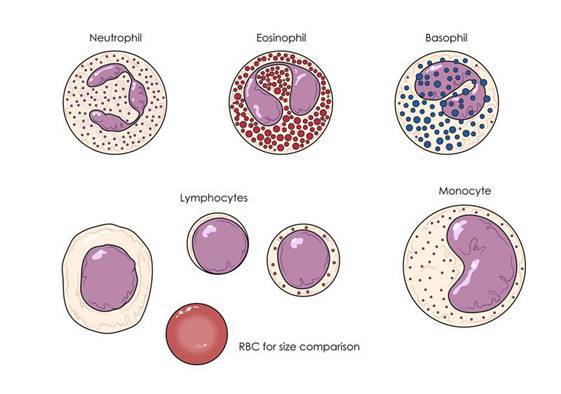
- Leukocytes
- Have nuclei and involved in phagocytosis, inflammation, adaptive immune response
- Platelets
- Do not have nuclei and involved in inflammation and blood clotting
- Leukocytes
Components of Immune System
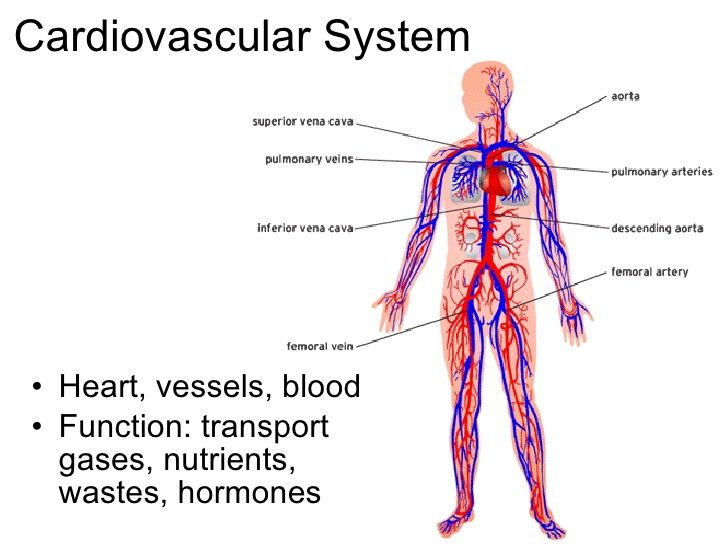
- Cardiovascular System
- Include heart and blood vessels
- Mononuclear Phagocyte System
- Network of reticular fibres and Phagocytes
- Lymphatic Syatem
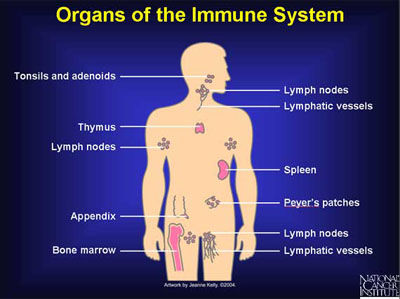
- Primary lymphoid organs are the production sites of immune cells and the maturation sites for immune cells in the absence of antigen
- Exp- Bone marrow, thymus
- Secondary lymphoid organs are the maturation sites for antigen-driven immune cells
- Exp - adenoid, tonsils, lymph nodes, spleen, mucosa-associated lymphoid tissue (MALT)
- Primary lymphoid organs are the production sites of immune cells and the maturation sites for immune cells in the absence of antigen
- Cardiovascular System
Innate Immunity : First Line of Defence
- Innate Immune Response - Non specific - Immune components are preformed - Response magnitude is similar during the first and subsequent encounters - No memory is stored
- Involved external physical barriers
Innate Immunity : Second Line of Defence
- Innate Immune Response - Non specific - Immune components are preformed - Response magnitude is similar during the first and subsequent encounters - No memory is stored
- Internal physiological barriers and create hostile environment for the invaders
- Antimicrobial proteins
- The complement system
- Classical, Lectin, Alternative
- Work in cascade reactions to destroy phatogens
- Interferons
- Cytokines involved in immune regulation, particularly against viruses
- Iron-binding proteins
- Some bacteria employ siderophores, to "steal" iron from host proteins
- Antimicrobial peptides
- Short proteins, kill bacteria by inserting themselves into the membrane
- Bacteriocins, Defensins, Magainins, Protegrins
- The complement system
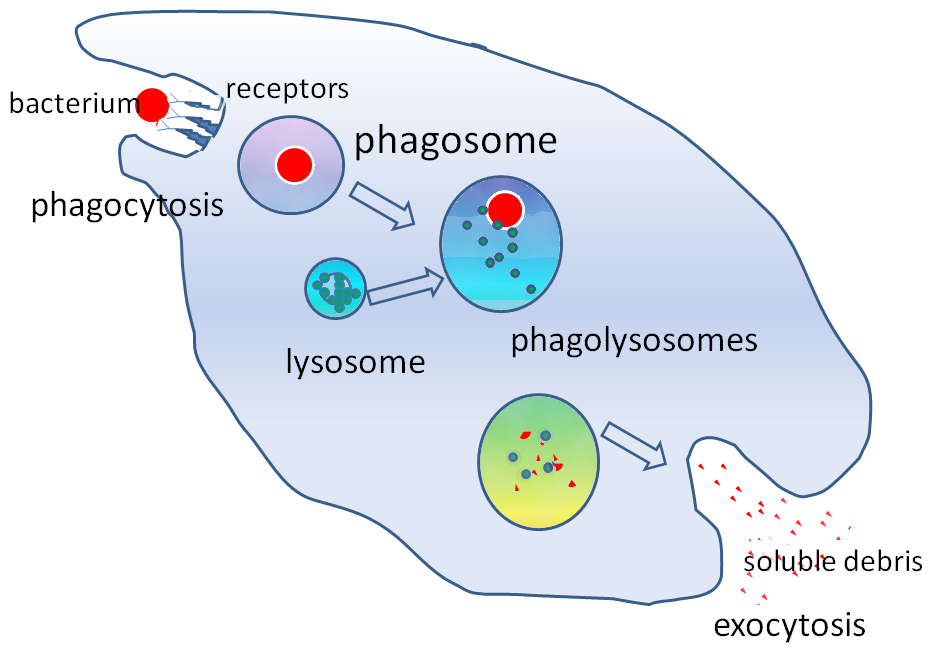
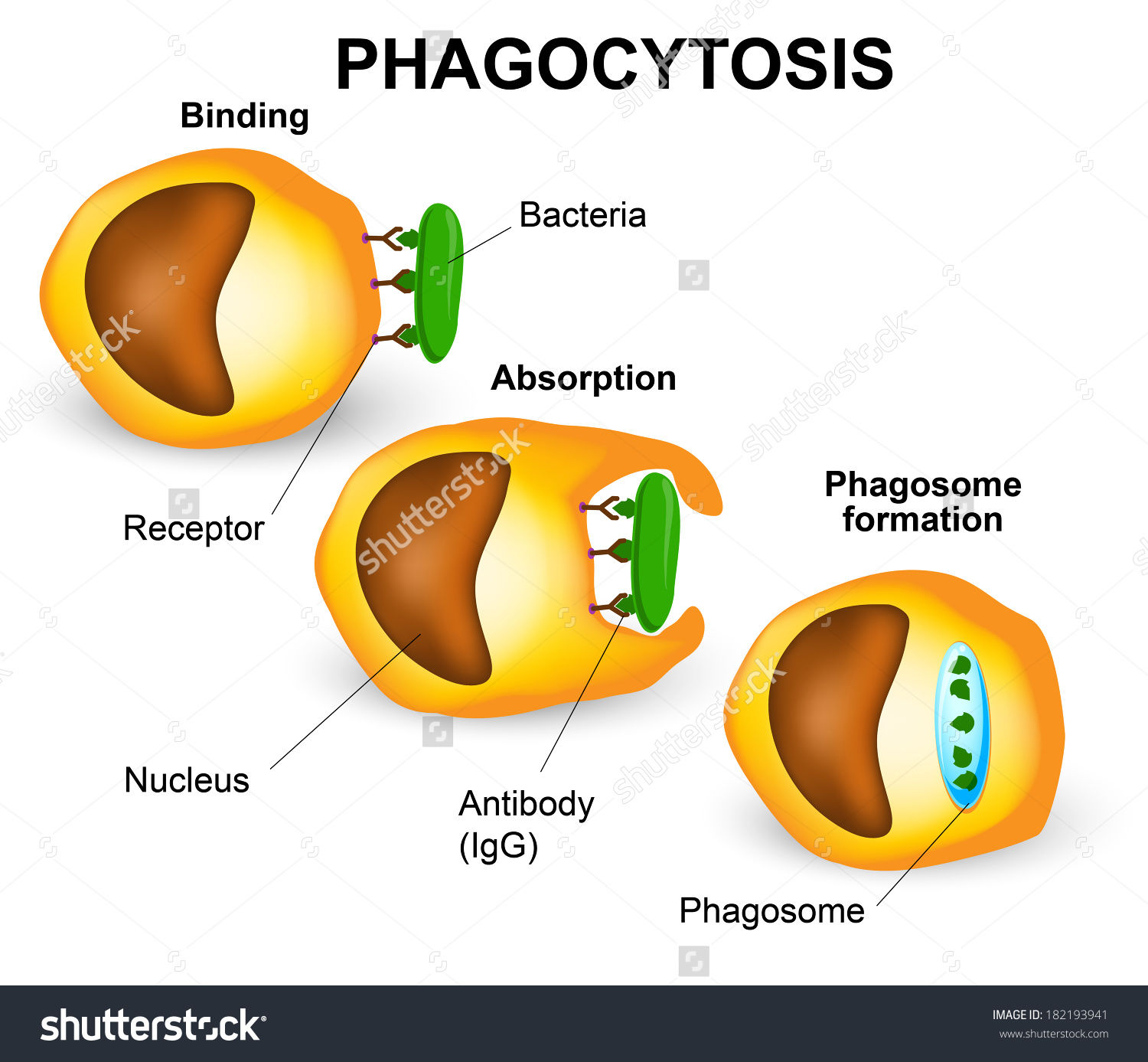
- Phagocytosis
- They possess lysosome containing substances
- Water, Lysozyme, Protease, Phosphatase, Nuclease, Lipase
- They possess lysosome containing substances
- Fever
- Increased core temperature above 37'C and initiated by pyrogens
- Reduced iron availability
- Many pathogens requires iron and during fever, iron with holding occurs
- Inhibition of microbial multiplication
- Creating suboptimal temperature
- Increase metabolic rate
- Stimulate immune reations
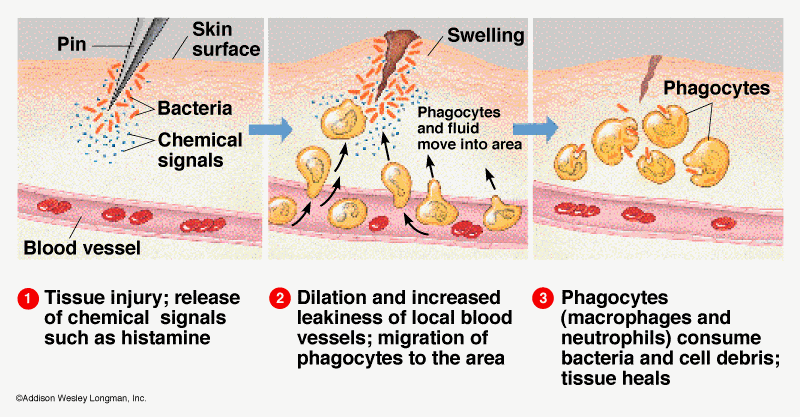
- Inflammation
- Redness- from increased red blood circulation
- Heat- given off by the increased blood flow
- Pain- stimulation of nerve endings
- Oedema- swelling caused by fluid escaping into the tisssues
- Stage of inflamation
- Vasodilation cause more blod delivered and redness and localized heat
- Release of cytokines cause vasodilation and increase permeability of vessels
- Certain cytokines also increase permeability of blood vessels
- Antimicrobial proteins
Imágenes y archivos del mapa

Información
- Descripción
- Introduction to Immunology
- Creado por
- Ibnusina Abdul Rahman
- Visitas
- 118
- Etiquetas
- Valoración