
Mapa mental
Child Development: Contraceptives
Contenido del mapa
Child Development: Contraceptives
FEMALE
- Combined Pill
- Prevents ovaries from producing eggs
- 100% successful
- Advantages
- Reduces periods, pain and blood loss
- Reliable for preventing pregnancy
- Some health advantages
- Disadvantages
- No protection from STIs
- Remembering to take is at the same time everyday
- Some health risks
- Prescription required
- Mini Pill
- Makes it hard for sperm to get into the uterus and hard for fertilisation or implantation to take place
- 99% successful
- Advantages
- Reduces periods, pain and blood loss
- Reliable for prevent pregnancy
- Some health advantages
- Fewer health risks than the combined pill
- Can be used by breastfeeding mothers
- Disadvantages
- No protection from STIs
- Remembering to take it at the same time everyday
- Some health risks
- Prescription required
- Female Condoms
- Sperm stopped from entering the Vagina
- 95% successful
- Advantages
- Protection from STIs and unwanted pregnancy
- Available without prescription
- No medication needed
- Can be put in hours before sex
- Can be used by people allergic to latex
- Disadvantages
- Put on and removed carefully
- Not widely available
- Large and can make an off-putting noise
- Diagphragm (cap) (used with spermicide jelly or creams
- Sperm stopped from reaching egg and spermicide makes sperm inactive
- 92-96% successful
- Advantages
- Good protection from unwanted pregnancy
- Can be put in hours before sex
- No medication or side effects
- Disadvantages
- Difficult to use correctly
- Must be fitted by a clincian
- May slip out of places during sex
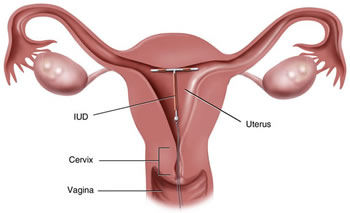
- IUD (intra-uterine device)
- Implantation is prevented
- 98-99% successful
- Advantages
- Excellent protection from unwanted pregnancy
- No medication - lasts for 10 years
- More reversible than sterilisation
- Disadvantages
- No protection from STIs
- Additional bleeding and cramps possible
- Small number of women allergic to copper
- IUD
- Intrauterine System (slow release of progesterone)
- Progesterone is gradually and slowly released. This stops the sperm reaching the egg.
- 99% successful
- Disadvantages
- No protection from STIs
- Advantages
- Excellent protection from unwanted pregnancy
- No medication - lasts for 7 years
- More reversible than sterilisation
- Less bleeding and cramping than IUD
- Contraceptive implant (slow release of progesterone)
- 99% successful
- An implant of the hormone progesterone, usually into the upper arm, prevents implantation.
- Combined Pill
Imágenes y archivos del mapa
Información
- Descripción
- Types of contraceptives and how they work from AQA Home Economics: Child Development
- Creado por
- Daniellex3
- Visitas
- 400
- Etiquetas
- Valoración