
Mapa mental
Eukaryotic cell structure
Contenido del mapa
Eukaryotic cell structure
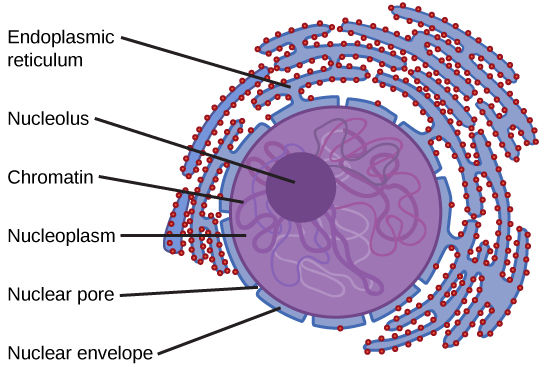
Nucleus
- Nuclear envelope
- Double membrane surrounding the nucleus. Controls the entry and exit of materials.
- Nuclear Pores
- Allows passage of large molecules.
- Nucleoplasm
- Jelly-like material that makes up the bulk of the nucleus.
- Chromosomes
- Protein bound linear DNA
- Nucleolus
- Manufactures ribosomal RNA and assembles the ribosomes.
- Nuclear envelope
Mitochondrion
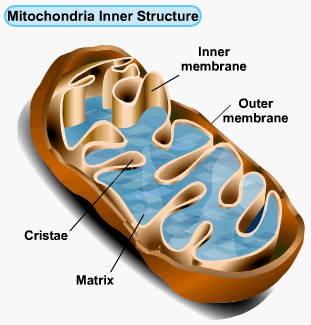
- Double membrane
- Controls the exit and entry of materials.
- Cristae
- Extensions of the inner membrane. Provide a large surface area for the attachment of enzymes during respiration.
- Matrix
- Contains proteins, lipids, ribosomes and DNA.
- Double membrane
Chloroplasts
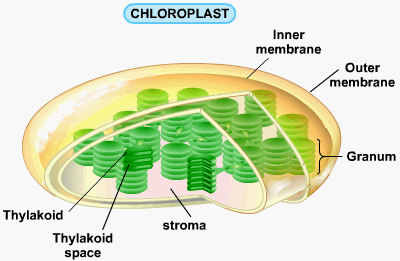
- Chloroplast Envelope
- Controls the exit and entry of materials.
- Grana
- Stacks of up to 100 disc like structures called Thylakoids. Where the first stage of photosynthesis takes place.
- Thylakoids
- Where chlorophyll is located.
- Stroma
- Fluid-filled matrix where the second stage of photosynthesis takes place.
- Chloroplast Envelope
Endoplasmic Reticulum
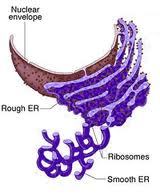
- Rough Endoplasmic Reticulum
- Has ribosomes on its outer surface.
- Provides a large surface area for the synthesis of protiens.
- Provides a pathway for the transport of materials through the cell.
- Smooth Endoplasmic Reticulum
- Has no ribosomes
- Synthesises, stores and transports lipids.
- Synthesises, stores and transports carbohydrates.
- Rough Endoplasmic Reticulum
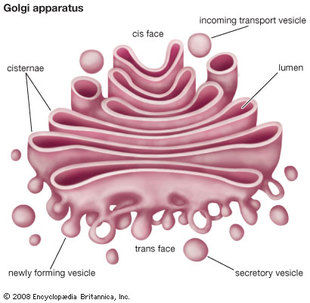
Golgi Apparatus
- Cisternae
- Stack of membranes which make up flattened sacks.
- Vesicles
- Small round hollow structures. Transports modified proteins to the cell surface to be released outside.
- Modifies proteins by adding carbohydrates and labels them so they can be sorted.
- Produces secretorty enzymes.
- Forms lysosomes.
- Cisternae
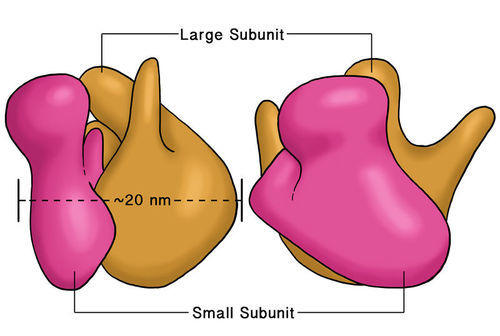
Ribosomes
- 80S
- 25nm in diameter
- Site of protein synthesis
- One large one small sub unit.
- 80S
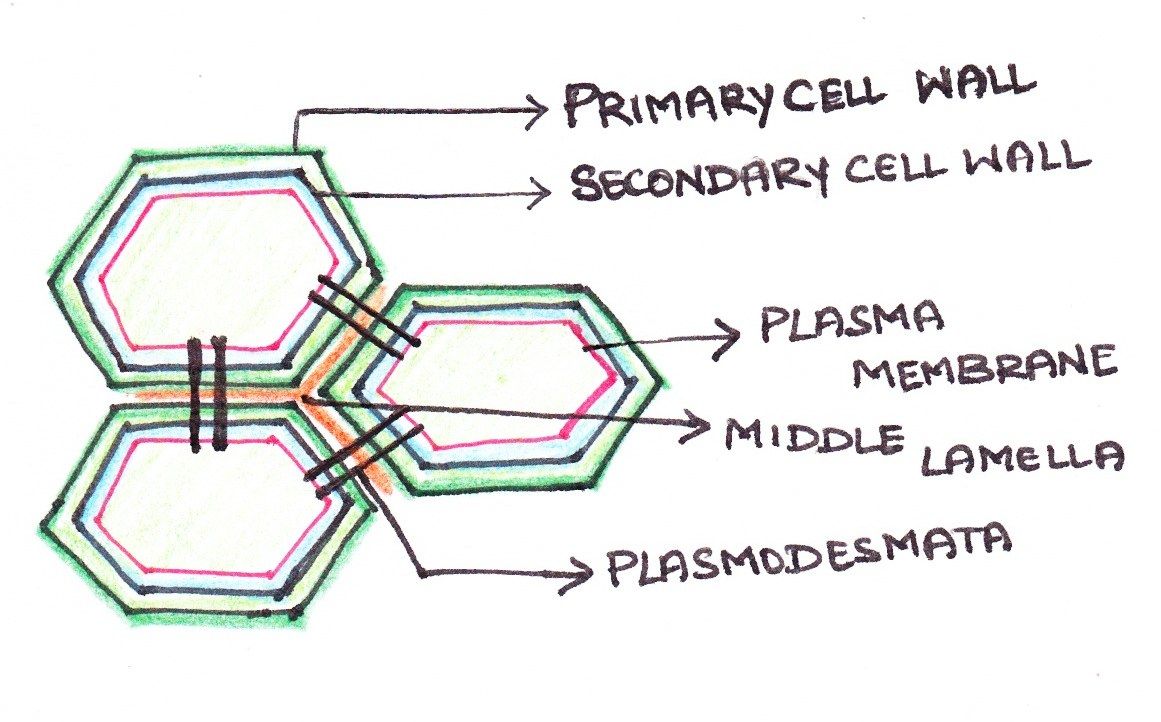
Cell Wall
- Consist of a number of polysaccharides
- Middle Lamella
- Thin layer which marks the boundry between cells and joins them together.
- Provides mechanical strength to prevent the cell from bursting.
- Gives strength to the plant as a whole.
- Allows water to pass along it and contributes to the movement of water through the plant.
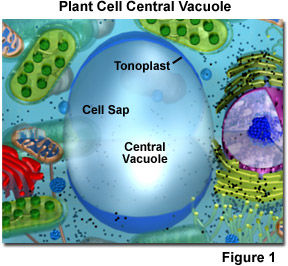
Vacuoles
- Tonoplast
- Single membrane surrounding the vacuole.
- Contains mineral salts, sugars, amino acids, wastes and pigments.
- Support plants by making them more turgid
- Sugars and amino acids act as a temporary food store
- Tonoplast
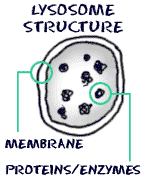
Lysosomes
- Vesicles which contain the enzymes lysozymes
- Hydrolyse the cell wall of certain bacteria
- Hydrolyse material ingested by phagocytic cells
- Release enzymes outside of the cell to destroy material around the cell
- Digest worn out organelles so the chemicals can be reused.
- Break down cells after they have died.
Imágenes y archivos del mapa
Información
- Descripción
- A-Level (Section 1) Biology Mapa Mental sobre Eukaryotic cell structure, creado por Amy Le Grys el 31/12/2016.
- Creado por
- Amy Le Grys
- Visitas
- 104
- Etiquetas
- Valoración