
Apuntes
American West notes
Contenido del apunte (11)
Página 1
The US Approach to American Indians
Two ideas that guided the govenment were
Keeping whites and Indians apart
Making Indians more like Whites
Three acts were passed to do this:
The Indians Removal Act 1830
The Indian Trade and Intercourse Act 1834
Indian Appropriations Act 1851
The Indian Appopriations Act was signed as it provided money to move the Indians. Whites also beleived it would make Indians hunt less and farm more.
In 1830, President Jackson signed the Perminent Indian Frontier
In 1848, America won a war with Mexico and gain California and Texas from them also getting Oregan from Britain.
Página 2
Features of Indians Way of Life
Family Life
Men huntedand faught while women stayed home, cared for the teepee, gathered water and cared for the children.
Marrage was usually out of love but could be arranged. Women could remarry and divorced was normal. Polygamy was also normal
Indian Society and Politics
At least one a year bands would meet as a nation
The council was made of Chiefs, who would not be elected
The Warrior Brotherhood was made up of warriors and had weapons such as bows and spears
Chiefs were made famous if they were successful at war
Survival on the Plains
Horses were brought to Mexico by the Spainish and Indians stole horses fom Mexico
The more horses you had the more power you had, like currency
In buffalo hunting all pieces of the buffalo were used or eaten
Hunting Buffalo
They used spears and personalised arrows to know which buffalo they killed so they could bring honnor to their families
Men kept horns of the buffalo they killed
So much meat was collected per buffalo, they only had to hunt around every three months
Buffalo Dance - dressed as buffalo they danced to please spirits and bring more buffalo
The Spirit World
A way to contact spirits was through visions
The Sioux believed in Wakan Tauka, the Great Spirit
Another way to contact spirits was the Sun Dance
The Sioux religion beleive they come from the Earth as plants and trees did
Attitudes to War
War was either faught by large groups of men or small raid partied. The war continued untill either side won or a peace treaty was decided
Wars were faught to: test spiritual power, horses had been stolen, revenge or to prove bravery
Scalps were taken from dead eniemies so their spirit could not escape to heavan, these scalps would be put on their teepee.
Counting Coup - A ritual for men to prove themselves, to show domiance over other tribes ow the importance of their tribe.
Página 3
Migration along the Orgean Trail
Push Factors
in 1837, there was an economic crisis in the East and South of America and it lasted untill the mid 1840's
Unemployment was as high as 25%
Those with jobs faced wage cuts up to 40%
Pull Factors
There was a promise of free land in the west and the soil was rich for farming
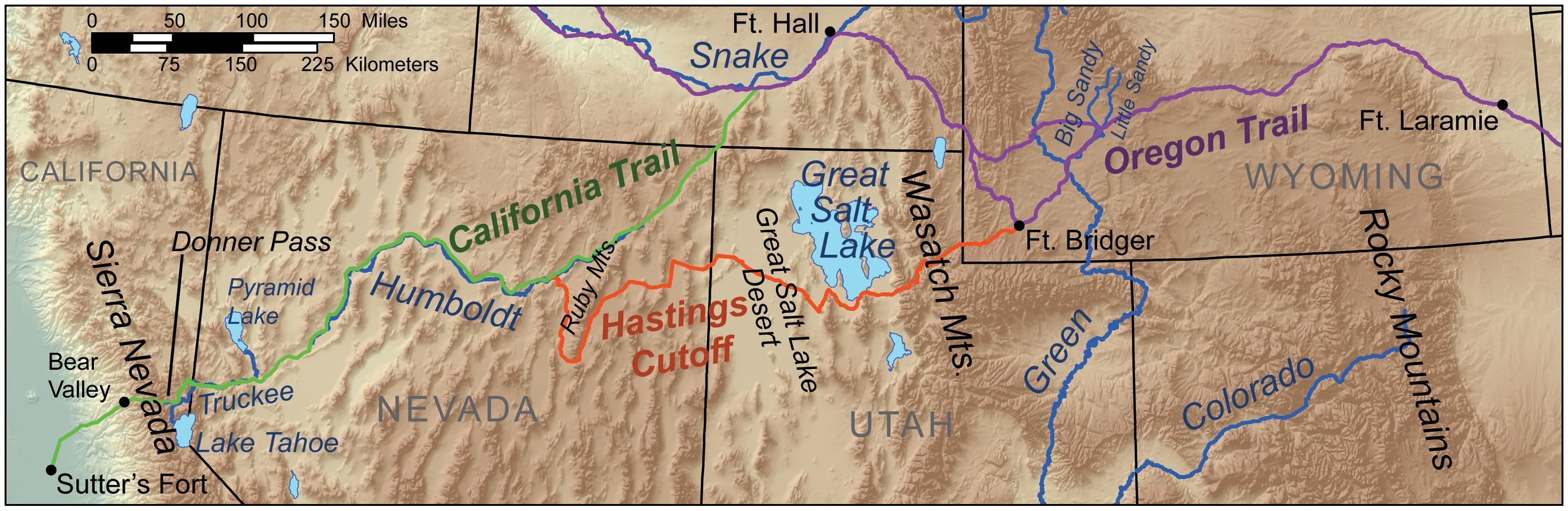
The California Gold Rush of 1849, as people discovered gold in the Sierra Nevada, though dispite the gold few got rich but many stayed to become farmers
White Americans beleived they had the right to populate America from coast to coast and it was Gods will (The Manifest Destiny), this was encourgaged by the Government.
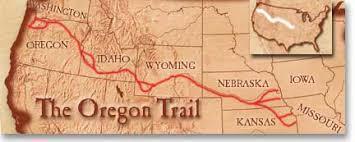
The Oregan Trail
The only practical way to get across the Rocky Mountians
The trail was 3,200km long starting from missouri river and ending in Williamette valley
By 183, over 900 people had used the trail prooving large numbers of people could make it
the first migrants got there in 1836.
Problems with the Trail
Supplies - people did not bring enough food and water
Diseaes - due to drinking unclean water, people got choleria
Saftey - people got hit by wagons and had other accidents
At least 20,000 people are thought to have died
Página 4
The California Gold Rush
In April 1849, 100,000 people left the East to go to California in the hopes of finding gold.
California's population boomed to 300,000 by 1855
This population boom ment the US encomy was recovering. It also promted the West, farming in California and the money from the Gold Rush could be spent on the Transcontental Railway. BUT the rapid growth ment problems with Law and Order and white migrants would murder/ enslave Indians.
Many people did not find gold but stayed in the West as farmers
Página 5
The Donner Party and The Mormons
The Mormons
Mormons were a religion rejected by Christians on the East Coast due to their extreme support of Polygamy
Mormons had already migrated several times due to hatred towards their group
in 1945, rioters killed their leader and ordered them to leave Illionios
Their new leader was Brigham Young
Normons beleived God had called them to migrate to Salt Lake City as they would no longer be targetted there.
Mormons were made to leave Illinois in Febuary but wanted to leave in June
They left in Febuary but it was too cold so they stayed in Omaha untill it was warmer
They followed thye Oregan Tail over the Rocky Mountains then made a new trail to Salt Lake
The Donner Party
In the spring of 1846, a group of nearly 300 emigrants and 60 wagons left springfeild, Illinois and headed west.
The group,spearheaded by Jacob and George Donner, attempted to take a new shorter route to California.
The group included the old, women and children
The Donner brothers were striving for a new life in California.
Their group departed late in the year( July) even though they knew it would take at least five months to reach California.
The Donners brought 80 migrnats on a new trail
The group then got stuck and people beagn to die as a snow storm strated due to severe hunger and freezing conditions
40 people died and the other 40 resorted to canibalism, eating the dead.
Página 6
Farming on the Great Plains
Problems with the Plains
Low Rainfall . there was half the rainfall than in the east, few rivers or streams .
Too Dry. crops did not have enough water nor did livestock, frequant droughts. Depp wells had to be drilled for water.E
Few Trees. it was too dry for trees to survive. There was no timber for houses or fences. No wood to burn for fires to cook or for heating.
Extreme Climates. Hot summers and cold winters. Hail and thunderstorms were also highly commen. Crops would shrivel in the summer head while hailstorms and fires destroyed crops all year round.
Crops died due to the cold dry winters of the plains
Ploughing
The soil was difficult to plough due to deep, tangled grass roots and solid soil. Normal ploughs would break under the strain.
'SodBusters' with steel ploughs
Praire
Fires would start easily due to the dry conditions. The hot summers ment the long grass would burn easily
Grasshoppers
Some years, vast swams of grasshoppers swept over the plains and would eat crops, grass and even sheeps wool
so they had to spray insecticides.
Página 7
Tensions between Settlers and Plains Indians
Reasons for Tensions
Racism
Most white settlersbeleived whites were superier to American Indfians and so Indians were swept asidse by whites
Fear
White settlers were scared they would be attacked by Indians while traveling
Shortage of Grass
As migrants travelled, they brought livestick and oxen (to pull wagons) this ment large areas of grass was destroyed
Buffalo
White settlers migrating disrupted buffalo hunting.
Migrants killed large numbers of buffalo for meat and also spooked the buffalo causing stampeds
Página 8
The Fort Laramie Treaty 1851
The Plains Indians Would :
End the fighting between tribes
Allow migrants to travel through their lands safley
Permit surveyors from railroad companies to enter their lands safley
Allow the government to build roads through their lands and construct army posts
Pay compensation if any individuals from their tribes if they broke the Treaty terms
The US Government Would :
Protect Plains Indians from white Americans (Including migrants trying to settle)
Pay the tribes an annuity (yearly payment) of $50,000 as long as the treaty terms were followed
Problems with the Treaty
Chosing Council Representitives. Whites did not accept that Cheifs did not rule the tribe so the government selected a noble warrior from a tribe.
Agreeing Boundies. The US government wanted to draw precise boundries, this did not conform to the American Indian's way of life as the tribes were nomadic for hunting.
Translations. The treaty was written in English and there was not enough translators so not all representitives knew what they were signing.
Página 9
Law and Order in the West
Gangs and Racism
A famine in China ment mass migration to California, the population roase from 2,000 to 20,000
racism toward the Chinese immagrants increased. They worked hard but White gangs stole their money
Prospectors who were out of work formed gangs
Law enforcement was currupt
in 1849, the San-Francisco population exploded to 25,000 from 1,000
Mass Settlement
Due to the population increase, there was alot of flihting because of the number of different cultures
People would put gold flakes on land to increase the land prices
People were selling acohol illegally ad prositution
Claim Jumping - People claiming land as theirs because it had gold on it.
Vigilanties
A group of citizans who punsihed suspected law breakers themselves
Vigilante groups spread quickly to minicamps who were sick of rouge agents
Problems - suppoesed criminals did not eceive fair trial.
Government Law Enforcement
Elected officers were Sheriffs and were currupt. They also had no political trainign
Bandits would raid trains, rob banks and kill
There was one sherrif per 5,000 people
It was difficult to get to the sherrif
Police hyad to travel along the Oregan Trail
The Federal Government gave little money to the West
Página 10
The American Civil War 1861-65
The Southern States did not want to abolish slavery, like the North did, as they need workers. This made the Southern States want independence.
Impacts on the West
Citizenship was granted to former African-American slaves
Settling in the west became easier due to new laws passed
People wanted to move from the South's views so went West for a new life
Many people moving were x-soldiers and former slaves
Página 11
How the US Government encouraged migration
The Homestead Act 1862
Promoted settlement in the west and provided incentives for people to take up unclaimed land and build a new life
Made land claims smaller and cheaper
land was big enough for a home and crops
These people were known as Homesteaders
This Act meant anybody could file a claim for land as long as they were head of a family or single (over 21). Even women and ex-slaves could file a claim. But there were limits to how much land a person could have
Información
- Descripción
- All notes from the American West topic
- Creado por
- Lucy Trigg
- Visitas
- 110
- Etiquetas
- Valoración