
Apuntes
Interdependence and Adaptations
Contenido del apunte (1)
Página 1
Environmental changes can be measured using non-living indicators such as oxygen levels, temperature and rainfall.
Living organisms can be used as indicators of pollution.
Lichen can be used as air pollution indicators, particularly the percentage of sulphur dioxide in the air.
Invertebrate animals can be used as water pollution indicators and are used as indication of the concentration of the dissolved oxygen.
Change in the environment can affect the distribution of living organisms.
Animals and plants can be subjected to environmental changes which may be caused by living or non-living factors such as a change in temperature, rainfall or competitor.

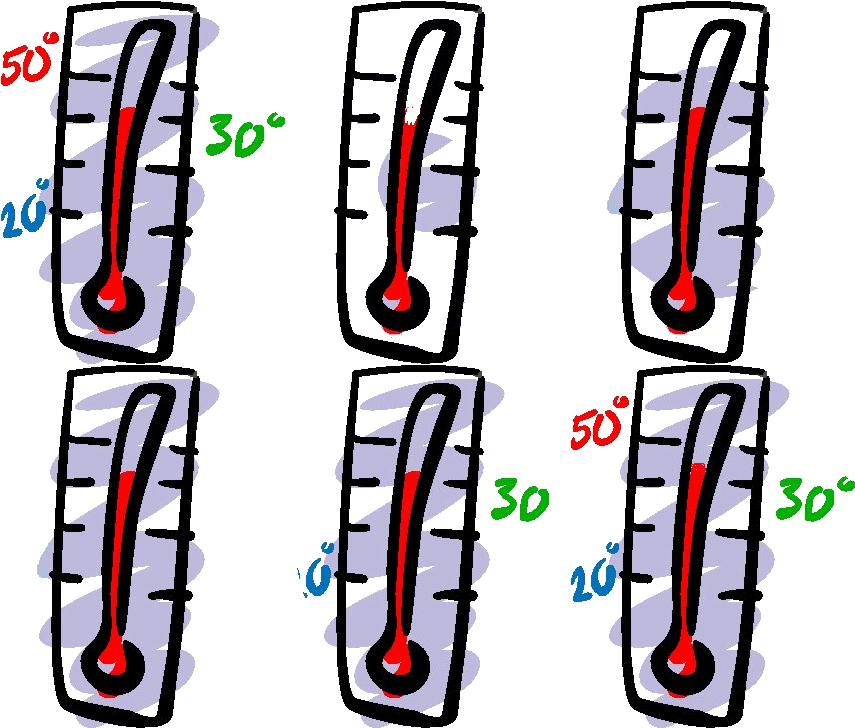
Temperature is measured using a thermometer.
Rainfall is measured using a rain gauge.
Oxygen can be measured using an oxygen probe (and connected to a data-logger).
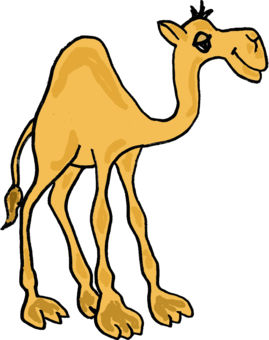
Slits for nostrils and two layers of eyelashes to keep out sand
Ability to tolerate a body temperature of up to 42 degrees celcius
Large, flat feet to spread their weight over the sand
Ability to go a long time without water
Thick fur on the top of the body for shade and thin fur elsewhere to allow easy heat loss
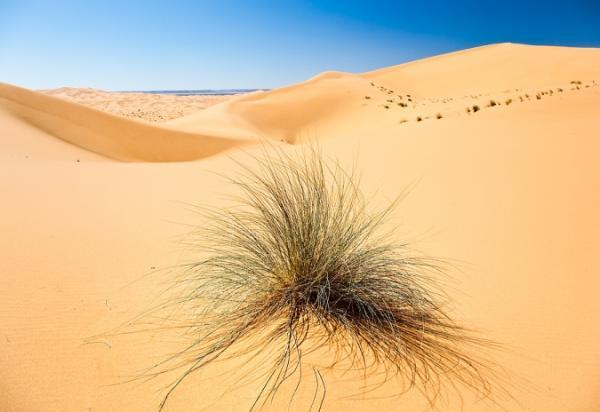
Things that live in hot climates have adapted to ensure they can work best there.
This is an example about a camel and the adaptations it has to survive in the desert.
For plants:
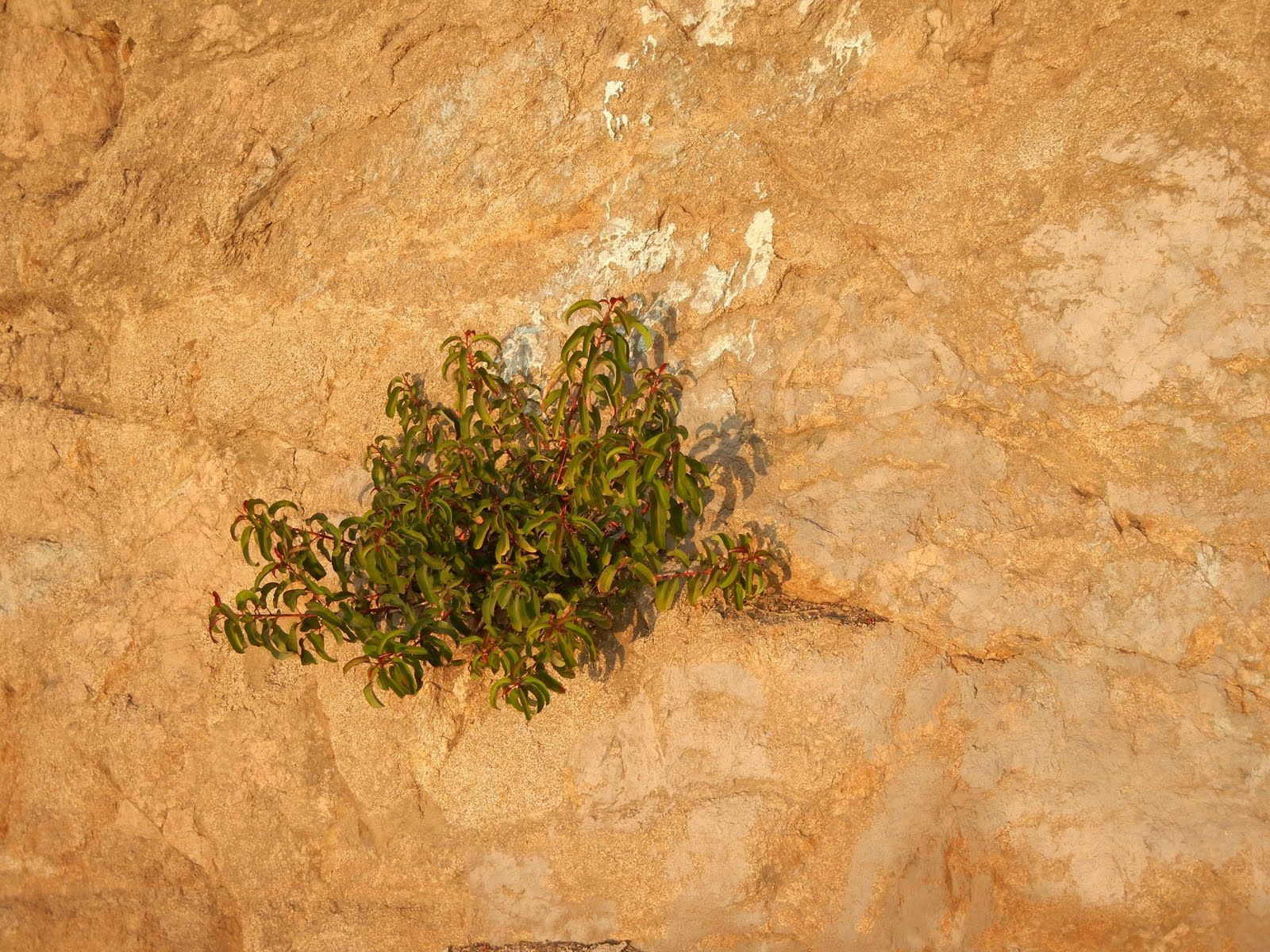
A large surface area to maximise heat loss
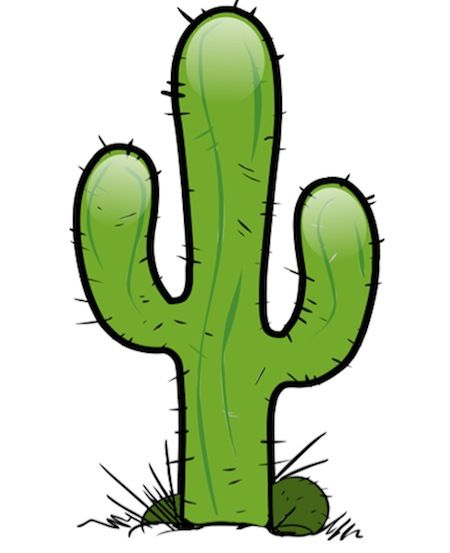
Stems that can store water
Widespread root systems to collect a lot of water
l
l
l
l
l
l
l
l
l
l
l
l
l
l
l
l
l
l
l
l
l
l
l
l
l
l
l
l
l
l
l
l
l
l
l
l
l
l
Things that live in cold climates have adapted to ensure they can work best there.
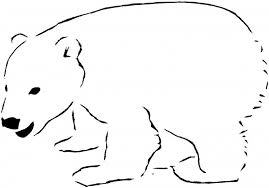
This is an example about a polar bear and the adaptations it has to survive in the arctic.
Large furry feet which distribute weight and increase grip on ice.
Thick layers of fat and fur for insulation against the cold.
A greasy coat that sheds water after swimming
A white appearance as camouflage for protection against predators.
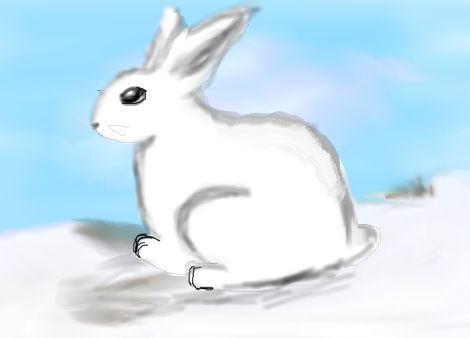
The snowshoe hare has white fur in the winter and reddish brown fur in the summer so it is camouflaged most of the year
l
l
l
l
l
l
l
l
l
l
l
l
l
l
l
l
l
l
l
l
l
l
l
l
l
l
l
l
l
l
l
l
l
l
l
l
l
l
l
l
l
Black skin to absorb more heat from its surroundings


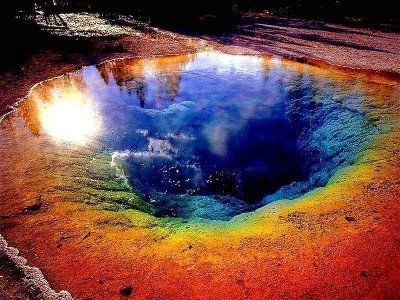
Extremophiles have a high tolerance to either high levels of salt, high temperatures or high pressures which allow them to live in extreme environments
Organisms, including micro-organisms, have features (adaptations) that enable them to survive in the conditions in which they normally live
Environmental Change
HOT CLIMATES
cold climates
extremophiles
Información
- Descripción
- Apunte sobre Interdependence and Adaptations, creado por BubbleandSqueak el 03/06/2014.
- Creado por
- BubbleandSqueak
- Visitas
- 524
- Etiquetas
- Valoración