
Fichas
Avian medicine
Fichas del conjunto (100)
- 1What should be gleaned from a patient history?Signalment and origin of bird
Husbandry
Diet and hygiene
Reproductive history
Medical history
Behaviour - socialisation - 2What is included in a problem history?Previous problems
Current problem: when it started, is it affecting other animals, how it's affecting the animal, is it progressing, maintaining or resolving.... - 3List what's included in a distant examThe cage - hygiene, suitability, furniture
The bird - respiration, appetite, behaviour, plumage, posture, defecation, alertness
The droppings - faeces, urates, urine - 4Describe what could cause green, thick/pasty, orange, and yellow uratesGreen - liver disease (biliverdin)
Pasty - dehydration
Orange - B vitamins
Yellow - anorexia - 5What restraint should you use with birds?Minimum necessary.
Positive reinforcement + training perch if tame
Anaesthesia or towel if wild - 6What should you be cautious of when handling birds?Oils on your hands.
Gloves or talcum powder - 7List the most important areas of a physical examWeight
Sex identification
Body condition score
TPR
Integument
Head
Body
Limbs - 8What is weight important for?Dosage calculations
Monitoring response to therapy - 9How can you sex a bird?Phenotype - dimorphism
DNA sexing
Endoscopic sexing - 10How would you evaluate the BCSWet the feathers with alcohol to see fat deposition over abdomen/flanks
Pectoral palpation
Weight - 11What is expected in a TPR?Temperature 40-41 degrees C
Pulse >200 bpm
RR inversely proportional to body weight - 12What are classic signs of dyspnoea?Sternal lift
Mouth breathing
Tail bob - 13What are key areas of interest with integument?Feathers
Wing clipping, moutling
Powder down
Trauma or parasites
Dermatitis
Stress lines - 14What could cause feather colour changes in birds?PBFD
Chronic liver disease
Malnutrition
Frequent handling - 15Describe feather dystrophiesRetained sheaths or pulp
Shaft haemorrhage
Twisted feathers
Calamus strictures - 16What are key areas of interest in terms of the head?Symmetry and shape
Beak - ceres abnormalites, overgrowth, etc.
Oral cavity
Nares
Eyes
Ears - 17What is included in a body evaluation?Spinal palpation
Sternal palpation
Abdominal palpation
Crop
Cloaca - 18What shape is the abdomen normally?Concave
- 19What would you assess in terms of limbs?Wings - symmetry, palpation and movement
Leg palpation, passive movement, symmetry, scales
Conformation - 20What is included in haematologyRBCs
Leukocytes
Thrombocytes - 21What assesses liver damage and functionHepatocellular - AST, CK, GLDH
Cholestasis - GGT
Function - bile acids and TP - 22What assesses kidney function?Uric acid
Differentiate from dehydration using PCV, TP, and BUN - 23What are biochemical indicators for reproductive function?Calcium
TP
Cholesterol and triglycerides - 24Describe variations in glucose and what they meanHyperglycaemia - stress, diabetes, normal variation
Hypoglycaemia - anorexia, sepsis, testing delay artifact - 25How can you assess GI function?Amylase and lipase
Electrolytes Na, K, Cl - 26What is antibody serology testing influenced?Host factors - immunity
Antigen factors - prepatent time
Assay factors - selection - 27What is serology indicated for?Flock outbreaks
SPF accreditation
Demonstrate exposure
Serial testing - 28What produces false results in PCR testing?Contamination
Inhibiting factors
Previous drug use - 29What does the usefulness of culture and gram stain depend on?Clinical database for bird species
Site of collection
"Meaning" - 30What forms of cytological samples can you take?FNA
Smear
Centesis
Washes or lavages - 31What is a sick bird?DECOMPENSATING
Dehydrated
Hypothermic
Catabolic state - 32What are signs of dehydration?Sunken eyes
Mucoid saliva
Decreased CRT
Skin wrinkling or tenting
Reduced urination - 33What are signs of hypothermia?Fluffed up appearance
Lethargic
On the floor - 34What are signs of a catabolic state?Untouched food (anorexia)
Minimal droppings
Weight loss - 35What are signs of respiratory compromise?Open mouth breathing
Increased respiratory effort - sternal lift, tail bob
Cyanosis
Collapse - 36What are 2 general patterns of pain that can present?Fight or flight - acute pain
Conservative/withdrawn - chronic pain - 37Why are CS variable for blood loss in birds?Can withstand higher losses
- Rapid extravascular fluid resorption via capillary SA
- Mobilisation of immature RBCs
- do not show haemorrhagic shock - 38What are CS of blood loss?History of trauma/recent loss
Pale MMs
Increased RR and effort
Lethargy, weakness
PCV <20% - 39What are fluid recommendations for sick birds?10% of body weight for first 3 days
--> then reduce to 5-7%
--> Give in 2-3 doses/day
Increase if ongoing losses
PO, IO, IV, SC - 40What heat range is ideal for sick birds?30-32 degrees C
Use heat lamps - 41What should you offer a sick bird in terms of nutrition?Their favourite foods
Crop gavage
Oesophagostomy tube - 42What can you do if there is respiratory compromise?Air sac catheter
Oxygen - 43What can you do if the bird is painful?Remove the source of pain
Calm the bird - sedatives, isolation?
Butorphanol, morphine, tramadol
Meloxicam - 44How can you treat blood lossMild - fluids, should normalise in 7 days
Severe - blood transfusion (homologous best - 6-11 days efficacy)
- Reactions if repeated - 45Examples of general nursing care?Owner TLC
Isolation
Biosecurity
Feeding
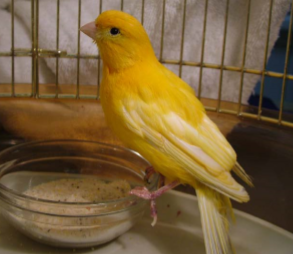
Warmth - 46Next cards will ask which diseases are common per speciesCanaries
Budgies
Cockatiels
Princess parrot
Galah
Cockatoo
Conure
Macaw
Quakers
Finches
Pigeons
Chickens - 47—Feather cysts
Air sac mite
Atoxoplasma
Coccidia
Bacterial enteritis
Cnemidocoptes
Nutritional hyperkeratosis - 48—Avian polyomavirus
Cnemidocoptes and feather lice
Trichomonas
Chlamydiosis
Coccidia
ROund worm
Pododermatitis
Hepatic lipidosis
Lipoma
Reproductive issues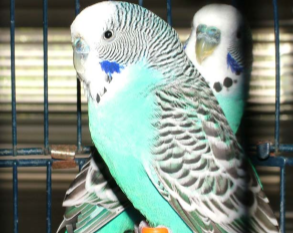
- 49—Chlamydiosis
Tail split injuries, sternal trauma
Intestinal protozoa
Reproductive issues
Self-mutilation
Hepatic lipidosis
Lipoma
Hypothyroidism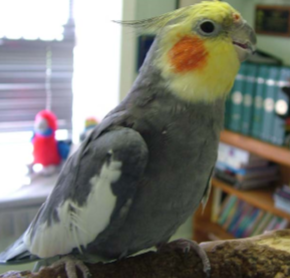
- 50—Round worm
Chlamydiosis
PBFD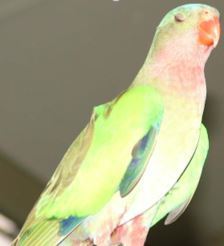
- 51—PBFD
Behavioural - neophobia, aggression, self-mutilation
Obesity
Hepatic lipidosis
Hernias
Lipomas
Hypothyroidism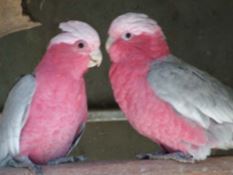
- 52—PBFD
Behavioural issues
Reproductive issues
Obesity and hepatic lipidosis
Osteoarthritis
Pododermatitis
Hernias
Atherosclerosis
Lipoma
Cloacal prolapse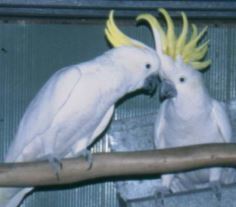
- 53—Screaming
Egg-binding
Feather damaging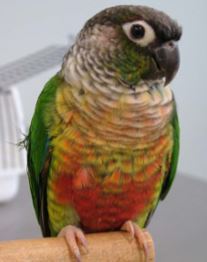
- 54—Scissor beak
Atherosclerosis
Screaming
Feather plucking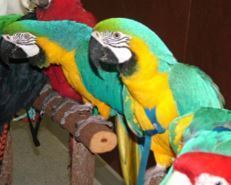
- 55—Round worm
Self-mutilation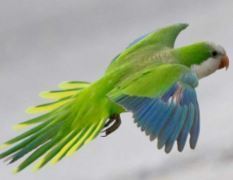
- 56—Gizzard worm
Coccidia
Air-sac mite
Candidiasis
Yersiniosis
Dermatophytosis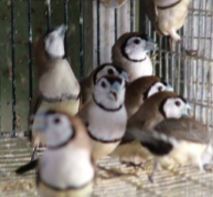
- 57—Trichomonas
Coccidia
Chlamydiosis
Respiratory infection
PPMV
Rotavirus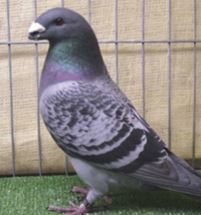
- 58—Reproductive issues
Neoplasia - Marek's, Avian leukosis
Upper respiratory infections
Pdododermatitis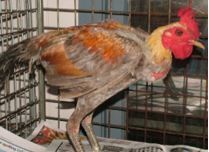
- 59What is the main cause of malnutrition in pet birds?Exclusive seed diets
- High fat, CHO, P, and vitamin E
- Low protein, vitamins, calcium, zinc - 60What are common diseases caused by malnutrition?Hypovitaminosis A
Hepatic lipidosis
Diabetes mellitus
Cardiovascular DZ - atherosclerosis
Secondary hyperparathyroidism - osteodystrophy
Skin and feather dystrophies
Immunosuppression - 61Describe the characteristics of Chlamydia psittaciGram negative
Non-motile
Obligate intracellular
Serovars A (most pathogenic), B, C, D, and E - 62What is the transmission of Chlamydia psittaci?Ingestion, inhalation, or egg transmission
Latency = carriers (incubation 4 days to years), short-lived immunity - 63What are respiratory signs of Chlamydia?Conjunctivitis
Dyspnoea
Sneezing
Purulent discharge
Sinus distension - 64What are GIT signs of Chlamydia?Diarrhoea
Biliverdinuria - 65What are other signs of Chlamydia psittaci?Fluffed up, lethargy, anorexia
Weight loss
Poor feathering
Tremors/convulsions
Polyuria
Infertility - 66How could you diagnose Chlamydia?Bacterial isolation
PCR, biopsy for antigen
Fluorescent antibody test
Macchiavello's or Gimenez stains
Faecal/cloacal/exudate ELISA
Bloods
Radiography - 67What is classified as a confirmed case of Chlamydia?Bacterial isolation
FAT
>4x increase in paired Ab titres
Organism demonstration - 68How would you treat Chlamydia?TETRACYCLINES - 45 days
Enrofloxacin reduces shedding
Azithromycin - penetrates MACs - 69What are disadvantages of tetracyclines and why must they be used for 45 days?Only active when bacteria replicating as it inhibits protein synthesis
Low intracellular concentration
Immunosuppression
Calcium chelator
Inhibits gut flora
Liver damage
Lifespan of a macrophage - 70What ways can you disinfect the environment against Chlamydia?Heat
Quaternary ammonium
70% ethanol
3% hydrogen peroxide - 71What symptoms can Chlamydia psittaci cause in humans?fever, headache, fatigue
Chest pain + myalgia
Pneumonia
Anorexia, nausea
Death - 72Aetiology of Psittacine Beak and Feather DiseaseCircovirus - non-enveloped, ssDNA
--> PPT 21-25 days
--> Shed in faeces, crop secretions, feather dust
Affects juveniles > adults - 73What CS occur in juveniles with PBFDSudden weakness/lethargy
Regenerative anaemia/pancytopenia
Death in 1-2 days
- hepatic necrosis - 74What are chronic forms of PBFD in terms of species affected?Cockatoos - feather and beak changes
Rainbow lorikeets - primary feather loss, colour change
Other parrots - Feather dystrophies, colour change - 75Diagnosis of PBFDBiopsy (feather follicle, cloacal bursa)
--> basophilic intracytoplasmic inclusion bodies
Serology - HI and HA
PCR - 76Treatment and prognosis for PBFD?Avian interferon + supportive
Most die because of immunosuppression within 2 years - 77What are commons forms of trauma to birds?Blunt force
High-velocity impact
Animal attacks
Iatrogenic - wing clipping, burns, drowning - 78How would you stabilise life-threatening injuries?Establish airway patency + air sac catheter
Warmth
Control bleeding
IV, IO, or SC (after warming) fluids
--> 10 ml/kg 1-3 boluses crystalloids
--> 3-5 ml/kg 1-3 slow boluses colloids
--> 5 ml/kg slow boluse hypertonic saline
Analgesia - 79What are treatment options for fractures?External coaptation
--> Tape stirrups, modified RJ bandages
--> Remove in 3-4 weeks (fibrous callus)
Surgery - 80What can a figure Y and a figure 8 strap be used for?Figure Y - Humerus, antebrachial, or carpal fractures
Figure 8 - Antebrachial or carpal fractures - 81What are 2 functional groups of behaviour in birds?Self-maintenance
--> Feeding, grooming, locomotion
Social
--> Territoriality, courtship, fear - 82What are common presentations for bad behaviour in birds?Screaming
Attention demanding
Territoriality
Biting
Feather damaging - 83How do bad behaviours "develop"?1. Poor socialisation
2. Owner misunderstanding of normal behaviour - 84What is the preferred method of behavioural modification now?Positive reinforcement - the bird must want to perform the behaviour
- 85What influences the efficacy of behavioural modification?Owner-bird relationship
Bird confidence + ability
Bird's past experience + training
Social interaction, breeding season, comfort
Hunger state - 86What does negative reinforcement lead to?Avoidance behaviour
Aggression
Apathy
Fear
Exacerbation of a behaviour - 87What are two common set-backs in behavioural modification?The problem is usually chronic and in-grained
Owner compliance - their mindset must change - 88What are the basic steps to behavioural modification?1. Basic training
2. Normalising social interaction
3. Avoiding unwanted behaviour
4. Replacing unwanted behaviour with acceptable behaviour - 89What does basic training involve?Juvenile birds respond best
--> stepping up and down
--> staying put - 90How can you normalise social interaction?AVOID PAIR BONDING
- Remove bird from territorial environment
- Remove bonded person
- Positive reinforcement to create positive experiences with new people (flock dynamic) - 91How can you avoid unwanted behaviour?ABC analysis
A - Antecedent - situation that caused behaviour
B - Behaviour
C - Consequences - what the bird gets for the behaviour
Antecedent and consequences must change. - 92How can you replace unwanted behaviour with acceptable behaviour?80% self-maintenance behaviour
--> fill activity deficits with puzzle toys, non-treated wood with treats in holes, hiding food, mixing food with inedible material
20% socialisation - 93What are the effects of pain on bird?Reduces wound healing
Immunosuppression
Provokes response to avoid stimulus/prevent further injury - 94What are the principles of analgesia in birds?Multimodal approach
- Remove source
- Reduce fear/stress
- Opioids - butorphanol
- Meloxicam 1-1.5 mg/kg
Local anaesthesia 1-4 mg/kg - 95What is different about anaesthesia in birds?Anatomy
Faster metabolism
Fasting 3-4 hours pre-anaesthetic + crop lavage
Loses heat quickly
Most requiring anaesthesia chronically ill - 96How do you provide heat during anaesthesiaWarmed fluids
Heating pads
Warmed gases
Radiating heat - 97What is PP,PPPP in terms of chronically ill birds and anaesthesia?Prior Preparation and Planning Prevents Poor Performance
- 98What is the ideal anaesthesia?Rapid induction + recovery
Rapid metabolism and excretion
Minimal CV and respiratory depression
Operator safety - 99How would you prepare a patient?Weight for doses
Fasting 3-4 hours
Distant exam - respiration
Crop palpation
PCV, TPP, glucose
Analgesia
Pre-med - midazolam, diazepam - 100How can you induce anaesthesia?Mask - isoflurane, small birds
IV - large birds
--> Ketamine and xylazine
--> Ketamine and diazepam
--> Ketamine and medetomidine (water fowl)
--> Propofol
Información
- Descripción
- Physical exam Diagnostic tests The sick bird Common problems Analgesia and anaesthesia Surgery
- Creado por
- Alinta Kalns
- Visitas
- 27
- Valoración