
Fichas
C2-A
Fichas del conjunto (19)
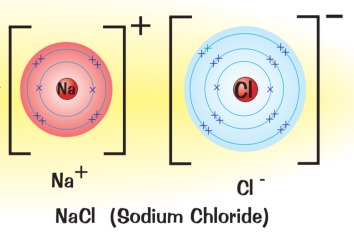
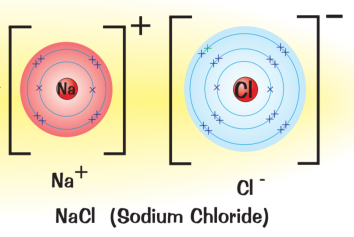
- 1Represent the electronic structure of the ions in sodium chloride
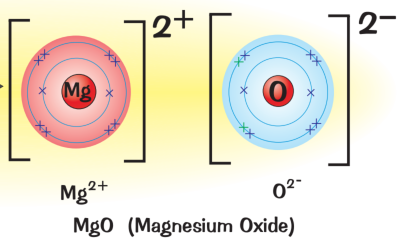
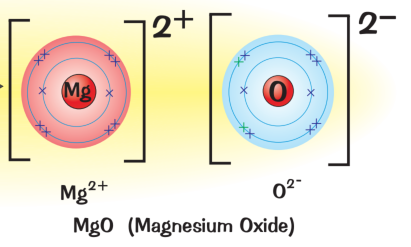
- 2Represent the electronic structure of the ions in magnesium oxide
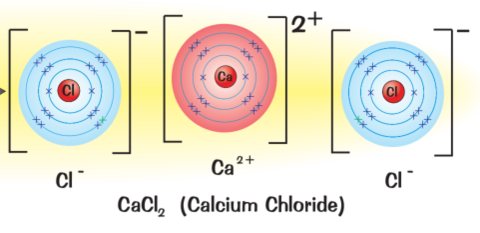
- 3Represent the electronic structure of the ions in calcium chloride
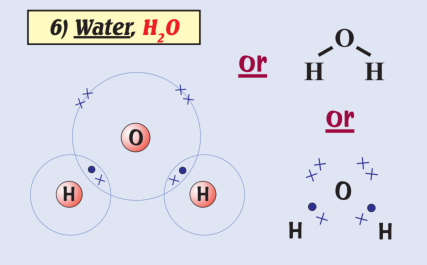
- 4Represent the covalent bonds in water in 3 different ways.
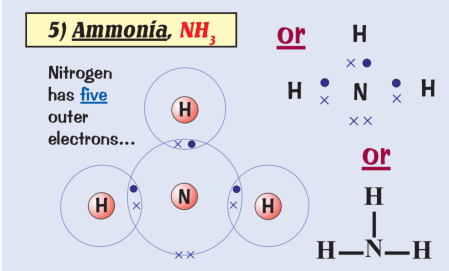
- 5Represent the covalent bonds in ammonia in 3 different ways.
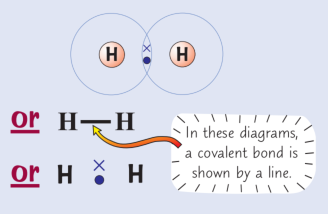
- 6Represent the covalent bonds in hydrogen in 3 different ways.
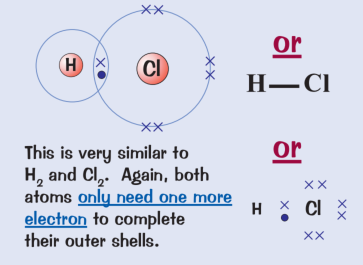
- 7Represent the covalent bonds in hydrogen chloride in 3 different ways.
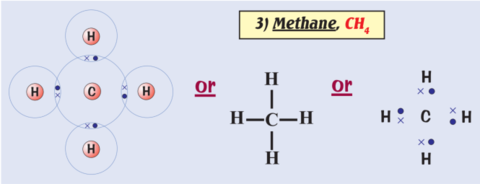
- 8Represent the covalent bonds in methane in 3 different ways.
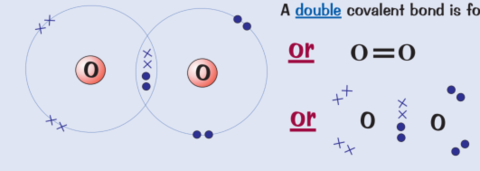
- 9Represent the covalent bonds in oxygen in 3 different ways.
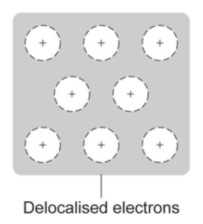
- 10Draw a diagram to represent the bonding in metals
- 11What is a compound ?Compounds are substances in which atoms of two or
more different elements are chemically combined. - 12Give the charge on the ion for each of the following groups Group 1, 2, 3, 4, 6, 7

- 13Draw a diagram to show the ionic bonding in sodium chloride
- 14Draw a diagram to show the ionic bonding in magnesium oxide
- 15Draw a diagram to show the ionic bonding in calcium chloride
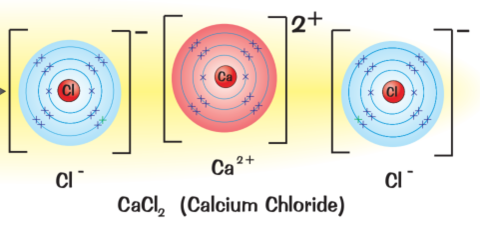
- 16Describe the bonding in an ionic compoundAn ionic compound is a giant structure of ions. Ionic compounds are held together by strong electrostatic forces of attraction between oppositely charged ions.
These forces act in all directions in the lattice andthis is called ionic bonding. - 17Give 7 examples of simple covalent compounds
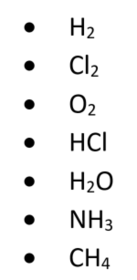
- 18Give two examples of giant covalent moleculesDiamond and
silicon dioxide. - 19Describe the bonding in metalsThe electrons in the outer shell of metal atoms are delocalised and so free to move through the whole structure.
Positive ions with electrons between the ions hold them together by strong electrostatic attractions.
Información
- Descripción
- flash cards for aqa science
- Creado por
- gfhgfhg gfhgfhg
- Visitas
- 144
- Etiquetas
- Valoración
Más sobre Ionic and Covalent Bonding