
Flashcards
BIOCHEM
Cards in this deck (196)
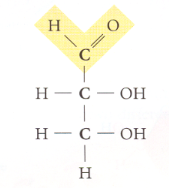
- 1glyceraldehydealdose, triose sugar, monosaccaride carb
- 2ribosealdose, pentose sugar, monosaccaride, carb
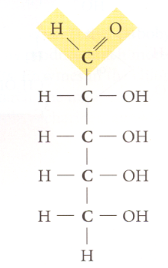
- 3glucose linear formhexose sugar, aldose, monosaccaride, carb
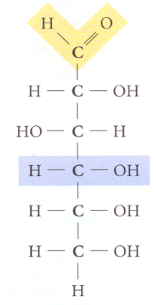
- 4galactose linear formhexose sugar, aldose, monosaccaride, carb
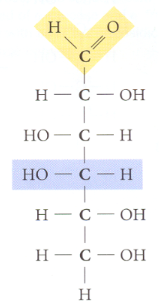
- 5Dihydroxyacetonetriose sugar, ketose, monosaccaride, carb
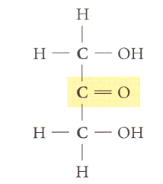
- 6Ribulosepentose, ketose, monosaccaride, carb
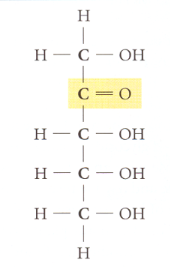
- 7fructose linear formhexose sugar, ketose, monosaccaride, carb
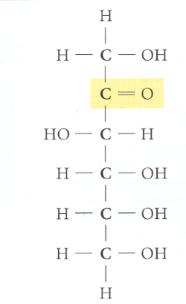
- 8name: Alpha Glucose Ring Form Polymer: maltose, starch family: carb
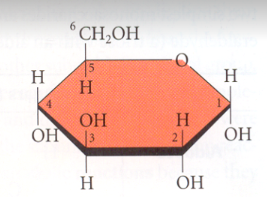
- 9name: Beta Glucose Ring Form Polymer: cellulose family: carb
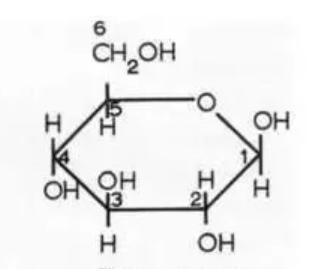
- 10name: fructose ring form Polymer: sucrose family: carb
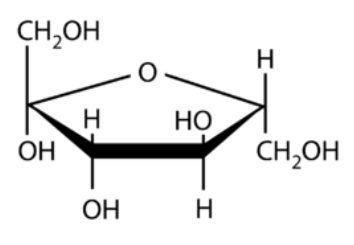
- 11-name as specifically as possible: Galactose Ring Form -monomer: lactose -family: carbohydrates
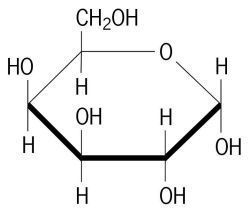
- 12-name as specifically as possible: maltose -monomer: alpha glucose + alpha glucose -family: carbohydrates
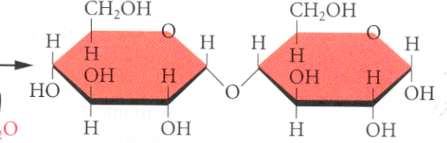
- 13-name as specifically as possible: sucrose -monomer: alpha glucose + alpha frutose -family: carbohydrates
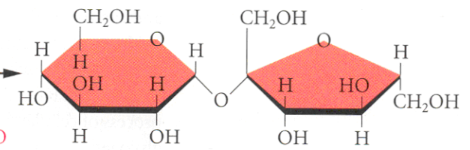
- 14-name as specifically as possible: lactose -monomer: alpha glucose + alpha galactose -family: carbohydrates
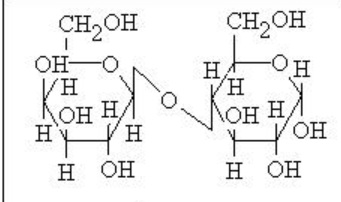
- 15-name as specifically as possible: starch - amylose -monomer: unbranched α-glucose but coiled monomer or polymer: polymer linkage: alpha 1-4 glycosidic linkage -family: carbohydrates
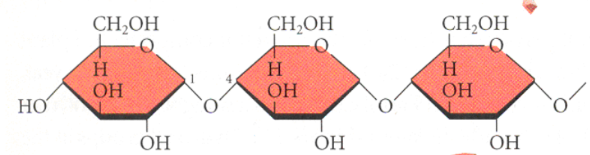
- 16-name as specifically as possible: starch - amlyopectin -monomer: branched α-glucose and coiled linkage: alpha 1-4 glycosidic linkage and 1-6 linkage at the branch point -family: carbohydrates
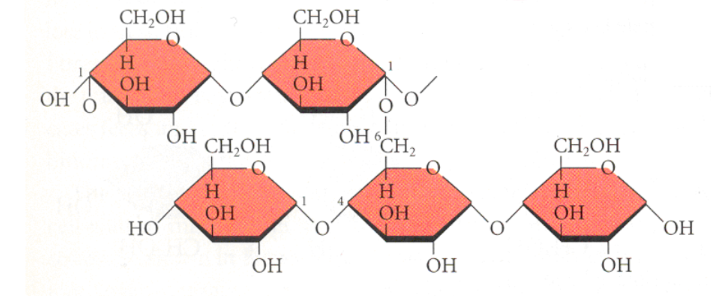
- 17-name as specifically as possible: Glycogen similarities: to amylopectin because its branched, coiled, made of alpha glucose and has same linkages -monomer: α-glucose -family: carbohydrates
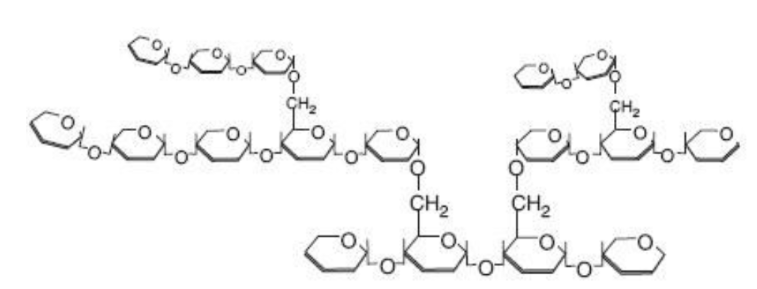
- 18-name as specifically as possible: Starch -monomer: α-glucose (which makes up amylose and amylopectin polysaccarides) -family: carbohydrates
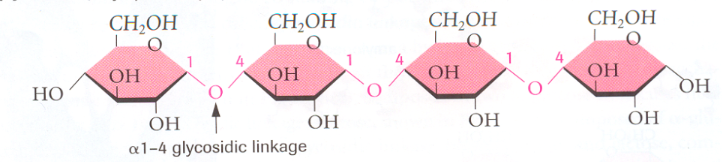
- 19-name as specifically as possible: cellulose -monomer: β glucose -family: carbohydrates
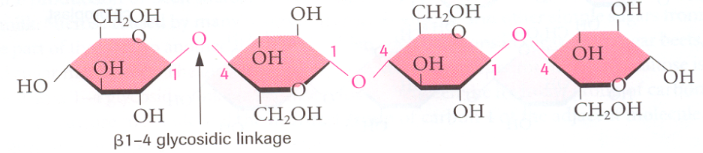
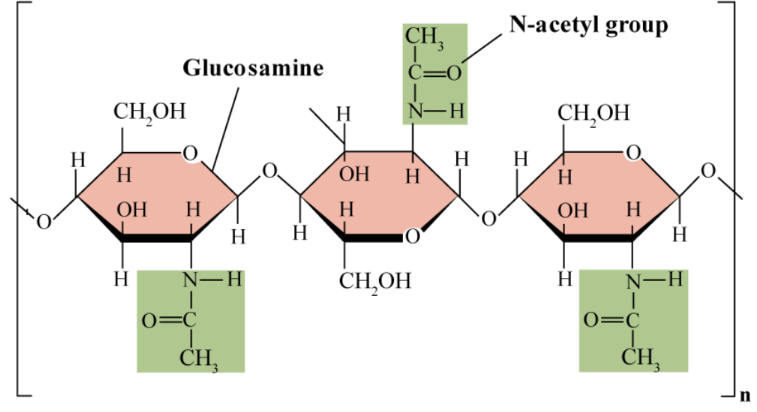
- 20-name as specifically as possible: n-acetylglucosamine -polymer: chitin -family: carbohydrates
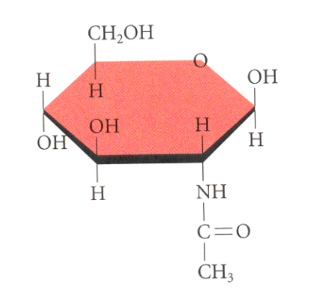
- 21-name as specifically as possible: chitin -monomer: N-acetylglucosamine (NAG) -family: carbohydrates
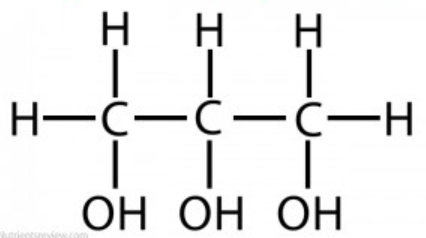
- 22-name as specifically as possible: glycerol -polymer: triglyceride -family: lipids
- 23-name as specifically as possible: Triglyceride -monomer: does not technically have a monomer but it made of 3 fatty acids and glycerol backbone -family: Lipids
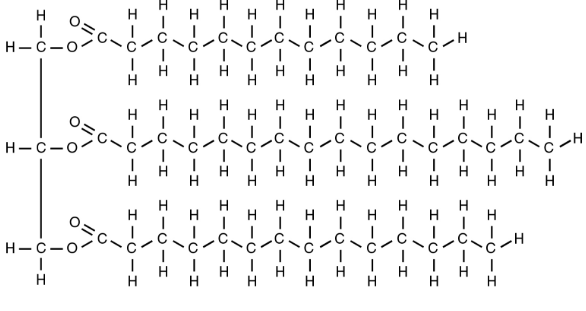
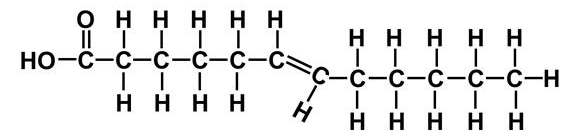
- 24-name as specifically as possible: Saturated fatty acid -polymer: does not technically have a polymer but is in triglyceride -family: lipids

- 25-name as specifically as possible: Unsaturated fatty acid -polymer: does not technically have a polymer but is in triglyceride -family: lipids
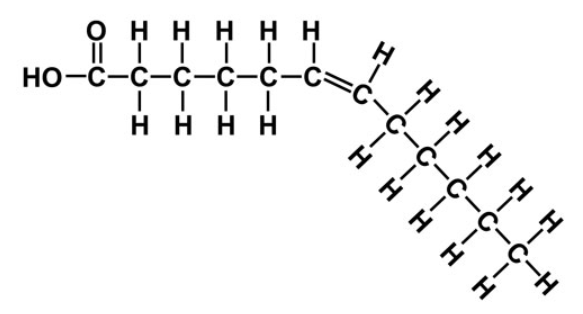
- 26-name as specifically as possible: trans fatty acid -polymer: does not technically have a polymer but is in triglyceride -family: lipids
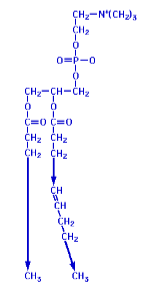
- 27-name as specifically as possible: phospholipid -monomer: none but is made of glycerol backbone, two fatty acid chains and one phosphate group -family: lipids
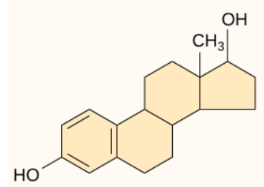
- 28-name as specifically as possible: steroid -monomer: N/A -family: lipids
- 29-name as specifically as possible: wax -monomer: fatty acid and alcohol (hydrocarbon with hydroxyl) -family: lipids

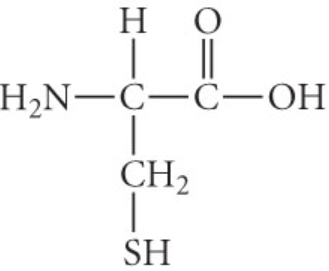
- 30-name as specifically as possible: amino acid: cysteine -polymer: polypeptides -family: proteins
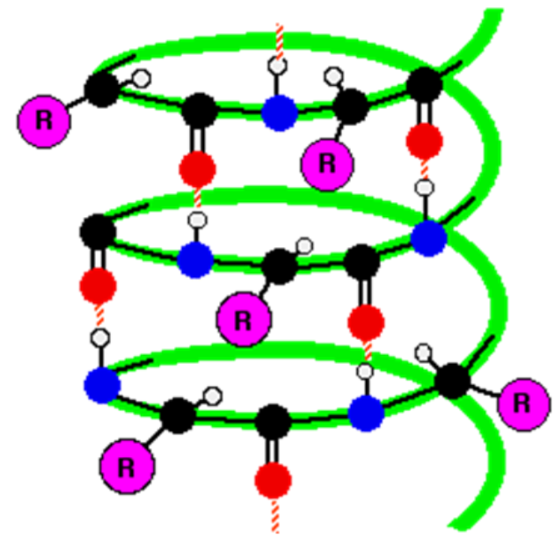
- 31-name as specifically as possible: alpha helix polypeptide -monomer: amino acid -family: proteins
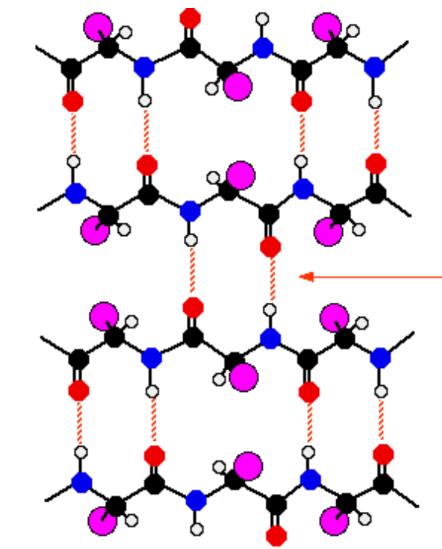
- 32-name as specifically as possible: beta pleated polypeptide -monomer: amino acids -family: proteins
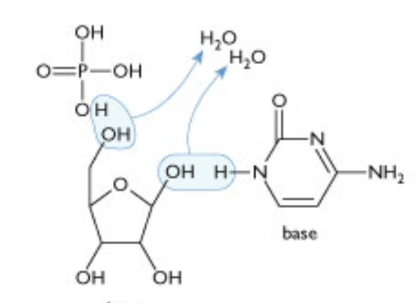
- 33-name as specifically as possible: RNA nucleotide -polymer: RNA strand -family: nucleic acids
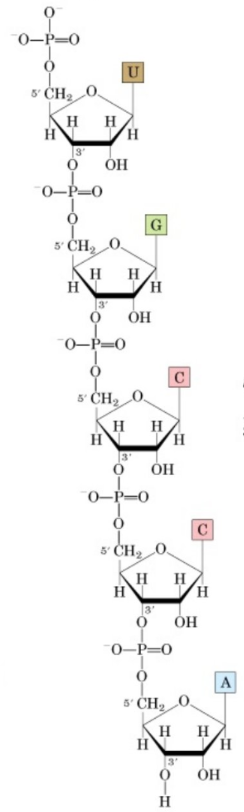
- 34-name as specifically as possible: RNA strand -monomer: RNA nucleotide -family: nucleic acids
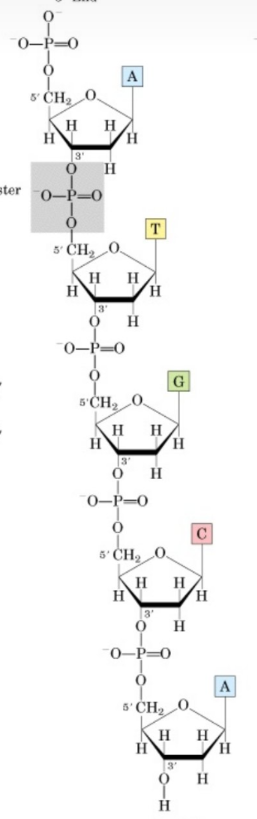
- 35-name as specifically as possible: DNA strand -monomer: DNA nucleotide -family: nucleic acids
- 36name the functional group: OHhydroxyl
- 37name the functional group: COOHcarboxyl
- 38name the functional group: NH2amino
- 39name the functional group: SHsulfhydral
- 40name the functional group: PO4phosphate
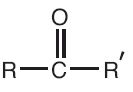
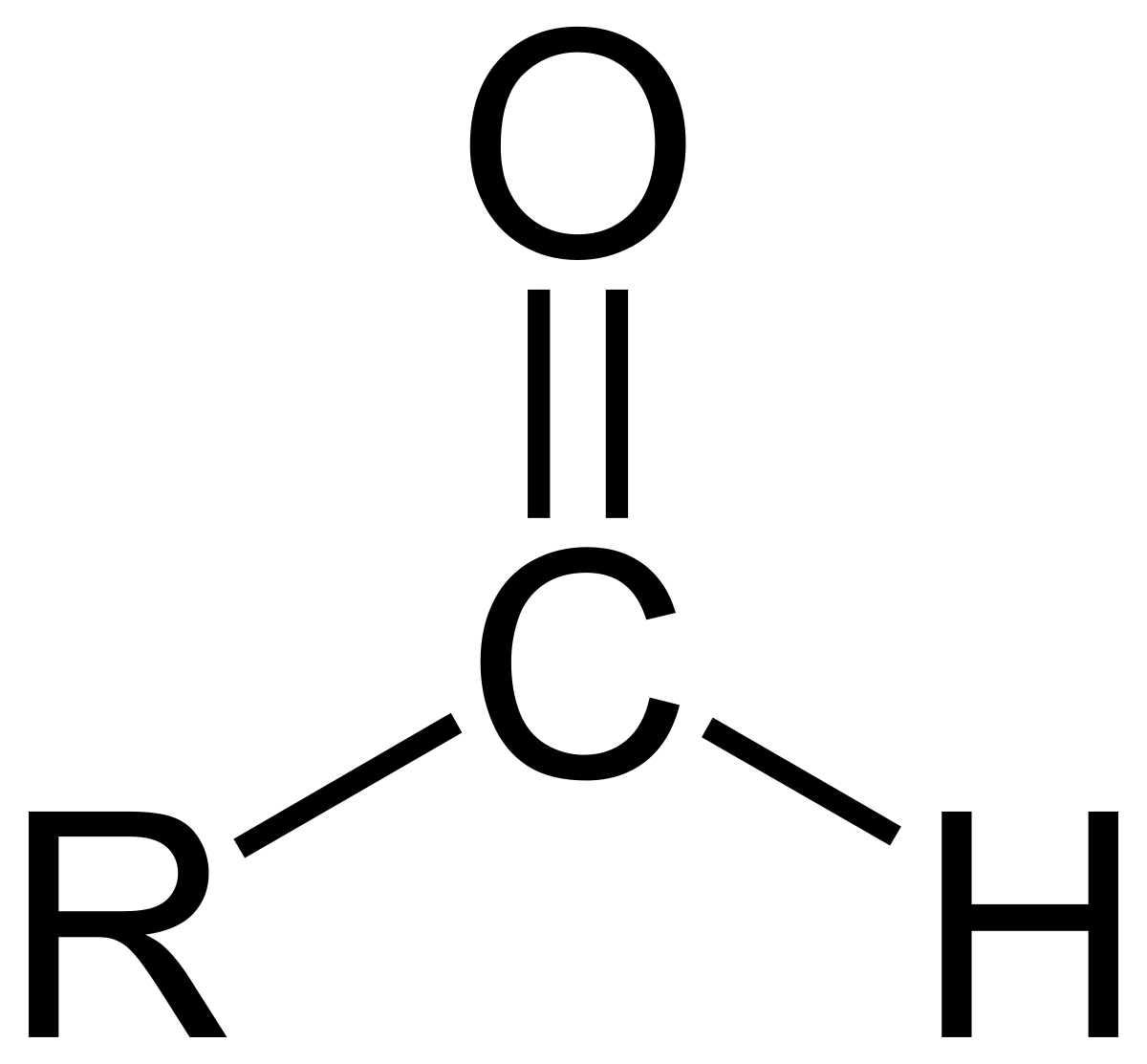
- 41name the functional group: COH and COcarbonyl
- 42type of carbonyl: ketone
- 43type of carbonyl: aldehyde
- 44condensation synonym:dehydration synthesis or anabolic reaction
- 45hydrolysis synonym:catabolic reaction
- 46function of carbohydrates-used as source of energy
-used as building materials
-cell surface markers for identification and communication e.g. sugars on red blood cells prevent the ability to give blood to another blood type - 47structure of carbohydratesratio of carbon:hydrogen:oxygen is 1:2:1
- 48glucose, galactose and fructose are what? (structure)structural isomers which means they have the same formula but different structures (C6H12O6)
- 49Why and how do they (monosac) form ring shape in water?why: cyclic structure is formed because the ring structure represents a lower energy configuration
How: the polarity of water molecules force monosaccarides into a ring shape - 50Dissacarides are bonded together through (what and which bond)dehydration synthesis/condensation, glycosidic linkage
- 51maltose (subunits, bond, facts)alpha glucose + alpha glucose, alpha 1-4 glycosidic linkage, hydrolysis of starch
- 52lactose (subunits, bond, facts)alpha glucose + alpha galactose, beta 1-4 glycosidic linkage, milk
- 53sucrose (subunits, bond, facts)alpha glucose + alpha fructose, alpha 1-2 glycosidic linkage, found in table sugar and the phloem of plants
- 54which carbs are soluable and insoluablemono and di are soluable and poly are insoluable
- 55starch (is and made of) (7)amylose (unbranched alpha glucose polymer with alpha 1-4 gc linkage) and amylopectin (branched alpha glucose polymer with alpha 1-4 gc linkage and alpha 1-6 gc linkage at branch point)
- 56glycogen (is and made of) (5)branched alpha glucose polymer with alpha 1-4 gc linkage and alpha 1-6 gc linkage at branch points
- 57cellulose (is and made of): (3)straight chain polymer made of beta glucose held by beta 1-4 gc linkages (not branched or coiled)
- 58lipid function (5)-used by animals to store energy
-used as secondary energy source
(if blood glucose levels are low, they will start to break down lipids)
-insulate and protect body parts (we are endotherms "warm blooded" which means we need to maintain a core temp, thus the body needs fat under the skin to do this)
-synthesizes hormones
-key component to cell membranes - 59lipid structure-contains c, h, and o,
-mostly non polar bonds, insoluable
-not polymers - 60how are the 3 monosaccarides different?-placement of hydroxyls, oxygens, and hydrogens
-ring shape, one is pentagon, other 3 are hexagons - 61formula for monosacC6H12O6
- 62how do amino acids differ from one another and how are they the same?differ: diff R groups (side chains)
same: central carbon, carboxylic acid (COOH or COO) group, amino group (H2N) - 63name of bond between amino acids, monosaccarides, lipids (fatty acids), nucleic acidsamino=peptide/amide linkage
carb=glycosidic linkage
fatty acids=ester linkage
nucleotides= 3'-5' phosphodigester linkages - 64how are fatty acids different?-number of carbons
-whether or not theres a double bond
-position of double bond
-quantity of double bonds - 65protein types and example of eachstructural proteins: muscle (made of actin and myosin) , hair (made of keratin), nails
functional proteins: enzymes (amylase, lactase), hemoglobin
-last resort energy source - 66protein structure-carbon, hydrogen, oxygen, nitrogen, with monomer amino acid
-20 amino acids
-proteins are complex and diverse bc number of sequences of amino acids are limitless - 67amino acids types and structureTypes (essential and nonessential) Struture: amino group (NH2), side chain, and carboxylic acid group (COOH) all attached to the central carbon.
- 68amino acids form polypeptides through amide linkages but by what?condensation reaction bonds amino group of one amino acid and carboxyl group of adjacent amino acid
- 69what is protein denaturation and examplesDenaturation is a process in which proteins or nucleic acids lose the quaternary structure, tertiary structure, and secondary structure (example, curling hair)
- 70nucleic acids function:-not nutrients
-used to store and decode hereditary information (DNA and RNA)
-nucleic acid monomers used as energy carriers (ATP, NAD, FAD)
-and chemical messengers (cAMP) - 71nucleic acids made of nucleotides and nucleotides made ofpentose sugar (deoxyribose in DNA or ribose in RNA), nitrogenous base (purine or pyrimidines), and phosphate
- 72difference between RNA and DNARNA - uracil, pentose sugar= ribose, single helix
DNA - thymine, pentose sugar=deoxyribose, double helix - 73related nucleic acids (contain nucleotides but are not polymers)ATP, cAMP, NAD, FAD
- 74How do you identify a molecule? (use the left example to explain)look at the anomeric carbon (the one right of the oxygen) and the highest carbon (part of the CH2OH) if the OH bonded to the anomeric carbon is on the same side as the highest carbon, its beta and if on opposite, its alpha (same-beta, opposite-alpha) and galactose is the opposite way of beta glucose, therefore this is cellulose because they are all beta glucoses
- 75Types of bonds: (2)intramolecular=within a molecule
intermolecular=between molecules - 76Intramolecular forces (2)ionic bonds , covalent bonds
- 77ionic bondsdonate and receive electrons between atoms, creates ions, between nonmetals and metals
- 78covalent bondsbetween nonmetals, shared electrons, theres nonpolar and polar
- 79intermolecular forces (3)LDF, hydrogen bonding, dipole dipole
- 80LDFsweakest, between all atoms and molecules even noble gases and nonpolar moelcules
- 81dipole-dipoleholds polar molecules together (attraction of partial positive and partial negative
- 82h-bondingstrongest, special type of dipole-dipole force between H, N, O or F of polar molecules
- 83what is electronegativityability of atoms to attract electrons
- 84polar versus non polar bonds - how can u tell?0-49 = non polar covalent bond
0.5-1.69 = polar covalent bond
1.7 = ionic bond - 85polar versus nonpolar moleculenon polar = symmetrical or asymetrical nonpolar bonds
polar = asymmetrical polar bonds - 86what does like dissolves like mean?refers to polar and nonpolar solutes and solvents, where polar solutes dissolve in polar solvents and vice versa
- 87hydrophobic and hydrophillicionic substances and polar molecules are hydrophillic and non polar molecules are hydrophobic
- 88anabolic reactioninvolves the joining of smaller molecules together to form larger more complex molecules
- 89catabolic reaction/hydrolysiswater is used to break down/rip apart molecules to smaller entities
- 90monosaccarides-simple sugars
-water soluble
-straight chains become rings - 91application of monosaccarideswater soluability - due to polar hydroxyl groups its more soluble in water and goes through digestive system fast and reaches circulatory system faster and thus, the brain as well. the brain uses sugar as energy
- 92dissaccarides-maltose, lactose, sucrose
-water solubility because of polarity of hydroxyl groups - 93draw maltose

- 94polysaccarides (3 facts)-complex carbs
-insoluble
-used for energy storage and structural purposes - 95starch (monomer, family, application)-monomer: α-glucose (which makes up amylose and amylopectin polysaccarides)
-family: carbohydrates
-stored in the plastids of plants (chloroplasts and amyloplasts plastids store starch as energy) - 96which one can you break down faster? Amylopectin or amylose?amylopectin because it is branched and coiled whereas amylose is only branched. Amylopectin's numerous branches increased the surface area and allows for more enzyme activity which allow it to break down faster
- 97glycogen (similarities, monomer, application (2))similarities: to amylopectin because its branched, coiled, made of alpha glucose and has same linkages
-monomer: α-glucose
application: found in the liver and muscle of animals (glucose stored in form of glycogen at locations that when cell activity ramps up, there is a massive use of energy and can use this high sugar level for energy. eg. skeletal muscle or the liver which does literally everything and is responsible for regulating blood glucose levels and thus, needs glycogen) - 98cellulose (monomer, structure, linkage, application (3))-monomer: β glucose
-structure: only one that is a straight chain
linkage: beta 1-4 glycosidic linkage (alternating positions)
application: 1. found in plant cell walls, most abundant organic molecule because it surrounds every plant cell, provides shape and rigidity
2. used for dietary roughage because cellulose (or fiber) cannot be digested (humans lack cellulase) as it is insoluble and thus, helps remove harmful toxins quicker
3. provides the strength necessary for plants to stay stationary without being moved by rain, parasites etc. - 99why is cellulose not branched or coiled and is a straight chain polymer?the beta 1-4 glycosidic linkages in cellulose force the strands closer together, thus allowing for hydrogen bonding to occur between adjacent cellulose strands, resulting in a straight chain polymer
- 100take the time to draw a triglyceride
- 101difference between saturated and unsaturated fatty acids?saturated fatty acids have single carbon bonds whereas unsaturated has one or more double bonds between carbons, also bent, kinked or hooked because these double bonds create more space for the molecule to move and shift shape because of missing hydrogens
- 102which is healthier unsaturated or saturated fat?-unsaturated because saturated takes longer to be broken down
-unsaturated fats have double and single bonds, causing kinks and bends, leaving more space between bonds and thus, easier to break down - 103why are unsaturated fatty acids like vegetable oil sometimes liquid?the double bonds cause molecules to be bent, kinked or hooked so that adjacent triglycerides cannot pack tightly and because of this increased space created, it moves around more creating a liquid at room temperature
- 104why are saturated fats like butter solid at room temp?-single carbon bonds cause molecules to be straight so adjacent triglycerides pack tightly together, creating a solid at room temp
- 105why can't oil mix in water?oils are made of unsaturated fatty acids which are really long nonpolar moelcules with a little polarity at the end but its so long that it has no impact on the way the molecule behaves and its just considered nonpolar, thus it is insoluable in water or hydrophobic (water is polar and only like dissolves like)
- 106example of unsat, sat, and transsat->stearic acid found in butter
unsat->linoleic acid found in vegetable oil
trans->trans-linoleic acid found in margarine - 107how are transfats made?-artificially made when exposing unsaturated fats to certain chemicals to allow for hydrogenation (expose to h2 gas) so when hydrogens are added, it causes it to lose some double bonds, thus straightening out.
-some "cis" bonds go into the "trans" configuration.
added hydrogens-->lose double bonds-->straight molecule-->becomes solid - 108what molecule is removed to create disaccaride?water, h2o
- 109which part of phospholipids are nonpolar and polar?phosphate groups are polar (and thus soluble and hydrophillic), fatty acid chains are nonpolar (and thus hydrophobic)
- 110describe the phospholipid bilayer (application, structure)-made of phosphate heads with 2 fatty acid tails attached (lipid core)
-critical component of cell membranes (lines the inside of membrane) as it allows for selective passage of materials in and out of the cells (tails spin inwards leaving heads behind them). it does this because the lipid core's fluidity allows different materials to flow through it - 111steroid structure and examples (3)example: estradiol (precursor to estrogen), testosterone, cholesterol
structure: 4 carbon based ring - 112are waxes hydrophobic or hydrophillic and why?-highly hydrophobic because they contain long chain fatty acids linked to alcohols or carbon rings and thus, have enormously long hydrocarbon chains which are highly non polar
- 113applications of waxes-used as waterproofing (prevents water from going in and out) in plants like succulents (cutin in epidermis)
-also used as waterproofing in animals (birds secrete a wax to help keep their feathers dry and prevents them from being drenches, freezing and ultimately dying)
-the oil in oil spills or certain detergents can dissolve the wax and allow the passage of water, killing them - 114protein function-structural proteins, functional proteins (although it depends on its 3D shape (conformation))
-last resort after carbs and lipids as source of energy
-reads the genetic information stored in DNA which we use to genetically engineer characteristics - 115why is it dangerous to go on a high protein diet? (3)if you shift diet to proteins, body will use it as primary source of energy but body will not only breakdown protein you eat but the protein in your body mass (in muscle), leaving you weak and temporarily thinner, and when u transition back, excess protein is stored as fat so you gain weight
-also may worsen kidney function because your body may have trouble eliminating all the waste products of protein metabolism
-restrict carbohydrate intake so much that they can result in nutritional deficiencies or insufficient fiber - 116what are essential and nonessential amino acids?essential = must eat because we cannot make them
nonessential = don't need to eat because body can make them - 117levels of protein structure?primary, secondary, tertiary, and quaternary protein structure
- 118what is the primary protein structure?unique sequence of a chain of amino acids (polypeptide chain), change one amino acid and you can have a nonfunctional protein
- 119example of changing a single amino acid in a sequence (primary structure)braka gene for breast cancer
- 120secondary structure (what happens and examples)-Segments of protein chain are repeatedly COILED and FOLDED due to HYDROGEN BONDS along the BACKBONE
-beta pleated and alpha helix - 121tertiary protein structure (what happens, due to what and examples)-three dimensional Irregular further folding due to side chain reactions
-Due to various bonds formed between R groups e.g Hydrophobic interactions
non-polar R groups congregate away from H2O on the INSIDE of the protein,
Ionic Bonds between (+) and (-) charged R groups, Disulphide bridges (type of covalent bond), S-S join between cysteines, Hydrogen bonds
between polar side chains - 122why do amino acids start to coil as they come out of ribosomes?-due to hydrogen bonding in alpha helix
- 123why is cysteine different?-Because it has a very reactive sulfhydryl group at its side chain.
- 124quaternary (structure and examples)-2 or more polypeptides join together to make a functional protein
-Fit together like puzzle pieces
-Examples: collagen (basic tissue protein), keratin (doesn't clump up and present in very long chains) and hemoglobin - 125protein denaturation (what is it?)denaturation is the process in which proteins or nucleic acids lose the quaternary, tertiary and secondary structure which is present in their native state
- 126undesirable protein denaturation?fevers - body cranks up temperature to create a bad environment for bacteria but all sensitive enzymes in brain also denature, why we experience hallucinations/seizures
- 127protein denaturation - what causes it? (examples)-some external stress or compound such as a strong acid or base, a concentrated inorganic salt, an organic solvent etc. (e.g alcohol or chloroform, radiation, PH or heat, salinity, pickling, adding acetic acid etc)
- 128is protein denaturation permanent?sometimes can be reversed since the primary structure of polypeptides are still intact but most times its permanent
- 129applications of protein denaturation - explain albumen in eggs and cooking-albumen in eggs (liquidy part) is changed (clarity, colour, opacity) when heat is applied it changes structure and thus shape
-cooking will denature the proteins in meat by applying heat and changing its structure to be consumable by humans
-curling hair, denaturing structural proteins
-pickling with vinegar which denatures enzymes in bacteria that would spoil the food - 130name the nitrogenous basespurines = adenine and guanine (2 ring structure)
pyrimidines = cytosine, thymine and uracil (only in RNA) (1 ring structure) - 131assembly of nucleotides1. First a nucleoside must be formed through dehydration synthesis (nucleoside = sugar + nitrogenous base)
2. Nucleotides are formed when a phosphate condenses with carbon 5 on the sugar of the nucleoside - 132assembly of nucleic acids-nucleic acids are a condensation of many nucleotides
-involve 3’-5’ phosphodiester linkages (phosphate of one nucleotide links the 3’ carbon of one sugar to the 5’ carbon of the next sugar (bidirectional behaviour)), this results in the formation of a sugar-phosphate backbone - 133nucelotide unit (phosphate, pentose sugar, nitrogenous base (T in DNA and U in RNA), notice where the Carbon 3 on one pentose is connected to phosphate and carbon 5 on other is connected on other sideidentify components of diagram:
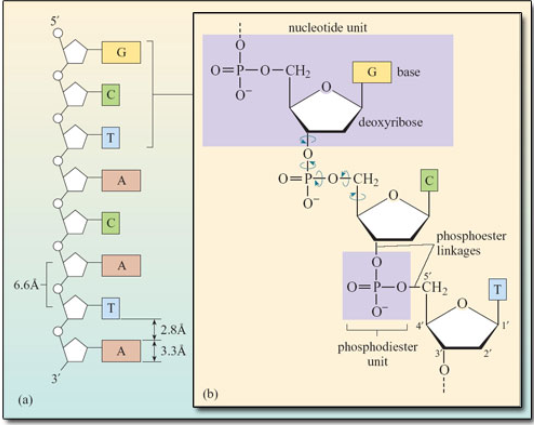
- 134complementary base pairs joined byhydrogen bonds (C and G - 3 h-bonds and A and T - 2 h-bond)
- 135what are enzymes?-protein catalysts which speed up reactions
- 136are enzymes consumed in reactions?-no, for e.g amylase breaks bonds but still exists in the body and thus is used again and again
-soccer game analogy - if the game is the chemical reaction, then the enzymes are the fans cheering in the bleachers which affect the players playing (hype them up), they don't get affected they affect - 137name of enzymes ____ ends in ___usually, "ase"
- 138when writing out an equation, the name of the enzyme goesabove the yield sign
e.g
amylase
amylose -->maltose - 139the reactant that the enzyme works on is called thesubstrate
- 140the substrate binds to a specific portion of the enzyme called theactive site
- 141How do enzymes and substrates fit together?When the substrate enters the active
site, the enzyme recognizes the
functional groups of the substrate. This
leads to a conformational change in the
enzyme to allow the substrate to bind
more efficiently. (the
induced-fit model) - 142When the substrate and enzyme are bound together, it is called theenzyme-substrate complex
- 143what is the induced-fit model?when the enzyme slightly changes (in the Quaternary structure) to fit the substrate
- 144What happens when the substrate binds to the active site?Enzymes decrease the activation
energy (EA) needed for a reaction
to take place but they do not
change the free energy change
(ΔG). - 145what is activation energy?the energy need for the reaction to take place between the enzyme and substrate (each type of reaction needs a different certain amount of energy to proceed)
- 146what is free energy?-(ΔG)
-difference between energy you started with and ended with - 147the enzymes will not change the free energy but will decrease the activation energy (energy required to provoke a reaction) e.g. analogy - u earn $10/week, sweater is $50 but enzyme makes it $30 so that you only have to work 3 weeks, rate of earning does not change, only the time it takes to earn itexplain the following diagram
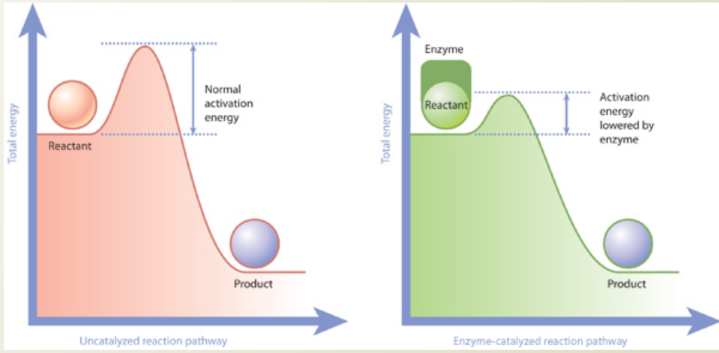
- 148How do enzymes lower the EA?-By stabilizing the
transition state
-By destabilising the
substrate ground state - 149how do enzymes destabilize the substrate ground state?enzymes used highly charged R groups (positively) to interfere with the covalent bonds or inter molecular bonds of substrate
- 150take this moment to draw the flow chart of enzyme regulation
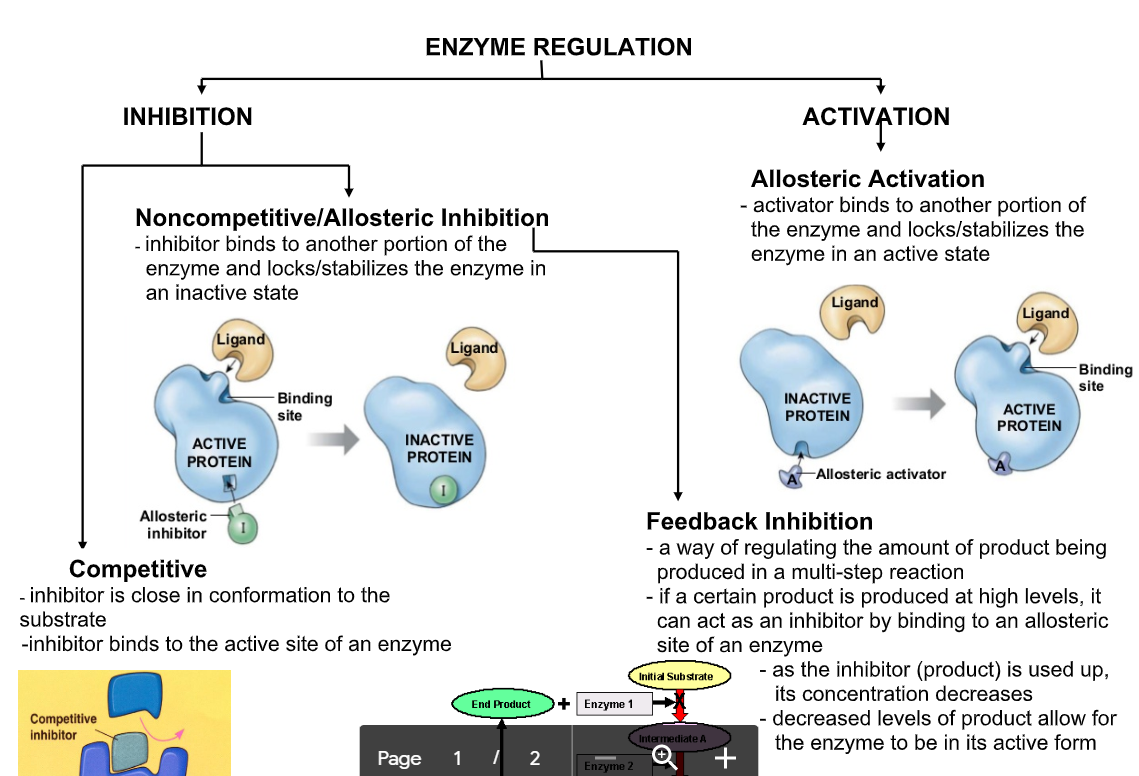
- 151two branches of enzyme regulation and what are they?inhibition (slows down enzyme functionality) and activation (speeds/activates enzyme activity)
- 152what is competitive inhibiton?- inhibitor is close in conformation/shape to the substrate
-inhibitor and substrate compete to enter active site (inhibitor eventually binds to the active site of an enzyme)
-when/if inhibitor binds first, it prevents the substrate from binding - 153application of competitive inhibitor?pharmaceutical companies when they want to manipulate enzymes - blood pressure lowering medicine contains ACE inhibitors (problem is angiotensin raises the blood pressure which causes water retention and blood vessel constriction and ACE (aginotensin converting enzyme) assists in the reaction/process) SO pharamceutical companies use ACE inhibitors to prevent AgI from binding to the active site, thus u cannot convert AgI to AgII and blood pressure cannot rise
- 154competitive inhibiton (how is quantity of inhibitor and substrate related?)quantity of inhibitor and substrate are relevant to the odds (whoever gets there wins) -based on concentration/availability
- 155what is Noncompetitive/Allosteric Inhibition and how does it work?-inhibitor binds to another portion of the enzyme and locks/stabilizes the enzyme in an inactive state
-has nothing to do with the quantity
-shape of active/binding site on enzyme is altered by allosteric inhibitor so substrate (ligands) won't fit - 156application of Noncompetitive/Allosteric Inhibition***hemoglobin - hemoglobin protein has multiple active sites, oxygen is a substrate that binds to the active site in the lungs, when it goes into the tissues, co2 is being produced at high concentrations so carbon dioxide will bind to hemoglobin and become an inhibitor. The co2 binds to a location other than the active site (the allosteric site) so when co2 binds, the enzyme undergoes a conformation change (structure changes to better fit c02) so when that happens, oxygen can no longer bind (cannot fit nicely). By doing this, it is releasing the oxygen it was previously carrying into the tissues. then co2 goes back to the lungs and vice versa occurs so that co2 can be released out of the body
- 157Allosteric Activation- activator binds to another portion of
the enzyme and locks/stabilizes the
enzyme in an active state (opposite of noncompetitive inhibition)
- - 158homotrophicwhen the activator is also the substrate
- 159application/example of Allosteric Activationwhen oxygen gas binds to hemoglobin, it goes into a shape that fits/allows for more oxygen gas, the alveoli fill with oxygen gas and then o2 binds to hemoglobin on red blood cells to be transported ("oxygen saturation")
- 160Feedback Inhibition-a way of regulating the amount of product being produced in a multi-step reaction
-the inhibitor is also the product
- if a certain product is produced at high levels, it can act as an inhibitor by binding to an allosteric site of an enzyme
-thus, the enzyme activity decreases
- as the inhibitor (product) is not being produced/produced more slowly,
its concentration decreases
- decreased levels of product allow for
the enzyme to be in its active form because its not being inhibited - 161Feedback Inhibition application****isoleucine - amino acid used for building muscle (as long as u keep working out, you are putting on muscle mass) it produces building blocks of tissue, usage and production go hand in hand (the more usage, the more that's produced) so when u stop working out (ie injury), as isoleucine accumulates, it inhibits initial substrate
- 162meaning of "the fluid mosaic model"1. mosaic - made of many different parts
2. fluid - phospholipds are fluid and allow materials to pass through cell membrane - 163what is meant by "The cell membrane is a selectively permeable phospholipid bilayer"means some materials get in, some do not
- 164The method by which materials cross the membrane is dictated by:1. size (e.g. smaller particles like water and oxygen can pass through)
2. polarity (non-polar can cross more easily because of thick hydrophobic core)
3. charge (charged particles like ions struggle to pass through because like dissolves like and ions are polar) - 1653 types of transport and subcategories:passive (simple diffusion (osmosis), active and bulk transport (endocytisis (and phagocytisis and pinocystis) exocytisis)
- 166passive transport - simple diffusion-when particles move from an area of high concentration to an
area of low concentration (down a concentration gradient)
-diffusion continues until dynamic equilibrium is reached. - 167dynamic equilibrium-describes the state at which ratio of reactants and products are balanced (same concentration of both particles) and do not change, but substances move between the chemicals at an equal rate (some going in and some going out)
- 168passive transport - simple diffusion example-perfume particles (diffuse into the air and concentration of oxygen and perfume particles are eventually balanced)
- 169The rate of diffusion can be altered by:concentration of solute molecules
temperature
pressure - 170osmosis-a special type of simple diffusion
-the movement of WATER from an area of high concentration to an area of low concentration
-water moves through a membrane from the side with a lower solute concentration to the side with a higher
solute concentration. Dynamic equilibrium occurs when enough water has moved to equalize the solute concentrations on both sides of the membrane. - 171Isotonic solutionthe two solutions on either side of the
membrane have the SAME solute concentration - 172Hypertonic solution– a solution on one side of the membrane has a HIGHER concentration of solute than the other side
-think hyper=faster=bigger=more - 173Hypotonic solution-a solution on one side of the membrane has a LOWER concentration of solute than the other side
- 174How can osmosis be explained? (2)-one side is more hypertonic relative to the other so the water will move from higher concentration to lower to make it isotonic
-in highly concentrated sugar side, there are physically solutes that block h2o from moving past cell membrane but eventually, overtime, some will pass through (mechanical interference) - 175explain osmosis in living cells-there are red blood cells, white blood cells and plasma in the blood vessels
-the cytoplasm in cells must be isotonic with plasma - 176osmosis examples with IV bags (2)1. -IV bags increase the concentration of plasma
-to equalize, water comes out of cells to dilute plasma on outside, causing shriveled cells (hypotonic solution)
2. when IV bags are filled with distilled water instead of physiological saline, IV bag drips h2o into blood vessel plasma, rushing into red blood cell membrane to equalize but the red blood cell membrane can only withstand so much pressure, thus bursts and swells, explodes and person dies because they have no ability to transport oxygen (process=hemolysis) - 177other osmosis examples (2)1. -eating salty chips makes you thirsty
-salt concentration draws out water from mouth and tongue cells, higher concentration requires water to be isotonic, thus drinking
2. - winter roads with ice and salt
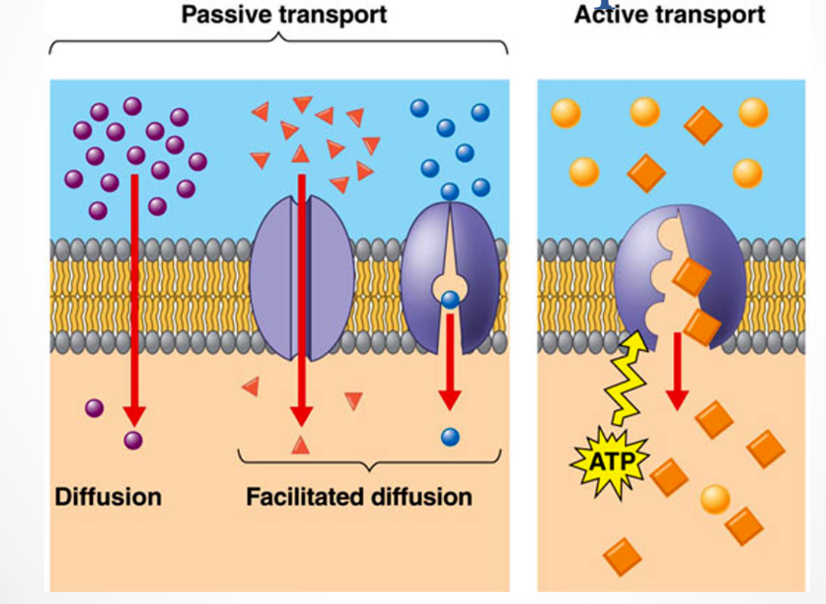
-when ice thaws, becomes water, salt dissolves h2o, then runs and enters roots of plants, concentration is too high and kills them - 178Passive Transport - Facilitated Diffusion-particles are still moving down a concentration gradient (moves from high to low concentration)
-travel faster than by simple diffusion
-are assisted across the membrane by integral membrane proteins
-proteins are usually specialized for a specific type of particle - 179integral membrane proteins types (2)1. carrier proteins (e.g glut-4 is a carrier protein that throws glucose out of the cell)
2. ion channels - water filled (hydrophillic) channels - because ions cannot pass through normally because they are charged but get a free pass with ion channels - 180what is Active Transport and how is it different?-works against a concentration
gradient (low to high)
-cells may “stockpile” molecules that they need at a very high concentration in the
cell
-catalyzed by specialized
membrane-associated enzymes
often referred to as “pumps”
-protein enzymes use ATP (energy molecules) to pump molecules through - 181active transport example-in the small intestine, glucose will pass through by facilitated and simple diffusion
-embedded in intestines are pumps which push amino acids and glucose out of the intestine - 182draw diagrams for passive and active transport now:
- 183bulk transport iswhen the membrane changes shape (particle enters as membrane wraps around it like a bubble and pops out of the other side)
- 184bulk transport types and subtypes1.endocytosis (phagocytosis and pinocytosis)
2. exocytosis - 185Endocytosismovement of large amounts of material INTO the cell
- 186Pinocytosis (what is it and example)-"cell drinking"
-as opposed to being solid in nature, its liquid in nature
-example: absorption of liquid droplets by intestinal cells) - 187Phagocytosis (what is it and examples (3))– cell eating
-movement of solids
-example:
1. phagocytosis vesicles engulf "food" and lysosomes release digestive enzymes into vesicle and break down nutrients
2. macrophages (large cells part of immune cell network) engulf microorganisms (bacteria)
3.amoeba eats paramecium - 188Exocytosis-movement of large amounts of material OUT OF the cell
-gets rid of garbage
-produces something valuable (insulin) and releases it - 189excocytisis examples1. metabolic waste: broken down bacteria parts (by macrophage) transported out of cell
2. insulin is secreted from cell and diffuses into blood - 190what do functional groups do? (3)-they have the ability to hydrogen bond
-change the polarity
-change the pH of an environment - 191condensation or dehydration synthesis what is it and it occurs when (explain when/how it occurs for each macro molecule)?-process of joining two molecules, or compounds, together following the removal of water whereas in hydrolysis, water is added to molecule to dissolve those bonds
-when monosaccarides form polysaccarides
-Dehydration synthesis between two molecules when the carboxyl group of one amino acid reacts with the amino group of the other amino acid, releasing a molecule of water (H2O) (dehydration synthesis creates a peptide bond
-Dehydration synthesis reactions in lipids form an ester linkage between the carboxyl group of a fatty acid and the hydroxyl group of an alcohol monomer such as glycerol
-During dehydration synthesis, a phosphodiester linkage forms between the phosphate group of one nucleotide and the sugar of another nucleotide. - 192chitin application- tough but biodegradable and can thus be used for contact lenses or dissolving stitches
- 193identify ester linkage here in this diagram
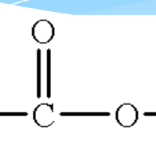
- 194difference between alpha helix and beta pleated secondary protein structures?alpha helix = hydrogen bonding between carboxylic acid and amino group (hydrogen bonds are between the same strand)
beta pleated = hydrogen bonding between strands and more space for side chains - 195hemolysisthe destruction of red blood cells which bursts and swells, explodes and person dies because they have no ability to transport oxygen
- 196crenationThe shrinkage of cells that occurs when the surrounding solution is hypertonic to the cellular cytoplasm.
Information
- Description
- Grade 12 Biology Flashcards on BIOCHEM, created by Devshi Perera on 15/09/2019.
- Created by
- Devshi Perera
- Views
- 3
- Rating