
Flashcards
Anatomy and Physiology LAB exam III study guide
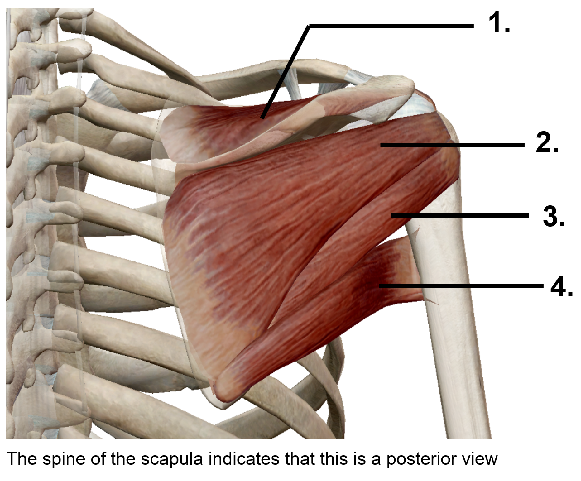
Cards in this deck (192)
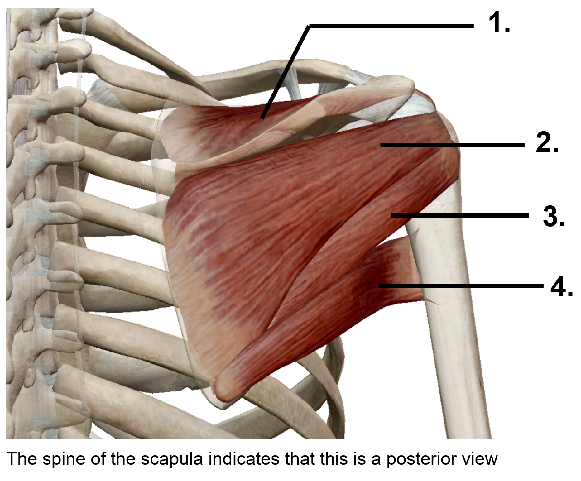
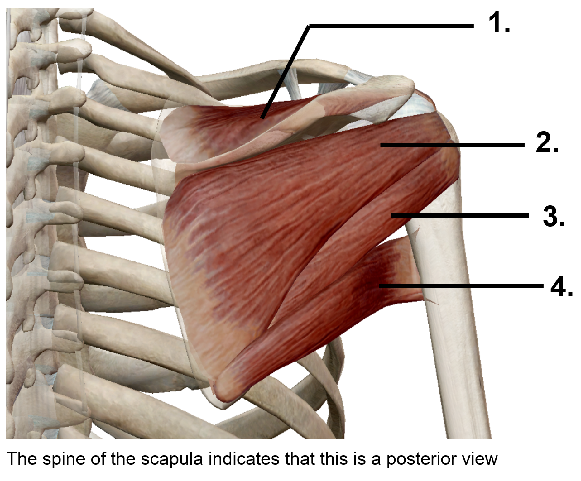
- 1Identify muscle #4Teres Major
- 2Identify muscle #3Teres Minor
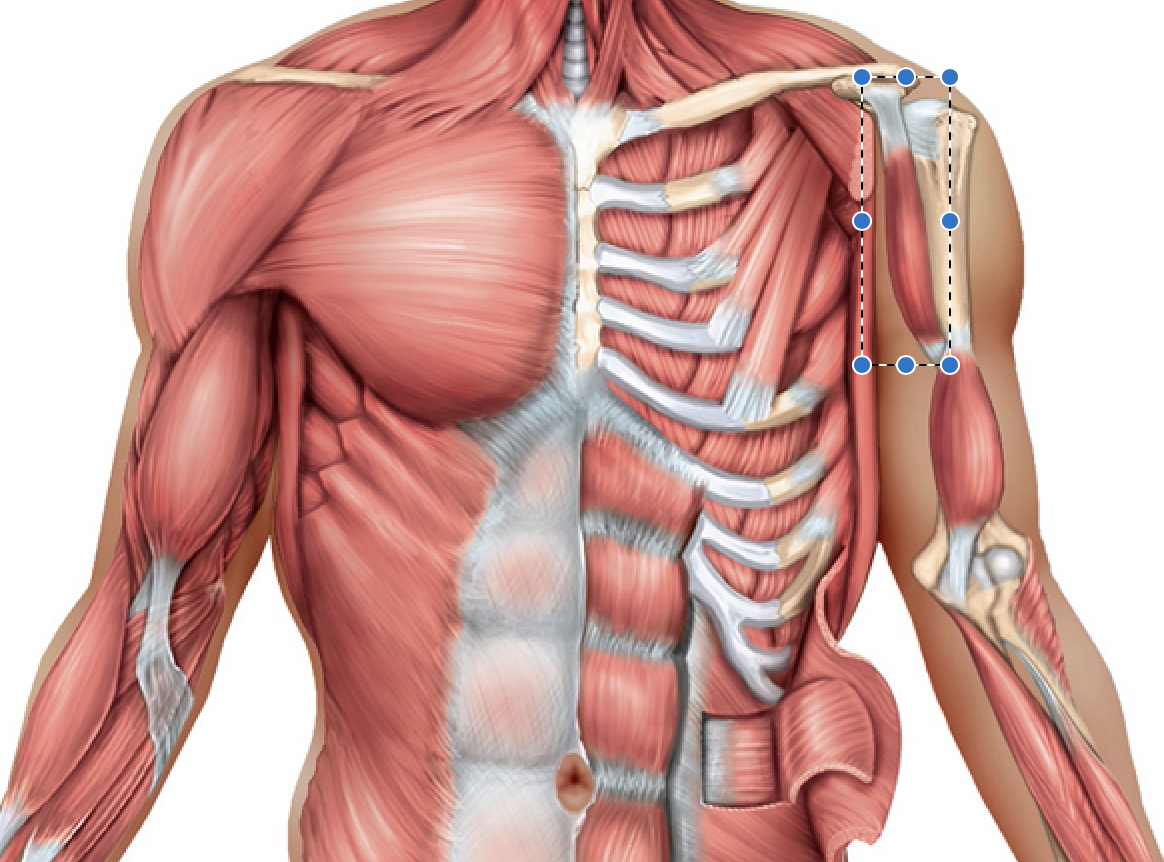
- 3Identify the muscle indicated by the dotted rectangleCoracobrachialis
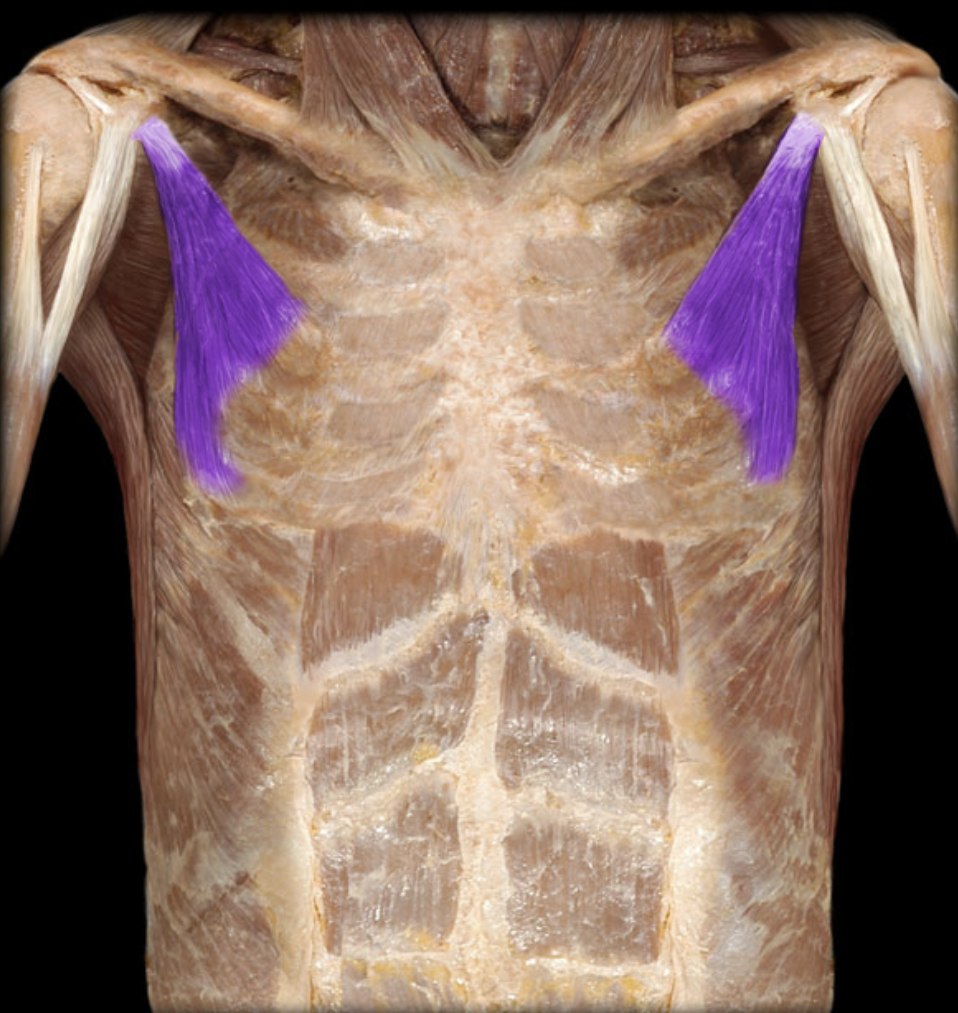
- 4Identify the indicated musclePectoralis Minor
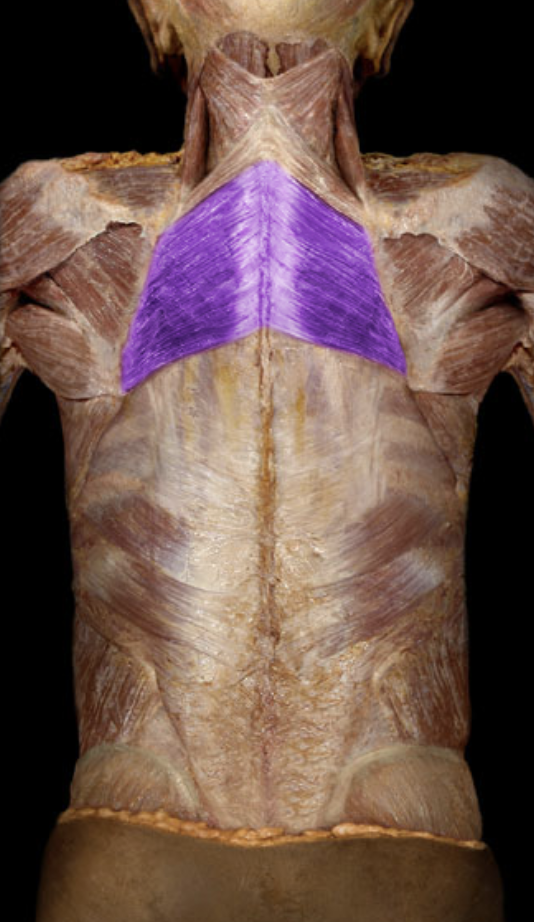
- 5Identify the indicated muscleRhomboid Major
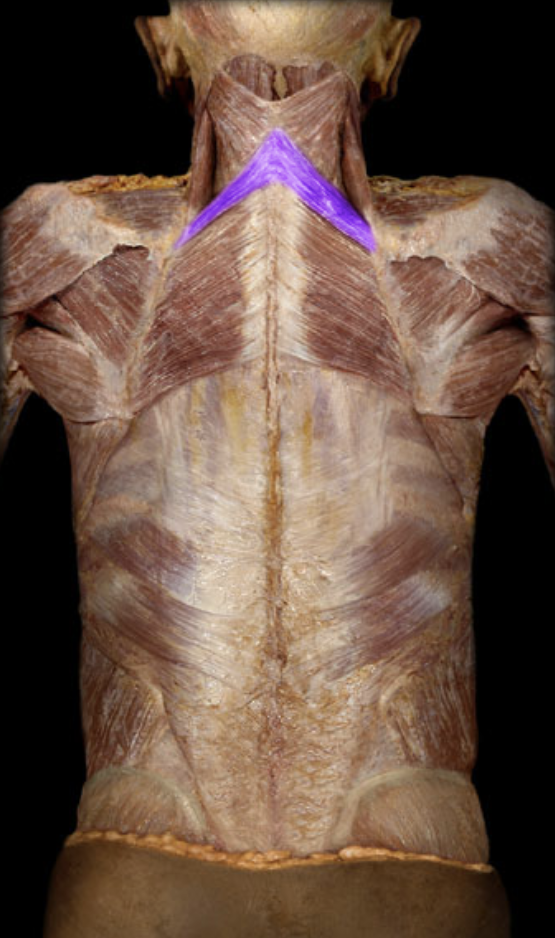
- 6Identify the indicated muscleRhomboid Minor
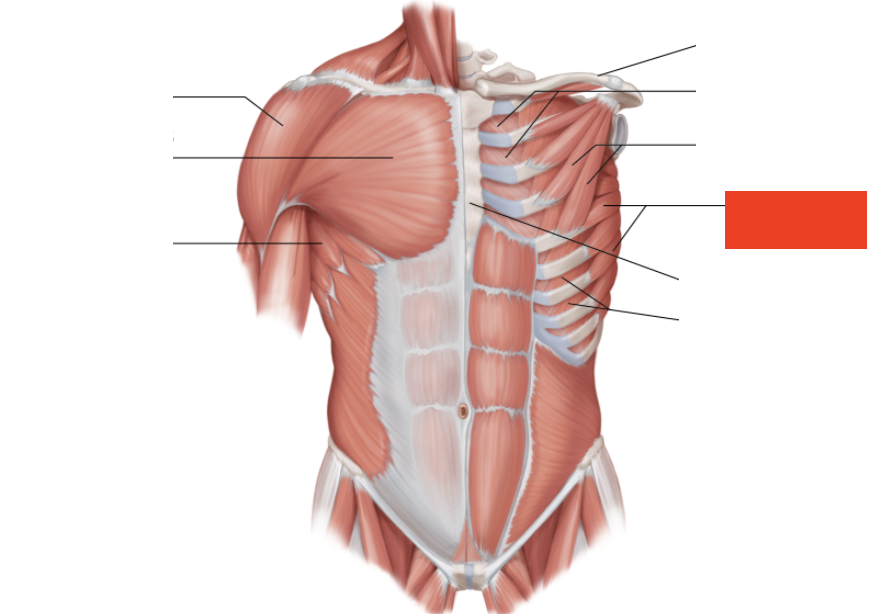
- 7Identify the muscle indicated by the red box.Serratus Anterior
- 8Which muscle is #2?Infraspinatus
- 9Identify the muscle indicated by the red boxSupraspinatus
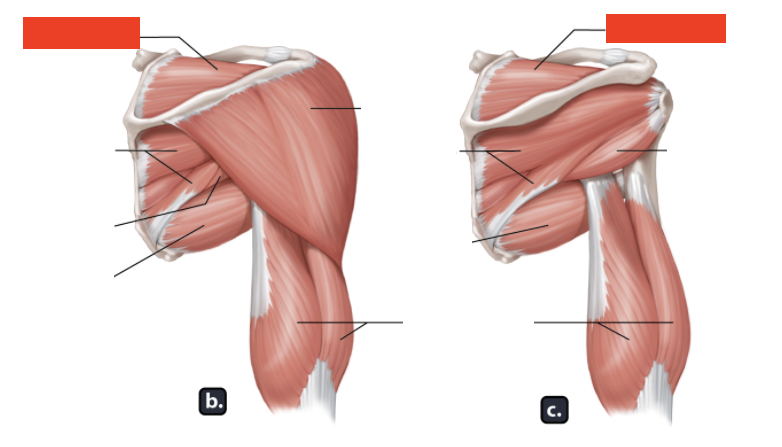
- 10Identify the muscle indicated by the red boxSubscapularis
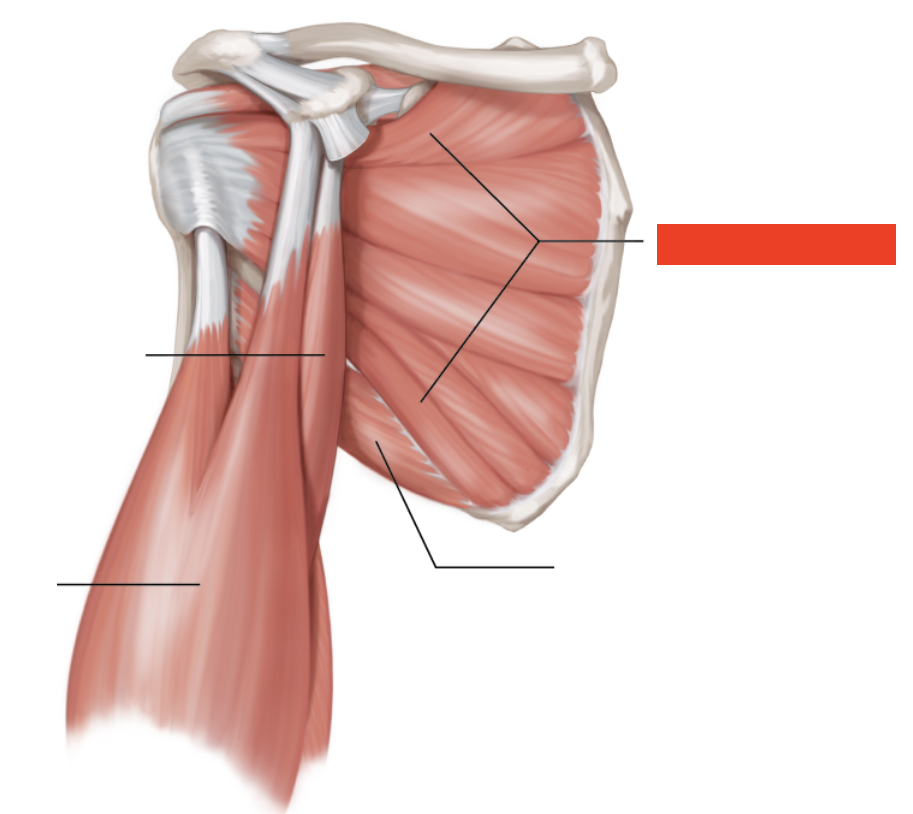
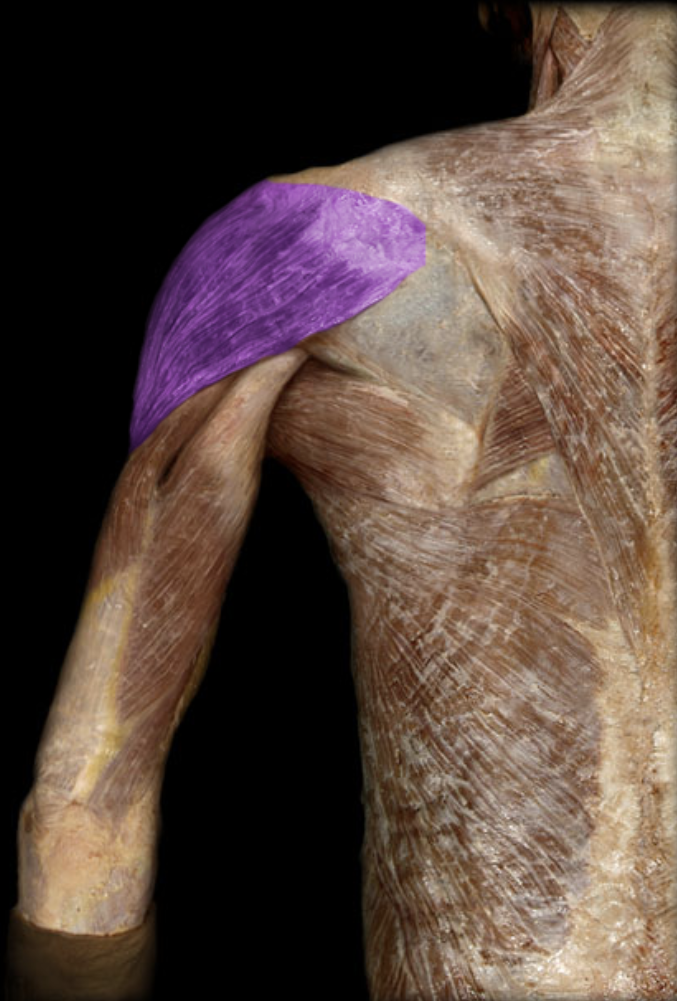
- 11Identify the indicated muscleDeltoid
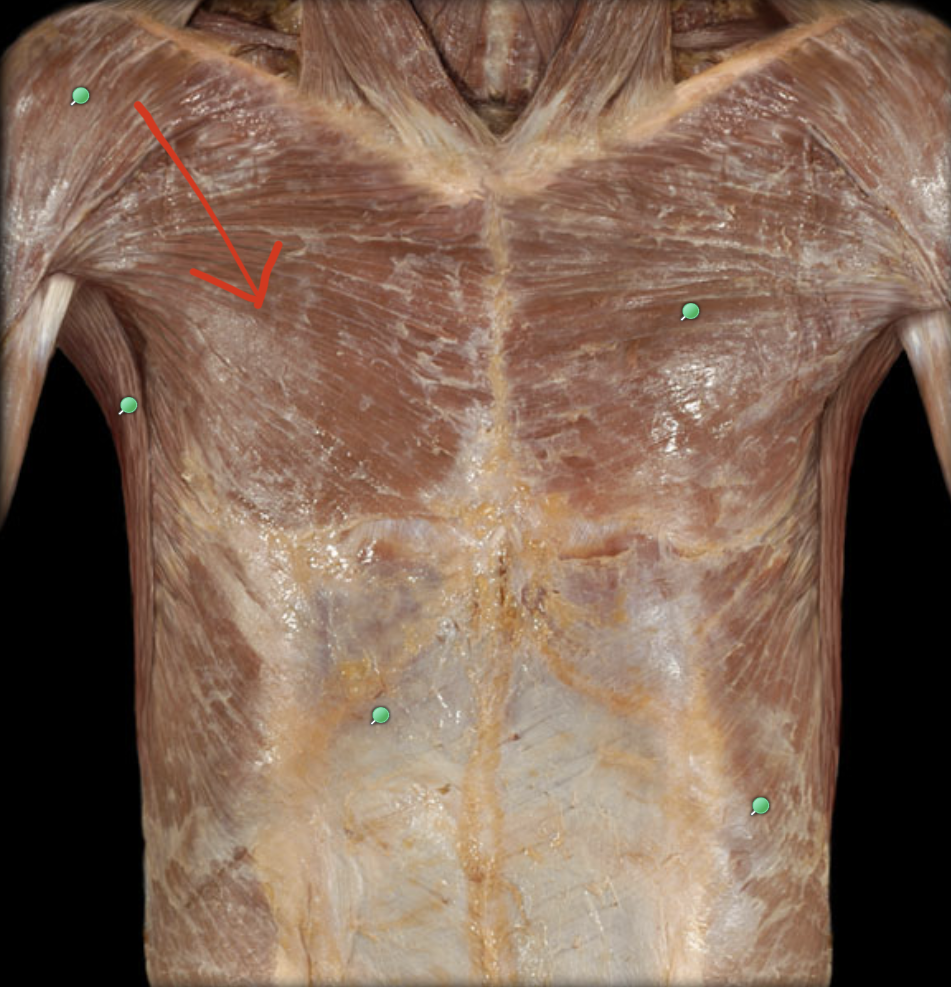
- 12Identify the indicated musclePectoralis Major
- 13Identify the indicated muscle.Trapezius M.
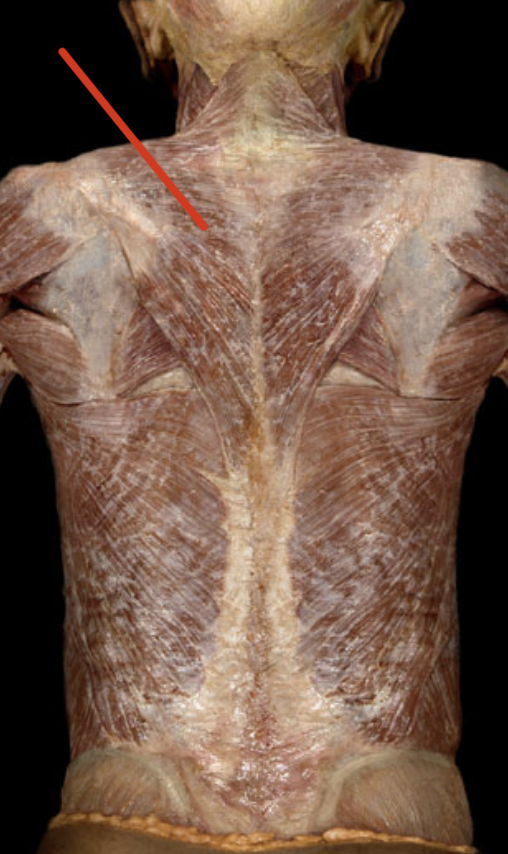
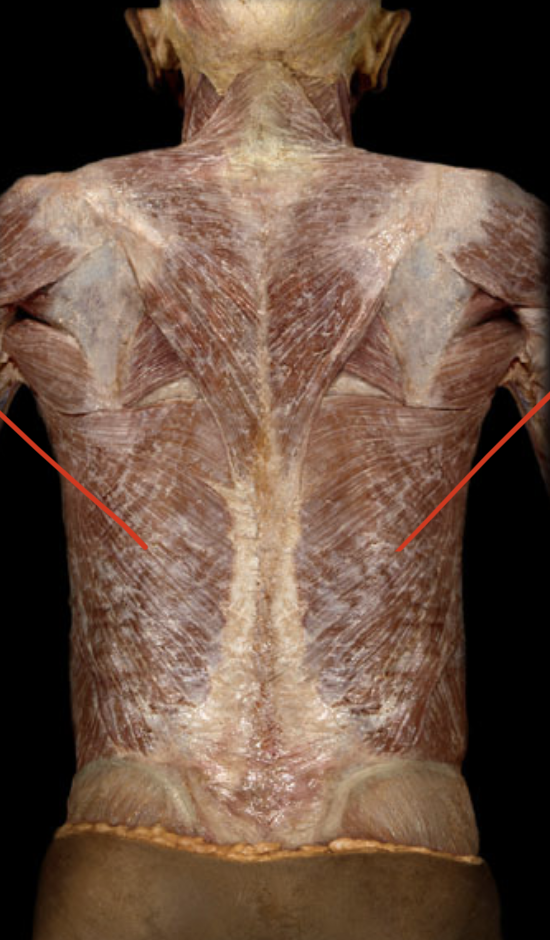
- 14Identify the Indicated muscle.Latissimus Dorsi
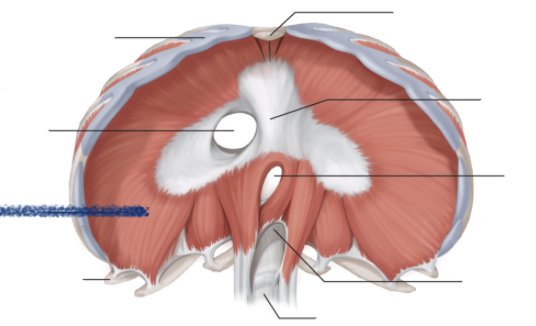
- 15Identify the indicated muscle.Diaphragm
- 16Which of the following is an action/are actions of the pectoralis major?flexes, adducts and rotates arm medially
- 17Which of the following is an action/are actions of the latissimus dorsi?Extends, adducts and rotates arm medially
- 18Which of the following is an action/are actions of the teres major?Extends, adducts, and rotates arm medially
- 19Which of the following is an action/are actions of the trapezius on the shoulder?Elevates, rotates, depresses scapula
- 20Which of the following is an action/are actions of the deltoid?flexes, extends, and abducts arm
- 21Which of the following is an action/are actions of the supraspinatus?Abducts arm
- 22Which of the following is an action/are actions of the subscapularis?Rotates arm medially
- 23What is the action of the infraspinatus?Rotates arm laterally (shoulder)
- 24What is the action of the pectoralis minor?Protracts the scapula
- 25What is the action of the serratus anterior?Protracts the scapula
- 26What is the action of the rhomboid major?Retracts and elevates the scapula
- 27What is the action of the rhomboid minor?Retracts and elevates the scapula
- 28What is the action of the levator scapulaeElevates the scapula
- 29What is the action of the teres major?Rotates the arm laterally (shoulder)
- 30What are the actions of the coracobrachialis?Flexes and adducts arm
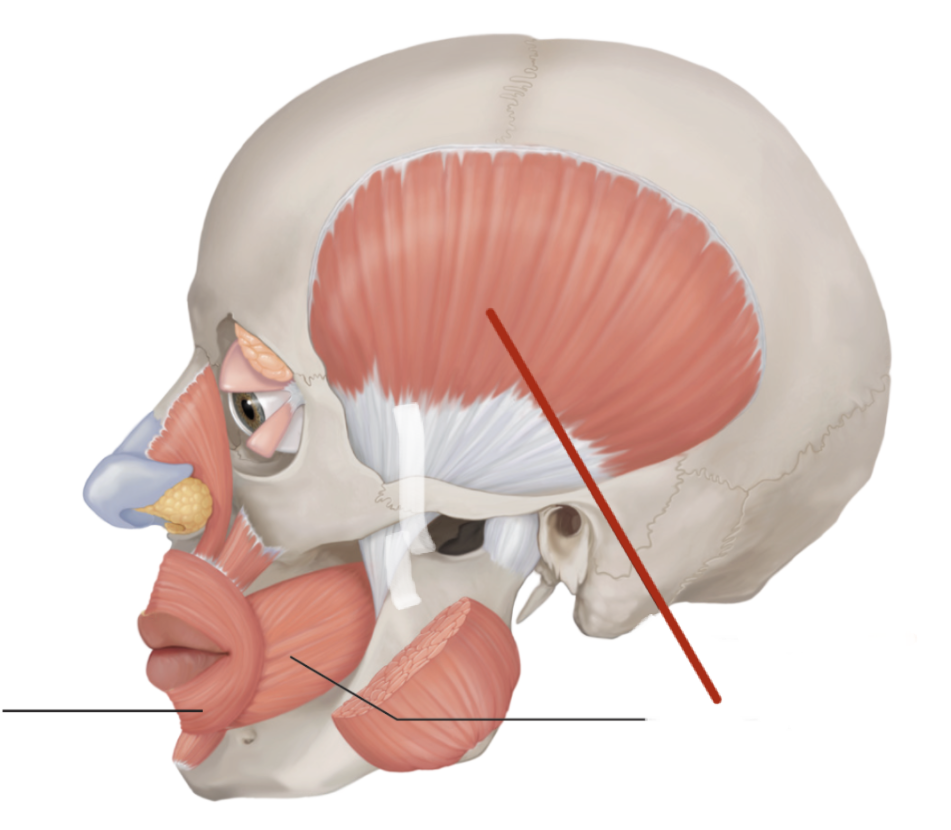
- 31Identify the indicated muscleTemporalis
- 32Identify the indicated muscleTrapezius
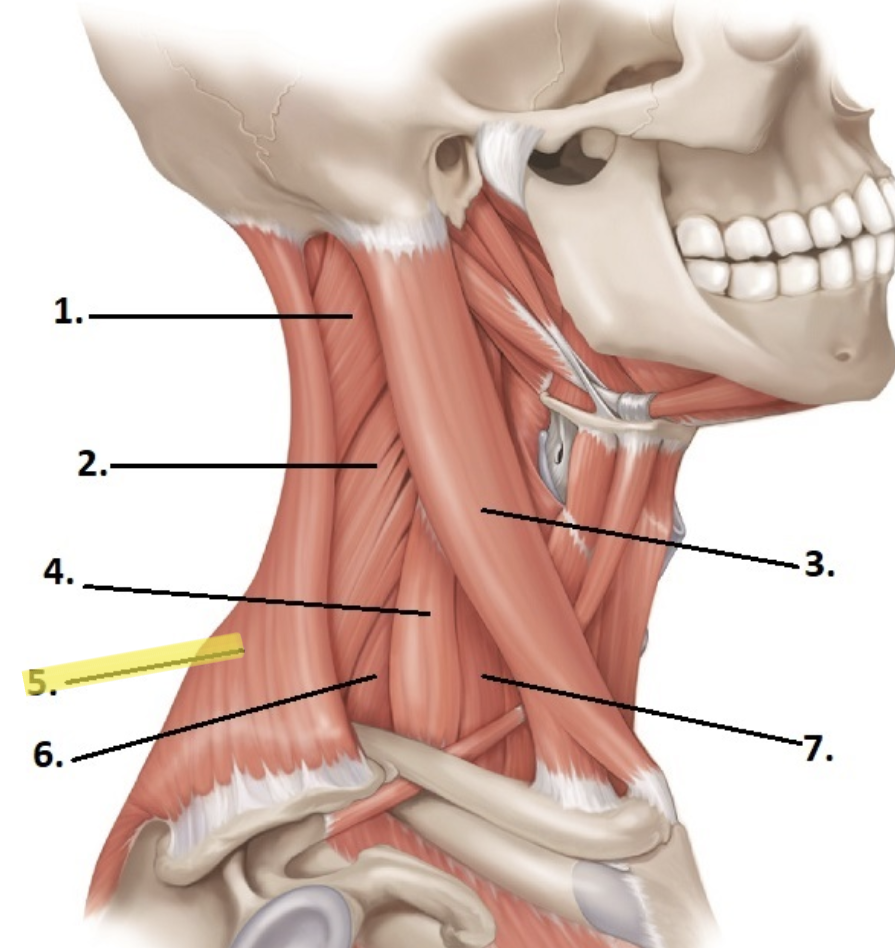
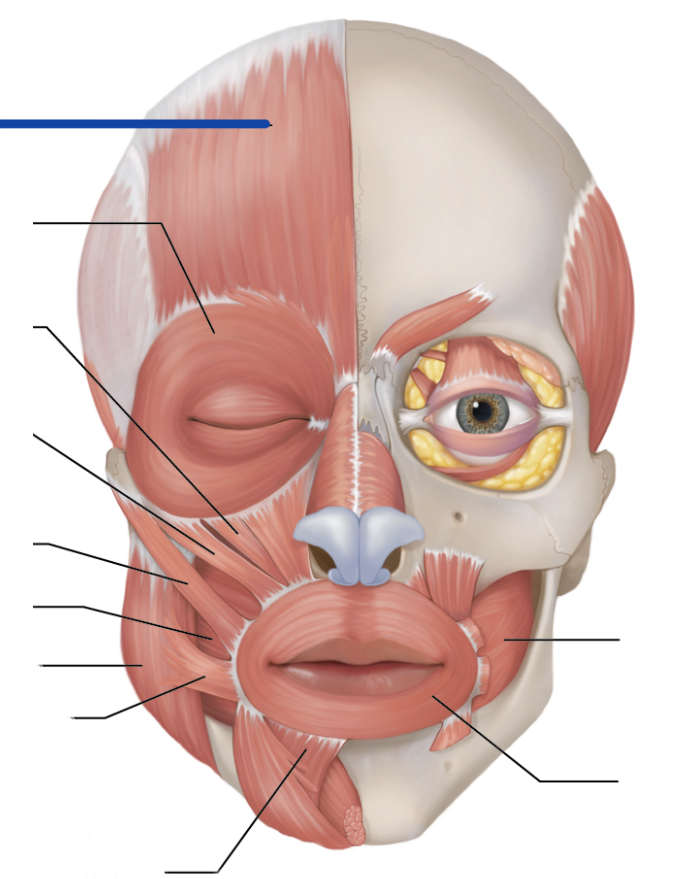
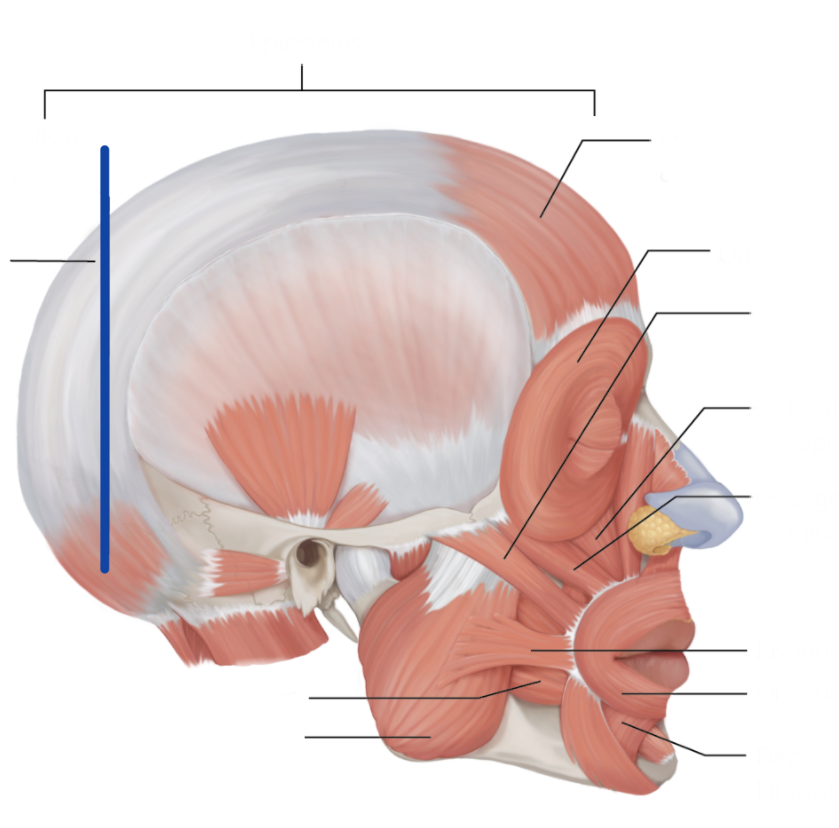
- 33Identify the indicated muscleFrontal belly of epicranius
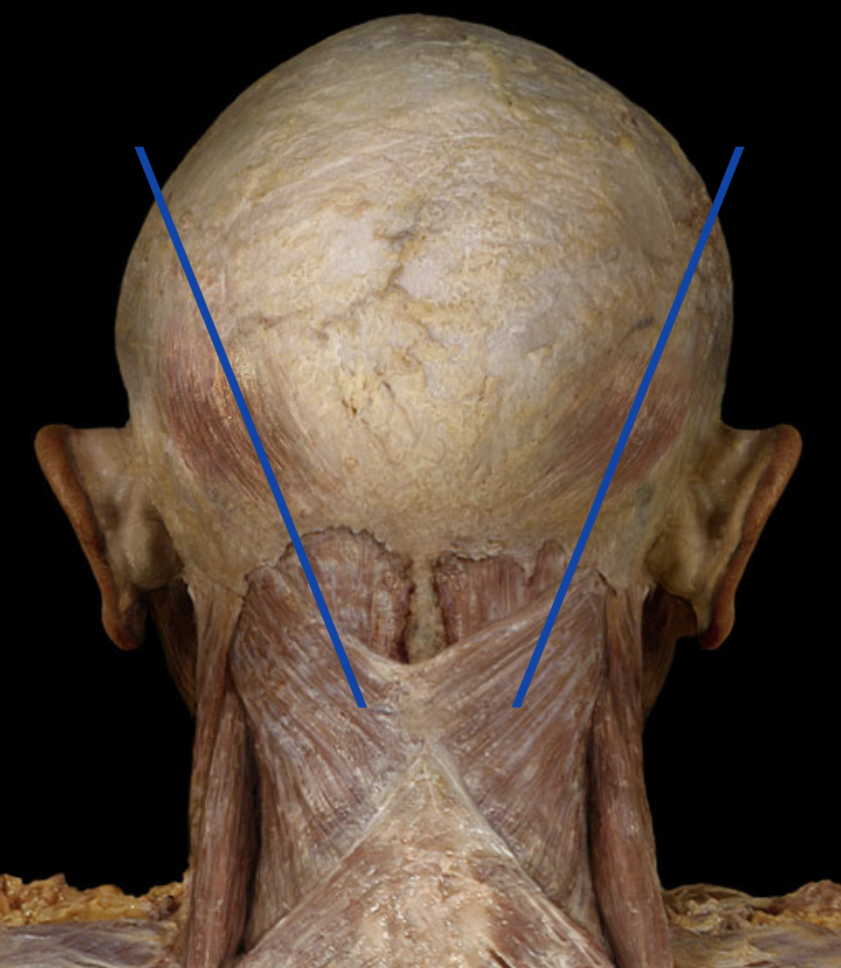
- 34Identify the indicated muscleOccipital belly of epicranius
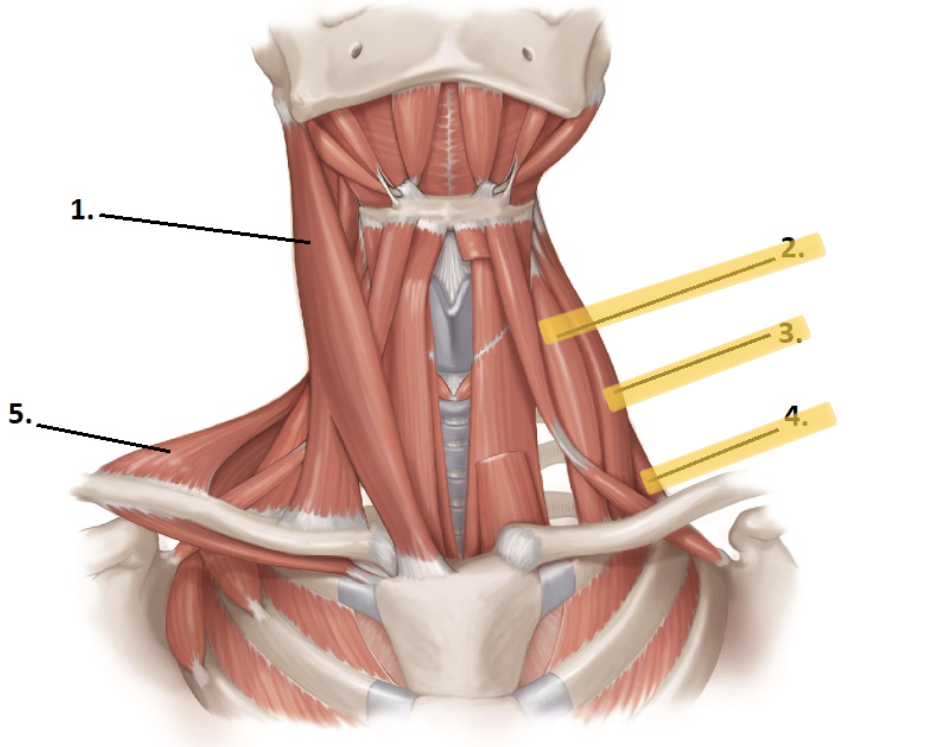
- 35Identify the indicated muscleSplenius capitis
- 36Identify the indicated muscleOrbicularis oculi
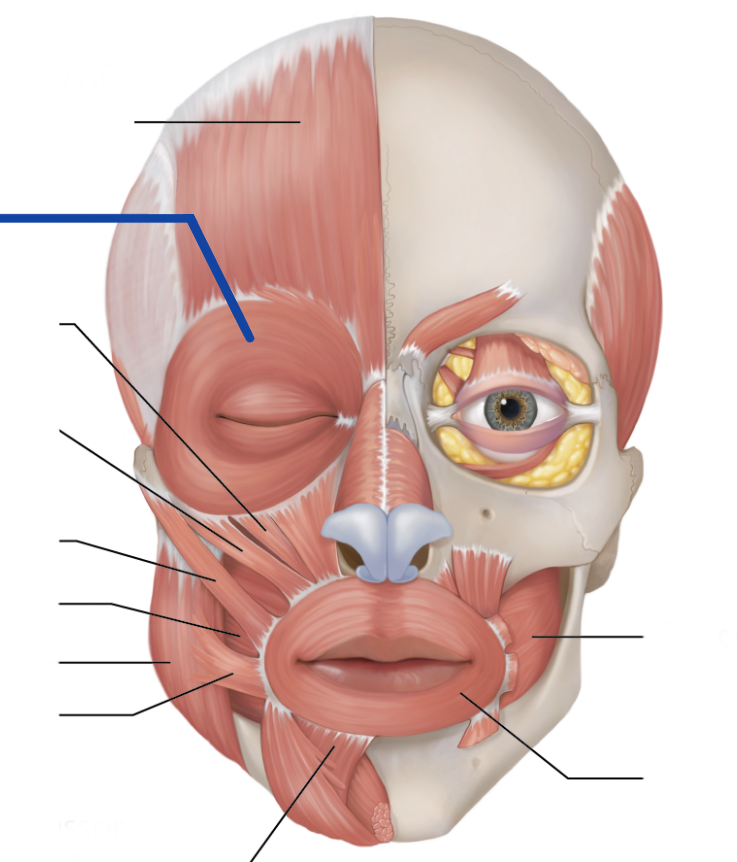
- 37Identify the indicated muscleZygomaticus minor
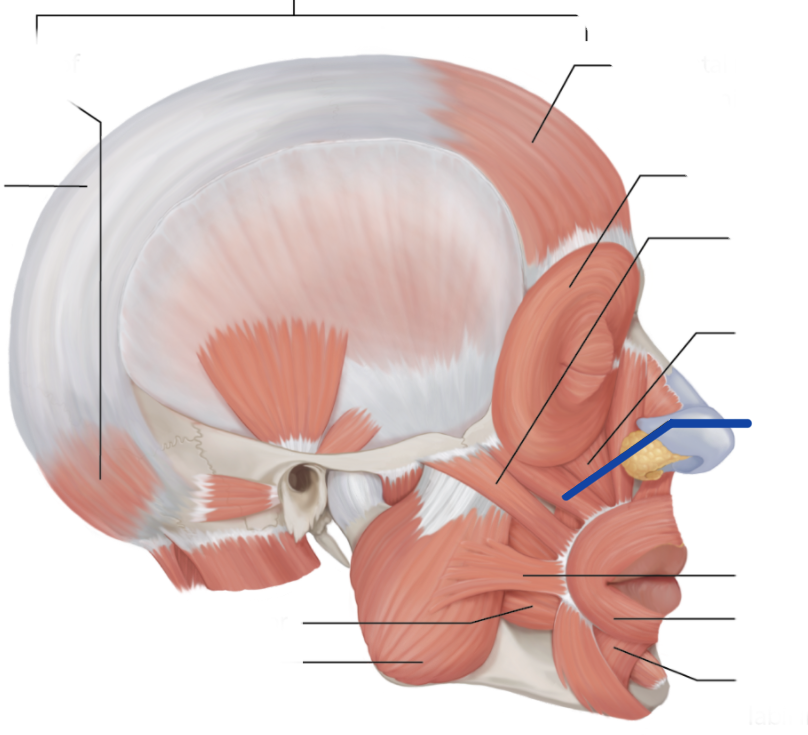
- 38Identify the indicated musclePlatysma
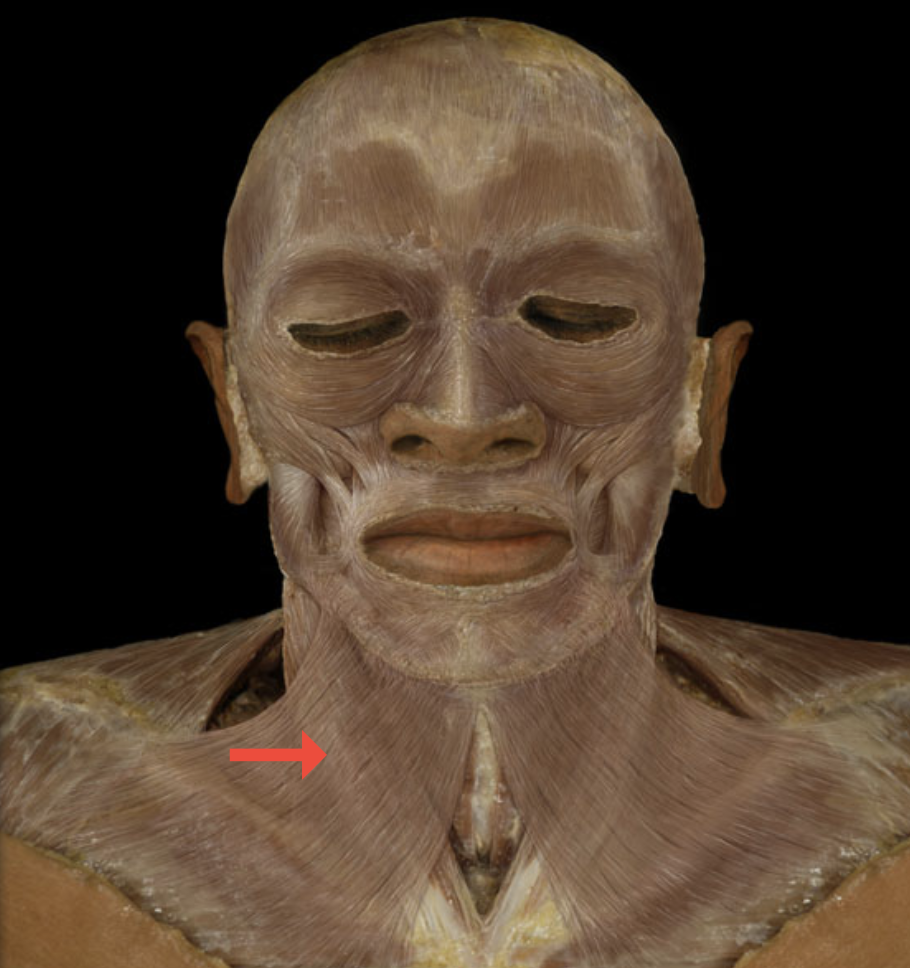
- 39Identify the indicated muscleSternocleidomastoid
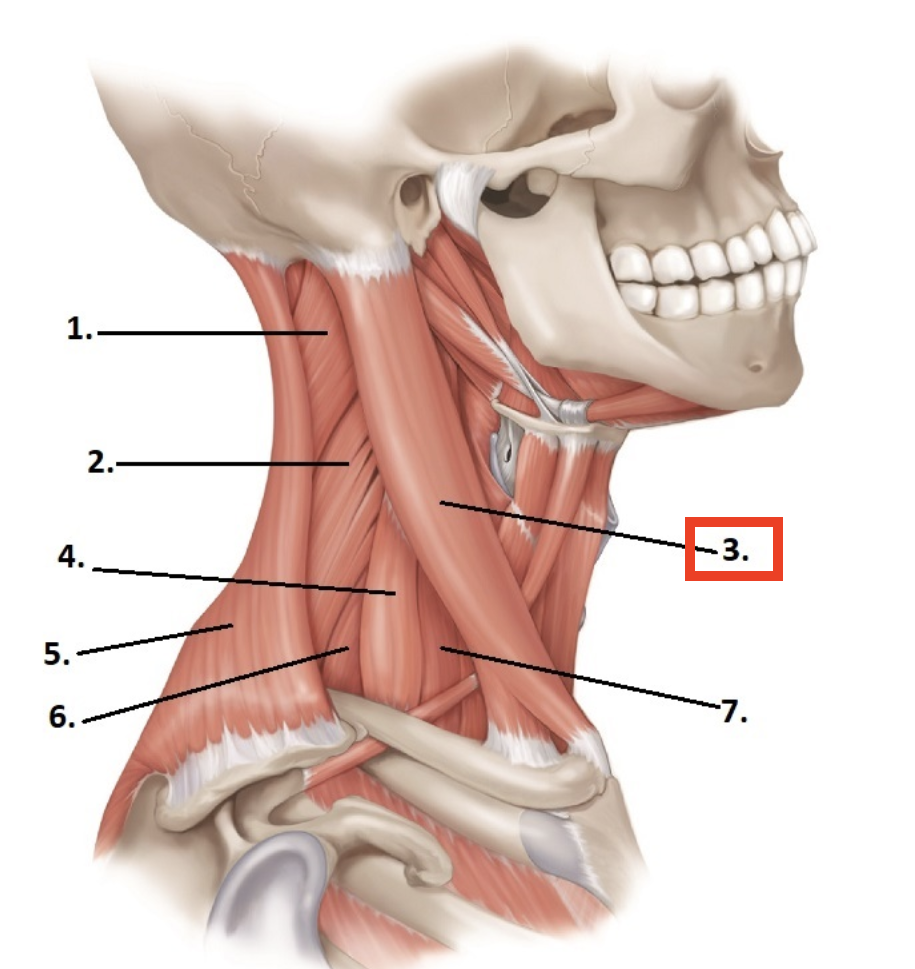
- 40Identify the indicated muscleZygomaticus major
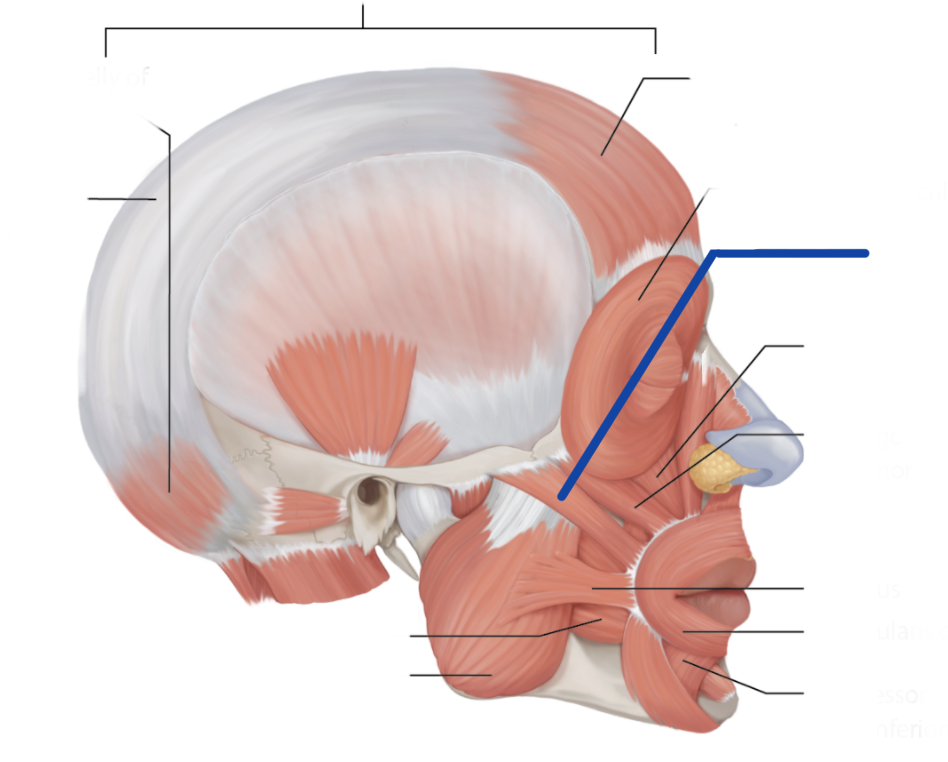
- 41Identify the indicated muscleExternal oblique
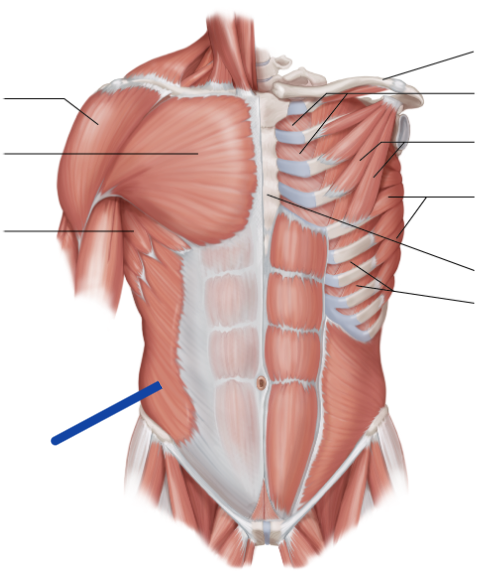
- 42Identify the indicated muscleLevator labii superioris
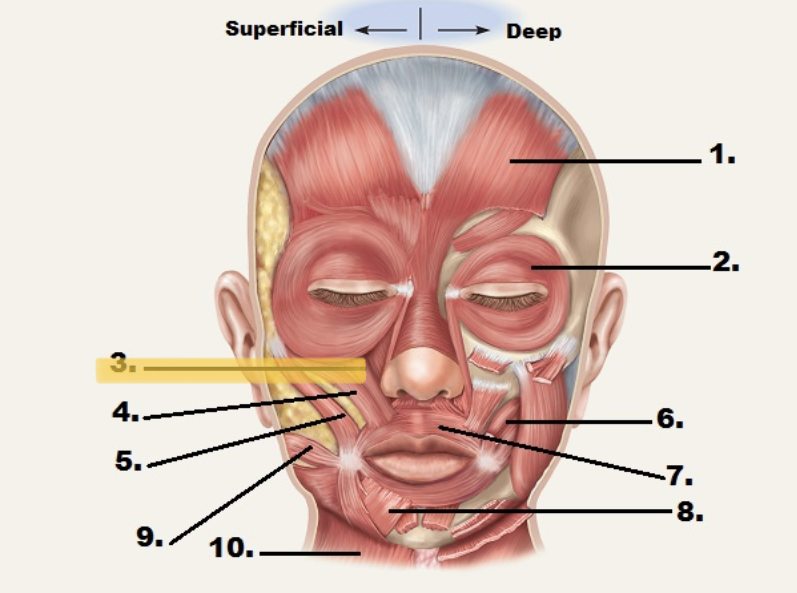
- 43Identify the indicated muscleDepressor labii inferioris
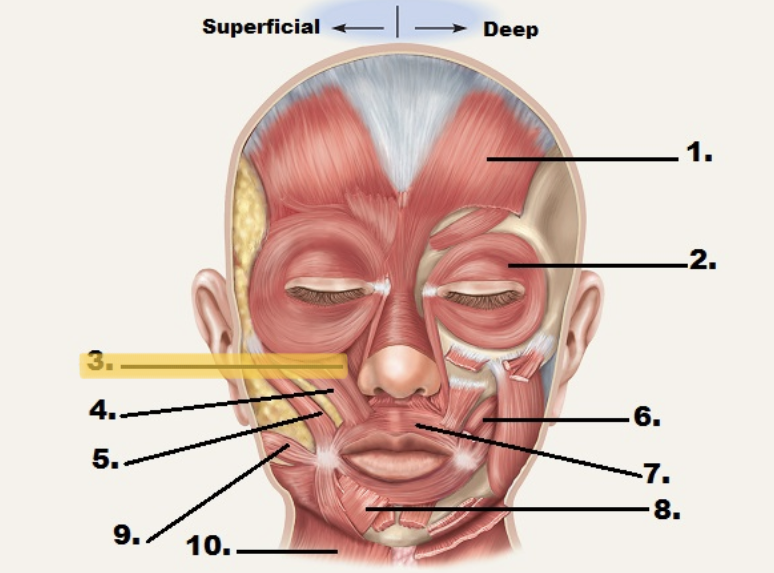
- 44Identify the indicated muscle groupScalenes (anterior, middle, posterior)
- 45Identify the indicated muscleRisorius
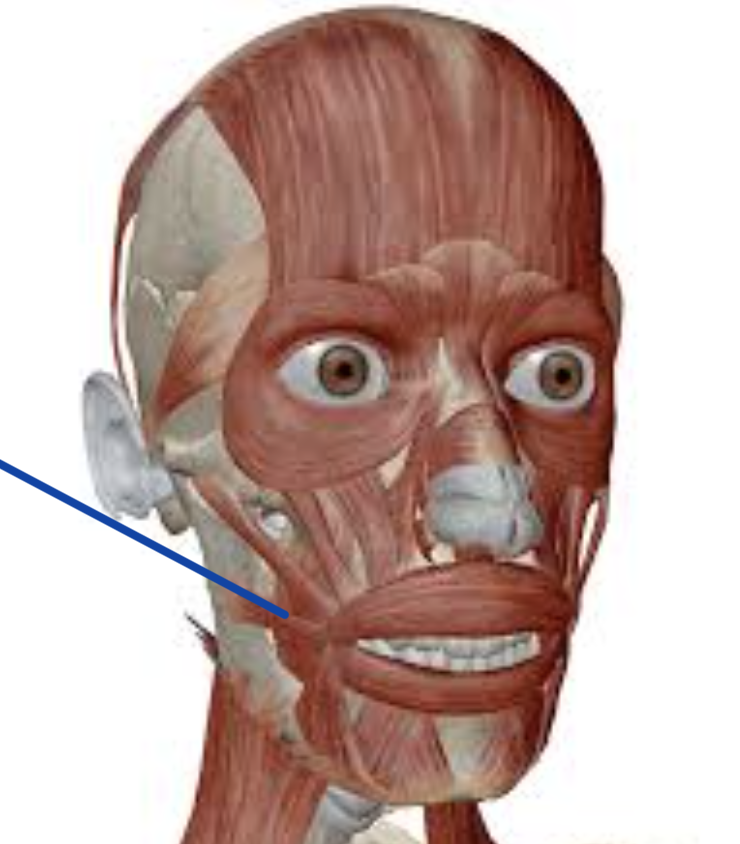
- 46Identify the indicated muscleBuccinator
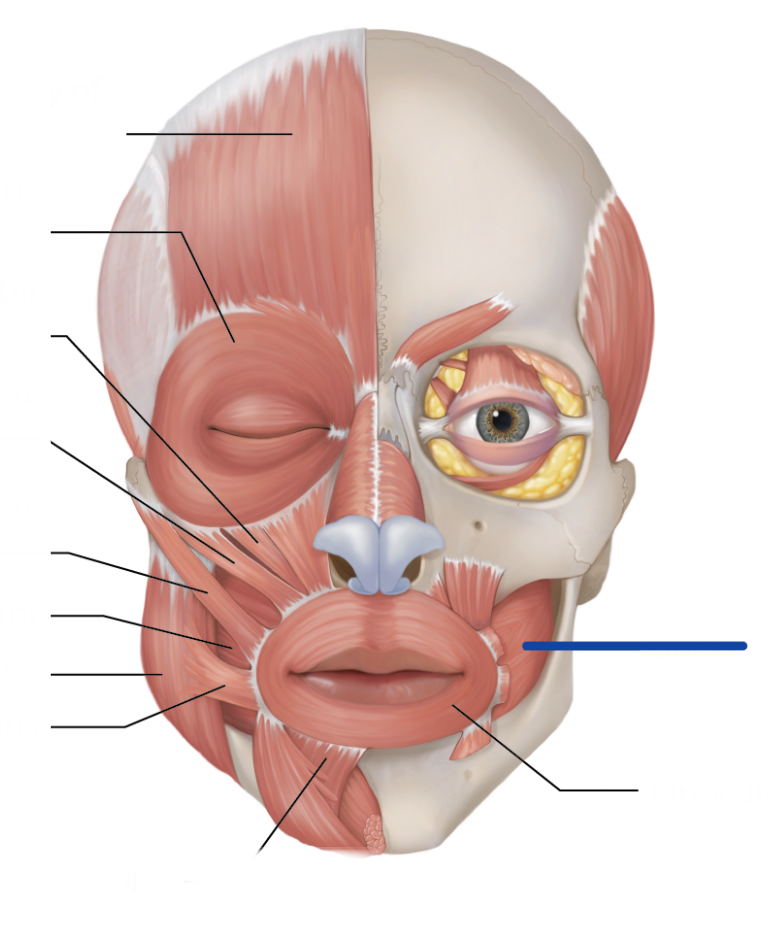
- 47Identify the indicated muscleMasseter
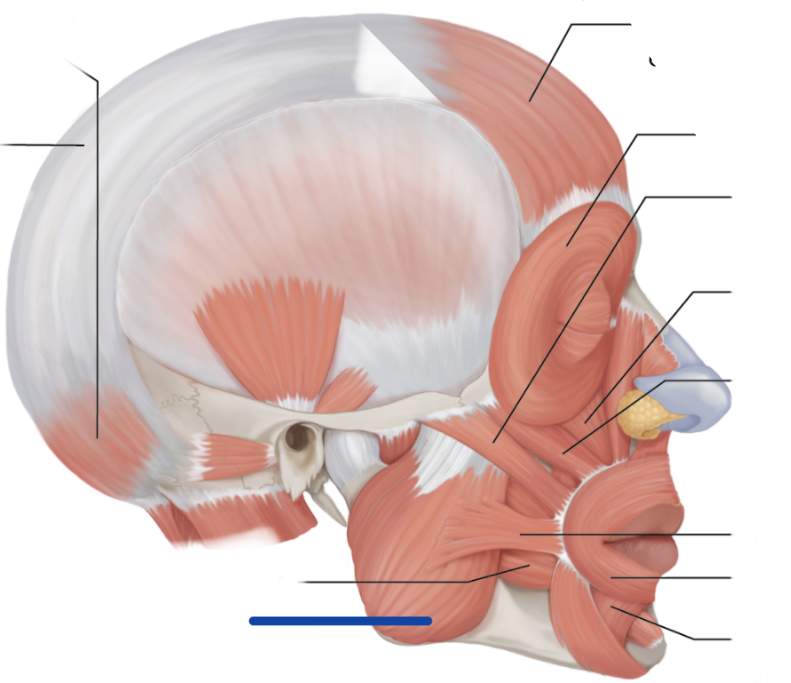
- 48Identify the indicated muscleMedial pterygoid
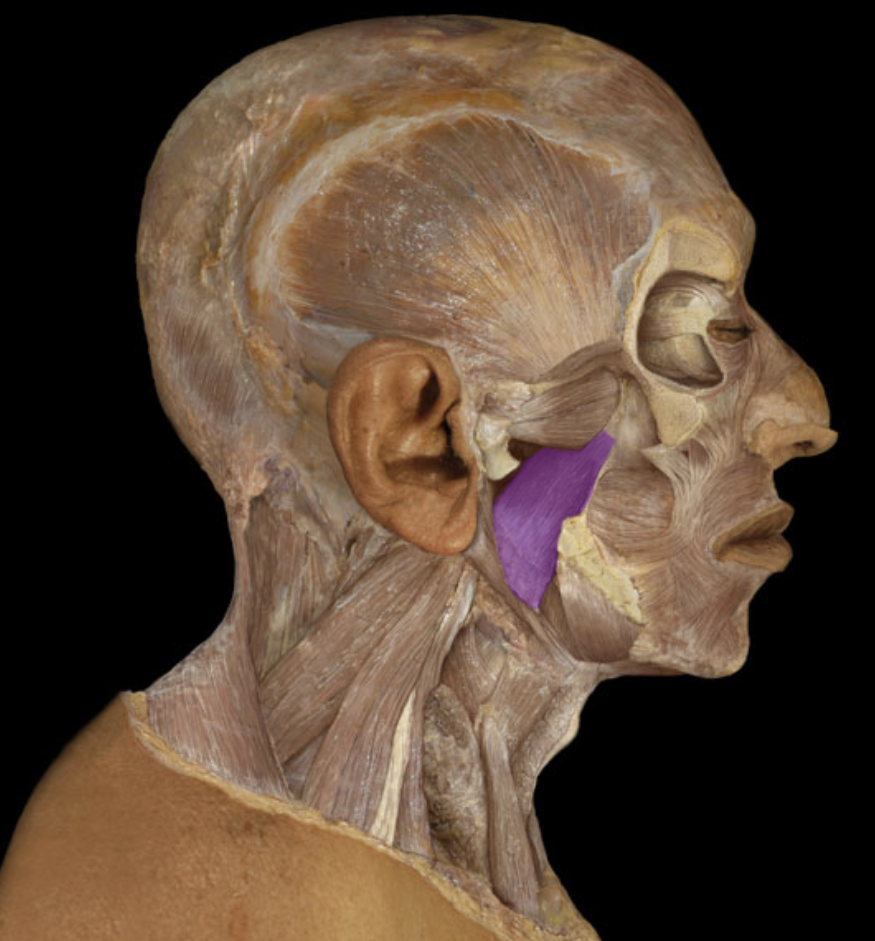
- 49Identify the indicated muscleLateral pterygoid
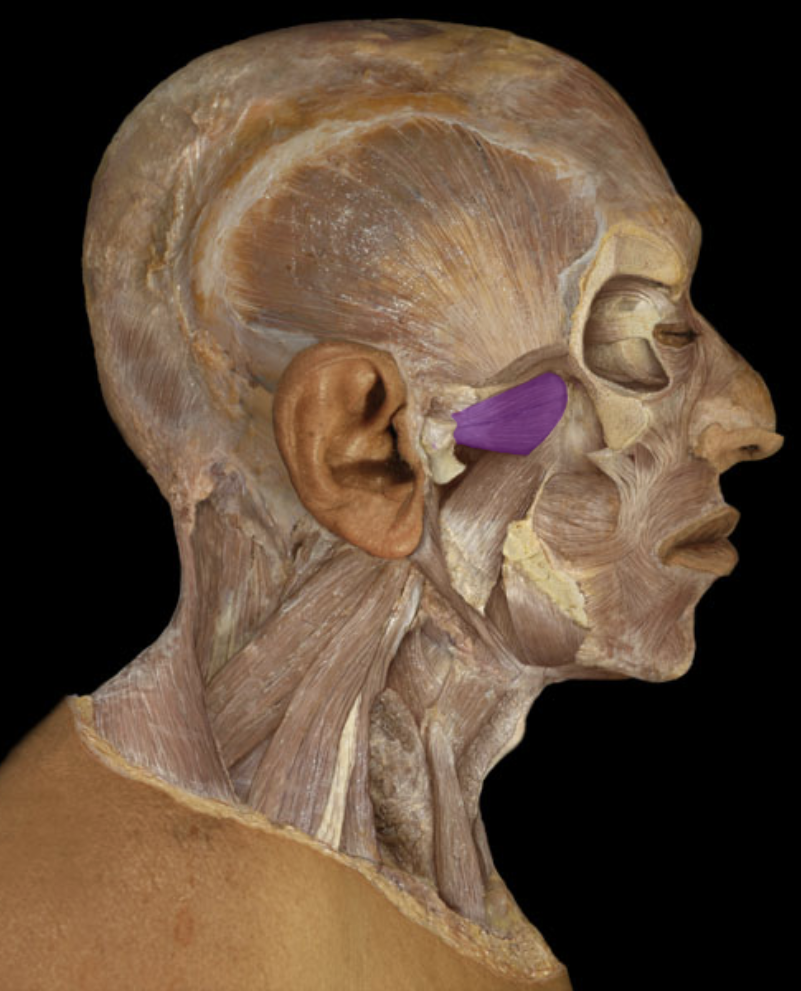
- 50What is the action of the zygomaticus major?raises corner of the mouth in smiling
- 51Action of the depressor labii inferiorisdepresses lower lip as when pouting
- 52What is the action of the risorius?Draws mouth laterally in fake smile
- 53What is the action of the levator labii superioris?elevates upper lip as when sneering
- 54What is the action of the frontalis belly of the epicranius?Raises eyebrows
- 55What is the action of the orbicularis oculi??Closes eyes
- 56What is the action of the orbicularis oris?Closes and protrudes lips
- 57What is the action of the medial pterygoid muscle?Elevates mandible (with lateral movement possible)
- 58What is the action of the lateral pterygoid muscles?Depresses mandible (with lateral movement possible)
- 59What is the action of the trapezius on the head and neck?Extends the head (synergist)
- 60What is the action of the splenius capitis?Extends and rotates the head
- 61What is the action of the sternocleidomastoid?Flexes and rotates the head (agonist)
- 62What are the actions of the scalenes?Flexes and rotates the head (synergist)
- 63What muscle causes superior and medial rotation of the eye?Superior rectus
- 64What muscle causes inferior and medial rotation of the eye?Inferior rectus
- 65What muscle causes medial rotation of the eye?Medial rectus
- 66What muscle causes lateral rotation of the eye?Lateral rectus
- 67Which muscle causes superior and lateral rotation of the eye?Inferior oblique
- 68Which muscle causes inferior and lateral rotation of the eye?Superior oblique
- 69Identify the indicated muscleInternal oblique
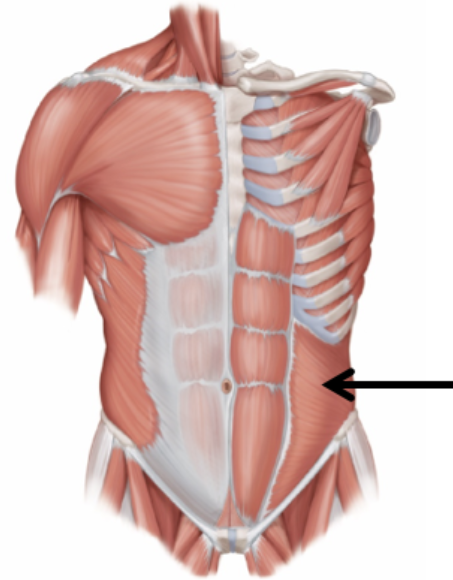
- 70Identify the indicated muscleTransverse abdominis
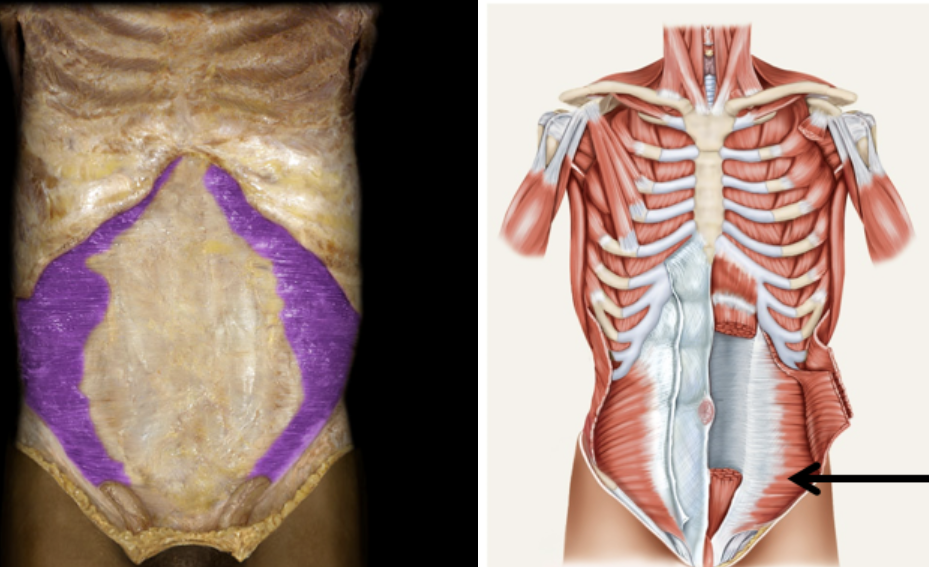
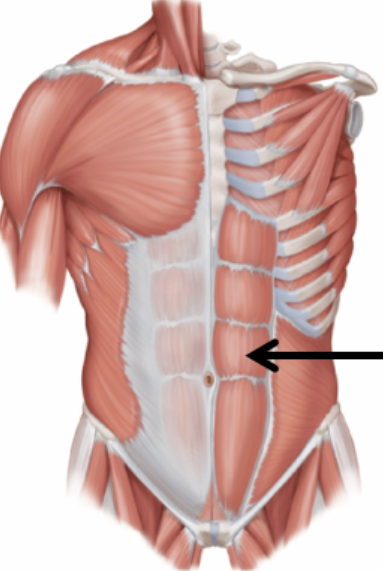
- 71Identify the indicated muscleRectus abdominis
- 72What is the action of the rectus abdominis?Flexion at the torso (vertebral column), Compression of abdominal contents
- 73What is the action of the transverse abdominis?Compression of abdominal contents only
- 74What are the actions of the internal oblique?Ipsilateral rotation of the torso (vertebral column), synergist in compression of abdominal contents
- 75Identify the indicated muscleBrachialis
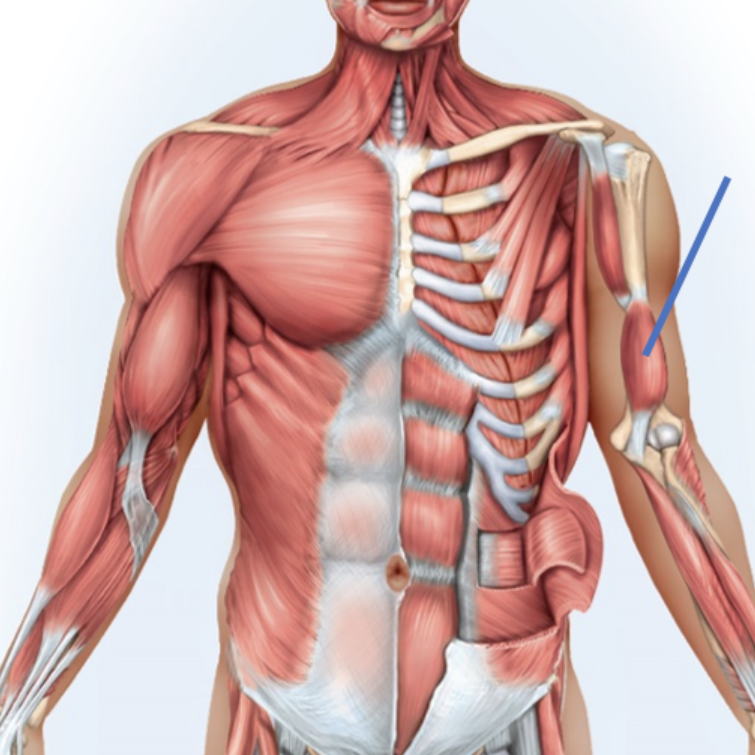
- 76Identify the indicated muscleBrachioradialis
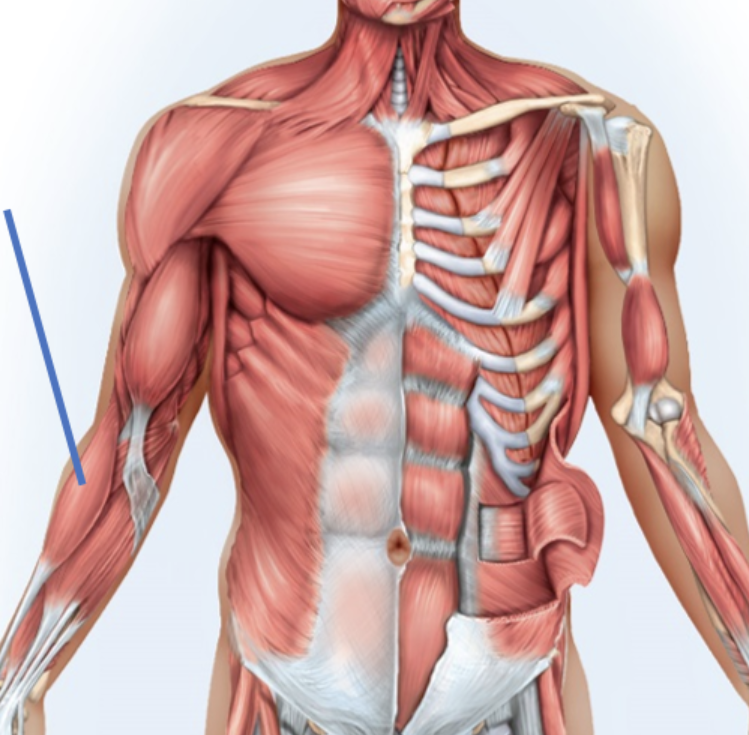
- 77Identify the indicated muscleBicep brachii
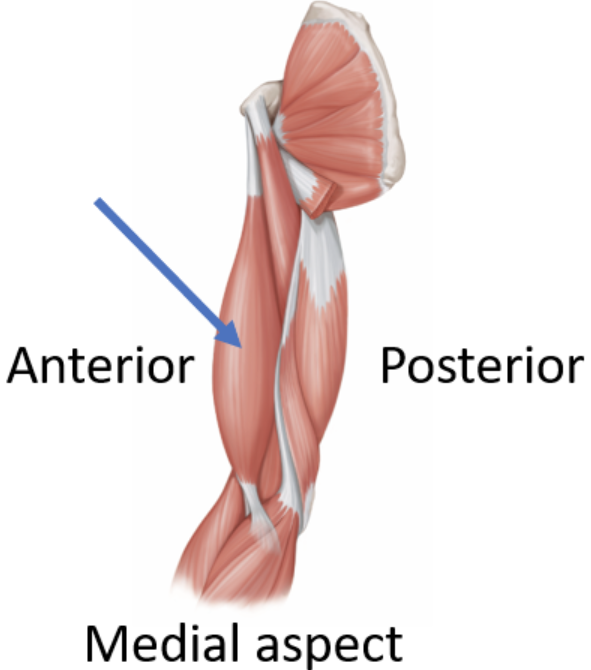
- 78Identify the indicated muscleTriceps brachii
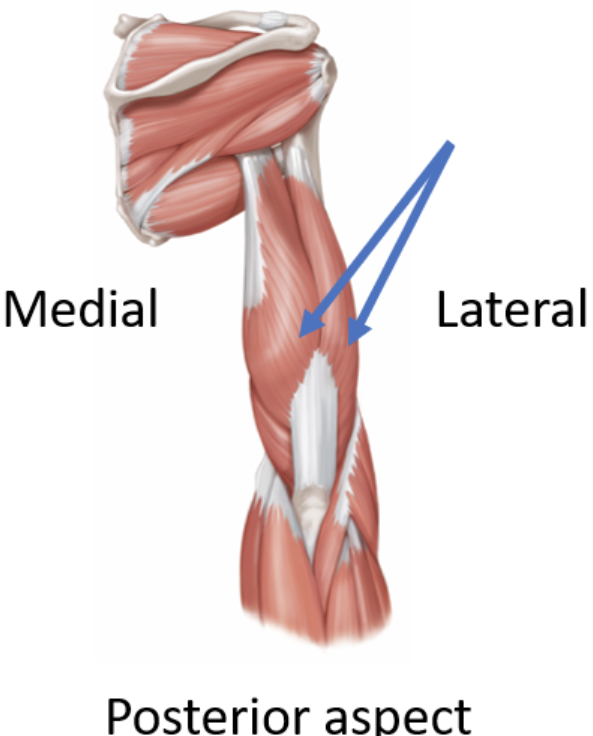
- 79Identify the indicated muscleSupinator
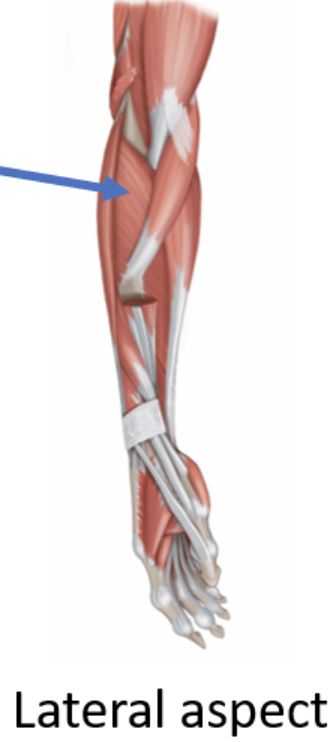
- 80Identify the indicated muscleExtensor carpi radialis longus
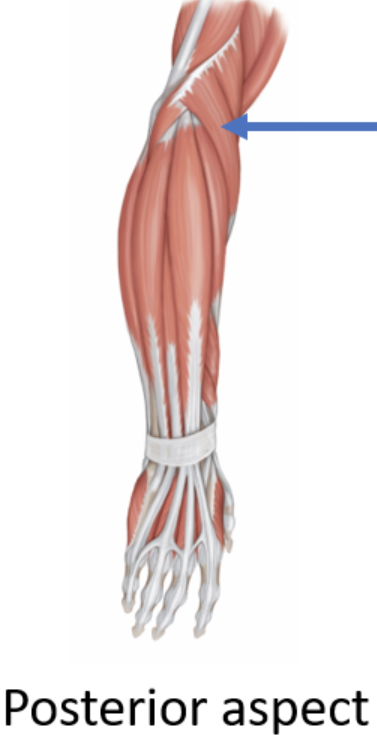
- 81Identify the indicated muscleExtensor carpi ulnaris
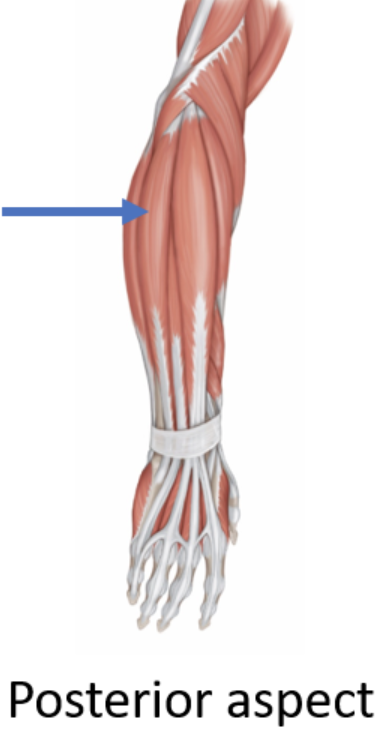
- 82Identify the indicated musclePronator teres
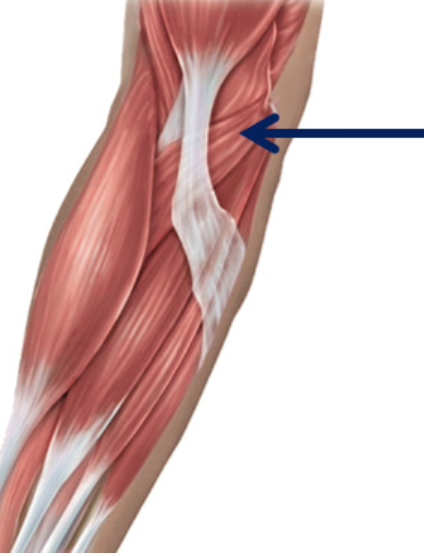
- 83Identify the indicated musclePalmaris longus
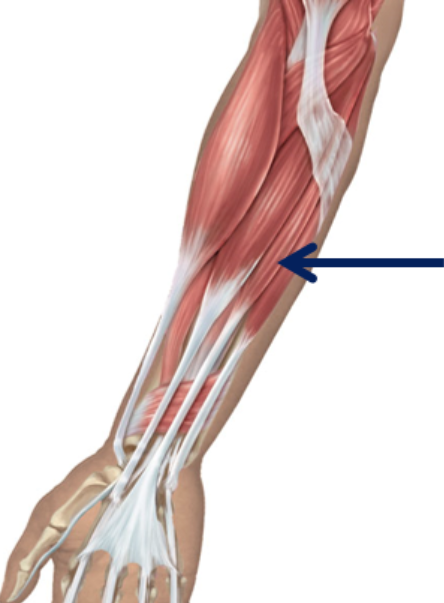
- 84Identify the indicated muscleExtensor digitorum
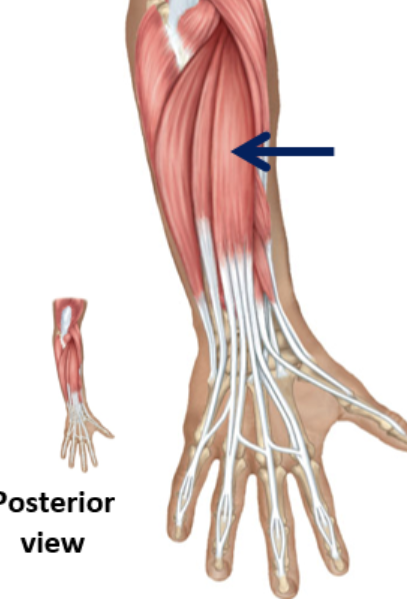
- 85Identify the indicated muscleFlexor carpi radialis
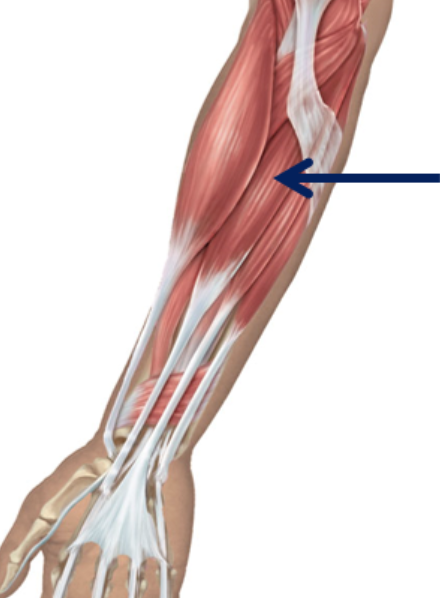
- 86Identify the indicated muscleFlexor carpi ulnaris
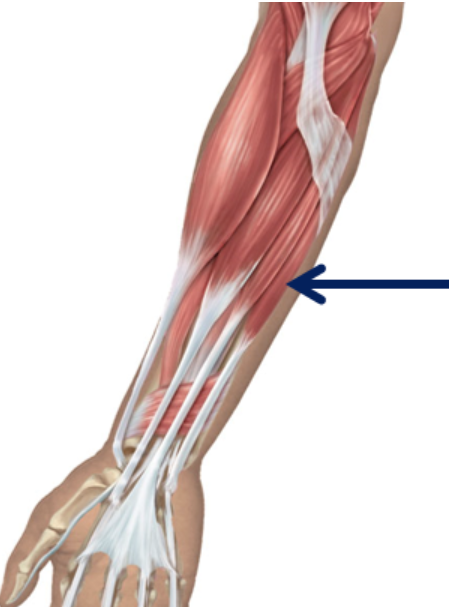
- 87Identify the indicated muscleExtensor digiti minimi
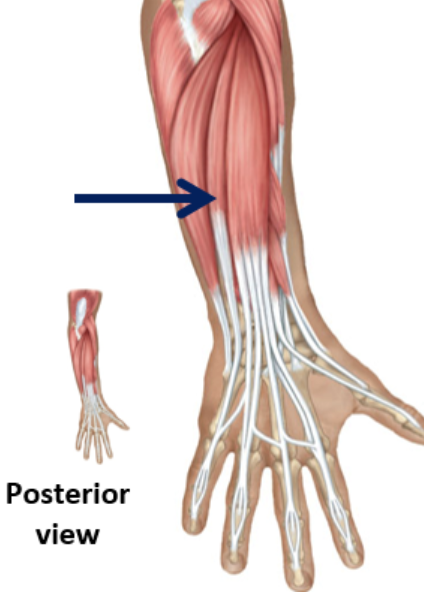
- 88What is the action of the triceps brachii?Extends the arm at the elbow
- 89What is the action of the supinator?Supinates the forearm
- 90What is the action of the pronator teres?Pronates the forearm
- 91What is the action of the flexor carpi radialis?Flexes the wrist (carpi)
- 92What is the action of the flexor carpi ulnaris?Flexes the wrist (carpi)
- 93What is the action of the palmaris longus?Anchors fascia and skin of the palmar region
- 94What is the action of the extensor carpi radialis longus?Extends wrist
- 95What is the action of the extensor digitorum?Extends fingers (wrist)
- 96What is the action of the extensor carpi ulnaris?Extends clenched fist
- 97What is the action of the extensor digit minimi?Extends little finger (wrist)
- 98What is the action of the brachialis?Flexes arm at the elbow
- 99What is the action of the brachioradialis?Flexes arm at elbow
- 100What is the action of the biceps brachii?Synergist for flexion at the elbow, supination of forearm
- 101Identify the indicated muscleRectus femoris
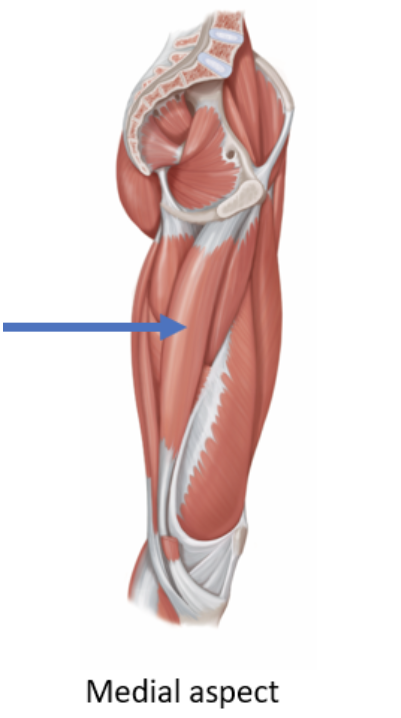
- 102Identify the indicated muscleIliopsoas
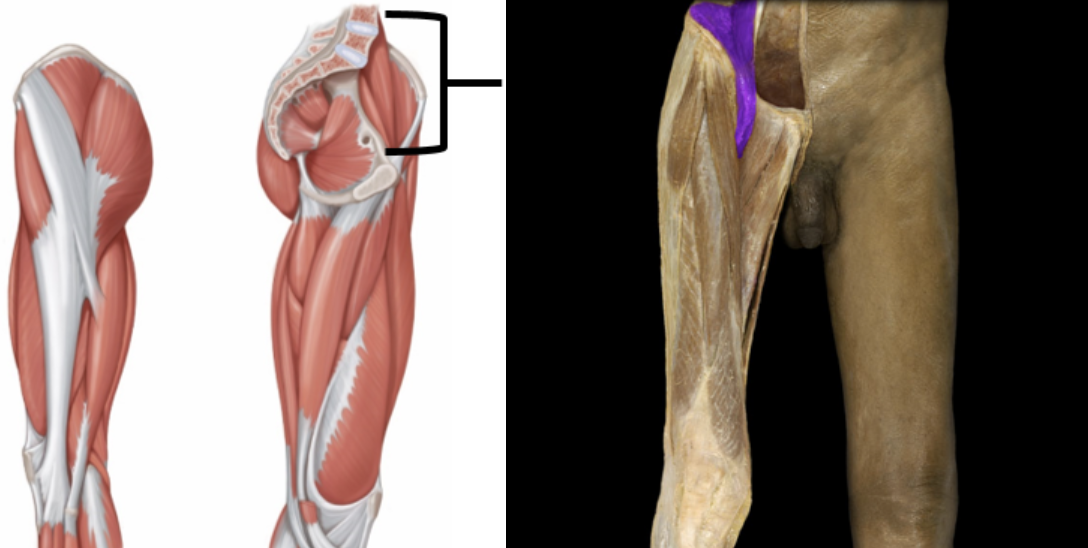
- 103Identify the indicated muscleSartorius
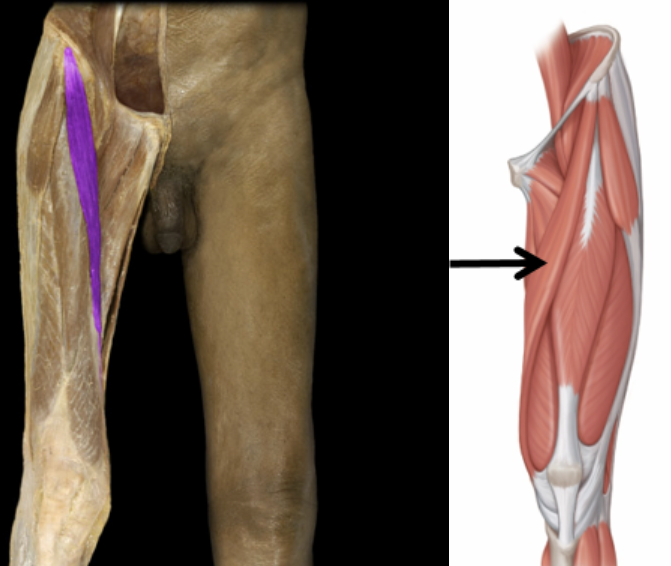
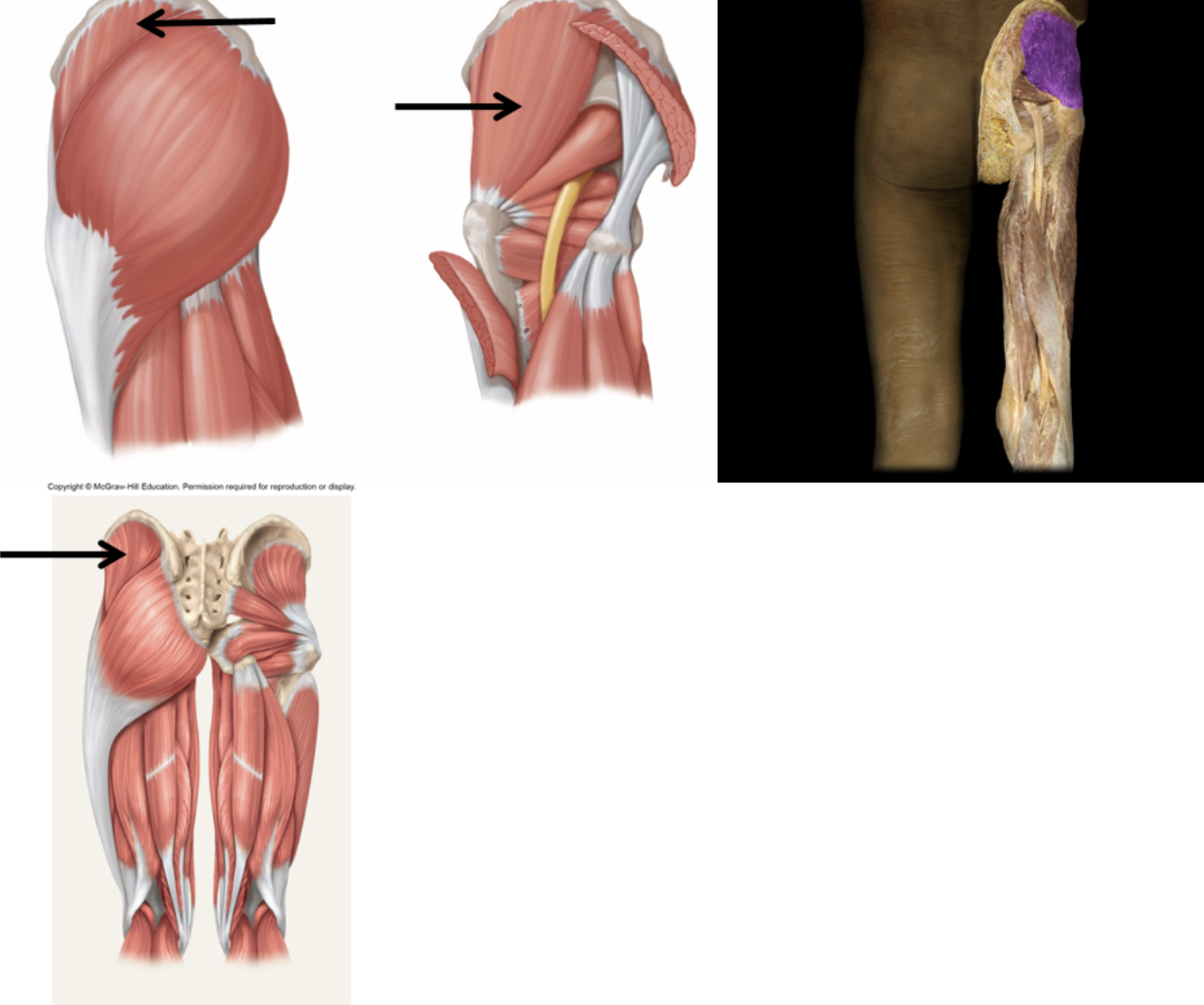
- 104Identify the indicated muscleGluteus medius
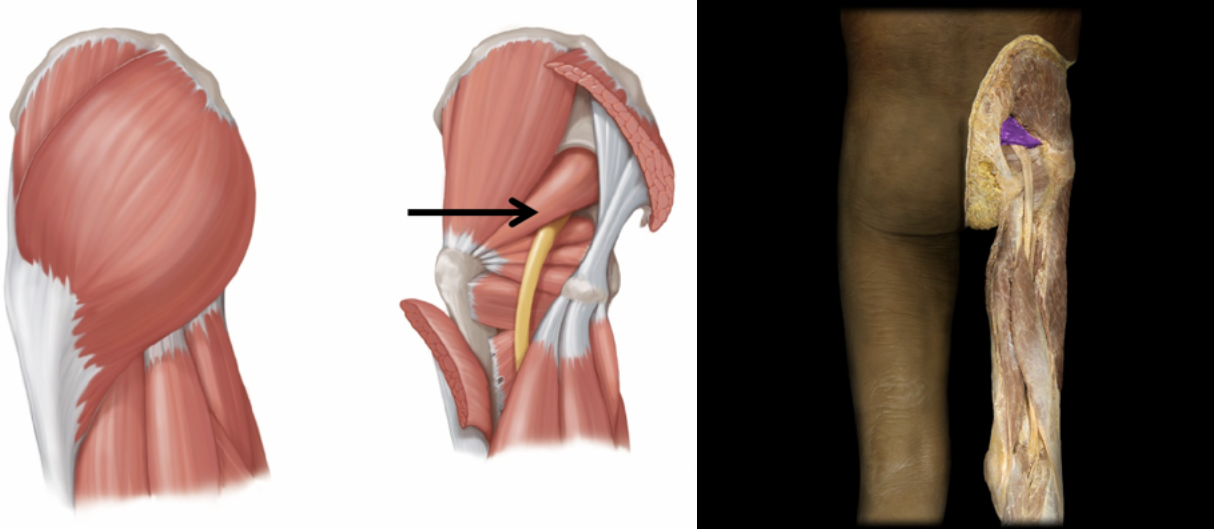
- 105Identify the indicated musclePiriformis
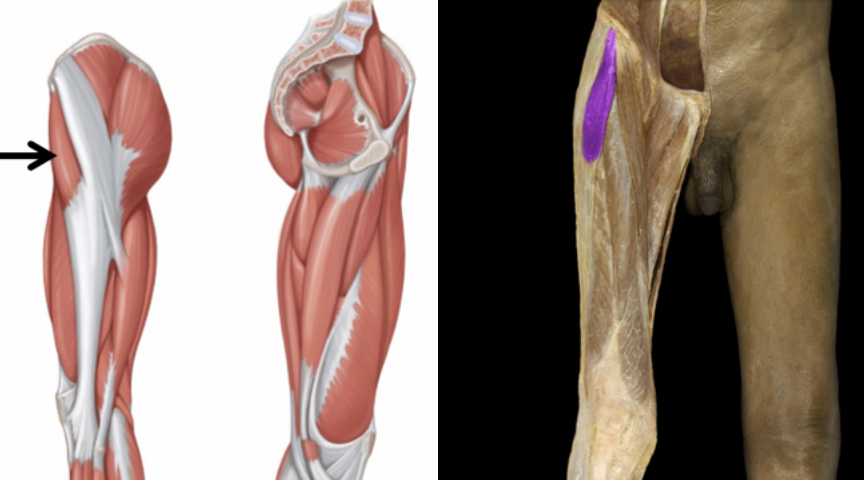
- 106Identify the indicated muscleTensor fasciae latae
- 107Identify the indicated muscleAdductor longus
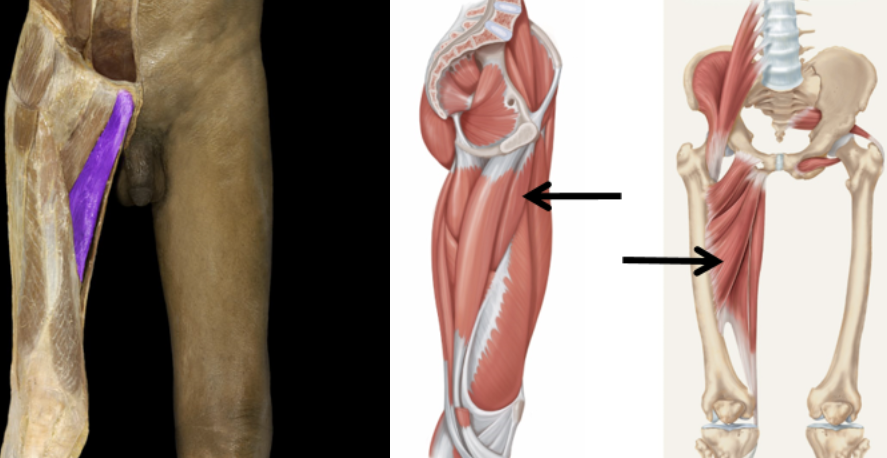
- 108Identify the indicated muscleAdductor magnus
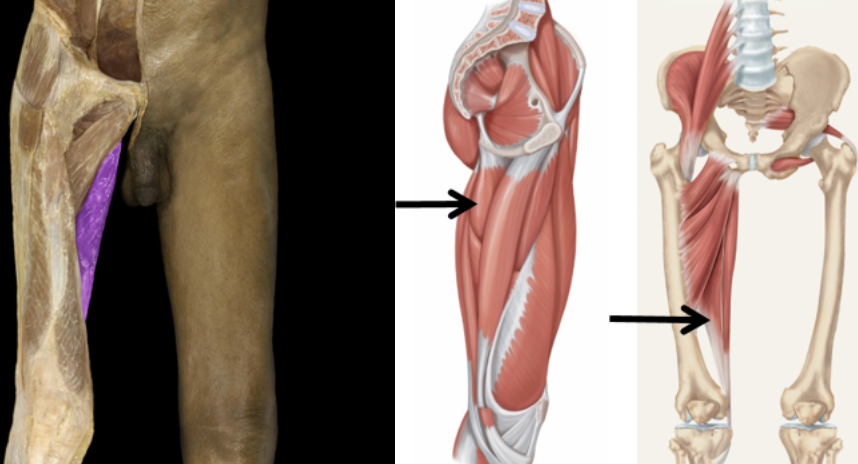
- 109Identify the indicated muscleRectus femoris
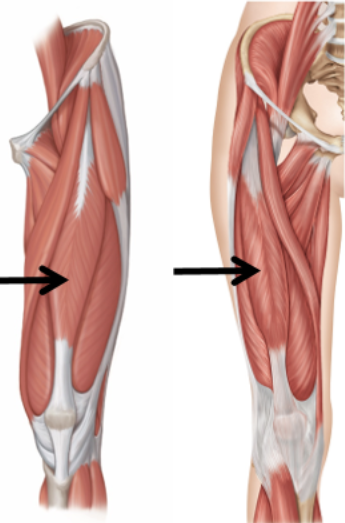
- 110Identify the indicated muscleVastus lateralis
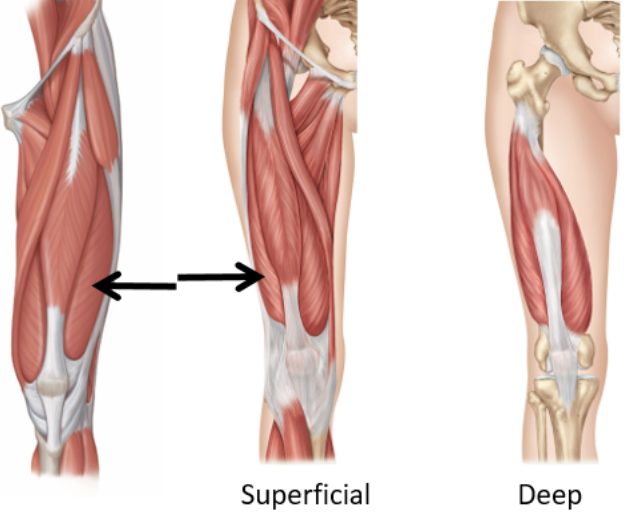
- 111Identify the indicated muscleVastus intermedius
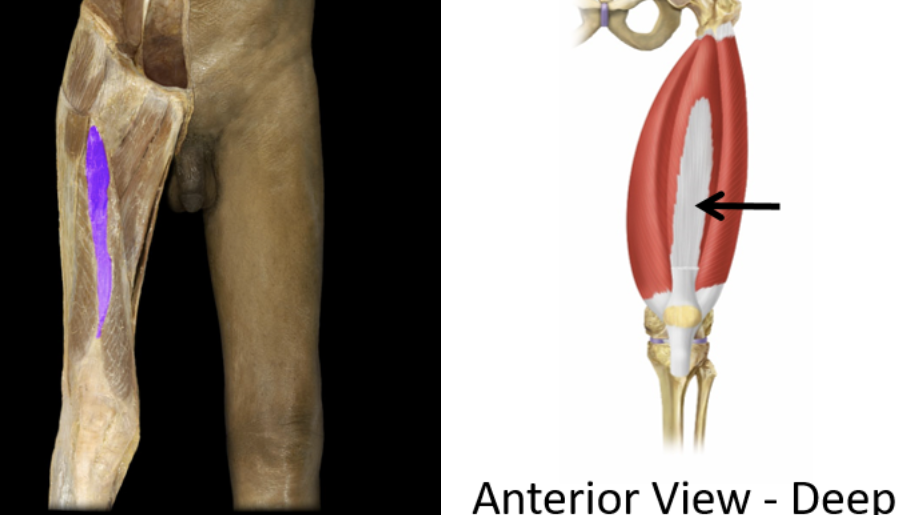
- 112Identify the indicated muscleVastus medialis
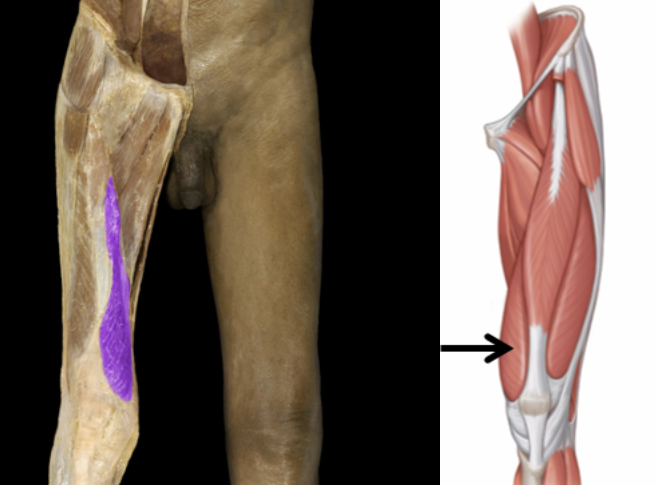
- 113Identify the indicated muscleSemimembranosus
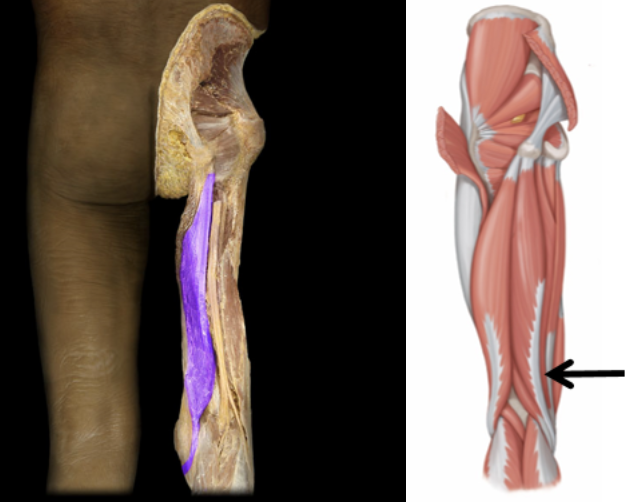
- 114Identify the indicated muscleSemitendinosus
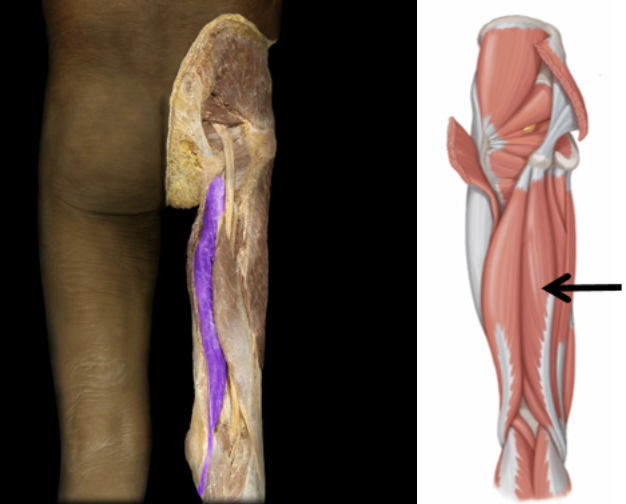
- 115Identify the indicated muscleBiceps femoris
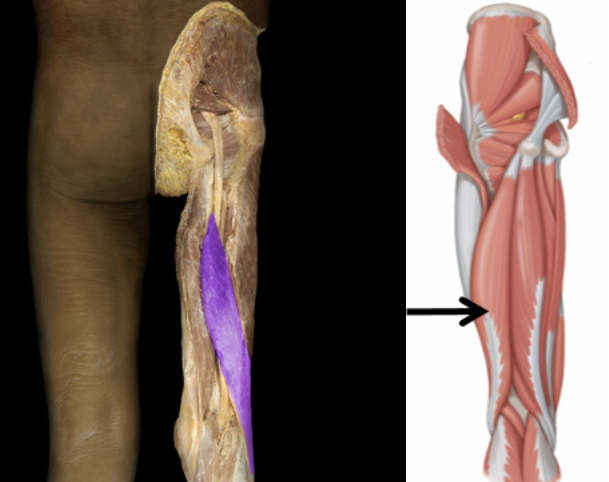
- 116Identify the indicated muscleTibialis posterior
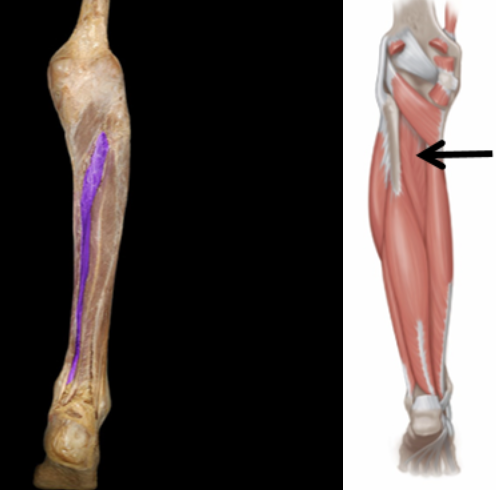
- 117Identify the indicated muscleTibialis anterior
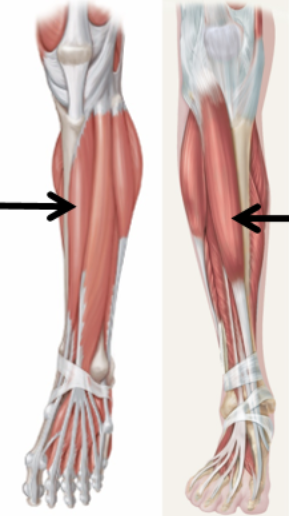
- 118Identify the indicated muscleGastrocnemius
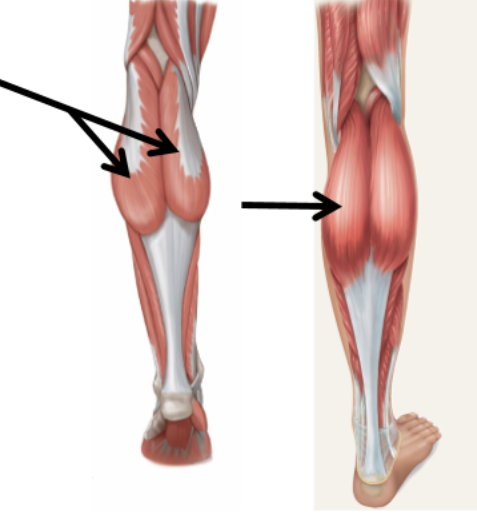
- 119Identify the indicated muscleSoleus
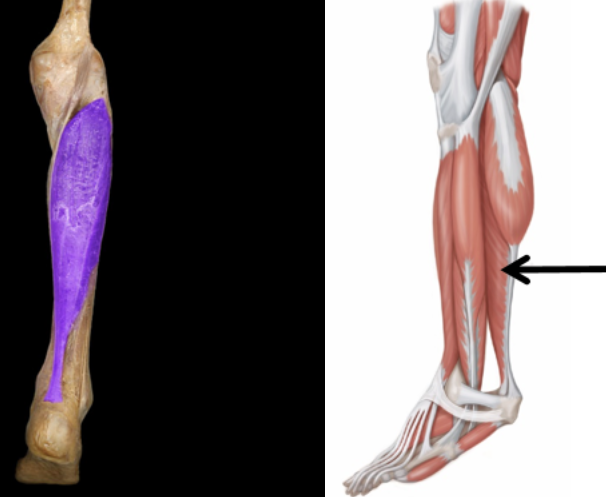
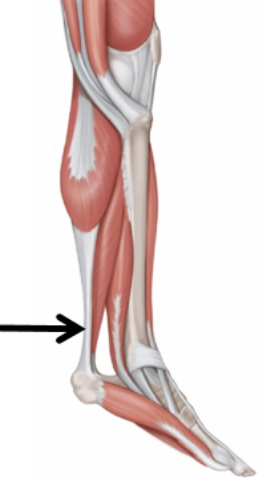
- 120Identify the indicated muscleCalcaneal tendon
- 121What is the action of the gracilis muscleAdducts thigh and flexes leg at the knee
- 122What is the action of the adductor longus muscle?Adducts and flexes thigh
- 123What is the action of the adductor magnus muscle?Adducts thigh only
- 124What is the action of the rectus femoris muscle?Extends the leg and is a synergist for thigh flexion
- 125What is the action of the semimembranosus muscle?Flexes the leg at the knee only
- 126What is the action of the semitendinosus muscle?Flexes the leg and is a synergist for thigh extension
- 127What is the action of the iliopsoas muscle?Flexes thigh only
- 128What is the action of the vastus lateralis muscle?Extend the leg at the knee only
- 129What is the action of the vastus medialis muscle?Extends the leg at the knee only
- 130What is the action of the vastus intermedius muscle?Extends the leg at the knee only
- 131What is the action of the biceps femoris muscle?Flexes the leg at the knee only
- 132What is the action of the gluteus maximus muscle?Extends thigh only
- 133What is the action of the gluteus medius muscle?Abducts thigh and rotates medially
- 134What is the action of the tensor fasciae latae muscle?Abducts thigh and rotates medially
- 135What is the action of the piriformis muscle?Abducts thigh and rotates laterally
- 136What is the action of the tibialis anterior?Dorsiflexion and inversion of the foot
- 137What is the action of the gastrocnemius?Plantarflexion and synergist for leg flexion at knee
- 138What is the action of the soleus?Plantarflexion only
- 139What is the action of the tibialis posterior?Plantarflexion and inversion
- 140Which is the multipolar neuron?A
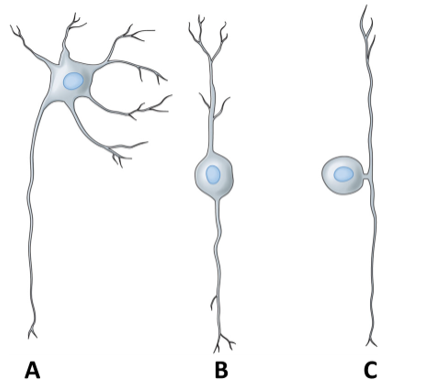
- 141Which is the bipolar neuron?B
- 142Which is the unipolar neuron?C
- 143Identify the structure indicated by the arrowDendrite
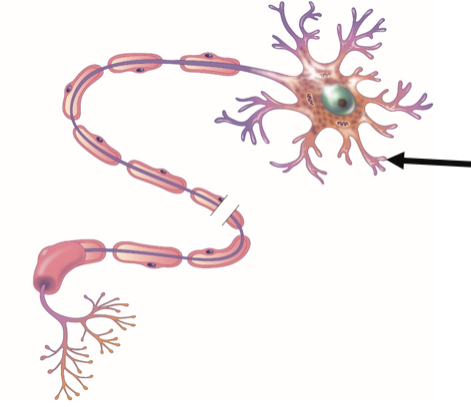
- 144Identify the structure indicated by the arrowSchwann cell
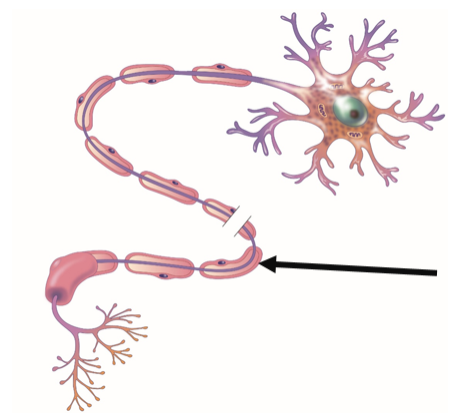
- 145Identify the structure indicated by the arrowAxon terminal
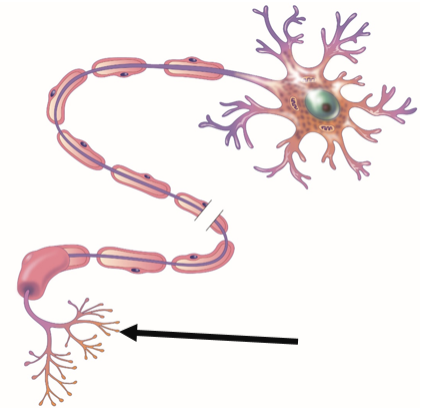
- 146Identify the structure indicated by the arrowNode of ranvier
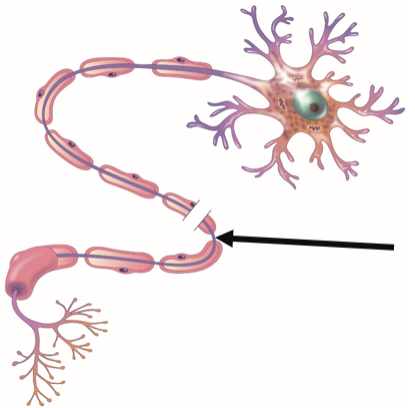
- 147Identify the indicated structureMitochondria
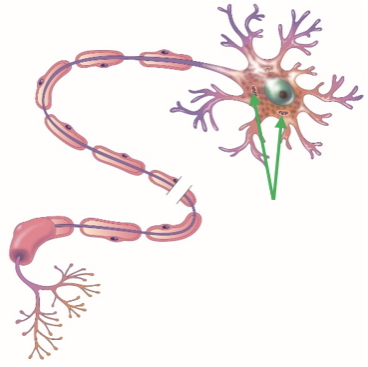
- 148Identify the indicated cellsOligodendrocytes
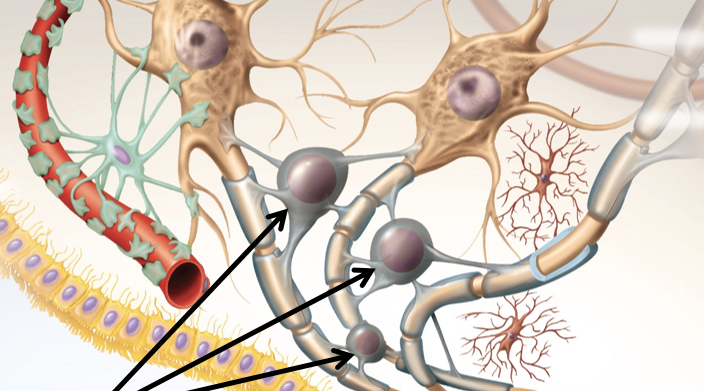
- 149Identify the indicated cellsMicroglial cells
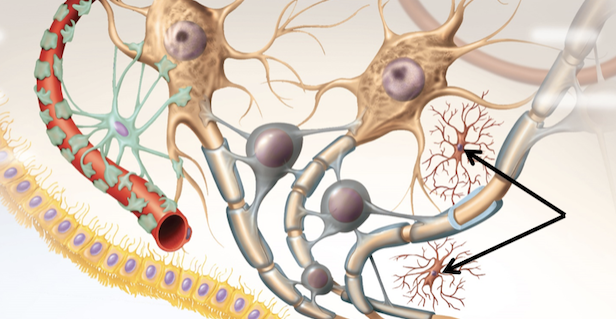
- 150Identify the indicated cellAstrocyte
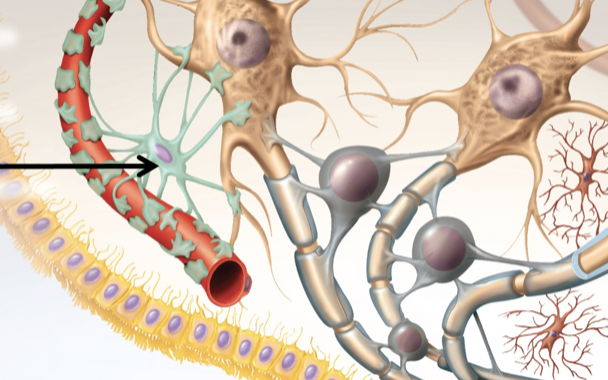
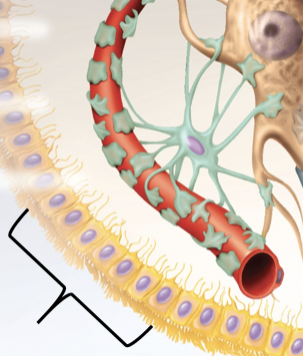
- 151Identify the indicated cellsEpendymal cells
- 152What is a function of astrocytes?Perivascular feet contribute to the blood-brain barrier
- 153What is a function of Schwann cells?Form the myelin sheath of the PNS
- 154What is a function of satellite cells?Surround and nourish neurosomas in the PNS
- 155What is a function of microglial cells?Phagocytize dead neurons and pathogens
- 156What is the function of ependymal cells?Assist in producing, circulating and monitoring CSF
- 157What is a function of oligodendrocytes?Form the myelin sheath of the brain and spinal cord
- 158Identify the structure indicated by the arrowDura mater
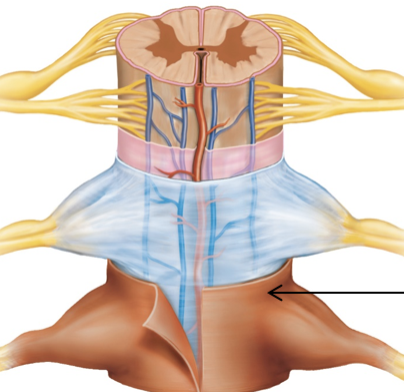
- 159Identify the structure indicated by the arrowArachnoid mater
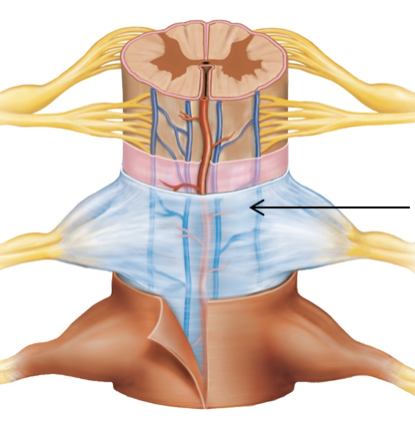
- 160Identify the structure indicated by the arrowPia mater
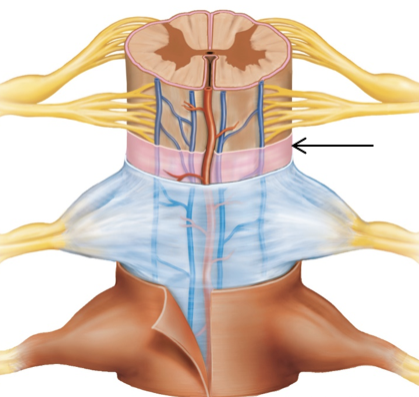
- 161Identify the wide area indicated by the arrowCervical enlargement
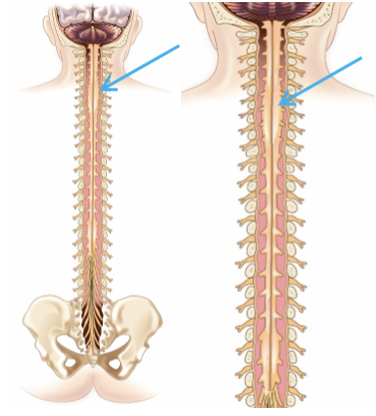
- 162Identify the wide area indicated by the arrowLumbar enlargement
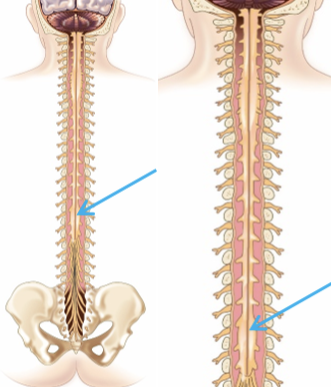
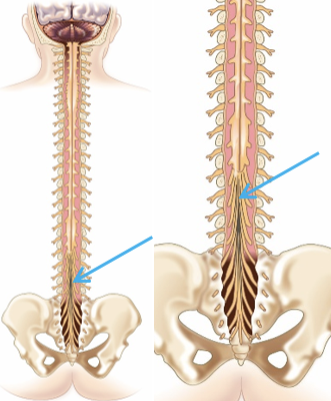
- 163Identify the structure indicated by the arrowCauda equina
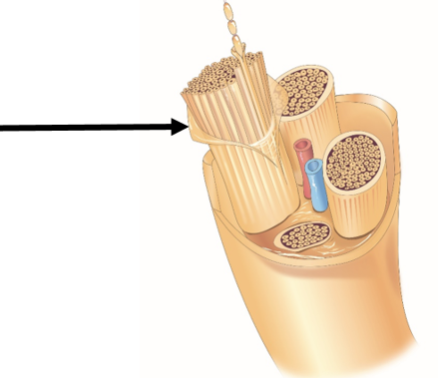
- 164Identify the structure indicated by the arrowPerineurium
- 165Identify the structure indicated by the arrowEpineurium
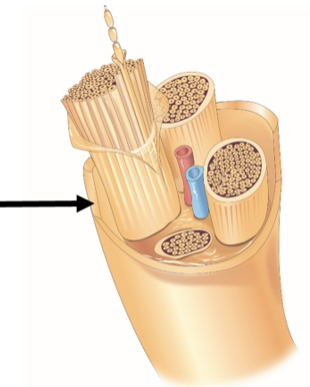
- 166Identify the structure indicated by the arrowEndoneurium
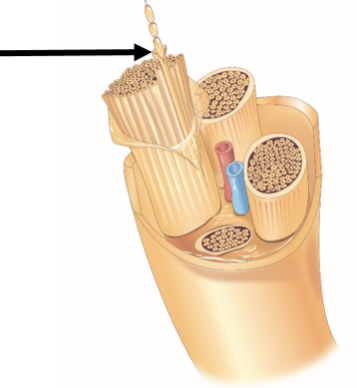
- 167Identify the area indicated by the arrowPosterior (dorsal) rootlets
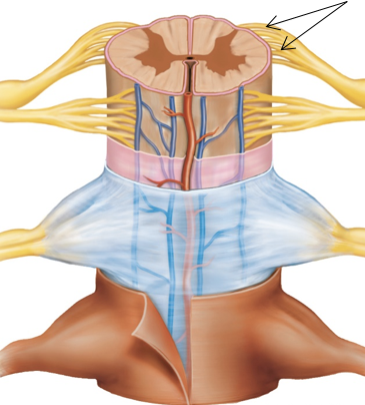
- 168Identify the area indicated by the arrowPosterior (dorsal) root
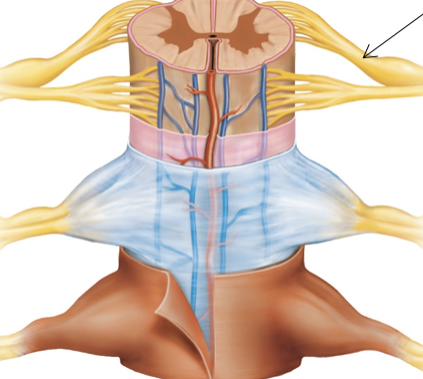
- 169Identify the area indicated by the arrowAnterior (ventral) root
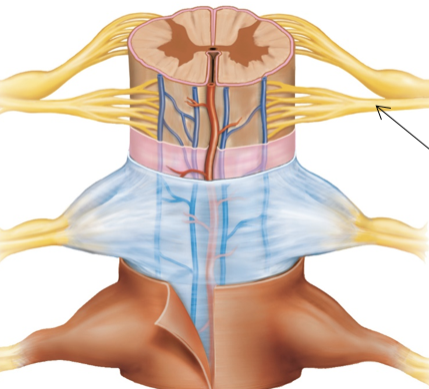
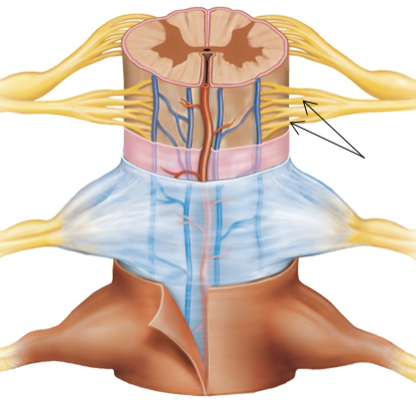
- 170Identify the area indicated by the arrowAnterior (ventral) rootlets
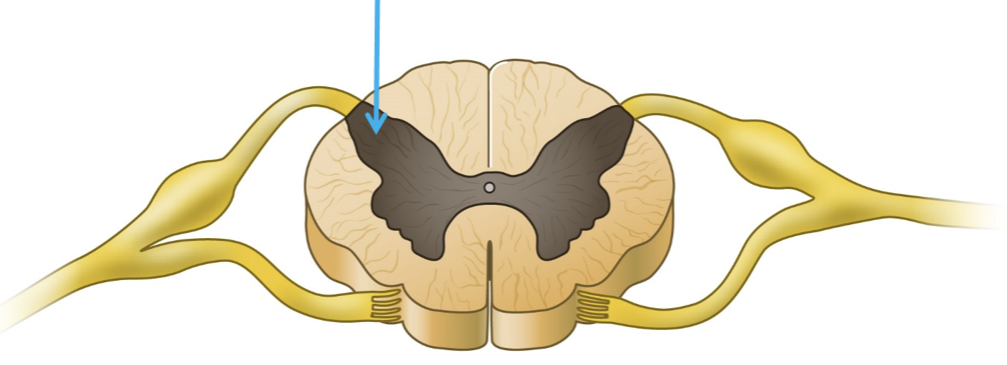
- 171Identify the structure indicated by the arrowPosterior horn
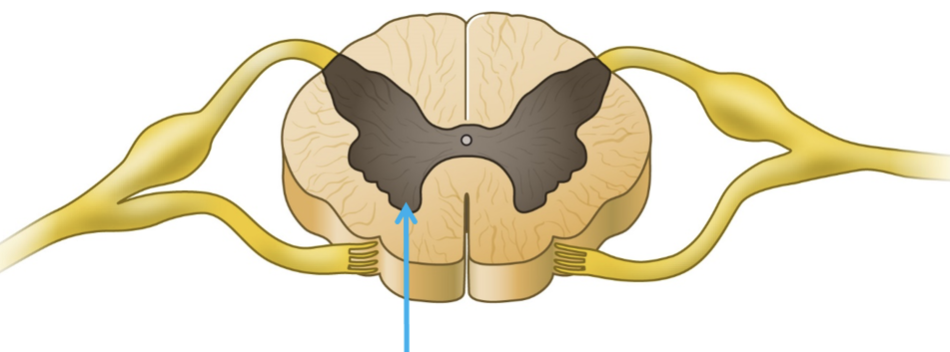
- 172Identify the structure indicated by the arrowAnterior horn
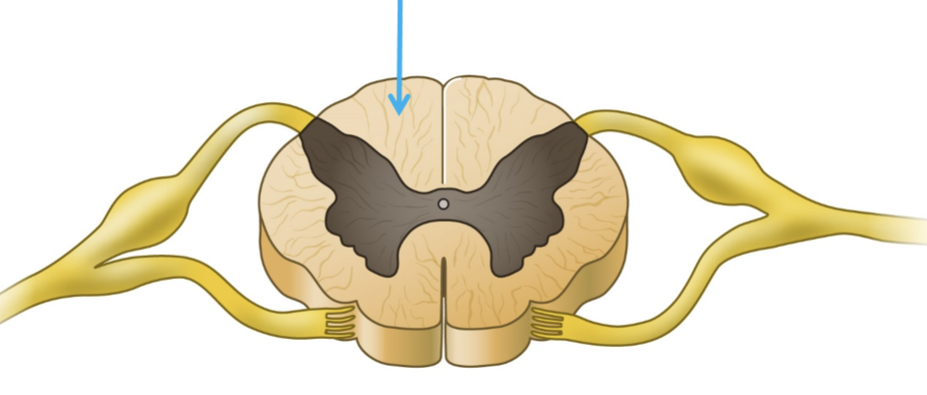
- 173Identify the structure indicated by the arrowPosterior funiculus
- 174Identify the structure indicated by the arrowAnterior funiculus
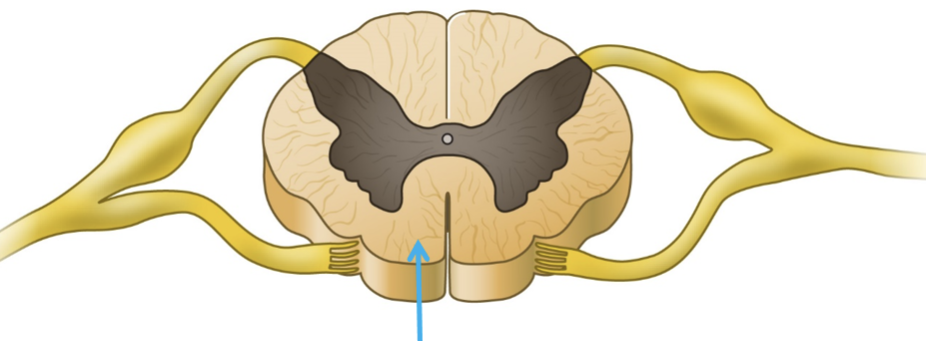
- 175Identify the area indicated by the arrowEpidural space
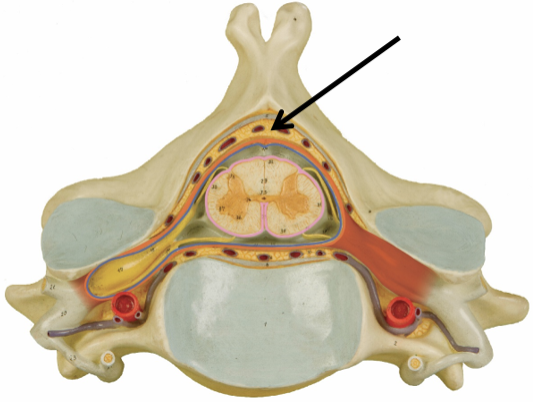
- 176Identify the area indicated by the arrowSubarachnoid space
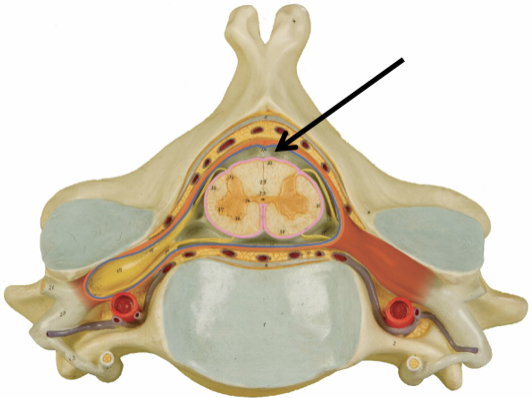
- 177Identify the indicated component of the reflex arcEffector
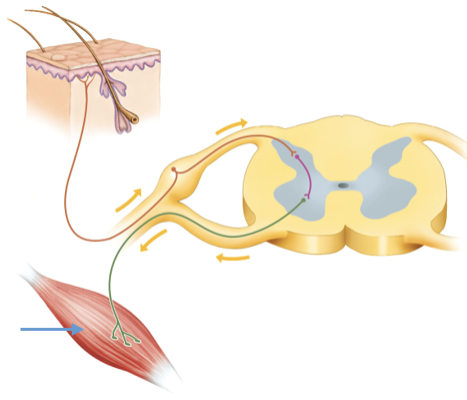
- 178Identify the indicated component of the reflex arcAfferent neuron
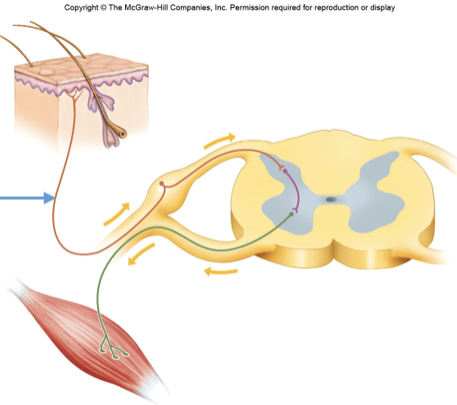
- 179Identify the indicated component of the reflex arcIntegration center
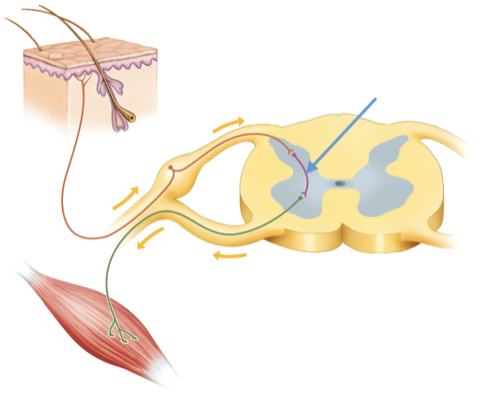
- 180Identify the indicated component of the reflex arcEfferent neuron
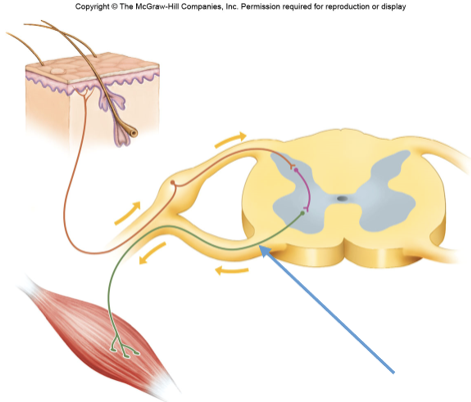
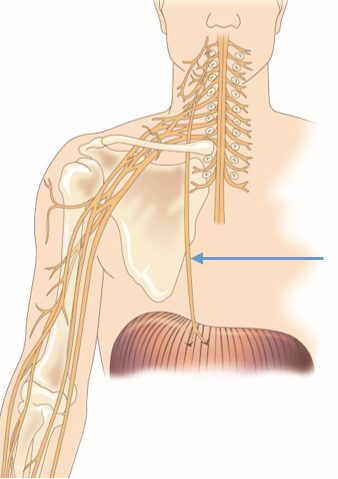
- 181Identify the indicated nervePhrenic
- 182Identify the indicated nerveUlnar
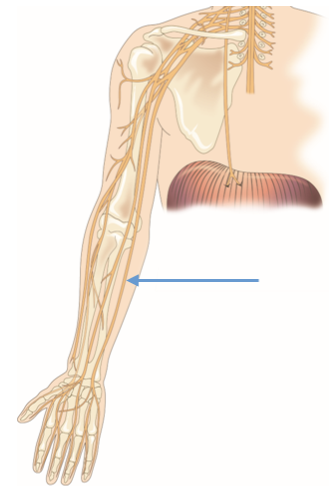
- 183Identify the indicated nerveMedian
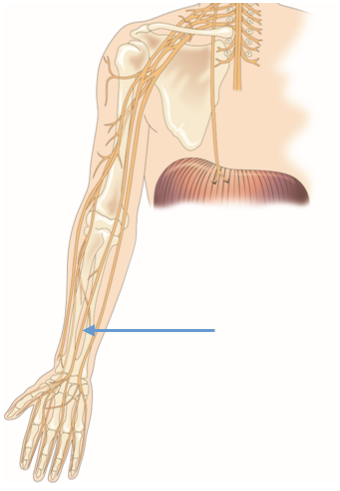
- 184Identify the indicated nerveRadial
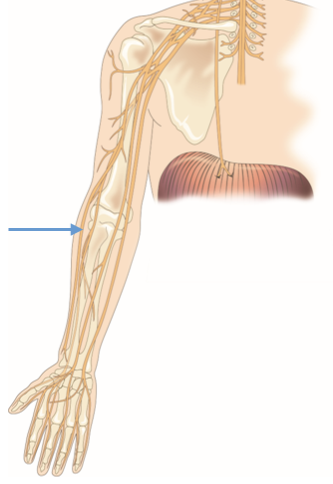
- 185Identify the indicated nerveaxillary
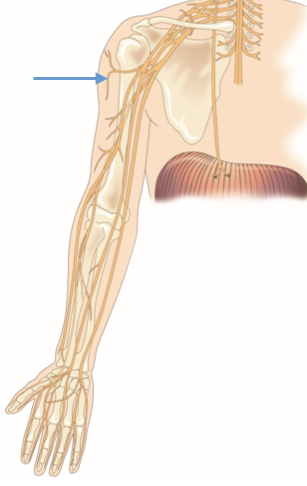
- 186Muscle that is innervated by the phrenic nerveDiaphragm
- 187Muscles innervated by the axillary nerveDeltoid and teres minor
- 188Muscles that are innervated by the radial nerveTriceps brachii and forearm extensors
- 189Muscles that are innervated by the femoral nerveanterior thigh muscles
- 190Muscles that are innervated by the obturator nerveAdductor muscles
- 191Muscles that are innervated by the tibial nervePlantar flexors
- 192Muscles that are innervated by the common fibular nerveDorsiflexors
Information
- Description
- Study material over labs: 17,18,19,21 for LAB EXAM III
- Created by
- Antonio Torres
- Views
- 430
- Tags
- Rating