
38575454
Description

Flashcards by Hugh Terry, updated more than 1 year ago

|
Created by Hugh Terry
almost 3 years ago
|
|
| Question | Answer |
| STIMULUS | A stimulus is the thing detected by the body which sends messages to the brain and creates a reaction. examples can be fire, heat (touch), noises (hearing) and food (taste). |
| EFFECTORS | Effectors are the parts of the body which react to a stimulus. These can be muscles or taste buds as they receive messages from the brain to move or salivate. |
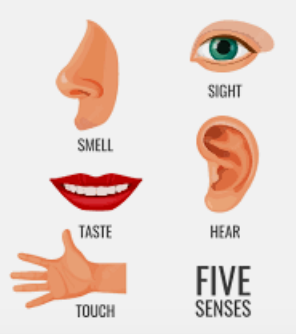
| SENSE ORGANS | The 5 sense organs are the nose, tongue, ears, skin and eyes. These organs receive the stimulus for example the ears receive a sound. |
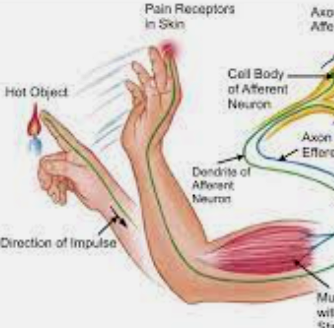
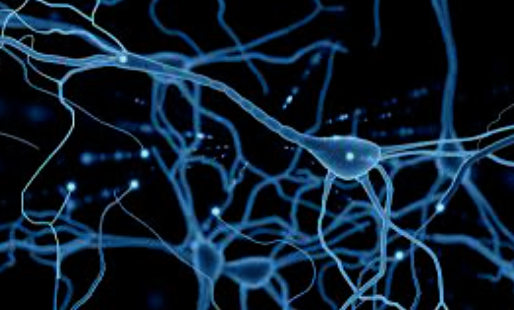
| NEURONS | neurons are the nerve pathways that send messaged from the sense organ to the brain to report what has happened. |
| MOTOR NEURONS | motor neurons are the types of nerve cells that report messages to muscles, these neurons are usually reporting touch stimulus. |
| SENSORY NEURONS | sensory neurons receive messages from the environment to the body's central nervous system |
| INTERNEURONS | These cells join the other types of neurons together to link chain. This makes sure that the messages reach the right areas of the body. |
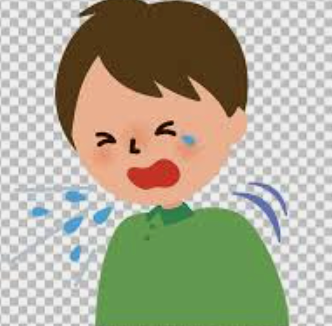
| RESPONSE | a response to stimuli is called the action eg if you get dust in your nose, you will sneeze. |
| RECEPTOR | a receptor is the part of the body which detects the stimulus. An example is when you touch something hot - your receptor is your finger. |


Want to create your own Flashcards for free with GoConqr? Learn more.