
Mind map
Alternative Authentic Assessment for EL/EB's

Map content
Alternative Authentic Assessment for EL/EB's
Peer Assessment
- Peer Assessment is the activity in which students review one another on their performance of learned skills.
- An example of Peer Assessment is where all students in a particular group are given a specific assignment or task to complete. Then, each student or a group of students assess one another's performance on the assignment or task by using a rubric, checklist, or other.
- Peer Assessment is the activity in which students review one another on their performance of learned skills.
Student-Directed/Structured Assessment
- Student-Directed Assessment is the type of assessment in which students choose how they will be assessed while basing the assessment properties on their strengths and weaknesses.
- A Student-Directed/Structured Assessment example is having the students to "show-what-they-know" by teaching other students what they have learned. When teaching letter formation, the students can show others on the "stoplight" lines how to form the letter "p".
- Student-Directed Assessment is the type of assessment in which students choose how they will be assessed while basing the assessment properties on their strengths and weaknesses.
Performance-Based Assessment is where students are asked to perform a task on the subject matter that is or was taught.
- Performance-Based Assessment
- An example of a Performance-Based Assessment is a dance recital. Students in dance class are given a specific goal to reach with points in between. The final goal would be a dance recital. The points from the beginning to the end would be the learning of many different specific dance moves combined for a full routine-learning each specific part to perfection to get to the whole.
Real-Life-Based Assessment
- Real-Life-Based Assessment is where students are to demonstrate proficiency by doing something in regards to everyday life.
- An example of Real-life Assessment would be a simulation of a grocery store cashier. If students have learned counting. adding, and subtracting money using a grocery sore model. Students will purchase items, pay, for items, and receive the change, if needed. The cashier (other students) will add the price of the items, come to a total, and subtract the payment.
- Real-Life-Based Assessment is where students are to demonstrate proficiency by doing something in regards to everyday life.
Construction/Application Assessment
- Construction/Application-Based Assessment asks students to analyze, synthesize and apply the information they have learned in a substantial manner. Then, students are able to create new meaning in the applicable process.
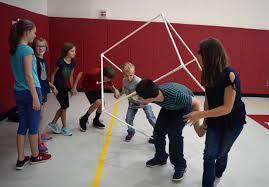
- An example of Construction/Application assessment is having students construct a figure or idea by applying learned information. They will be able to analyze their construction and decide whether what they have constructed works or needs improvement.
- Construction/Application-Based Assessment asks students to analyze, synthesize and apply the information they have learned in a substantial manner. Then, students are able to create new meaning in the applicable process.
Direct-Evidence Assessment
- Direct-Evidence Assessment is having students provide meaningful critiques using learned techniques as evidence on real-life situations
- An example of Direct-Evidence Assessment is using a portfolio to gather students' work and either the teacher, other teachers, or students assess the learning progression.
- Direct-Evidence Assessment is having students provide meaningful critiques using learned techniques as evidence on real-life situations
Images and files in the map




Information
- Description
- This mind map details different types of Authentic Assessment
- Created by
- Kimberly Clark
- Views
- 76
- Tags
- Rating