
29795477
Description

Mind Map by María Ximena Morales Aguiluz, updated more than 1 year ago

|
Created by María Ximena Morales Aguiluz
almost 5 years ago
|
|
Lipids
- Are a diverse group of
molecules that contains
regions composed almost
entirely of hydrogen and
carbon, with nonpolar
carbon-carbon and
carbon-hydrogen bonds.
- Most lipids are
hydrophobic and
water insoluble.
- Most lipids are
hydrophobic and
water insoluble.
- Fatty acid
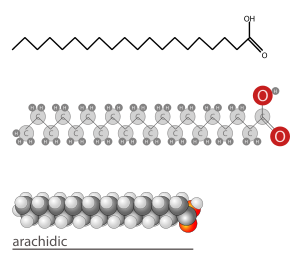
- Are long chains of
carbon and hydrogen
with a carboxylic acid
group at one end.
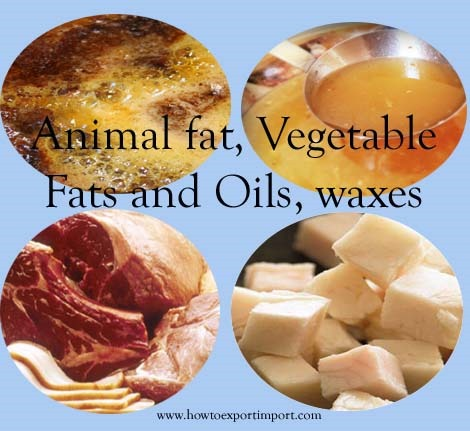
- Oils, fats and waxes, esch
contains one or more
fatty acids subunits.
- Oils, fats and waxes, esch
contains one or more
fatty acids subunits.
- Are long chains of
carbon and hydrogen
with a carboxylic acid
group at one end.
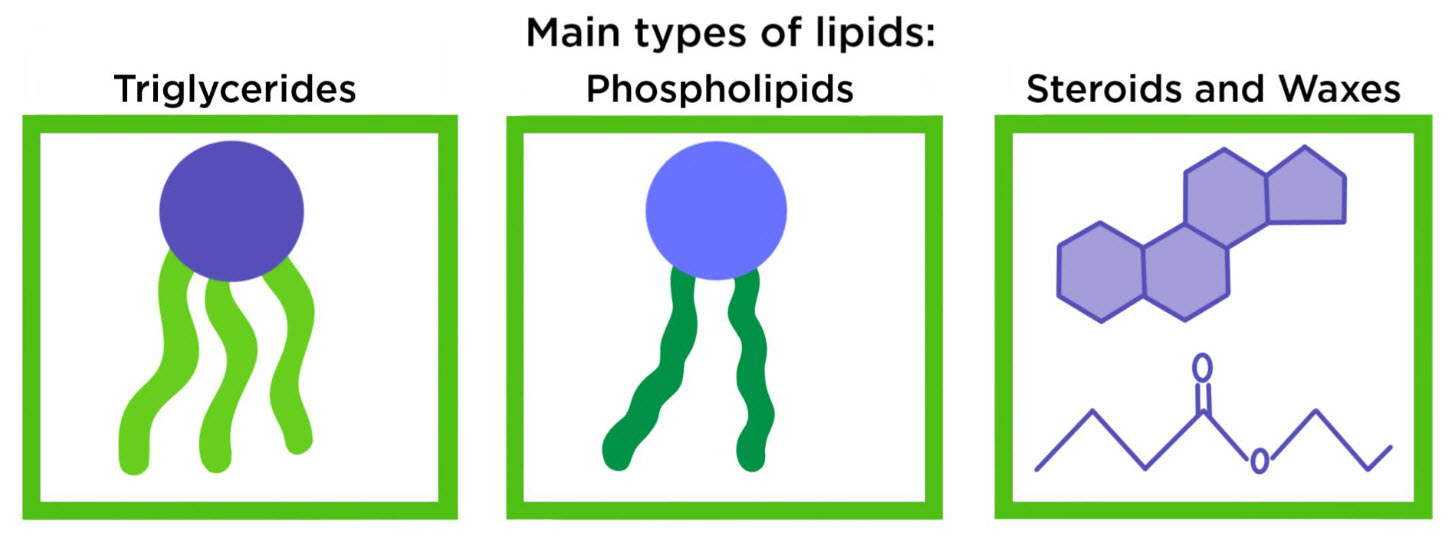
- Oils and fats
- Are formed by dehydration
synthesis linking three fatty
acid subunits to one molecule
of glycerol. This structure is
named triglycerides.
- Are used primarily as
energy-storage molecules, they
contain more than twice as
many calories per gram as do
carbohydrates and proteins.
- The difference
between a fat and
an oil, lies in the
structure of their
fatty acids
subunits.
- In fats, the carbons of fatty
acids are joined by single
bonds. These described as
saturated, because they
contain as many hydrogen
atoms as possible.
- If there are double
bonds betwen some
of the carbons, and
consequently fewer
hydrogens, the fatty
acid is unsaturated.
- In fats, the carbons of fatty
acids are joined by single
bonds. These described as
saturated, because they
contain as many hydrogen
atoms as possible.
- Are formed by dehydration
synthesis linking three fatty
acid subunits to one molecule
of glycerol. This structure is
named triglycerides.
- Waxes
- Are chemically
similar to fats. Are
highly saturated
and solid at normal
temperatures.
- Are chemically
similar to fats. Are
highly saturated
and solid at normal
temperatures.
- Phospholipids
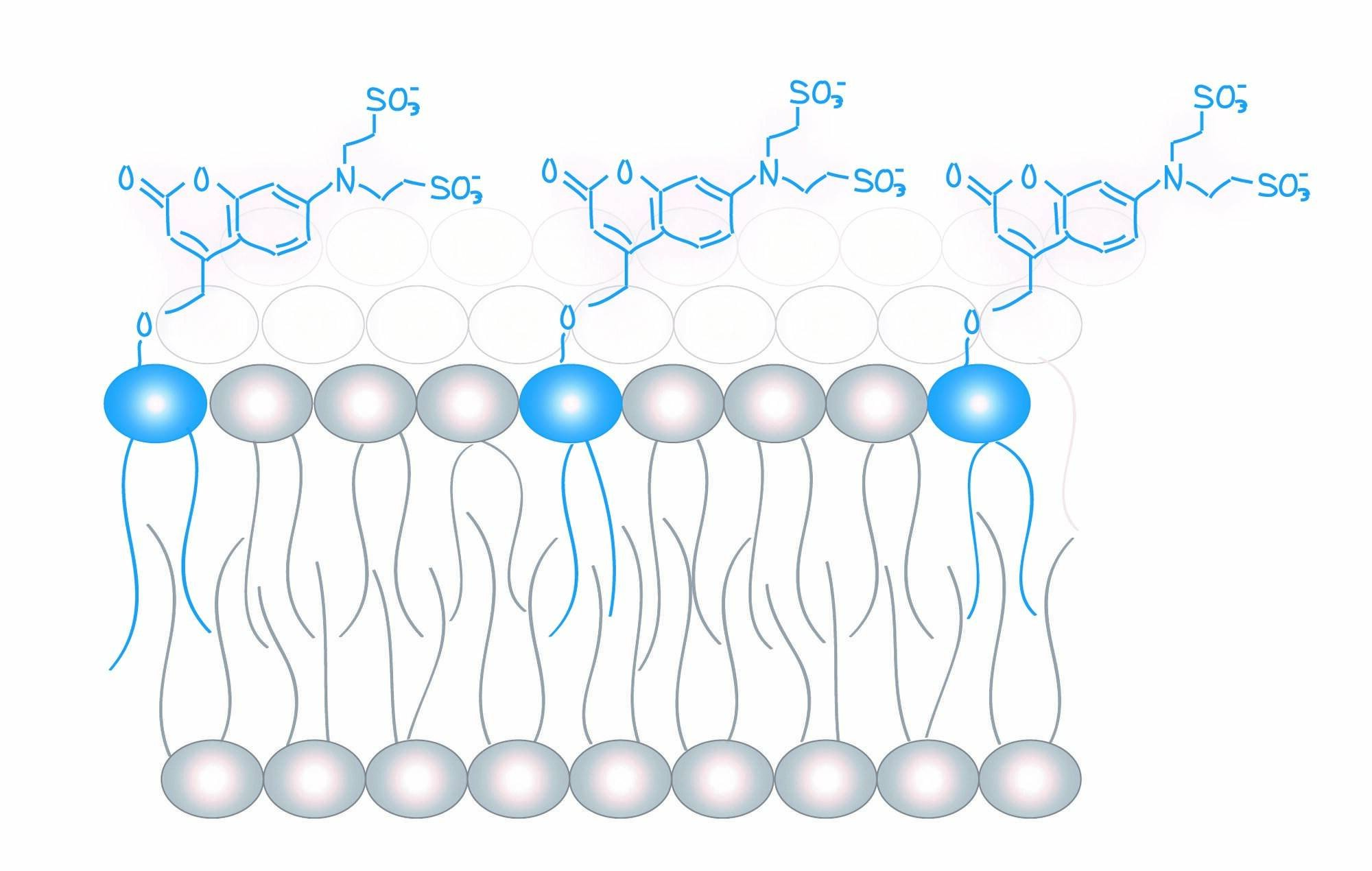
- The plasma membrane
that surrounds each cell
cointains severak types
of phospholipids.
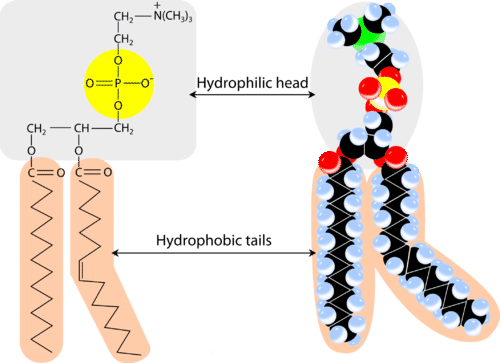
- Has two dissimilar ends. At one end,
are two nonpolar fatty acid
"tails"(insoluble in water). And the
other, is a polar phosphate-nitrogen
"head" (soluble in water.
- Has two dissimilar ends. At one end,
are two nonpolar fatty acid
"tails"(insoluble in water). And the
other, is a polar phosphate-nitrogen
"head" (soluble in water.
- The plasma membrane
that surrounds each cell
cointains severak types
of phospholipids.
Media attachments
Want to create your own Mind Maps for free with GoConqr? Learn more.