
Mind map
infection
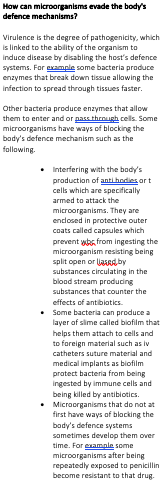
Map content
infection
what is an infection? A disease caused by microorganisms that invade tissue.
- What is the chain of infection? a very useful framework for understanding the infection process. For infection to occur in humans, the chain of transmission cannot be interrupted. Each step in the transmission process represents a link in a chain that, when disrupted, reduces the risk of infection occurring.
- 1-The infectious agent: infectious agents (pathogens) include not only bacteria but also viruses, fungi, and parasites. The virulence ( severity of harmfulness of a disease) of these pathogens depends on their number, their potency, their ability to enter and survive in the body, and the susceptibility of the host.Examples include bacteria, virus, fungi, parasite and protozoa
- 2-The reservoir: The reservoir of infection must be a viable environment in close proximity to humans that allows the infectious organism to live in sufficient numbers to infect people. Typical reservoirs include the soil, other humans and non-human animals (e.g. domesticated animals, wild animals and insects).
- 3-portal of exit: Portals of exit is the means by which a pathogen exits from a reservoir. For a human reservoir, the portal of exit can include blood, respiratory secretions, and anything exiting from the gastrointestinal or urinary tracts. More examples include excretions, secretions and droplets from the mouth , nose, rectum, urogenital tract, skin and mucous membranes
- 4-Mode of transmission: The mode of transmission to humans can be by direct contact with a reservoir, or through indirect contact where the organism has been transferred from the reservoir to an inanimate object. Direct contact can be in the form of an insect bite, contact with a pet that has an infection, or the faecal contamination of hands. Indirect contact can occur when contaminated wound dressings are used in clinical practice, or there is contact with contaminated clothing or bedding, leading to hand-to-mouth transmission.
- 5-portal of entry: Infectious organisms enter humans via a variety of routes collectively known as portals of entry . Common portals of entry are the natural body orifices: the mouth, anus, nose, vagina, urethra and ear canal. Another portal of entry can be through a breach in the skin’s integrity, such as a wound, or through injection into the body (e.g. with a needle or via an insect bite).
- 6-susceptible host: Susceptibility of a host depends on genetic or constitutional factors, specific immunity, and nonspecific factors that affect an individual’s ability to resist infection or to limit pathogenicity. An individual’s genetic makeup may either increase or decrease susceptibility.Specific immunity refers to protective antibodies that are directed against a specific agent.
- 5-portal of entry: Infectious organisms enter humans via a variety of routes collectively known as portals of entry . Common portals of entry are the natural body orifices: the mouth, anus, nose, vagina, urethra and ear canal. Another portal of entry can be through a breach in the skin’s integrity, such as a wound, or through injection into the body (e.g. with a needle or via an insect bite).
- 4-Mode of transmission: The mode of transmission to humans can be by direct contact with a reservoir, or through indirect contact where the organism has been transferred from the reservoir to an inanimate object. Direct contact can be in the form of an insect bite, contact with a pet that has an infection, or the faecal contamination of hands. Indirect contact can occur when contaminated wound dressings are used in clinical practice, or there is contact with contaminated clothing or bedding, leading to hand-to-mouth transmission.
- 3-portal of exit: Portals of exit is the means by which a pathogen exits from a reservoir. For a human reservoir, the portal of exit can include blood, respiratory secretions, and anything exiting from the gastrointestinal or urinary tracts. More examples include excretions, secretions and droplets from the mouth , nose, rectum, urogenital tract, skin and mucous membranes
- 2-The reservoir: The reservoir of infection must be a viable environment in close proximity to humans that allows the infectious organism to live in sufficient numbers to infect people. Typical reservoirs include the soil, other humans and non-human animals (e.g. domesticated animals, wild animals and insects).
- 1-The infectious agent: infectious agents (pathogens) include not only bacteria but also viruses, fungi, and parasites. The virulence ( severity of harmfulness of a disease) of these pathogens depends on their number, their potency, their ability to enter and survive in the body, and the susceptibility of the host.Examples include bacteria, virus, fungi, parasite and protozoa
- What does successful infection of a human depend on? 1 the organism’s capacity to remain a resident and form colonies. 2 the efficacy of the human body’s defences in excluding or killing the organism.
- What is the chain of infection? a very useful framework for understanding the infection process. For infection to occur in humans, the chain of transmission cannot be interrupted. Each step in the transmission process represents a link in a chain that, when disrupted, reduces the risk of infection occurring.
Identify common microorganisms that can cause infection? virus, bacteria, fungi and parasites
- Where are the different areas of the body infection occurs? the brain-meningitis, throat-pharyngitis, hepatitis, pneumonia, STDs, gastritis, conjunctivitis,
·
SIGNS AND SYMPTOMS OF INFECTION
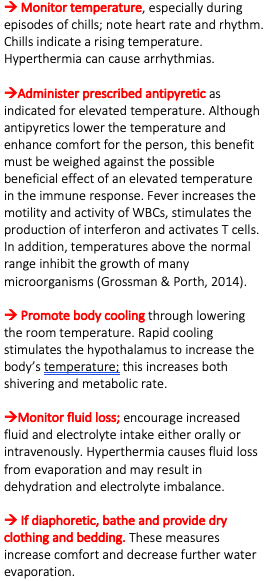
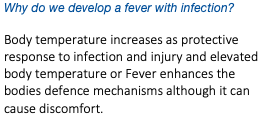
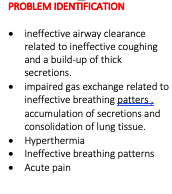
- HYPERTHERMIA/ FEVER
- PAIN
- diaphoresis
- malaise
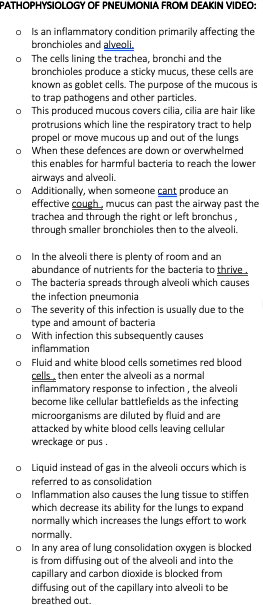
- infection causes inflammtion
- HYPERTHERMIA/ FEVER
·
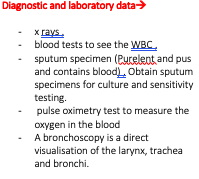
- signs and symptoms of pneumonia
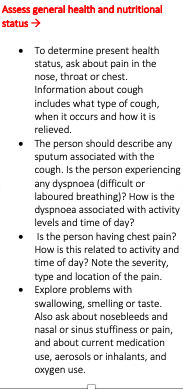
- INEFFECTIVE COUGH
- SHORTNESS OF BREATH
- SPUTUM AND SECRETIONS
- MALNUTRITION/ LOSS OF APETITE
- PRESENCE OF BACTERIA
- PAIN
- INEFFECTIVE COUGH
- signs and symptoms of pneumonia
Images and files in the map
Information
- Description
- Mind Map on infection, created by bella stuart on 01/06/2021.
- Created by
- bella stuart · Jun 2021
- Updated
- Jun 1, 2021
- Views
- 0
- Rating