
32991590
Description

Mind Map by Hannah Burton, updated more than 1 year ago

|
Created by Hannah Burton
over 4 years ago
|
|
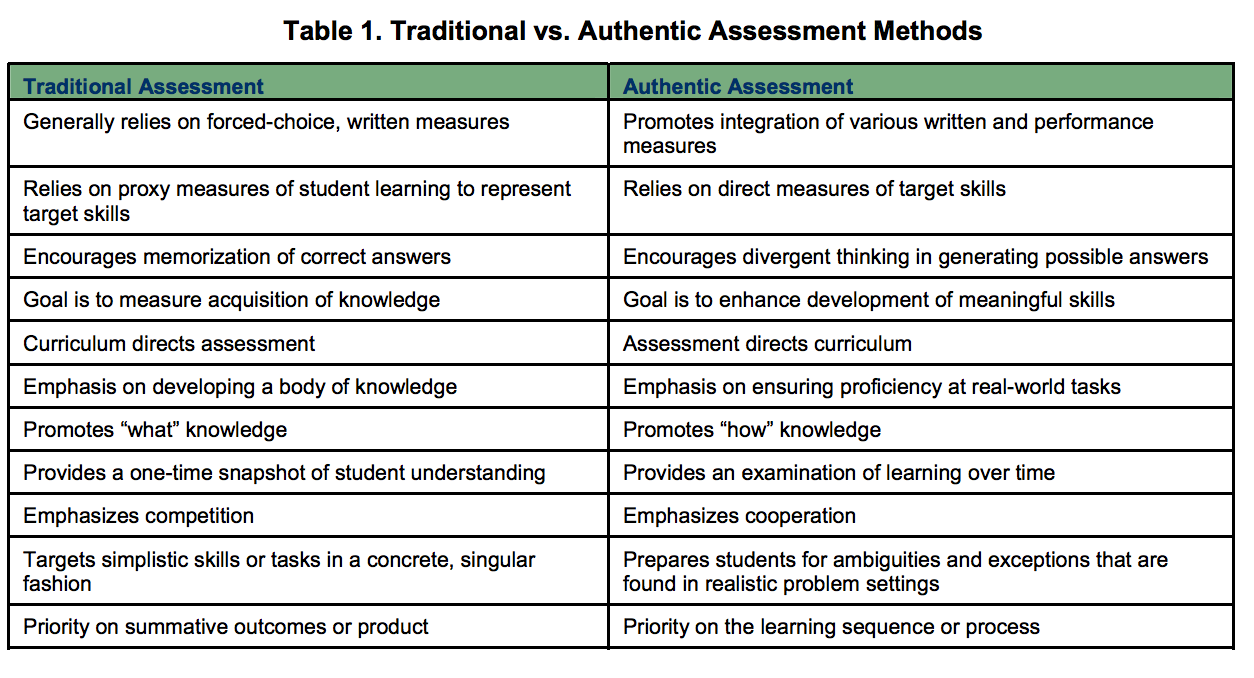
Authentic
Assessment
- Standards
- What standards should the students know?
- Language
standards
- https://wida.wisc.edu/teach/standards/eld
- https://wida.wisc.edu/teach/standards/eld
- Content
Standards
- https://www.alex.state.al.us/browseStand.php
- https://www.alex.state.al.us/browseStand.php
- Language
standards
- What standards should the students know?
- Authentic Tasks
- Assesses ability to
Apply
standards-driven
knowledge and skills
to real-world
challenges
- By having students
construct their
own responses
rather than to
select from ones
presented
- By having students
construct their
own responses
rather than to
select from ones
presented
- Stem from schools wanting:
- to develop productive citizens so an individual
must be capable of performing meaningful
tasks in the real world
- schools must help students become proficient at
performing the tasks they will encounter when
they graduate
- schools must help students become proficient at
performing the tasks they will encounter when
they graduate
- to develop productive citizens so an individual
must be capable of performing meaningful
tasks in the real world
- Assesses ability to
Apply
standards-driven
knowledge and skills
to real-world
challenges
- Criteria
- Determines if students have performed well on the
task,. Teacher will identify and look for
characteristics of good performance.
- Should be assessed with a rubric
- The minimum level at
which you would want
most students to perform
is your benchmark score
- Information from the rubric will give
students feedback and allow you to adjust instruction
- Analytic Rubric:
Performance is
judged separately
for each criterion
- Holistic Rubric: Judgment of
how well someone has
performed on a task
considers all the criteria
together
- Rubrics should be created so
students still have some
autonomy
https://www.alfiekohn.org/article/trouble-rubrics/
- The minimum level at
which you would want
most students to perform
is your benchmark score
- Should be assessed with a rubric
- Determines if students have performed well on the
task,. Teacher will identify and look for
characteristics of good performance.
- Student Centered
- Students should
have choice in the
assessment
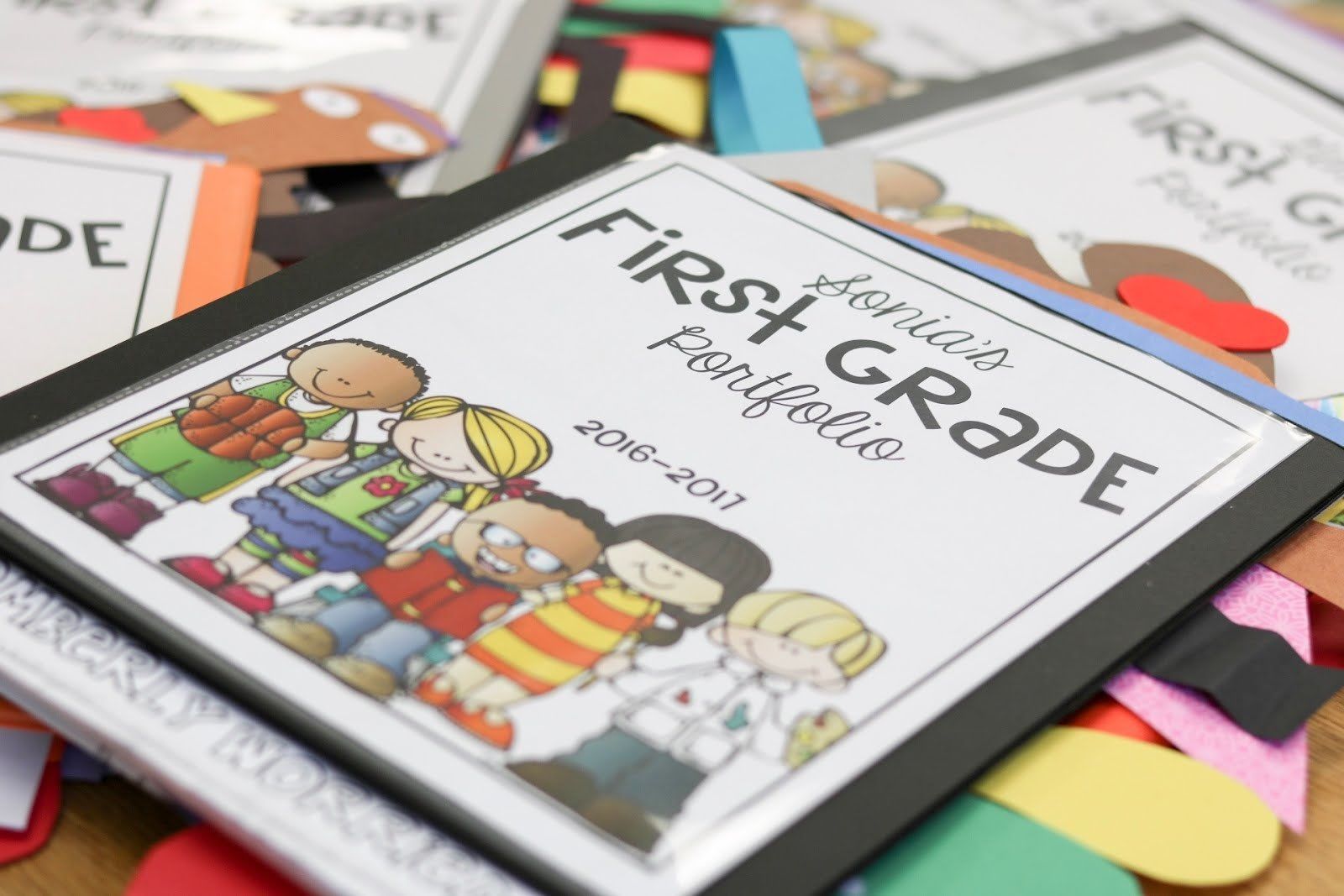
- One type of assessment that
lends itself for student choice
are portfolios. Qualities of
portfolios should include:
- Measure progress over
time. Different types of
portfolios include:
- Growth Portfolio:
Shows growth or
change over time
- Evaluation Portfolio:
Documents
achievement for
grading purposes
- ;Showcase Portfolio:
Showcases
end-of-year/semester
accomplishments
- Growth Portfolio:
Shows growth or
change over time
- When working with EBs portfolios
should be: (1) comprehensive, (2)
predetermined and systematic, (3)
tailored, (4) informative, and (5)
authentic
- Measure progress over
time. Different types of
portfolios include:
- One type of assessment that
lends itself for student choice
are portfolios. Qualities of
portfolios should include:
- Students should
have choice in the
assessment
- Things to keep in mind
while assessing EBs
- The student's cultural background
can effect their presentation style,
writing conventions, and background
knowledge.
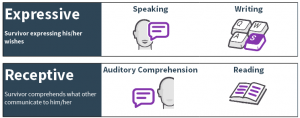
- The EBs language proficiency
can differ between ....
- Receptive Language: Can be
assessed by observing how well
EBs follow common commands
such as "Take out your pencil,"
- Expressive Language: Can
be assessed holistically
or analytically
- Receptive Language: Can be
assessed by observing how well
EBs follow common commands
such as "Take out your pencil,"
- Not all tests are culturally
responsive
- The student's cultural background
can effect their presentation style,
writing conventions, and background
knowledge.
- Should
be./ should have..
- Direct evidence of student learning
- Examples
- Constructed response i.e.
short essay questions and
measuring objects
- Products i.e. essays,
data recordings,
comic strips
- Ex: Family stories (perfect time for EBs to
write about their family and culture using
home language)
- Ex: Family stories (perfect time for EBs to
write about their family and culture using
home language)
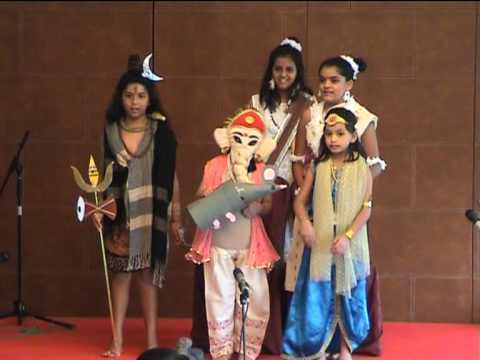
- Performances i.e. oral
presentations, skits,
role-playing
- Constructed response i.e.
short essay questions and
measuring objects
- Examples
- A replication of
challenges faced in
the real world.
- Direct evidence of student learning
Media attachments
Want to create your own Mind Maps for free with GoConqr? Learn more.