
Mind map
Polymers
Map content
Polymers
Forces between molecules determine the properties of plastics
- Covalent bonds hold the atoms together in long chains
- But it’s the bonds between the different molecules chains that determine the properties of the plastic
Weak Forces:
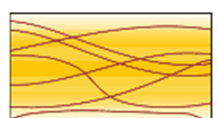
- Individual tangled chains of polymers, held together by weak intermolecular forces
- Are free to slide over each other
- Individual tangled chains of polymers, held together by weak intermolecular forces
Thermosoftening polymers
- Don’t have cross-linking between chains. The forces between the chains are really easy to overcome
- So it dead easy to melt the plastic
- When it cools, the polymer hardens into a new shape
- You can melt thes plastics and remould them as many times as you like.
Strong Forces
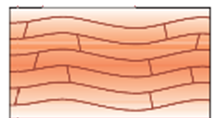
- Some plastic have stronger intermolecular forces between the polymer chains, called crosslinks, that holds the chains firmly together
Thermosetting polymers
- Have crosslinks
- These hold the chain together in a solid structures
- The polymer doesn’t soften when it’s heated
- Thermosetting polymers are the tough guys of the plastic world as they’re strong, hard and rigid
Two types of polythene can be made using different condition:
- Low density (LD)
- Polythene is made by heating ethane to about 200 oC under high pressure
- It’s flexible and is used for bags and bottles
- High density (HD)
- Polythene is made at a lower temperature and pressure (with catalyst)
- Its more rigid and is used for water tanks and drainpipes.
- Low density (LD)
Images and files in the map
Information
- Description
- GSCE Chemistry (2a) Mind Map on Polymers, created by Evangeline Taylor on 14/05/2014.
- Created by
- Evangeline Taylor · May 2014
- Updated
- Feb 19, 2016
- Views
- 42
- Rating