
Flashcards
Chapter 17: Training
Flashcards do conjunto (26)
- 1Characteristics of Adult LearnersAre autonomous and self-directed
Have a foundation of life experiences and knowledge
Are goal oriented
Are relevancy oriented
Are practical in nature
Need to be shown respect - 2Are AutonomousInvolve participants in the training
Instructors are facilitators
Instructors must determine the interests of students - 3Life Experiences/KnowledgeTrainers must recognize the expertise of the students
Trainers must encourage participants to share their experiences/knowledge with other students - 4Goal OrientedThe instructor must be organized in his/her training session
The training must have clear and understandable objectives - 5Relevancy OrientedInstructor/trainer must explain how the training objectives relate to the training activities
- 6PracticalInstructor should demonstrate the relevance of the training to the actual job
- 7Learners Need to be RespectedThe instructor should acknowledge the wealth of knowledge and experiences that participants bring to the training
Treat all participants in the training as equals rather than subordinates - 8Performance AnalysisFirst step in process to determine if training is the right solution to the actual work-place problem.
If so, then research extensively into what specific job skills or knowledge is needed - 9Instructional DesignSafety professional should develop what methods will be used to train employees, what materials are to be used in the training, and in what order the training events will happen
- 10Materials Acquisition or DevelopmentThe instructor should acquire through purchase or develop the training materials to be used in the training.
Important to target the specific audience.
Materials should reinforce the training objectives being sought.
Remember the adult learning characteristics when you are acquiring or developing the training materials - 11Delivery of TrainingDecide which is best for the training at hand.
3 types: Instructor lead, self-paced, and structured on the job (OTJ) training. - 12Course EvaluationOne training has been delivered, course evaluation should be conducted.
This is to obtain feedback from the participants to insure that future training sessions are improved.
Also should see if the training is effective. - 13Context AnalysisIs performed to determine the desired training needed by the organization.
Main objectives: why training is the recommended solution, who decided that the training would be conducted, and what is the history of the organization in regards to employee training - 14User AnalysisFocuses on the prospective students and instructors.
Determines who is going to receive or instruct the training and what their existing knowledge level of the subject matter is.
Assists in determining what the most appropriate learning style of potential participants is. - 15Work AnalysisFocuses on the desired skill and performance requirements of the job being performed.
Also referred to as a task or job analysis. - 16Content AnalysisA analysis of the documents used in the job.
May include: review of laws or written procedures that directly relate to the task or job. - 17Training Suitability AnalysisAnalysis of the task, job or project is performed to determine if training is desired (or only) solution to performance problems.
Training may not necessarily be the answer to correcting or improving employee behaviors. - 18Cost-Benefit AnalysisCost-benefit analyses are conducted to determine the return on investment to the company from the original investment of training costs.
- 19Training Program DevelopmentWritten performance objectives
Content outline
Selecting the training delivery method
Selecting the materials to be used
Testing and evaluation - 20Written performance objectivesObjectives should be clear, concise, measurable and shared with the employees.
4 elements
(1) Target audience - who receives training
(2) Behavior - what observable action will the employee exhibit during evaluation
(3) Condition - under what circumstances with the desired action be performed
(4) Degree/standard - how well must a task be accomplished? - 21Developing Course OutlineGeneral course description: What is and not covered, teaching approach and pre-recs
Goals/objectives
Outline of course structure
Course requirements - 22Delivery Method"Will the chosen training method deliver the desired results?"
Types: Instructor-led, self-paced learning, and structured on-the-job training - 23Development of Course MaterialsShould include: introduction, presentation, practice, feedback and summary of materials
May include: text, graphics, charts, examples of "real world" experiences. - 24Testing/EvaluationCan be performed through: Pretests, review tests and posttests.
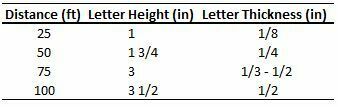
- 25PowerPoint Font Size
- 26Posttestsshould be designed to determine if the participant can perform the learning objectives
Informações
- Descrição
- These are the flash cards for chapter 17
- Criado por
- Dakota Templeton
- Visualizações
- 5
- Avaliação