
Flashcards
Unit 3: 3.1 - Optimism
Flashcards do conjunto (11)
- 1Two Broad Views of OptimismI.. Learned optimism by Seligman: attributional or explanatory process as the basis for his theory of learned optimism.
II. View of optimism by Scheier and Carver. - 2Definition of Learned OptimismIn the Seligman theory of learned optimism, the optimist uses adaptive causal attributions to explain negative experiences or events. The optimist makes external, variable, and specific attributions for failure-like events rather than the internal, stable, and global attributions of the pessimist. The optimistic goal-directed cognitions are aimed at distancing the person from negative outcomes of high importance.
- 3Childhood Antecedents of Learned OptimismSeligman and colleagues described the developmental roots of the optimistic explanatory style as:
1. There appears to be some genetic component of explanatory style, with learned optimism scores more highly correlated for monozygotic than dizygotic twins.
2. Learned optimism appears to have roots in the environment (or learning). For example, parents who provide safe, coherent environments are likely to promote the learned optimism style in their offspring.
3. The parents of optimists are portrayed as modeling optimism for their children by making explanations for negative events that enable the offspring to continue to feel good about themselves.
4. Pessimistic people had parents who also were pessimistic. Furthermore, experiencing childhood traumas (e.g., parental death, abuse, incest, etc.) can yield pessimism, and parental divorce also may undermine learned optimism. - 4The Neurobiology of Optimism and Pessimism1. Pessimism and depression are related to abnormal limbic system functioning as well as to dysfunctional operations of the lateral prefrontal cortex and the paralimbic system.
2. Antidepressant medications aim to increase the effective operation of neurotransmitters.
3. Depression also has been associated with depleted endorphin secretion and defective immune functioning.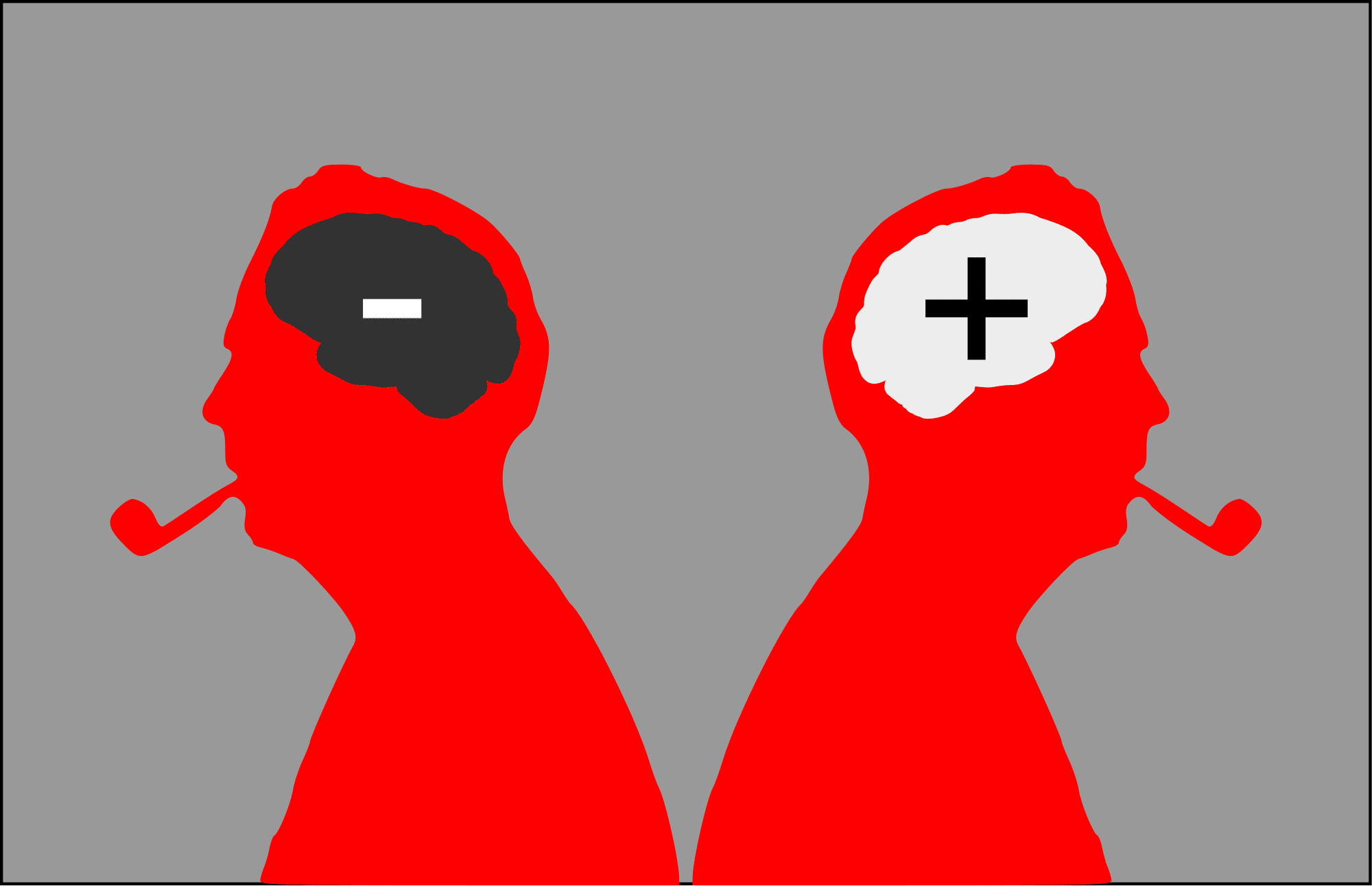
- 5Scales assessing Attributional Style1. Seligman and colleagues developed the instrument to measure attributional style. The Attributional Style Questionnaire (ASQ) for adults and the instrument for children is the Children's Attributional Style Questionnaire (CASQ).
2. University of Michigan psychologist Chris Peterson and his colleagues have developed the Content Analysis of Verbal Explanation (CAVE) approach for deriving ratings of optimism and pessimism from written or spoken words. - 6What does Learned Optimism Predict?1. Better academic performances.
2. Superior athletic performances.
3. More productive work records.
4. Greater satisfaction in interpersonal relationships.
5. More effective coping with life stressors.
6. Less vulnerability to depression.
7. Superior physical health. - 7Optimism definied by Scheier and CarverMichael Scheier and Charles Carver described optimism as "the stable tendency to believe that good rather than bad things will happen."
- 8Childhood Antecedents of OptimismCarver and Scheier suggest that their form of optimism stems from early childhood experiences that foster trust and secure attachments to parental figures.
- 9Scales to measure OptimismLife Orientation Scale (LOT) was introduced in 1985 by Michael Scheier and Charles Carver. Later a shorter, revised version of the LOT known as the LOT-Revised (LOT-R) was validated.

- 10What does Optimism Predict?1. When coping with stressors, optimists appear to take a problem-solving approach.
2. Optimists tend to use approach-oriented coping strategies whereas pessimists are more avoidant and use denial tactics.
3. Optimists appraise daily stresses in terms of potential growth and tension reduction.
4. When faced with truly uncontrollable circumstances, optimists tend to accept their plights, whereas pessimists actively deny their problems and thereby tend to make them worse. - 11Interventions to Enhance Optimism1. In the Riskind approach, cognitive techniques are used to challenge optimism-suppressing schemas as well as to enhance positive and optimistic thinking.
2. Another technique suggested by Riskind et al. is positive visualization, wherein the client rehearses seeing positive outcomes for problematic circumstances.
Informações
- Descrição
- Psychology FlashCards sobre Unit 3: 3.1 - Optimism , criado por Anieta Dixon em 21-02-2020.
- Criado por
- Anieta Dixon
- Visualizações
- 158
- Tags
- Avaliação