
Mapa mental
Chapter 8: Language & Thought
Conteúdo do mapa
Chapter 8: Language & Thought
LANGUAGE: TURNING THOUGHTS INTO WORDS
- Language consists of symbols that convey meanging, plus rules for combining those symbols, that can be used to generate an infinite variety of messeges
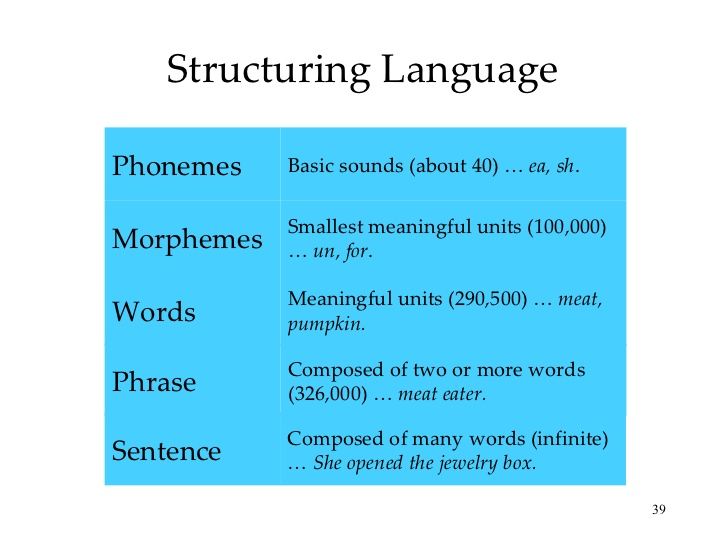
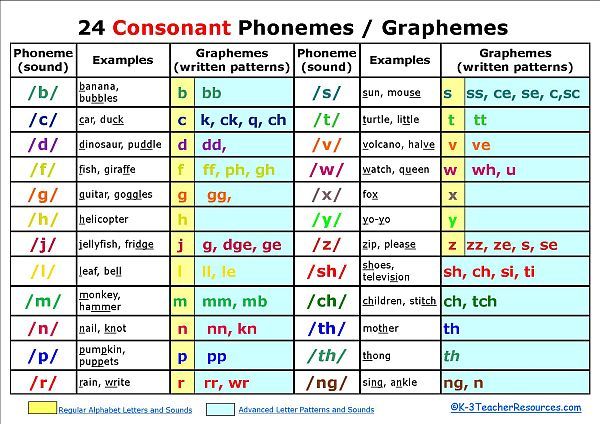
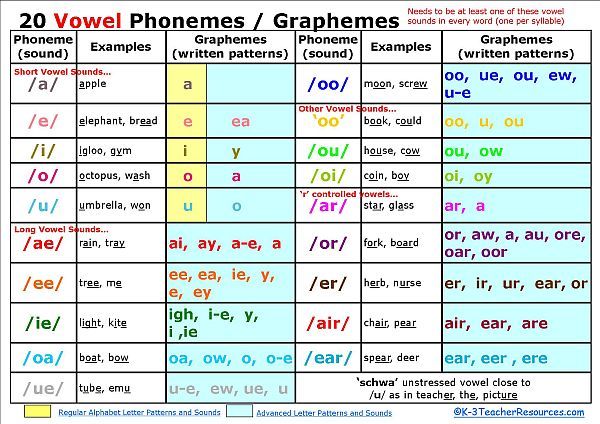
- Phonemes are the smallest speech units in a language that can be distinguished perceptually
- Morphemes are the smallest units of MEANING in a language
- Semantics is the area of language concerned wth UNDERSTANDING the meaning of words and word cominations
- Syntax is a system of rules that specify HOW wards can be ARRANGED into sentences
- Semantics is the area of language concerned wth UNDERSTANDING the meaning of words and word cominations
- Morphemes are the smallest units of MEANING in a language
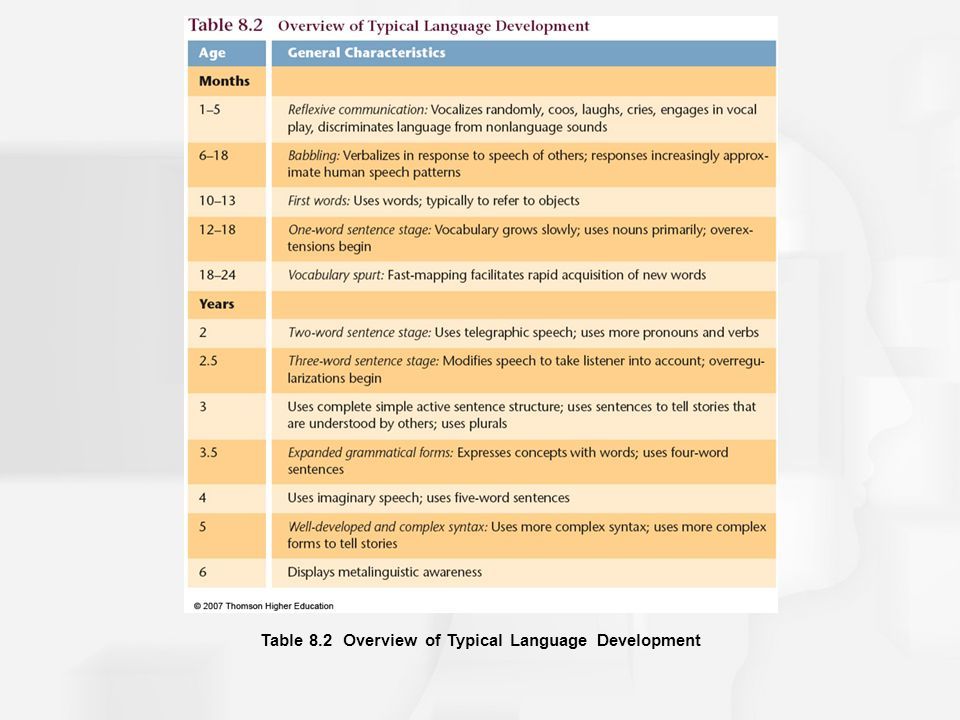
- FAST MAPPING is the proccess by which children map a word onto an underlying concept after only one exposure
- OVEREXTENSION occurs when a child incorrectly uses a word to DESCRIBE a wider set of OBJECTS or ACTIONS than it is meant to.
- UNDEREXTENSIONS occur when a child incorrectly uses a words to DESCRIBE a NARROW set of objects or actions than it is meant to.
- TELEGRAPHIC SPEECH consists mainly of content words; articles, prepositions, and other less critical words are omitted.
- OVERREULATION occurs when grammatical rules are incorrectly generalized to irregular cases where they do not apply
- METALINGUISTIC AWARENESS is the ability to reflect on the use of language
- BILINGUALISM is the aquisition of two languages that use different speech sounds, vocaublary, and grammatical rules
- METALINGUISTIC AWARENESS is the ability to reflect on the use of language
- OVERREULATION occurs when grammatical rules are incorrectly generalized to irregular cases where they do not apply
- TELEGRAPHIC SPEECH consists mainly of content words; articles, prepositions, and other less critical words are omitted.
- UNDEREXTENSIONS occur when a child incorrectly uses a words to DESCRIBE a NARROW set of objects or actions than it is meant to.
- OVEREXTENSION occurs when a child incorrectly uses a word to DESCRIBE a wider set of OBJECTS or ACTIONS than it is meant to.
- Nativist Theory proposes that humans are equipped with a language acquisiton device (LAD)- and inanimate mechanism or process that facilitates the learning of a language
- Interactionist Theorist assert that biooogy and experience both make important contributions to the development of language:
- Cognitive Theorists assert that language development is simply an important aspect of more general cognitive development-which depends on maturation & experience
- Social Communications Theorists emphasize the functional value of interpersonal communication and the social context in which languages evolves
- Emergenitist Theorists argue that the neural circuts supporting language are not prewired but emerge gradually in response to language learning experiences
- Social Communications Theorists emphasize the functional value of interpersonal communication and the social context in which languages evolves
- Cognitive Theorists assert that language development is simply an important aspect of more general cognitive development-which depends on maturation & experience
- LLINGUISTIC RELATIVETY, the hypothesis that ones language determines the nature of ones thought
- Interactionist Theorist assert that biooogy and experience both make important contributions to the development of language:
PROBLEM SOLVING: IN SEARCH FOR SOLUTIONS & DECISION MAKING: CHOICES AND CHANCES
- PROBLEM SOLVING refers to active efforts to discover what must be done to achieve a goal that is not readily attainable
- 1. Problems of inducing structure require people to discover the relationshipsamong numbers, words, symbols, or ideas.
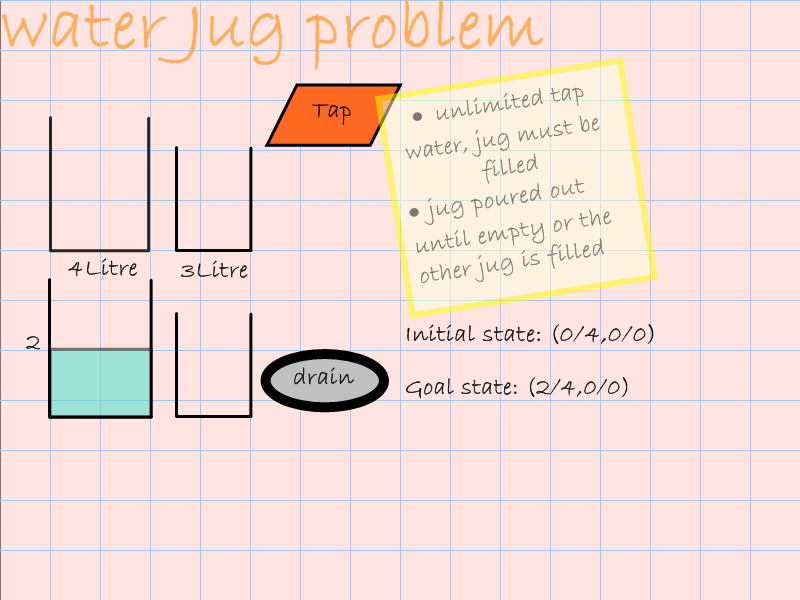
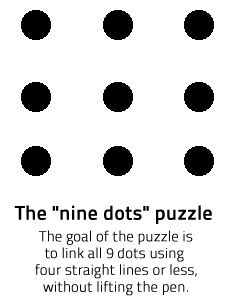
- 2. Problems of arrangement require people to arrange the parts of a problem in a way that satisfies some criterion. INSIGHT is the sudden discover of the correct solution following incorrect attempts based primarily on trial and error
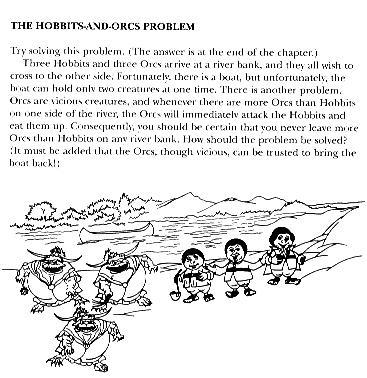
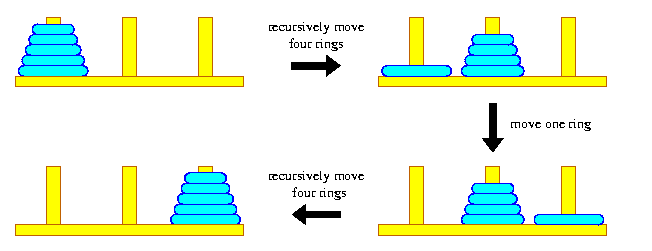
- 3. Problems of transformation require people carry out a sequence of transformations in order to reach a specific goal.
- 2. Problems of arrangement require people to arrange the parts of a problem in a way that satisfies some criterion. INSIGHT is the sudden discover of the correct solution following incorrect attempts based primarily on trial and error
- Irrelevant information can lead people astray
- FUNCTIONAL FIXEDNESS is the tendency to perceive an item only in terms of its most common use
- MENTAL SET exists when people persist in using problem solving srategies that have worked in the past
- Effective problem solving requires specifying all the constraints governing a problem without assuming any constraints that dont exist.
- PROBLEM SPACE refers to the set of possible pathways to a solution considered by the problem solver
- TRIAL & ERROR involves trying possible solutions and discarding those that are in error until one works
- ALGORITHM is a methodical, step-by-step procedure for trying all possible alternatives in searching for a solution to a problem.
- HEURISTIC is a guiding principle or rule of thumb used in solving problems or making decisions
- formulating SUBGOALS as intermediate steps towards a solution is a strategy as well.
- Problems with specific end-goals often require working from end to beginning.
- Searching for ANALOGIES is another of the major heuristics for solving problems
- INCUBATION EFFECT occurs when new solutions surface for a previously unsolved problem after a period of not consciously thinking about the problem
- FIELD DEPENDENCE-INDEPENDENCE refers to individuals tendency to rely primarily on external versus internal frames of reference when orienting themselves in space
- INCUBATION EFFECT occurs when new solutions surface for a previously unsolved problem after a period of not consciously thinking about the problem
- Searching for ANALOGIES is another of the major heuristics for solving problems
- Problems with specific end-goals often require working from end to beginning.
- formulating SUBGOALS as intermediate steps towards a solution is a strategy as well.
- HEURISTIC is a guiding principle or rule of thumb used in solving problems or making decisions
- ALGORITHM is a methodical, step-by-step procedure for trying all possible alternatives in searching for a solution to a problem.
- TRIAL & ERROR involves trying possible solutions and discarding those that are in error until one works
- PROBLEM SPACE refers to the set of possible pathways to a solution considered by the problem solver
- Effective problem solving requires specifying all the constraints governing a problem without assuming any constraints that dont exist.
- MENTAL SET exists when people persist in using problem solving srategies that have worked in the past
- FUNCTIONAL FIXEDNESS is the tendency to perceive an item only in terms of its most common use
- 1. Problems of inducing structure require people to discover the relationshipsamong numbers, words, symbols, or ideas.
- DECISION MAKING involves evaluating and making choices among them
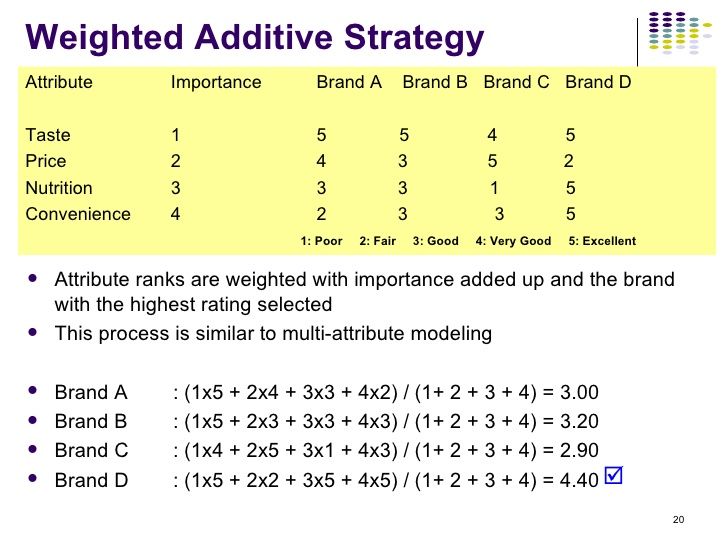
- Many decisions involve choices about preferences, which can be made using a variety of strategies.
- EMOTIONS influence decision making
- IF they can avoid it, people prefer to not have to grapple with uncertainty
- Judgments about the quality of various alternatives, such as consumer products, can be swayed by extraneous factors such as brand familiarity and price
- RISKY DECISION MAKING involves making choices under conditions of uncertainty
- AVAILABILITY HEURISTIC involves basing the estimated probability of an event on the ease with which relevant instances come to mind
- REPRESENTATIVE HEURISTIC involves basing the estimated probability of an event on how similar it is to the typical prototype of that event
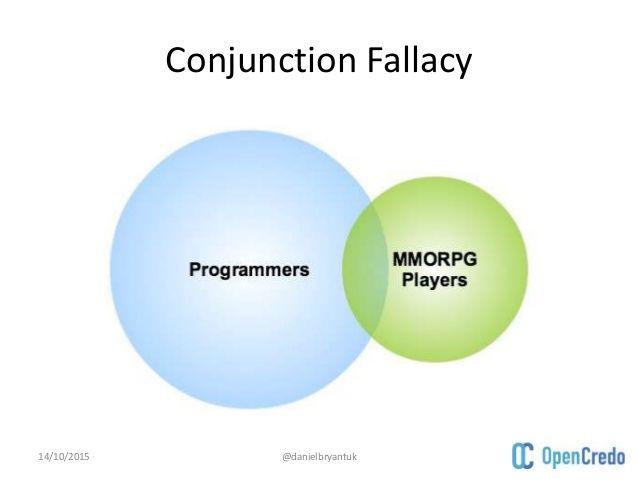
- CONJUNCTION FALLACY occurs when people estimate that the odds of two uncertain events happening together are greater than the odds of either happening alone
- BEHAVIOURAL ECONOMICS is a field of study that examines the effects of humans' actual (not idealized) decision-making process on economic decisions
- THEORY OF BOUNDED RATIONALITY asserts that people tend to use simple strategies in in decision making that focus only on a few facets of available options and often result in "irriational" decisions that are less than optimal.
- BEHAVIOURAL ECONOMICS is a field of study that examines the effects of humans' actual (not idealized) decision-making process on economic decisions
- CONJUNCTION FALLACY occurs when people estimate that the odds of two uncertain events happening together are greater than the odds of either happening alone
- REPRESENTATIVE HEURISTIC involves basing the estimated probability of an event on how similar it is to the typical prototype of that event
- AVAILABILITY HEURISTIC involves basing the estimated probability of an event on the ease with which relevant instances come to mind
- RISKY DECISION MAKING involves making choices under conditions of uncertainty
- Judgments about the quality of various alternatives, such as consumer products, can be swayed by extraneous factors such as brand familiarity and price
- IF they can avoid it, people prefer to not have to grapple with uncertainty
- EMOTIONS influence decision making
- Many decisions involve choices about preferences, which can be made using a variety of strategies.
- PROBLEM SOLVING refers to active efforts to discover what must be done to achieve a goal that is not readily attainable
COGNITION refers to the mental processes involved in aquiring knowledge
Imagens e arquivos do mapa


Informações
- Descrição
- 104 Psychology Mapa Mental sobre Chapter 8: Language & Thought, criado por Troy Cardinal em 14-11-2015.
- Criado por
- Troy Cardinal
- Visualizações
- 11
- Avaliação