
Mapa mental
Pathogens: Viruses, Bacteria, Fungi
Conteúdo do mapa
Pathogens: Viruses, Bacteria, Fungi
Viruses
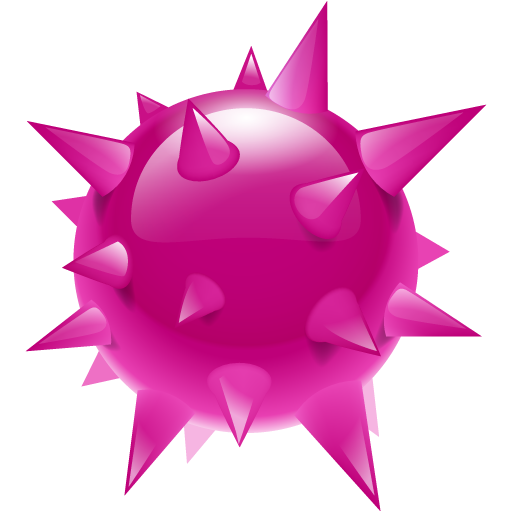
- Viruses make us feel unwell because they damage our cells when they reproduce. It is this cell damage that causes the symptoms of the illness.
- Unlike bacteria, viruses can’t move themselves around.
- However, once the high jack a cell they reproduce and once the cell bursts they infect neighbour cells.
- Viruses are extremely small (much smaller than bacteria, ~ 0.0001 mm) NON-LIVING microbes.
- They need a host cell to reproduce and survive.
- Examples: Bad - Lots! Flu, Chicken pox, Common cold, Meningitis, Ebola, Coronavirus Good – None, although some are now used in medical research.
Bacteria
- Examples: Bad - MRSA (or Methicillin Resistant Staphylococcus aureus!) causes nasty abscesses. This is an example of a hospital ‘superbug’. Good - Lactobacillus – makes cheese and yoghurt.
- Bacteria can reproduce rapidly inside the body but they often produce toxins. It is these toxins that commonly make us feel unwell.
- Bacteria are small (~0.001mm) living single celled organisms.
- They are found everywhere on earth.
- 1. Some have 'tails' (called flagella) that let them swim. They rotate their flagella like tiny propellers to move themselves through liquids. 2. Other bacteria make slime so they can ooze over surfaces like slugs.
Fungi
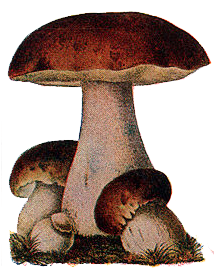
- Examples: Bad- Trichophyton – causes ringworm and athlete’s foot. Good - Yeast – used to make bread, wine and beer.
- Fungi commonly cause skin problems.
- They cause illness by producing toxins that damage and irritate cells.
- Fungi don’t move around. They can spread by making tiny spores.
- Fungi are bigger than bacteria.
- They grow everywhere.
Imagens e arquivos do mapa
Informações
- Descrição
- Mapa Mental sobre Pathogens: Viruses, Bacteria, Fungi, criado por Marina Della em 26-01-2021.
- Criado por
- Marina Della
- Visualizações
- 9
- Tags
- Histórico
-
- Criado por Haaris Iqbal · 26 jan 2017
- Copiado por Marina Della · 26 jan 2021
- Avaliação
Mais sobre Microorganisms and Disease