
Quiz
Microbiology Practical F
Crie uma conta grátis para terminar este quiz
Salve seu progresso e veja sua nota final.
Já tem uma conta? Inicie sessão
Perguntas do quiz (105)
1Obligate intracellular parasite
- AOrganisms that can only grow inside another living host.
- BViruses that infect bacteria.
- CViral replication cycle that ends in the death of the host cell.
2Bacteriophage
- AViruses that infect bacteria.
- BOrganisms that can only grow inside another living host cell.
- CViral replication cycle that ends in death of its host cell.
3Lytic cycle
- AViral replication cycle that ends in death of its host cell.
- BOrganisms that can only grow inside another living host cell.
- CViruses that infect bacteria.
4How does a medium used for bacterial growth differ from media used for bacteriophage growth?
- AUse ordinary media to grow bacteria but, a bacteriophage needs a host cell.
- BUse ordinary media to grow bacteriophages but, bacteria needs a host cell.
5What is the purpose of making serial dilutions of the T-4 phage?
- ATo obtain a countable plate of 30 - 300 plaques.
- BTo obtain a countable plate of 30 - 300 colonies.
- CTo obtain a countable plate of 30 - 300 individual viruses.
6What is a viral plaque and what does it represent?
- AAn area of clearing on an agar representing a spot where a virus landed, infected a bacteria and lysed it.
- BAn area on an agar representing a spot where a bacteria landed, infected a virus and lysed it.
- CAn area on an agar representing a spot where a virus landed, infect a yeast and lysed it.
7What purpose does the E. coli serve in this procedure?
- AIt is the host cell for the T4 bacteriophage
- BIt is the host cell of the T4 bacteria.
- CIt is the host cell of the T4 fungus.
8Explain why Coccidioides immitis is considered to be a dimorphic fungus.
- AIt can grow as a yeast and as a mold.
- BIt can grow as a yeast and a virus.
- CIt can grow as a mold and a virus.
9What are the growth differences between fungus and bacteria?
- AFungi grow faster, at a lower temperature and at a lower pH than bacteria.
- BFungi grow faster, at a higher temperature and at a higher pH than bacteria.
- CFungi grow slower, at a lower temperature and at a lower pH than bacteria.
- DFungi grow slower, at a higher temperature and at a higher pH than bacteria.
10Staphylococcus and Micrococcus are"
- AGram (+) cocci in clusters
- BGram (-) cocci in clusters
- CStaphylococcus is gram (+) in clusters and Micrococcus is gram (-) in pairs
- DStaphylococcus is gram (-) in clusters and Micrococcus is gram (+) in pairs
11Where are Staphylococcus and Micrococcus normally found in the body?
- ASkin and mucus membranes
- BIntestines
- CGastrointestinal tract
- DSkin and hair
12Where are Staphylococcus and Micrococcus normally found in the body?
- ASkin and mucus membranes
- BIntestines
- CGastrointestinal tract
- DSkin and hair
13People that harbor the pathogen but exhibit no symptoms.
- ACarrier
- BMRSA
- CNosocomial
- DGiver
14Methicillin-resistant Staphylococcus aureus
- AMRSA
- BCarrier
- CNosocomial
- DMultiple Resistant Streptococcus Aureus
15Hospital acquired
- ANosocomial
- BCarrier
- CGiver
- DCatalase
16Which substances that Staphylococcus aureus produce to cause disease
- ACatalase
- BCoagulase
- CHyaluronidase
- DCarilase
17When do staphylococcus epidermidis and Micrococcus cause disease?
- AThey are opportunistic pathogens.
- BAll the time
- CNever
18Differentiate the colony appearance of Staphylococcus and Streptococcus
- AStaph are larger, convex, opague and pigmented, Strep are smaller, translucent to slightly opaque.
- BStrep are larger, convex, opague and pigmented, Straph are smaller, translucent to slightly opaque.
- CStaph are smaller, convex, opague and pigmented, Strep are larger, translucent to slightly opaque.
19Which enzyme helps differentiate all staphylococci from streptococci?
- ACatalase
- BStreptocase
- CStaphoolase
20How did Lancefield divide the beta-hemolytic streptococci into groups?
- AC polysaccharide extracted from the cell walls
- BPeptidoglycan extracted from the cell walls
- CLipids extracted from the cell walls
21What is the species name of Lancefield Group A streptococci.
- AStreptococcus pyogenes
- BStreptococcus aureus
- CStreptococcus epidermidis
- DStreptococcus agalaticae
22What is the species name of Lancefield Group B streptococci?
- AStreptococcus agalaticae
- BStreptococcus aureus
- CStreptococcus pyogenes
- DStreptococcus cocci
23Where are Enterococcus normally found int he body?
- AGastrointestinal tract
- BSkin and mucus
- CLiver
- DKidneys
24VRE?
- AVancomycin resistant enterococcus
- BVancomycin resistant ebolacoccus
- CVancomycin resistant enteroboccus
25Viridans streptococci
- AAlpha hemolytic streptococci other than streptococcus pneumonea
- BBeta hemolytic streptococci other than streptococcus pneumonea
- CAlpha heolytic staphylococci other than staphylococcus pneumonea
- DBeta heolytic staphylococci other than staphylococcus pneumonea
26Group A Strep causes __________________
- AStrep throat
- BCommunity-acquired pneumonia
- CNeonatal septicemia
- DUrinary tract infection
27Group B Strep causes _____________
- ANeonatal septicemia
- BStrep throat
- CUrinary tract infection
- DCommunity-acquired pneumonia
28Enterococcus causes _________________
- AUrinary tract infection
- BDental cavities
- CStrep throat
- DNeonatal speticemia
29Streptococcus pneumoniae causes _________________
- ACommunity-acquired pneumonia
- BNeonatal septicemia
- CUrinary tract infection
- DStrep throat
30Viridans streptococci
- ADental cavities
- BStrep throat
- CUrinary tract infection
- DNeonatal septicemia
31Why is Coccidioides immitis considered to be a dimorphic fungus?
- AIt can grow as a yeast and as a mold
- BIt can grow in pairs.
- CIt can grow as coccus or bacillus.
32What are the growth factors between fungus and bacteria?
- AFungi grow slower, at a lower temp and lower pH than bacteria
- BFungi grow faster, at a higher temp and higher pH than bacteria
- CFungi grow slower, at a higher temp and lower pH than bacteria
- DFungi grow faster, at a lower temp and higher pH than bacteria
33Explain the difference between vegetative hyphae and aerial hyphae.
- AVegetative hyphae grow on or down into the agar surface; aerial hyphae grow above the agar surface.
- BAerial hyphae grow on or down into the agar surface; vegetative hyphae grow above the agar surface.
34The difference between sporangiospores and conidiospores:
- ASporangipospores are inside of a sac and condidiospores are the end of hyphae.
- BCondidiospores are inside of a sac and sporangipospores are the end of hyphae.
35How are molds identified in the laboratory?
- AMacroscopic appearance
- BMicroscopic appearance
- CHyphal structure
36What are the characteristics of Enterobacteriacea?
- AAll are gram (-) rods
- BAll are gram (+) cocci
- CAll ferment glucose
- DAll reduce nitrate to nitrite
- EThey are oxidase (-)
- FThey are oxidase (+)
- GThey do not ferment glucose
37What are the characteristics of non-fermenters?
- AAll are gram (-)
- BAll ferment glucose
- CThey do not ferment glucose
- DThey are all oxidase (-)
- EMany are oxidase (+)
- FAll are gram (+)
38What are the two major groups of gram (-) rods?
- AEnterobacteriacaea
- BNon-fermenters
- CStaphylococcus
- DStreptococcus
39Which carbohydrate is used to determine whether a gram negative rod is a "Nonfermenter" or "Enterobacteriacae"?
- AGlucose
- BLactose
40What carbohydrate(s) are in the Kigler Iron Agar media?
- AGlucose
- BLactose
- CSucrose
- DGalactose
41What carbohydrate(s) are in the MacConkey agar?
- AGlucose
- BLactose
- CSucrose
- DGalactose
42Why is MacConkey agar considered to be a selective and differential media?
- AIt is selective because it contains bile salts and crystal violet which inhibit the growth of gram (+) organisms. It is differential because it contains lactose making it differential for lactose fermentation.
- BIt is selective because it contains bile salts and crystal violet which inhibit the growth of gram (-) organisms. It is differential because it contains lactose making it differential for lactose fermentation.
- CIt is differential because it contains bile salts and crystal violet which inhibit the growth of gram (+) organisms. It is selective because it contains lactose making it differential for lactose fermentation.
- DIt is differential because it contains bile salts and crystal violet which inhibit the growth of gram (-) organisms. It is selective because it contains lactose making it differential for lactose fermentation.
43How many types of organisms will you identify in the mixed unknown exercise?
- A1
- B2
- C4
44What type of organism grows on MacConkey agar?
- AGram (-)
- BGram (+)
45What ingredient on the MacConkey agar will differentiate the organisms growing on the agar?
- ALactose
- BBile salts and crystal violet
- CBlood
46What type of organism grows on CNA?
- AGram (+)
- BGram (-)
47What ingredient in the CNA media allows differentiation of the organisms growing on the agar?
- ABile salts and crystal violet
- BBlood
- CLactose
48Why is CNA media incubated in a candle jar?
- AStreptococcus are microaerophiles
- BStreptococcus are anaerobes
49Why is a cotton swab used to obtain the sample from the original broth?
- ATo make sure we get both organisms from the mixed culture
- BTo make sure enough sample is collected
- CTo make it easier to inoculate the media
50Why is T. soy agar used to grow the "stock cultures"?
- AIt's a neutral media that all bacteria like
- BIt is a selective media that only gram (-) bacteria like.
- CIt is a selective media that only gram (+) bacteria like.
51Why do you need to develop two flow charts in order to identify your unknown organisms?
- AYou have to develop a dichotomous key for each of your unknown organisms and we have two organisms.
- BYou have to develop a dichotomous key for each depending on the outcome of growth on the selective media.
52What is an "enteric" organism?
- APart of the normal flora of the intestinal tract
- BBacteria that live inside another organism.
53How are culture media designed to detect if a bacteria can produce a specific enzyme?
- ASubstrates are incorporated into the culture media that the enzymes act upon and that along with indicator system lets you see the products.
- BEnzymes are incorporated into the media and an indicator systems lets you see if they match the organism.
54What is the purpose of the Durham tube in the carbohydrate fermentation tubes?
- ACollects gas
- BReleases gas
- CKeeps tube from exploding
55Name the specific tests that are part of the IMViC test
- AIndole
- BMethyl red
- CVoges-Proskauer
- DCitrate
- EUrease
56Name 3 Enterobacteriaceae normally found in the gastrointestinal tract.
- AE. coli
- BEnterobacter aerogenes
- CProteus vulgaris
- DSalmonella
- EKlebsiella pneumoniae
- FShigella
57Name two Enterobacteriaceae that are major pathogens and state the disease they cause.
- ASalmonella - Gastroenteritis, typhoid fever
- BShigella - Bacterial dysentery
- CE. coli - Gastroenteritis, typhoid fever
- DProteus vulgaris - Bacterial dysentery
58Which commercial test systems are used to identify gram (-) rods in clinical labs?
- AEntero tube
- BAPI
- C20E
- DMicro ID
- EMicro tube
- FAPE
59Why do you use the streak-stab method for blood agar inoculations?
- ASo you can see the hemolysis better
- BTo see if the bacteria like to grow in or on the agar
60Where do you grow streptococcus and why?
- AIn a candle jar because it's a microaerophile
- BIn the air because it's an aerobe
61Which bacteria are alpha and optochin sensitive?
- AStreptococcus pneumoniae
- BStreptococcus mitis
- CStreptococcus pyogenes
- DGroup C Streptococcus
- EEnterococcis faecalis
62Which bacteria are and optochin resistant?
- AStreptococcus mitis
- BStreptococcus pneumoniae
- CStreptococcus pyogenes
- DGroup C Streptococcus
- EEnterococcus faecalis
63Which bacteria are beta and bacitracin sensitive?
- AStreptococcus pyogenes
- BStreptococcus pneumoniae
- CStreptococcus mitis
- DGroup C Streptococcus
- EEnterococcus faecalis
64Which bacteria are beta and bacitracin resistant?
- AGroup C Streptococcus
- BStreptococcus mitis
- CStreptococcus pneumoniae
- DEnterococcus faecalis
- EStreptococcus pyogenes
65How do you tell the difference between the alpha hemolytic Streptococcus and and Enterococcus faecalis?
- AThe alpha Streptococcus are bile esculin (-) and the Enterococcus faecalis is bile esculin (+)
- BThe alpha Streptococcus are bile esculin (+) and the Enterococcus faecalis is bile esculin (-)
66How does the catalase test differentiate between Staphylococcus and Streptococcus?
- AStaphylococcus is catalase (+) and Streptococcus is catalase (-)
- BStaphylococcus is catalase (-) and Streptococcus is catalase (+)
67What kind of hemolysis is shown on this plate?
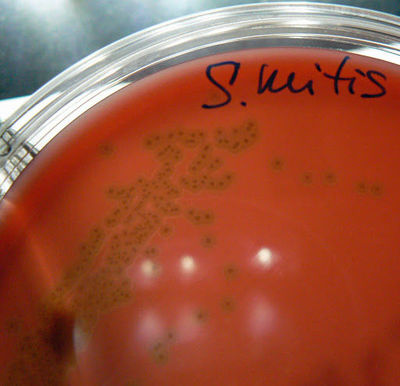
- AAlpha hemolyisis
- BBeta Hemolysis
- CGamma Hemolysis
68What is the mold pictured?
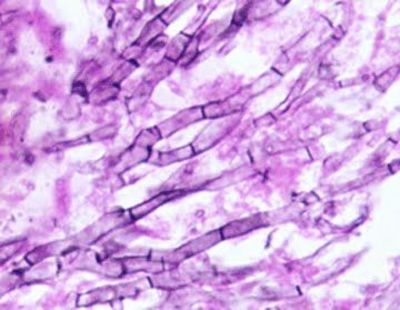
- AAspergillis
- BPenicillium
- CRhizopus
69What is the mold pictured?
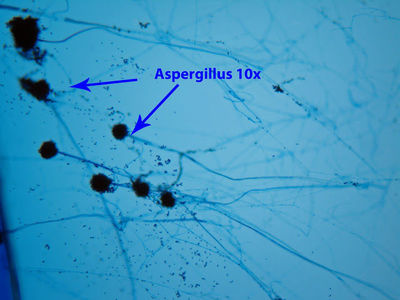
- AAspergillus
- BPenicillium
- CRhizopus
70What is the mold pictured?
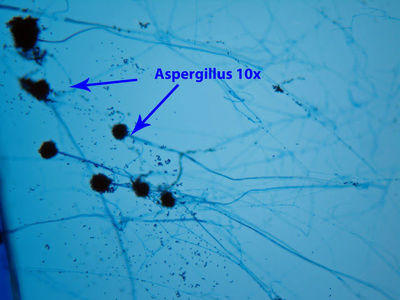
- AAspergillus
- BPenicillium
- CRhizopus
71What is the mold pictured?

- AAspergillus
- BPenicillium
- CRhuzopus
72What is the mold pictured?

- AAspergillus
- BPenicillium
- CRhizopus
73What is the mold pictured?
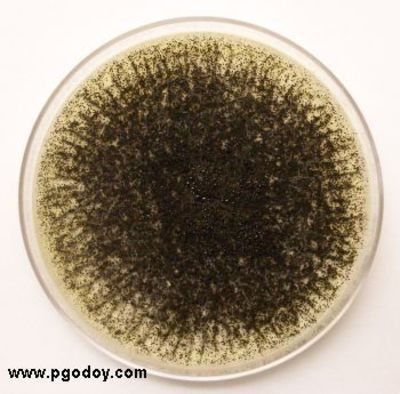
- AAspergillus
- BPenicillium
- CRhizopus
74What is the mold pictured?

- AAspergillus
- BPenicillium
- CRhizopus
75What mold is pictured?
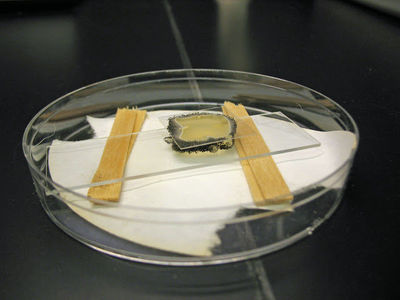
- AAspergillus
- BPenicillium
- CRhizopus
76What mold is pictured?
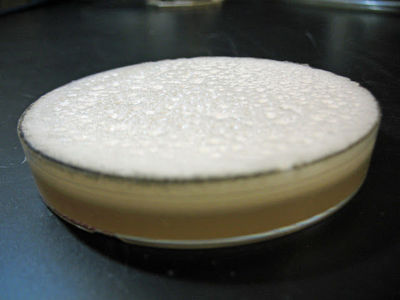
- AAspergillus
- BPenicillium
- CRhizopus
77What mold is pictured?
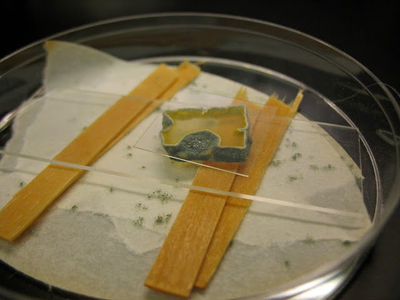
- AAspergillus
- BPenicillium
- CRhizopus
78What mold is pictured?
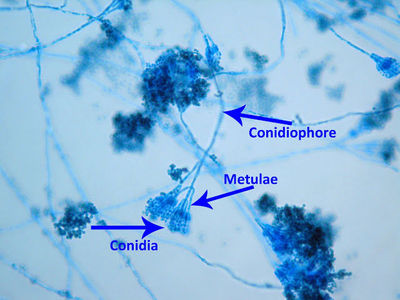
- AAspergillus
- BPenicillium
- CRhizopus
79What mold is pictured?
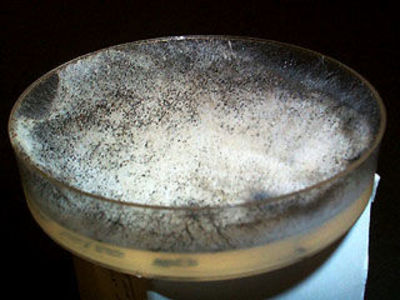
- AAspergillus
- BPenicillium
- CRhizopus
80What mold is pictured?
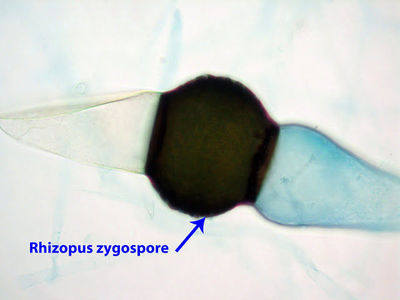
- AAspergillus
- BPenicillium
- CRhizopus
81What mold is pictured?
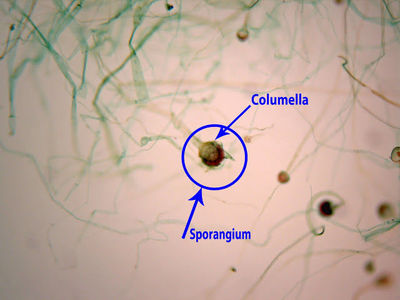
- AAspergillus
- BPenicillium
- CRhizopus
82What mold is pictured?
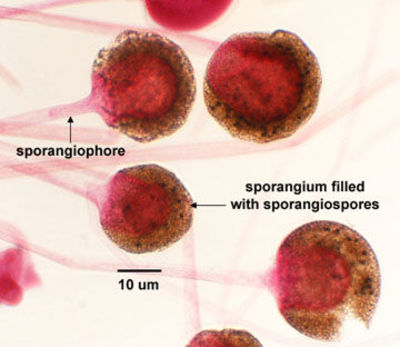
- AAspergillus
- BPenicillium
- CRhizopus
83Is this result positive or negative for beta lactamase?
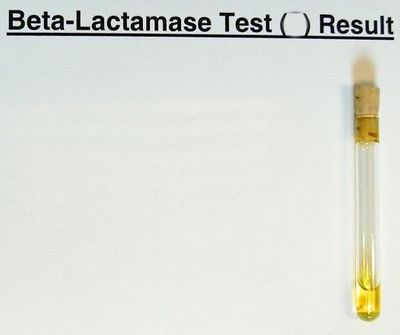
- APositive
- BNegative
84Is this result positive or negative for beta lactamase?
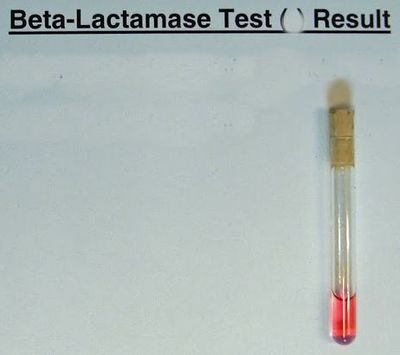
- APositive
- BNegative
85What are the results of the bile esculin test pictured?

- AA = negative, B = positive
- BA = positive, B = negative
86What are the results of the carbohydrate fermentation pictured?
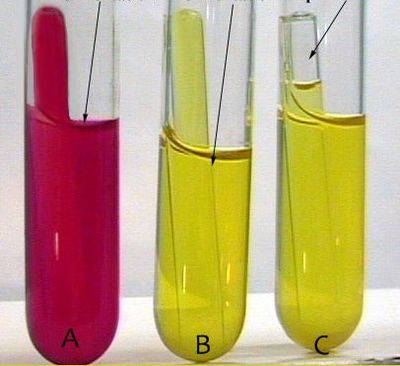
- AA = negative, B = positive, C = positive + gas
- BA = positive, B = negative, C = negative +gas
87What are the results of the citrate test pictured?
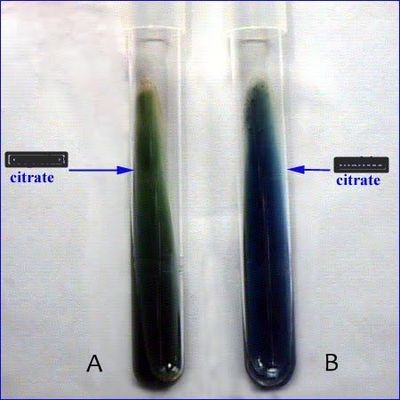
- AA = negative, B = positive
- BA = positive, B = negative
88What are the results of the indole test pictured?
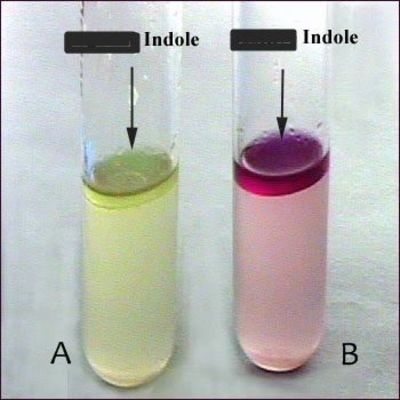
- AA = negative, B = positive
- BA = positive, B = negative
89What is the result of the lactose fermentation pictured?
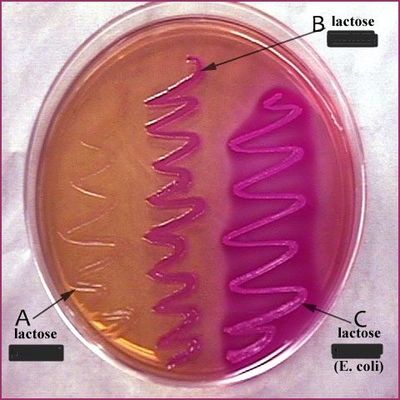
- AA = negative, B = positive, C = positive
- BA = negative, B = negative, C = positive
- CA = positive, B = negative, C = negative
- DA = positive, B = positive, C = negative
90What are the results of the motility test pictured?
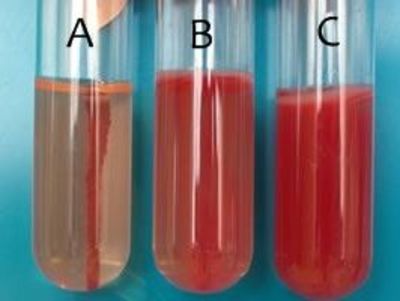
- AA = non-motile, B = motile, C = motile
- BA = non-motile, B = non-motile, C = motile
- CA = motile, B =motile, C = non-motile
- DA = motile, B = non-motile, C = non-motile
91What are the results of the sensitivity test pictured?
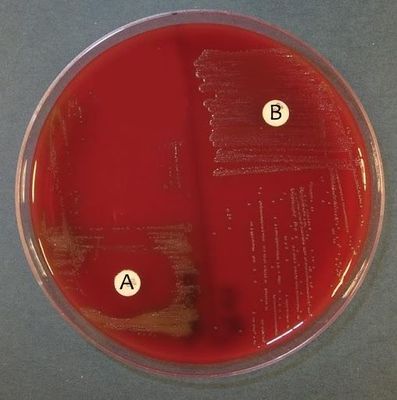
- AA = sensitive, B = resistant
- BA = resistant, B = sensitive
92How do you calculate the titer of phage in the original sample given the number of plaques and the dilution of the plate?
- A# of plaques x dilution x 10^-1 = _________ PFU/mL
- B# of plaques x dilution x 10^1= __________ PFU/mL
93What kind of hemolysis is pictured?

- AGamma
- BAlpha
- CBeta
94Which bacteria is cogulase positive and manitol slat agar positive?
- AStaphylococcus aureus
- BStaphylococcus epiderminis
- CMicrococcus roseus
- DMicrococcus luteus
95Which bacteria is coagulase negative and manitol salt agar negative?
- AStaphylococcus epidermidis
- BStapylococcus aureus
- CMicrococcus roseus
- DMicrococcus luteus
96What bacteria is positive for nitrate reduction and rose for pigment production?
- AMicrococcus roseus
- BMicrococcus luteus
- CStaphylococcus aureus
- DStaphylococcus epidermidis
97What bacteria is negative for nitrate reduction and yellow for pigment production?
- AMicrococcus luteus
- BMicrococcus roseus
- CStaphylococcus aureus
- DStaphylococcus epidermidis
98How is Enterococcus faecalis differentiated from other alpha hemolytic streptococcus?
- AIt is positive for bile esculin
- BIt is negative for bile esculin
99Which Streptococcus bacteria is optochin resistant?
- AStreptococcus mitis
- BStreptococcus pneumoniae
- CStreptococcus pyogenes
- DGroup C streptococcus
100Which streptococcus bacteria is optochin sensitive?
- AStreptococcus pneumoniae
- BStreptococcus mitis
- CStreptococcus pyogenes
- DGroup C Streptococcus
101Which bacteria is bacitration resistant?
- AGroup C Streptococcus
- BStreptococcus pyogenes
- CStreptococcus pneumoniae
- DStreptococcus mitis
102Which bacteria is bacitracin sensitive?
- AStreptococcus pyogenes
- BStreptococcus mitis
- CStreptococcus pneumoniae
- DGroup C Streptococcus
103Which bacteria are alpha hemolytic?
- AStreptococcus mitis
- BStreptococcus pneumoniae
- CStreptococcus pyogenes
- DGroup C Streptococcus
104Which bacteria are beta hemolytic?
- AStreptococcus mitis
- BStreptococcus pneumoniae
- CStreptococcus pyogenes
- DGroup C Streptococcus
105What hemolysis is pictured?
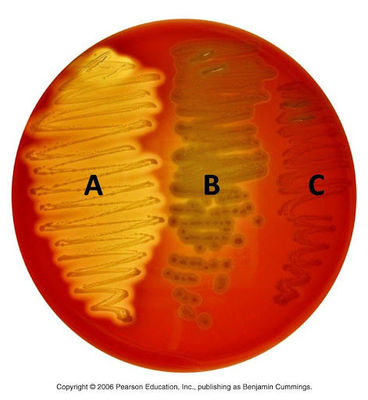
- AA= alpha, B = beta, C = gamma
- BA = beta, B = alpha, C = gamma
- CA = gamma, B = alpha, C = beta
Informações
- Descrição
- Raymond MCC
- Autor
- Elle Ashe
- Idioma
- English
- Visualizações
- 468
- Etiquetas
- Avaliação
- 3,5 de 5 · 2 avaliações Avalie este quiz