Flashcards
Lab 4: The Appendicular Skeleton (ID Material)
Flashcards do conjunto (39)
- 1—
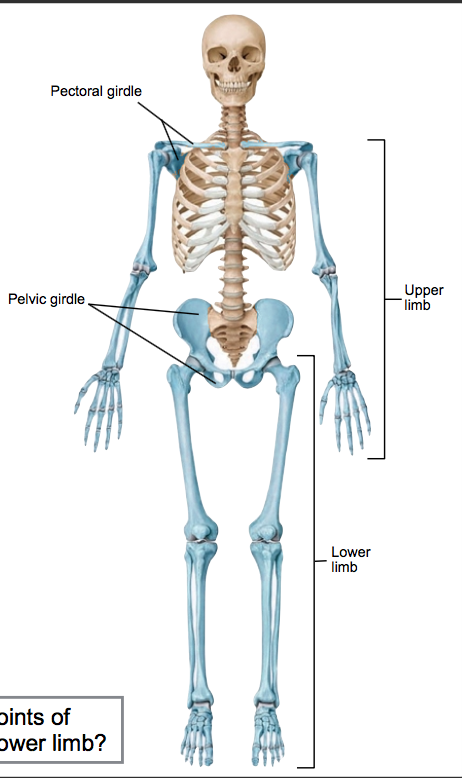
- 2—
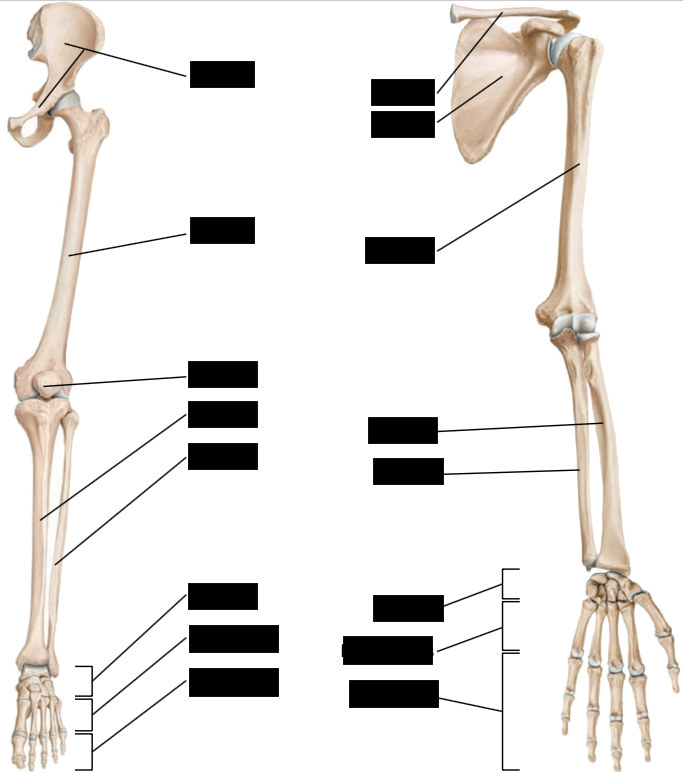
- 3—
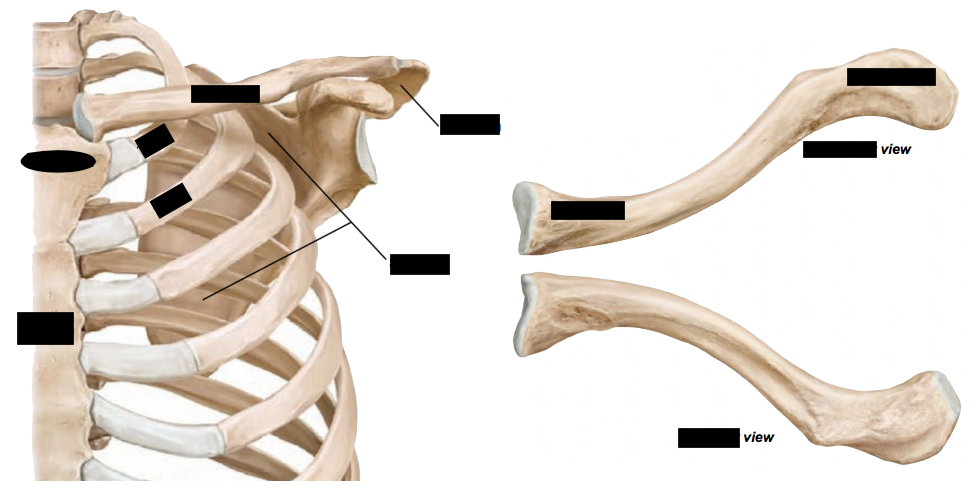
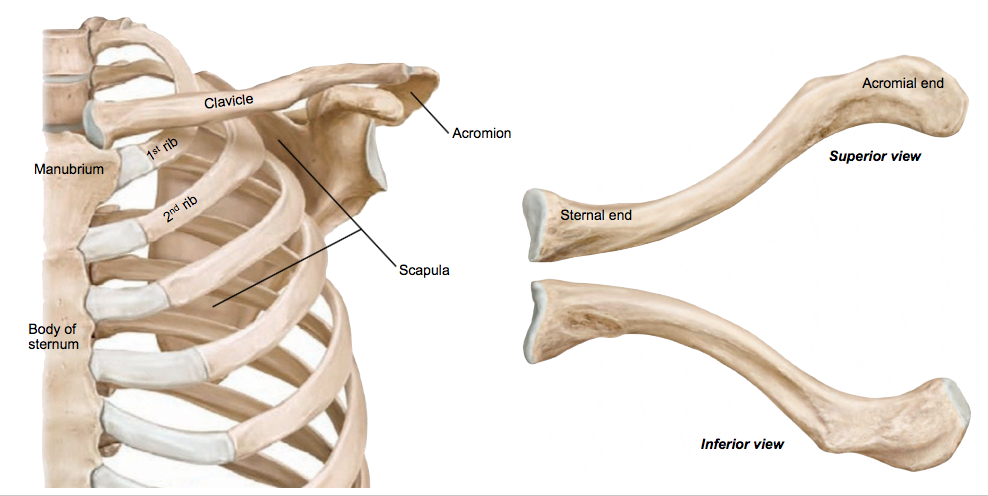
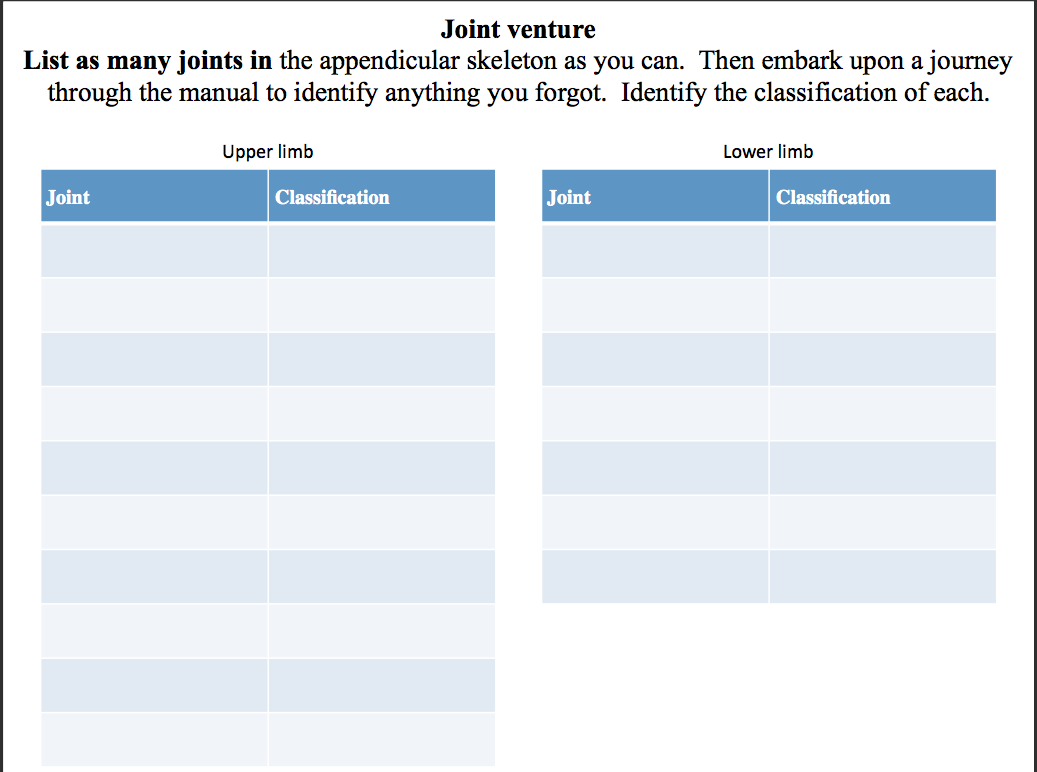
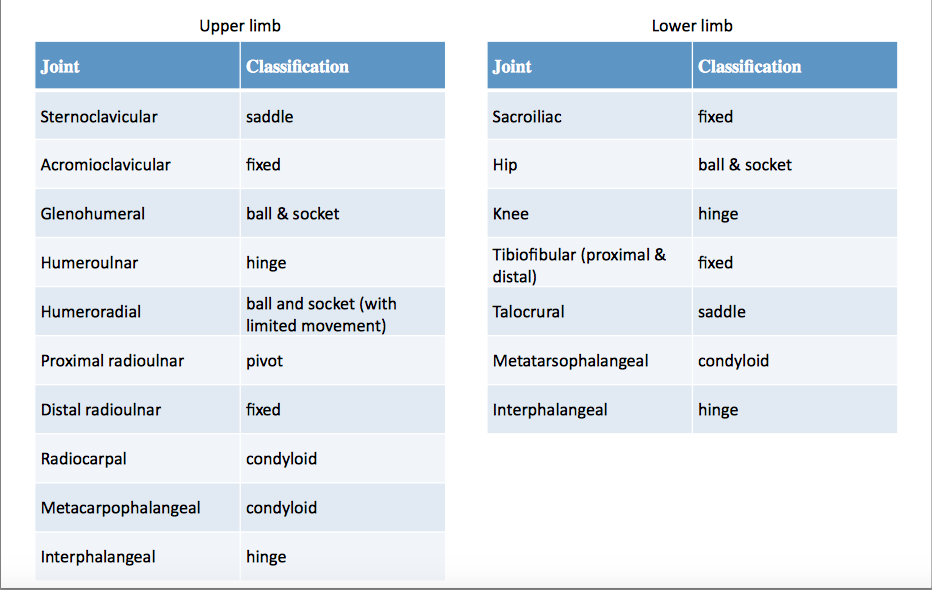
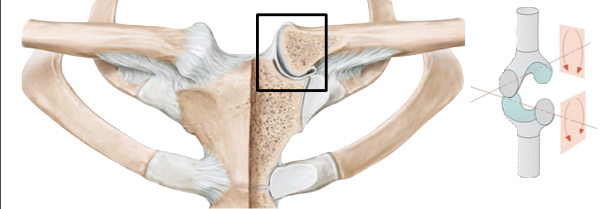
- 4What joint is shown below? What type of joint is it and how many planes of movement does it allow?Sternoclavicular joint: a saddle joint allows moderate freedom of movement in two planes. Feel your clavicle move as you shrug your shoulders. Notice how little the sternal end moves.
- 5—
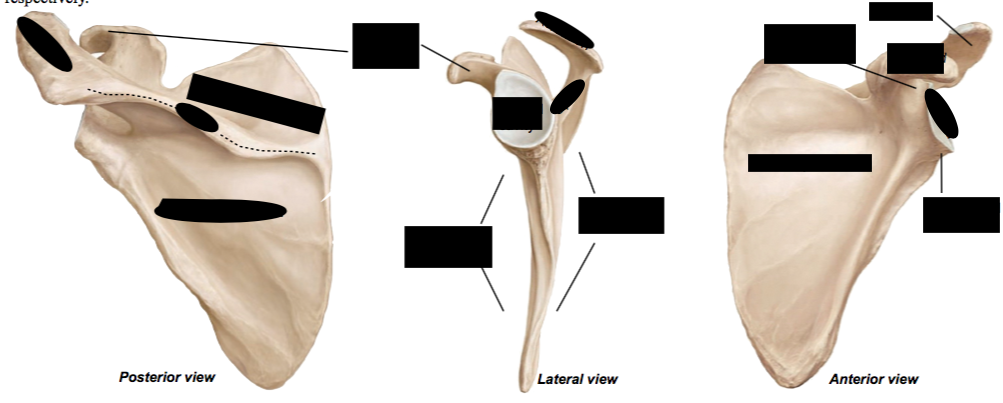
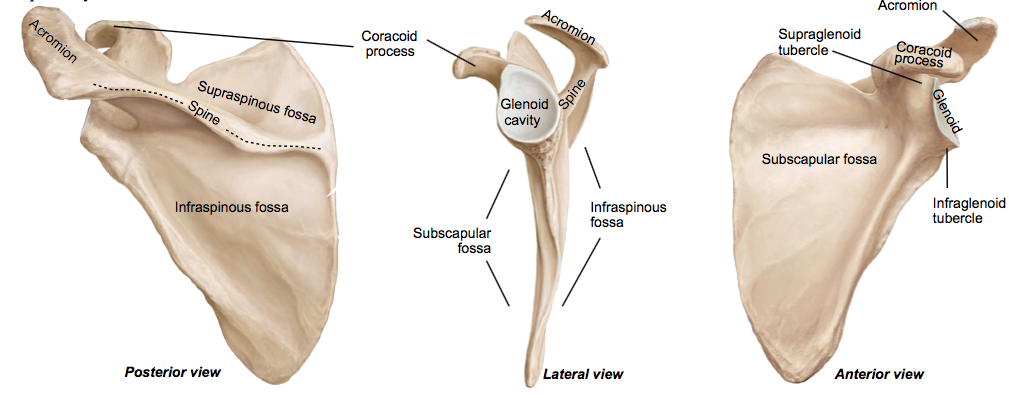
- 6What joint is shown below? What type of joint is it and how many planes of movement does it allow?Glenohumeral joint: a ball and socket joint like this allows ample freedom of movement (in 3 planes).
The socket here (glenoid) is rather shallow but is reinforced by a lip of cartilage and several ligaments. Despite these reinforcements, it is prone to dislocation.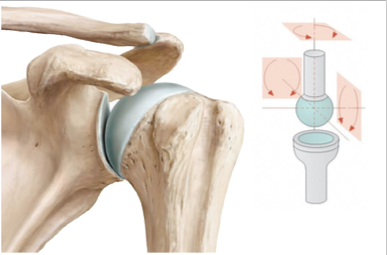
- 7What are the 4 movements of the scapula?Protraction: The scapula is pulled laterally, as when extending the arm for something out of reach.
Retraction: The scapula is pulled medially, as when pulling your shoulders back.
Elevation: The scapula is moved superiorly, as when shrugging the shoulders.
Depression: The scapula is moved inferiorly, as when carrying a heavy suitcase.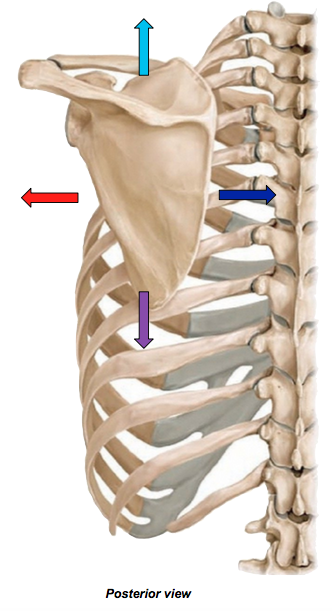
- 8—
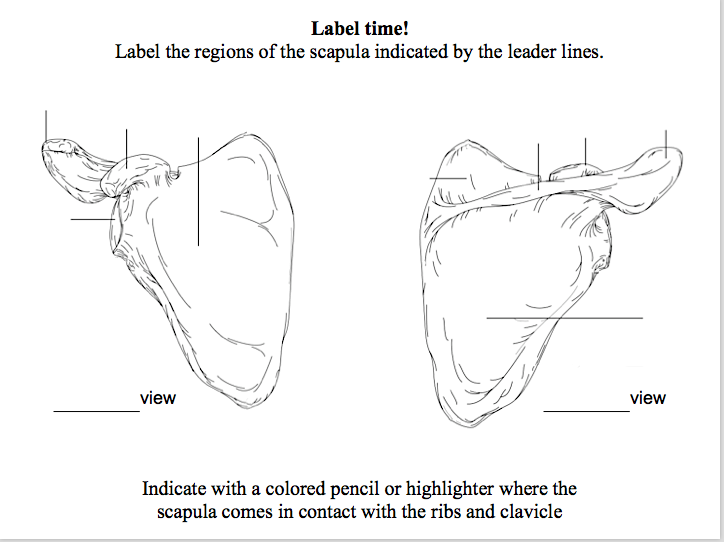
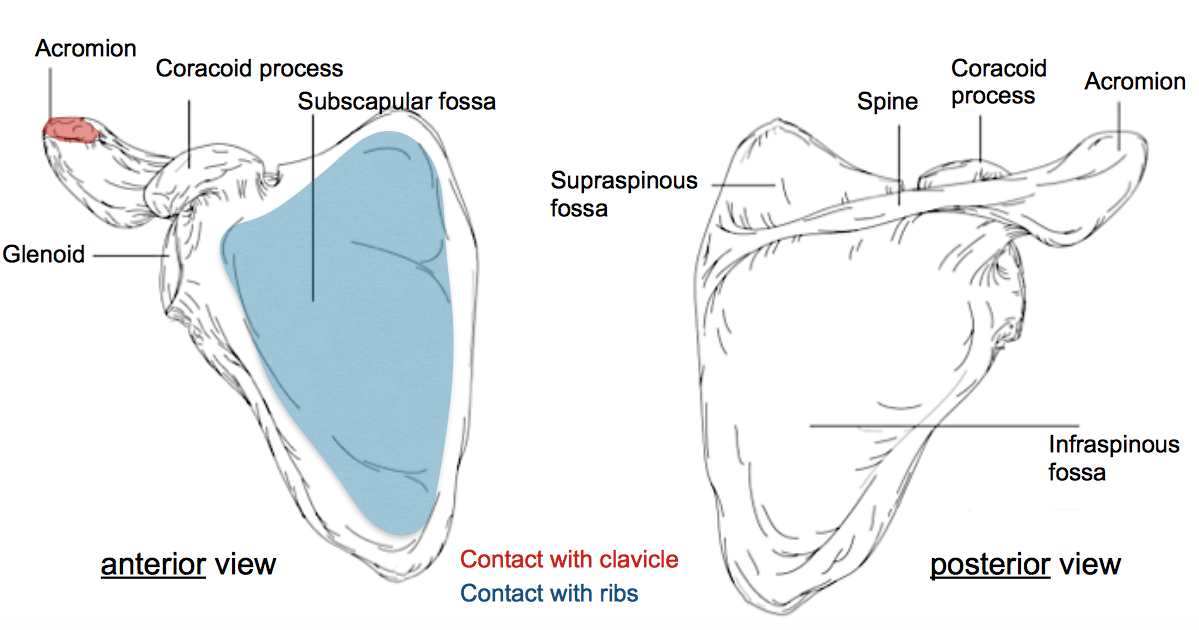
- 9What joint is shown? What type of joint is it and how many planes of movement does it allow?Glenohumeral joint: a ball and socket joint like this allows ample freedom of movement (3 planes of movement).
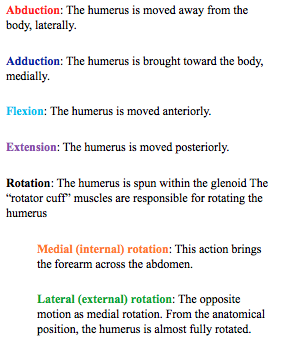
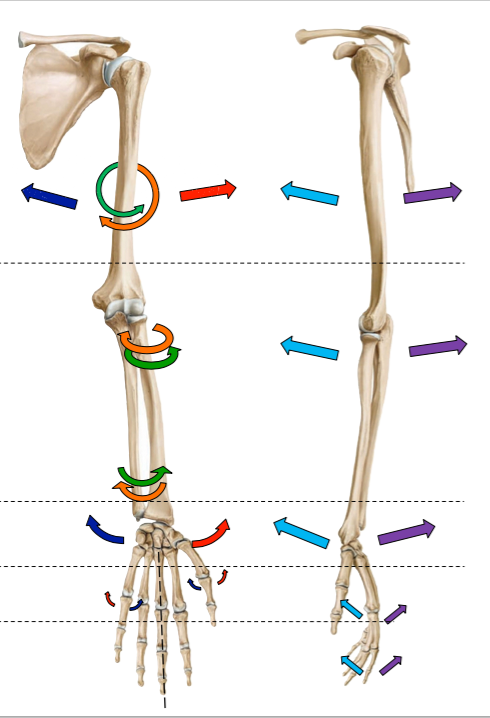
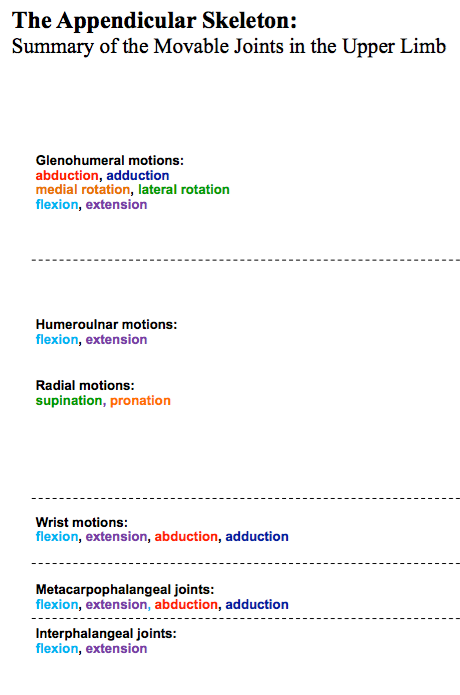
Movements of the Humerus
The humerus articulates with the glenoid via a ball and socket joint. This type of joint allows the most freedom of movement of any joint.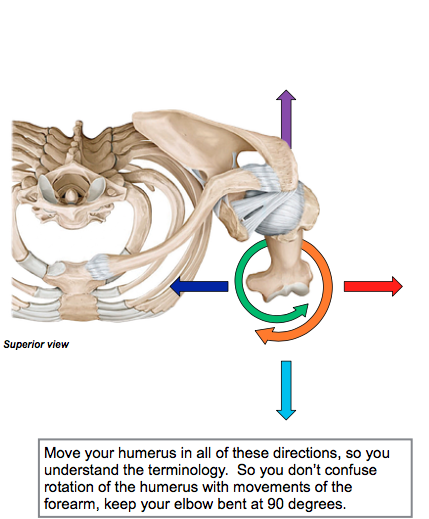
- 10—
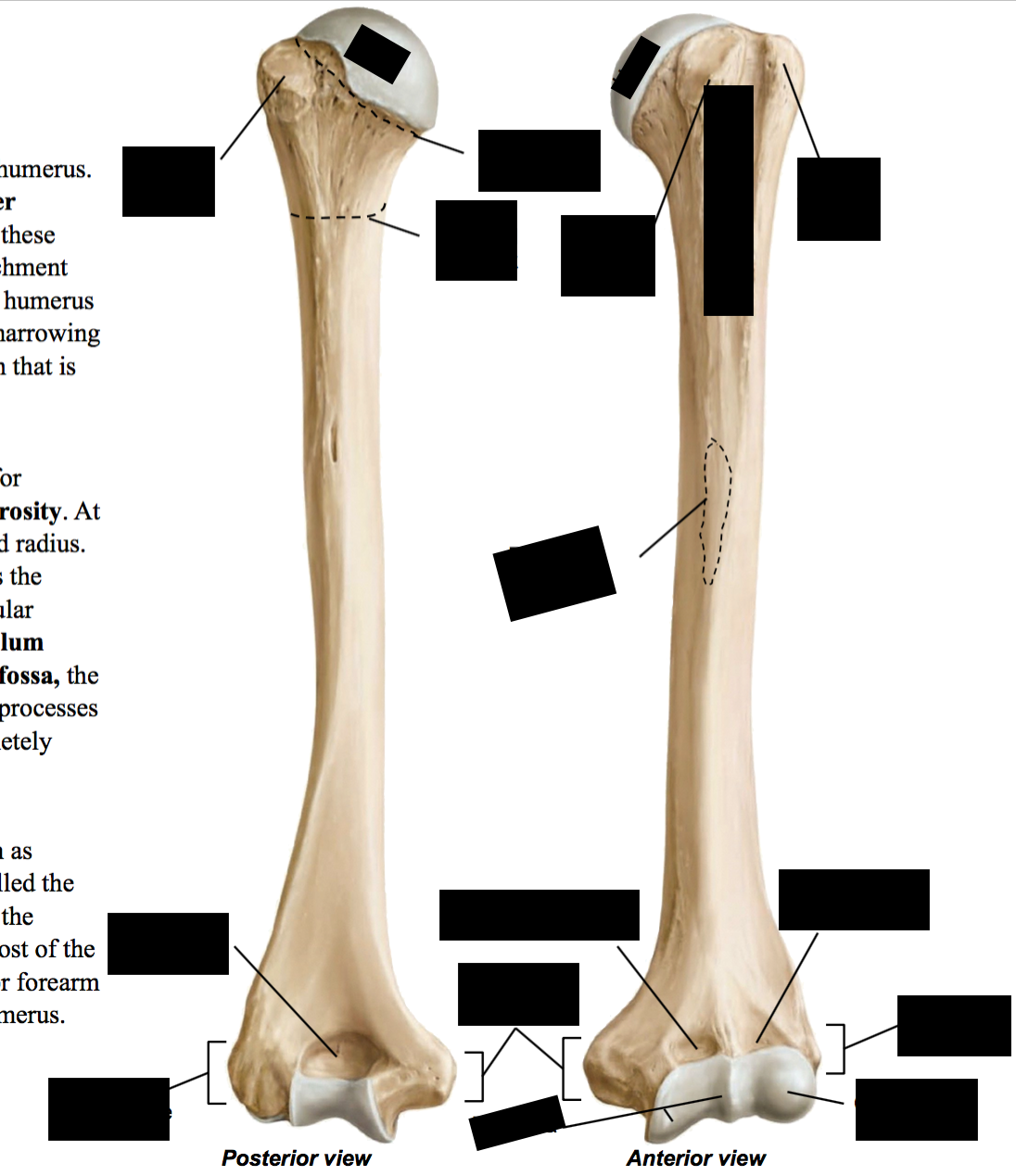
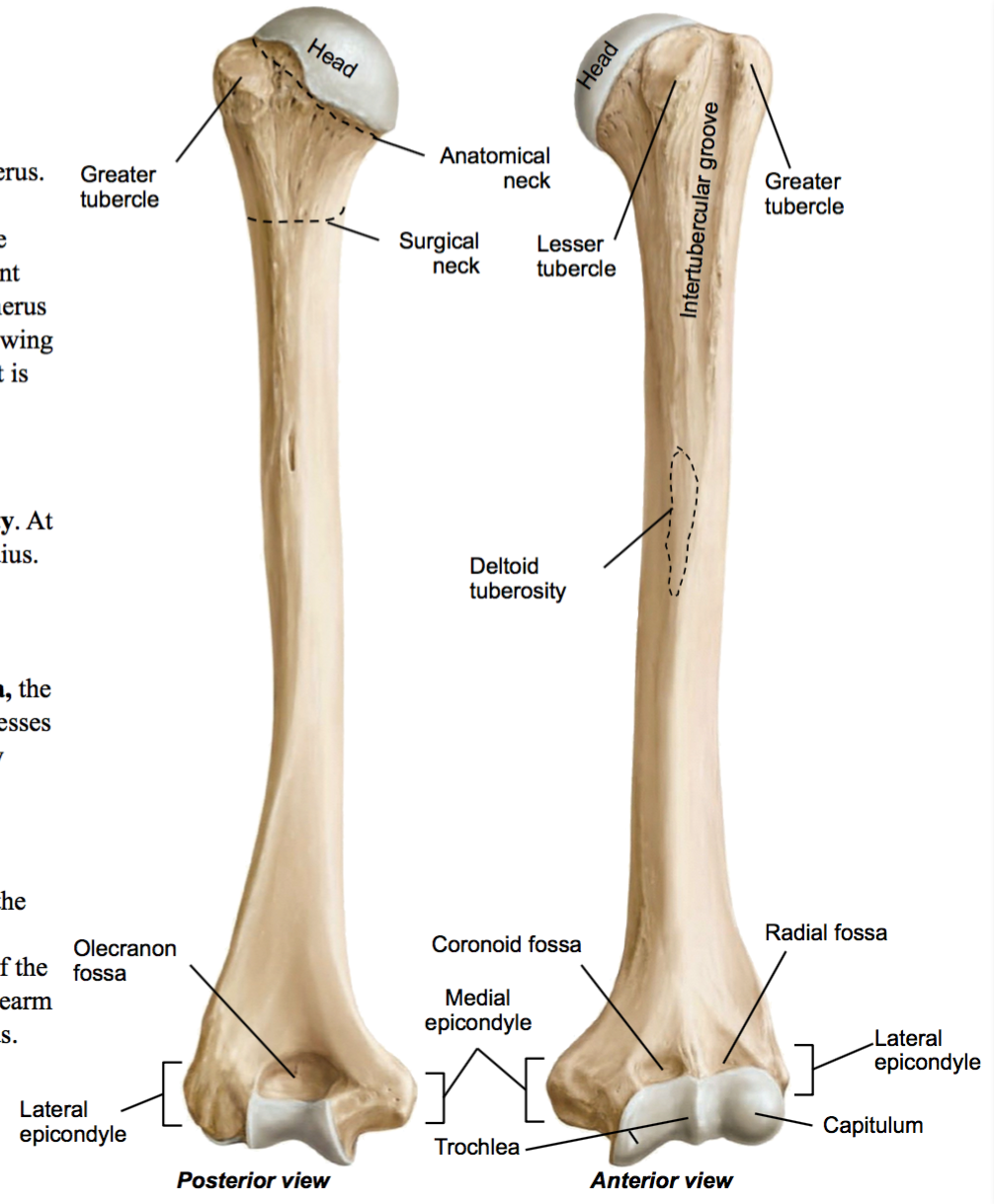
- 11—
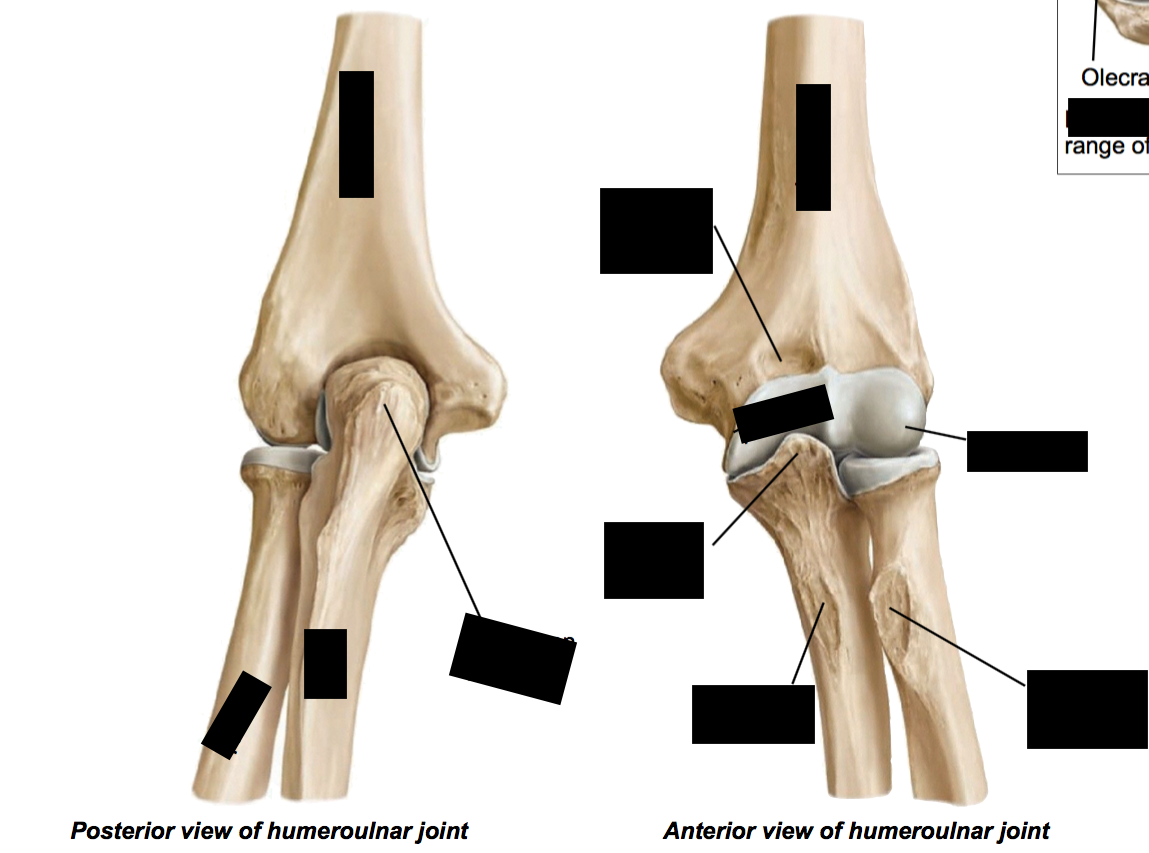
- 12—
- 13—
- 14—
- 15—
- 16—
- 17—
- 18—
- 19—
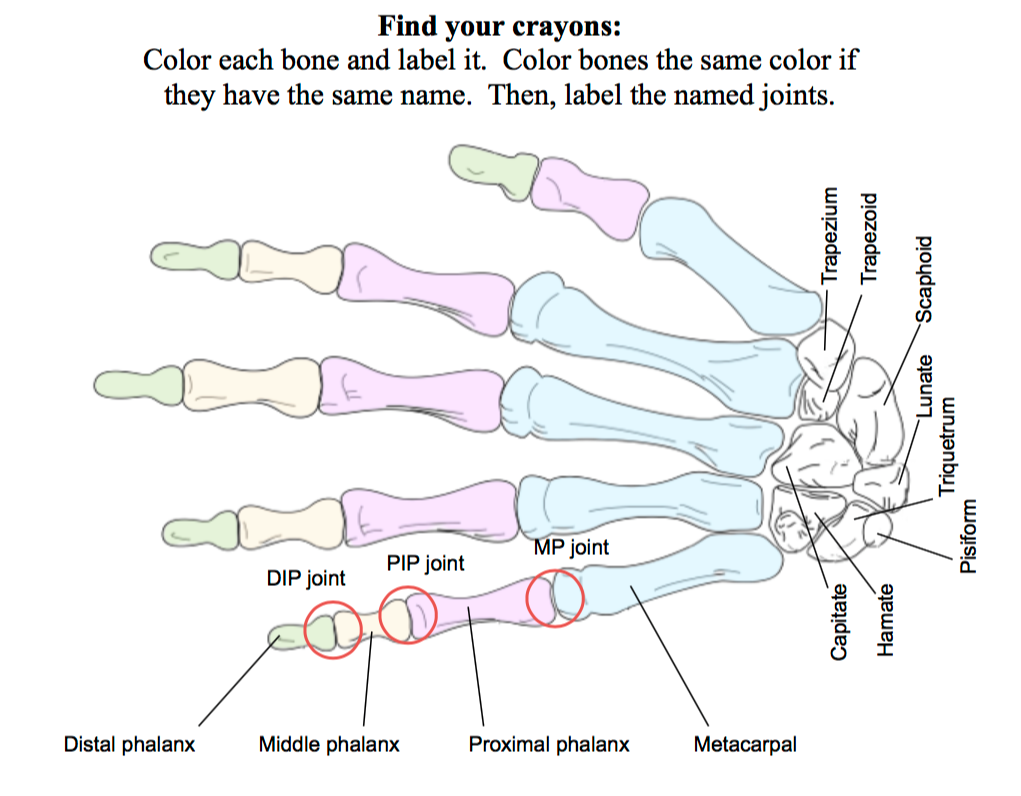
- 20—
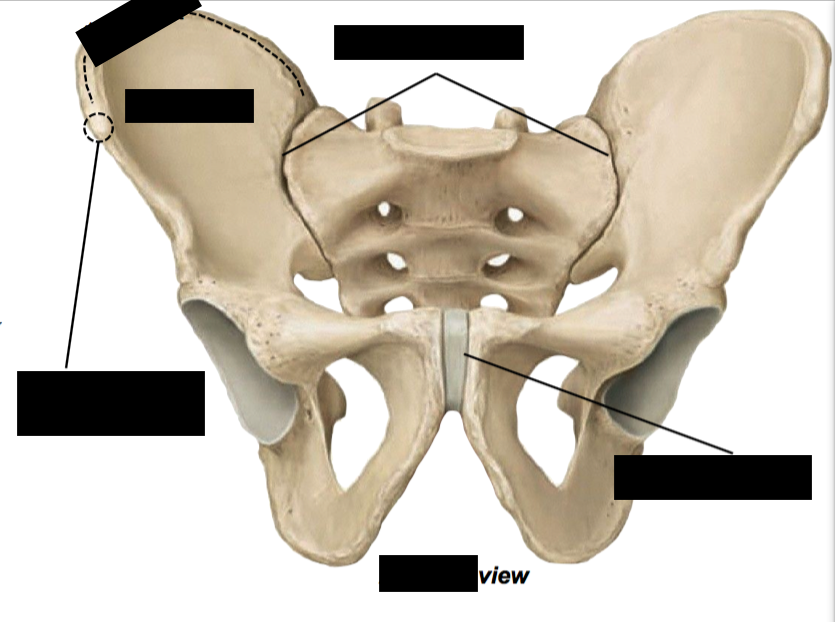
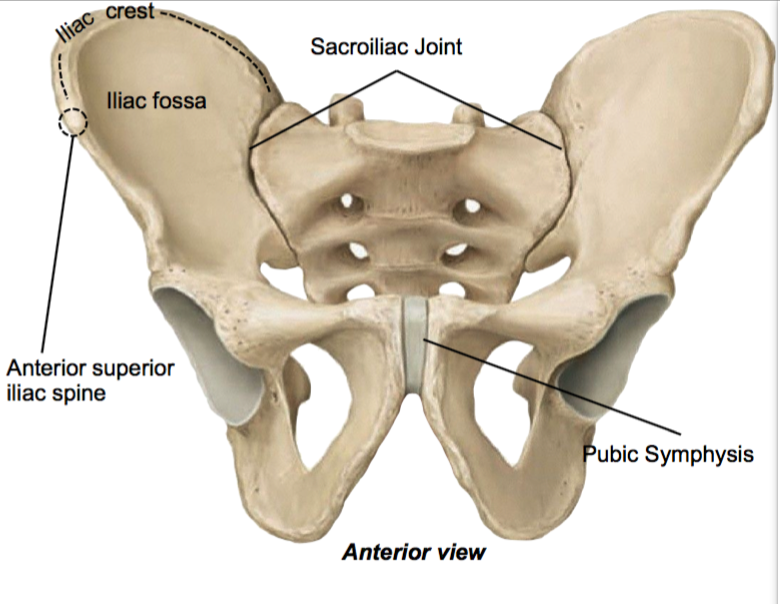
- 21—
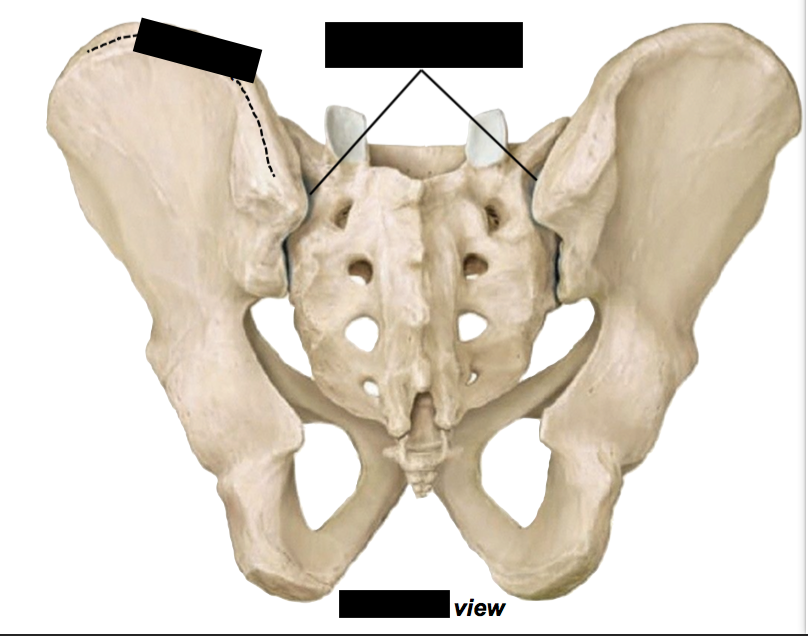
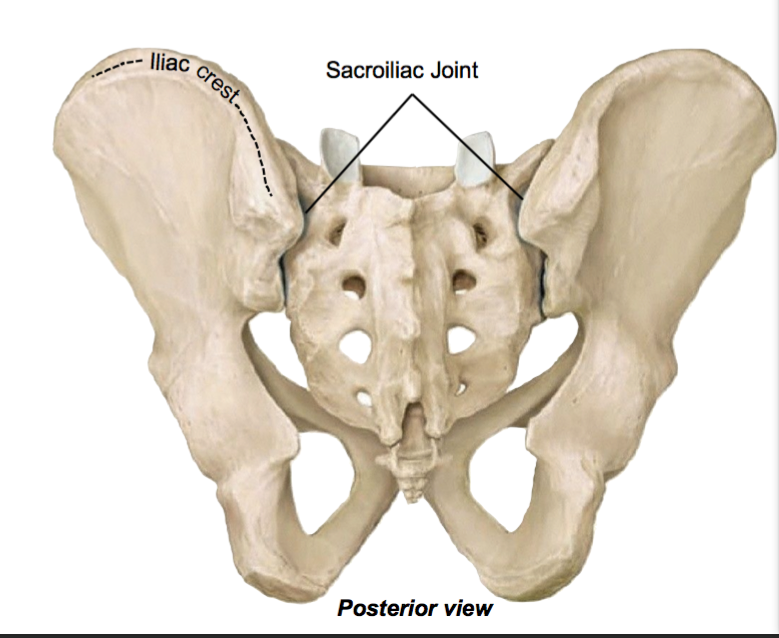
- 22—
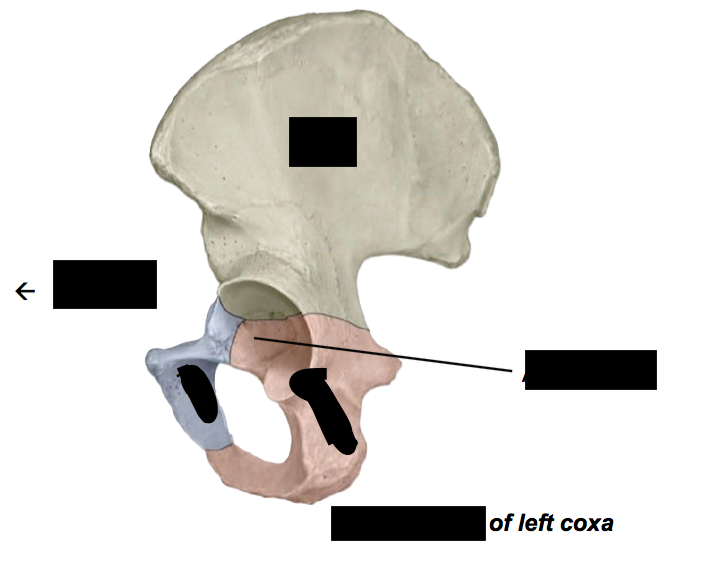
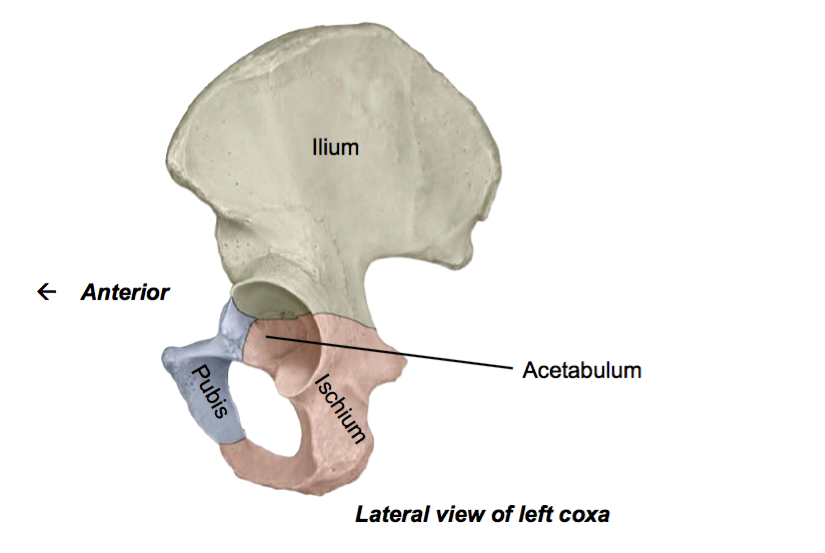
- 23—
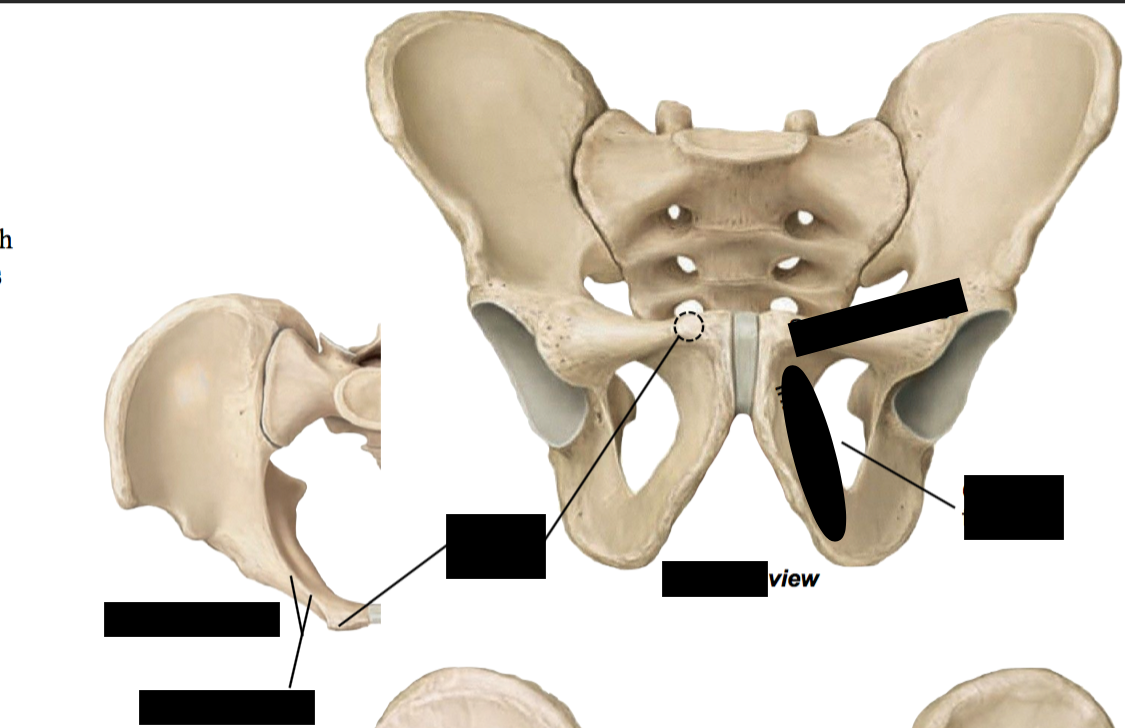
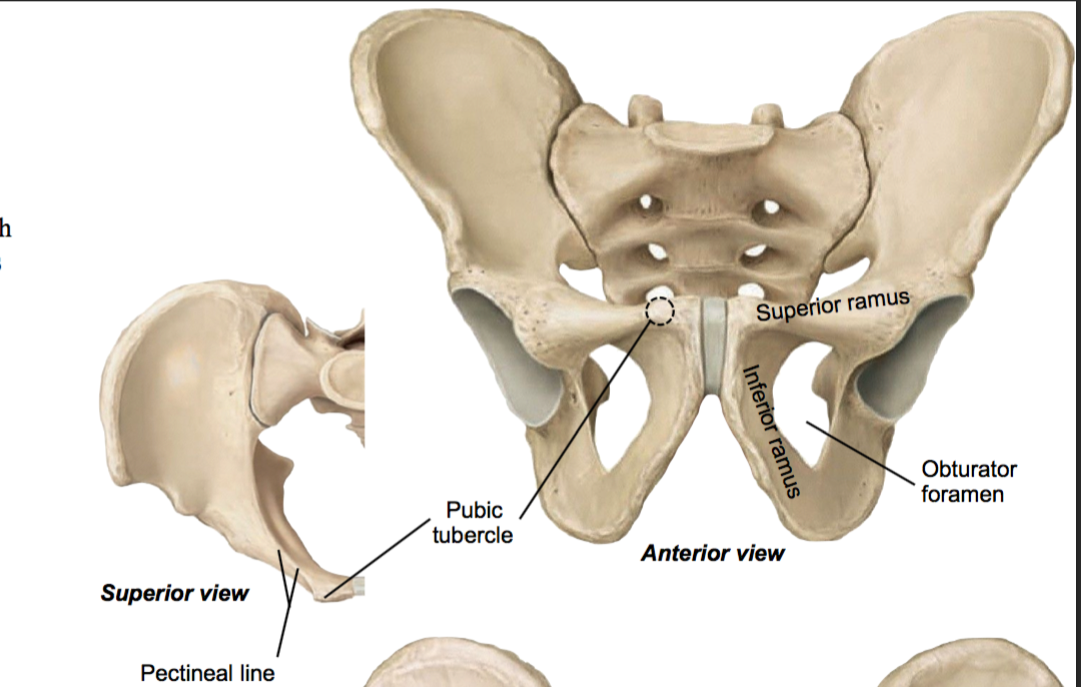
- 24—
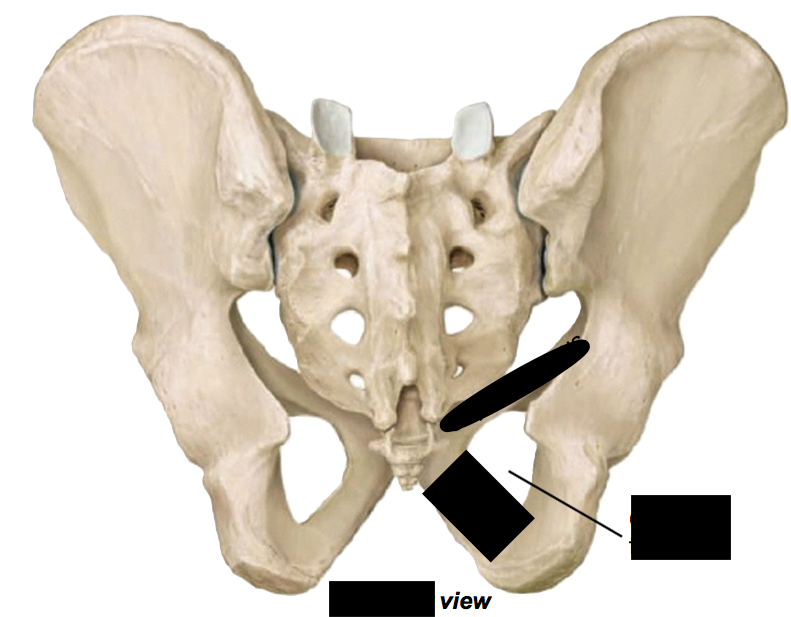
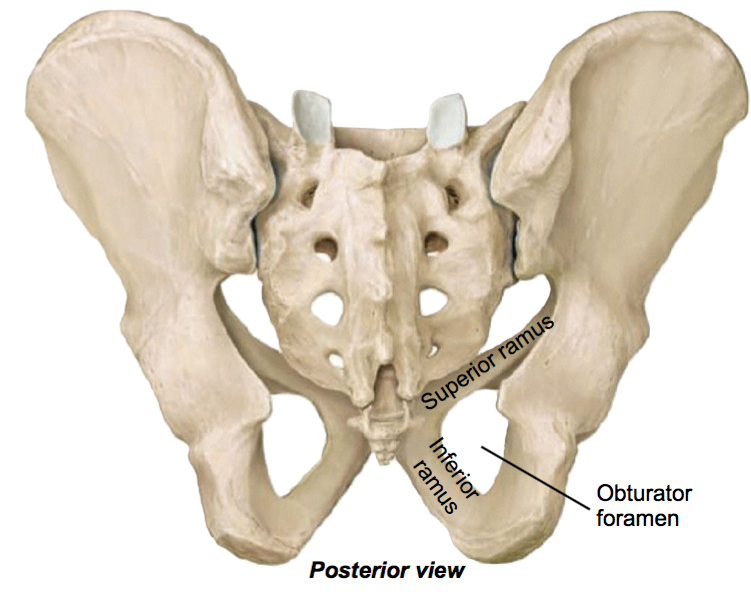
- 25—
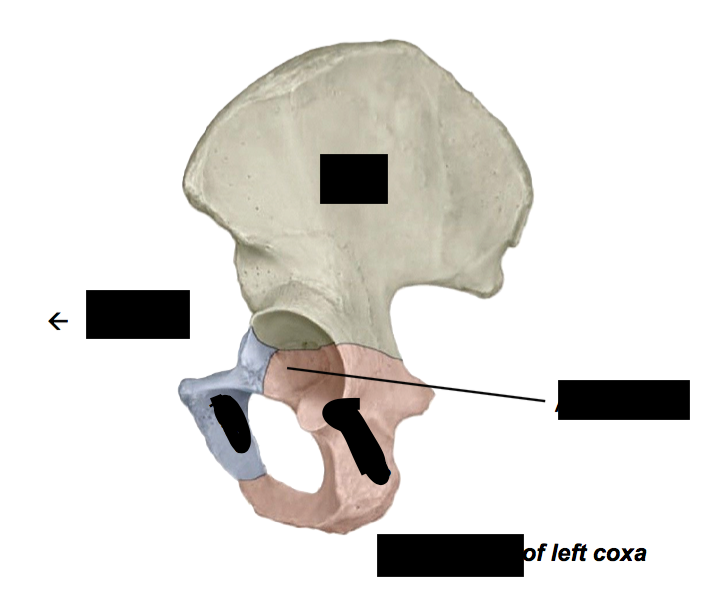
- 26—
- 27—
- 28—
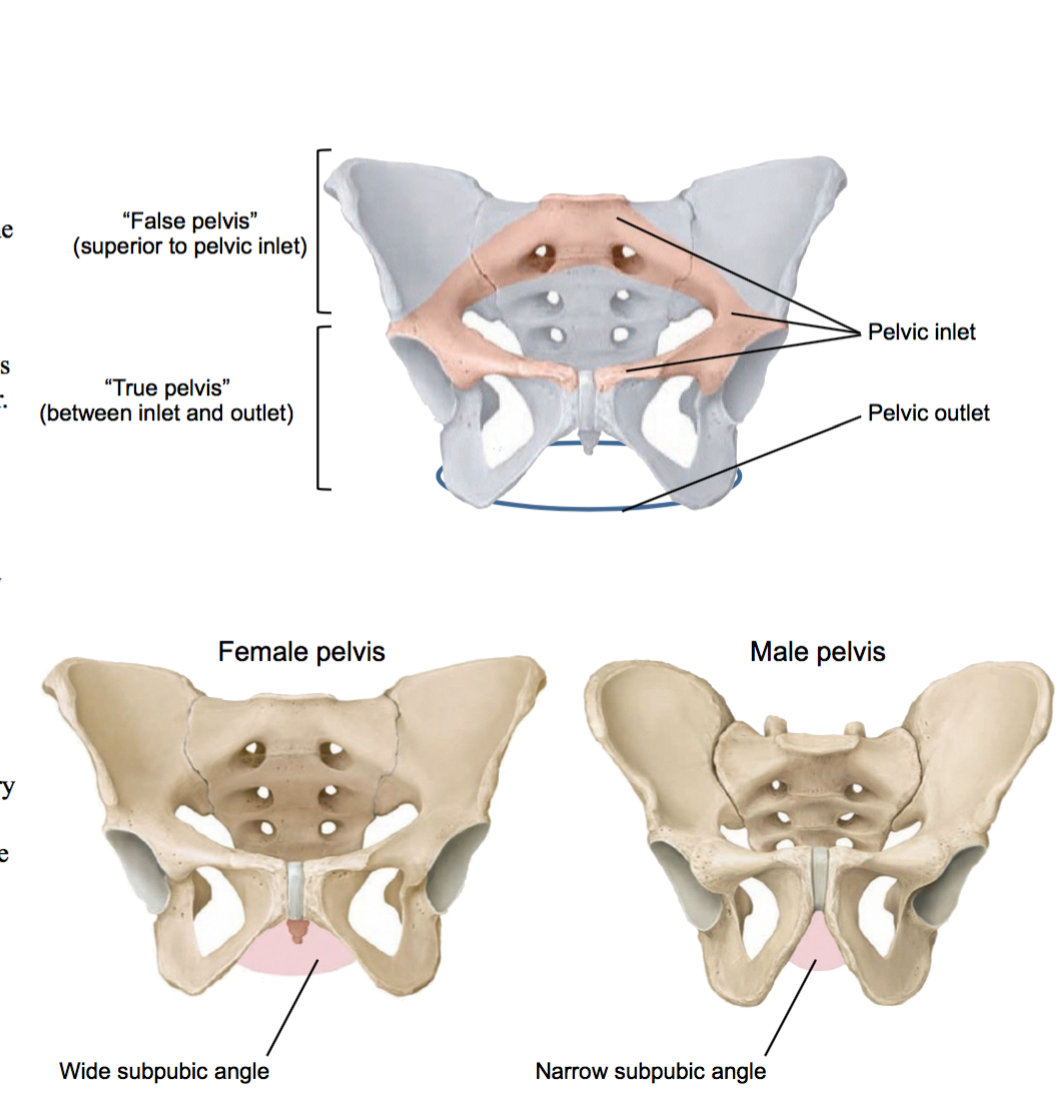
- 29—
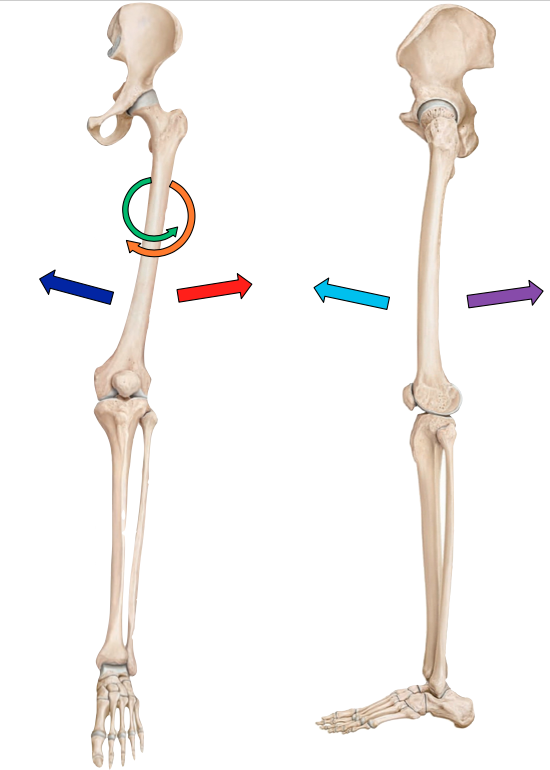
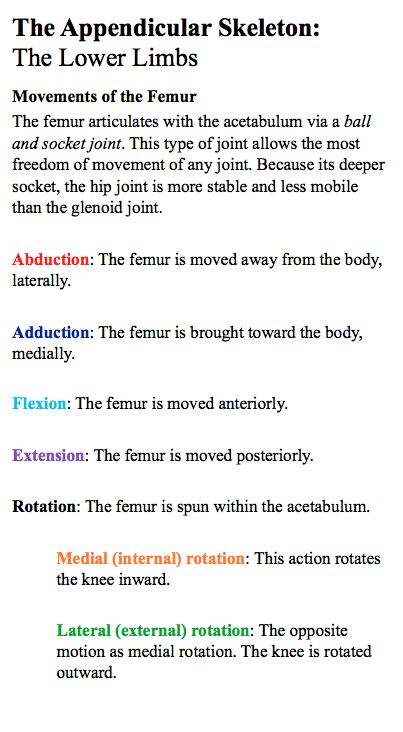
- 30—
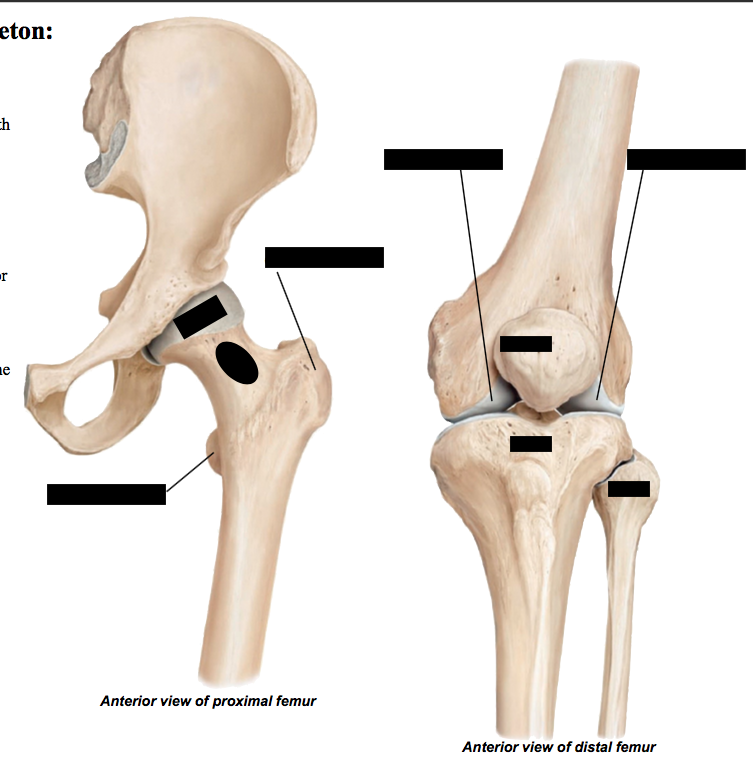
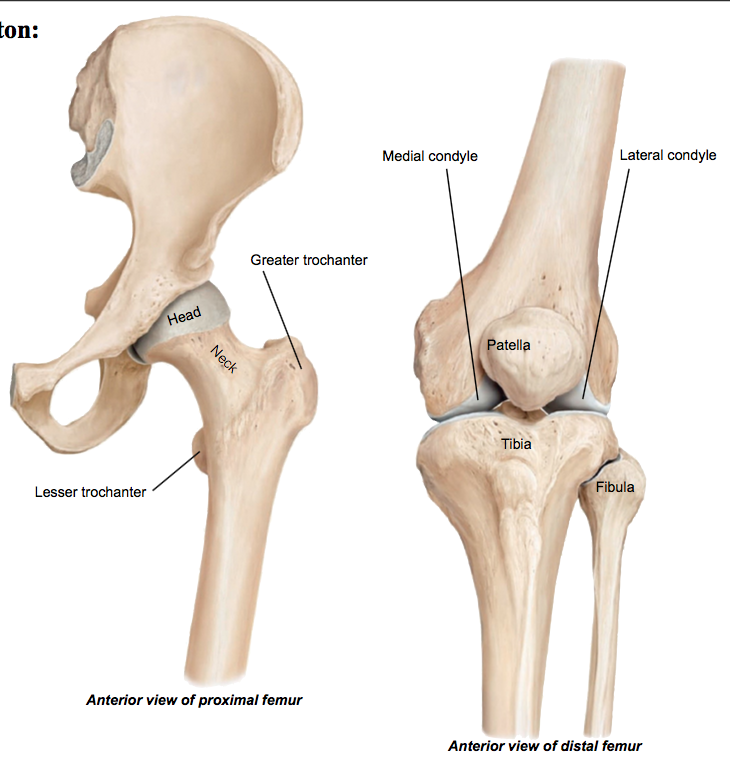
- 31—
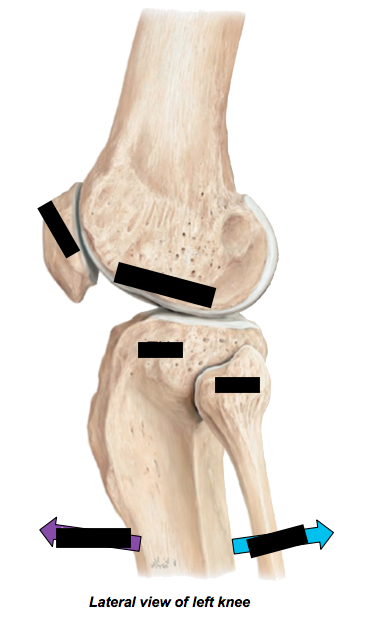
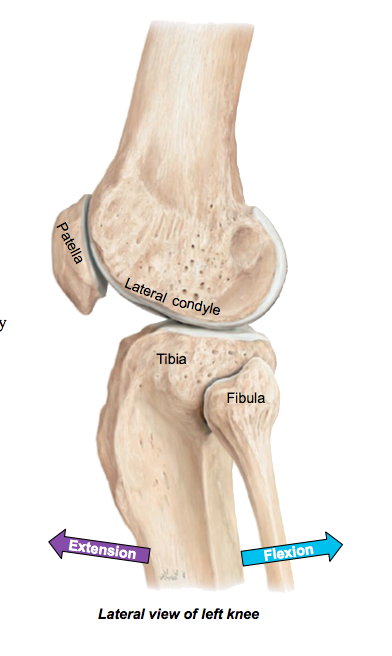
- 32—
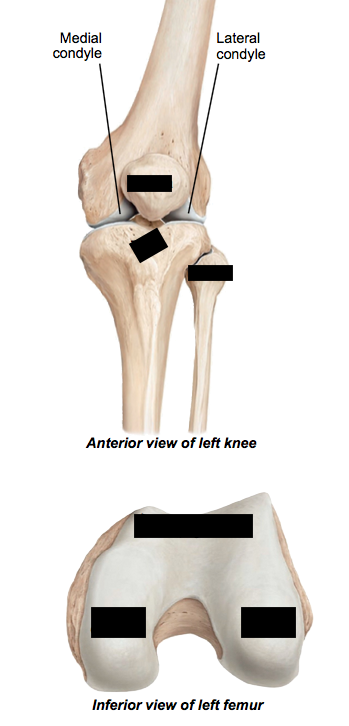
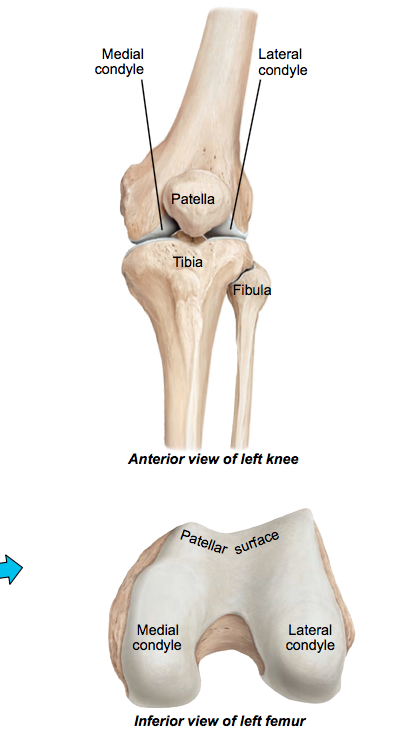
- 33—
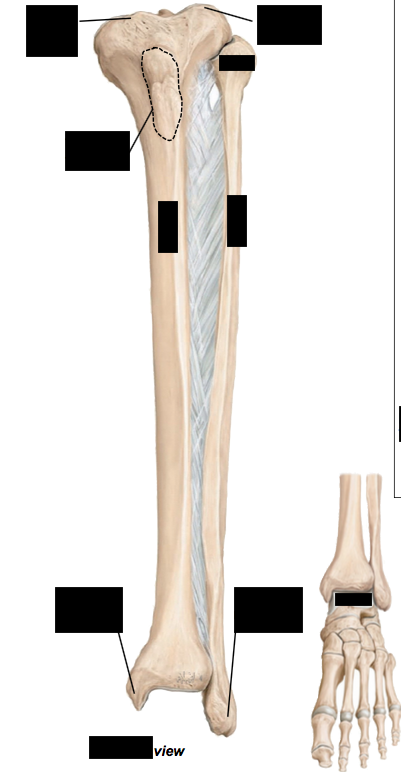
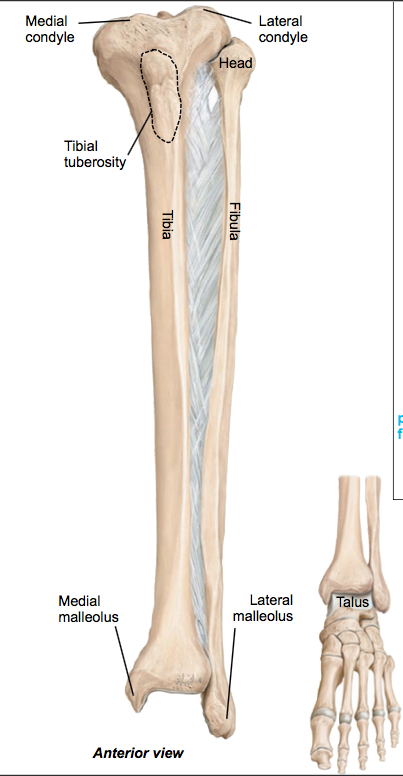
- 34—
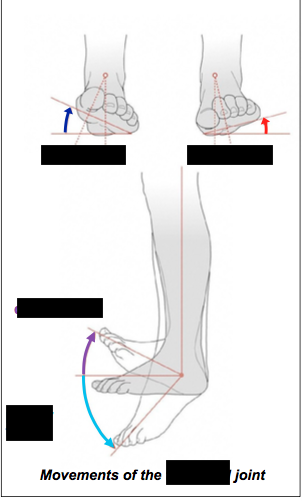
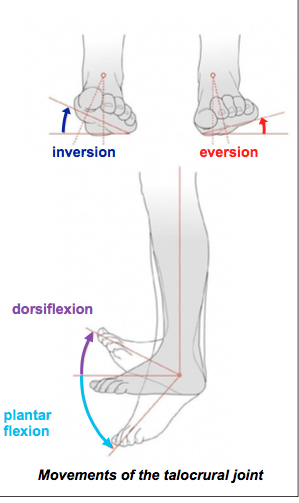
- 35—
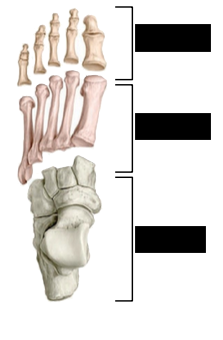
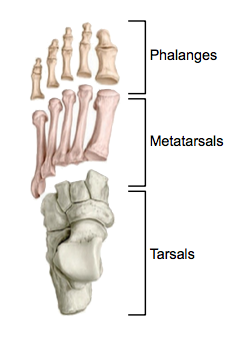
- 36—
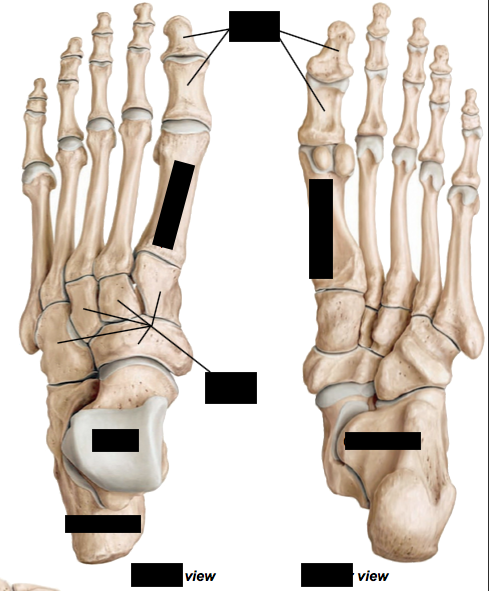
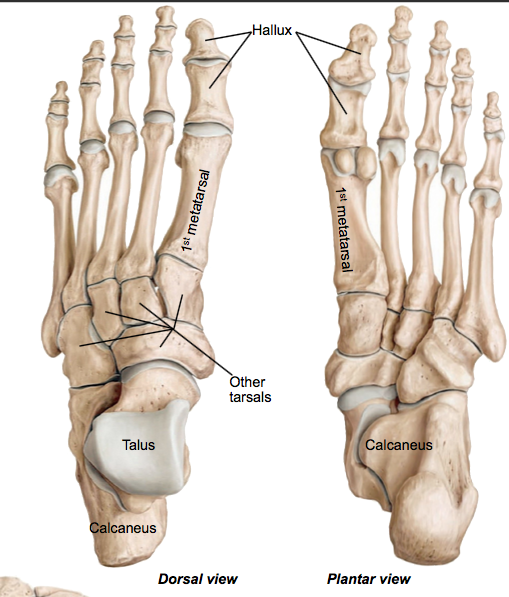
- 37—
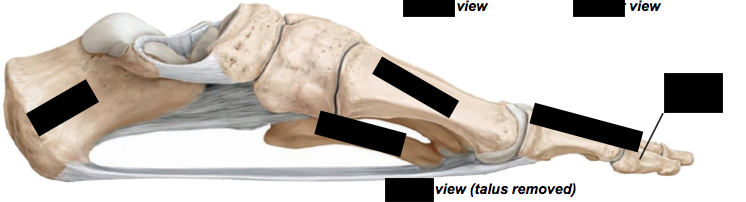
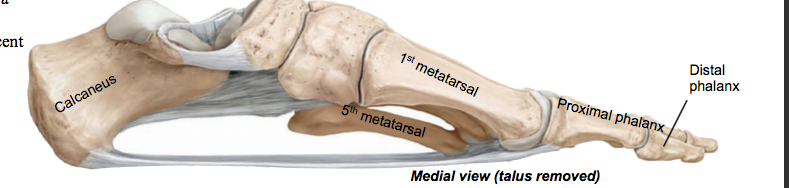
- 38—
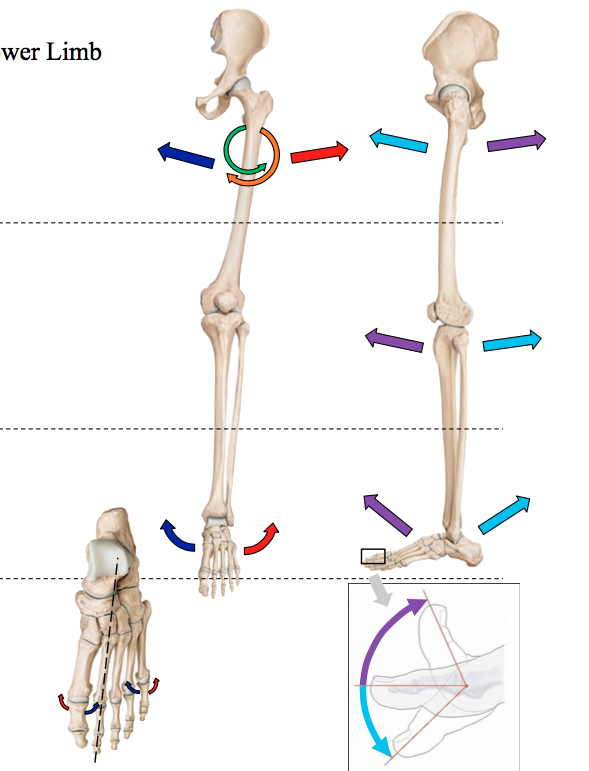
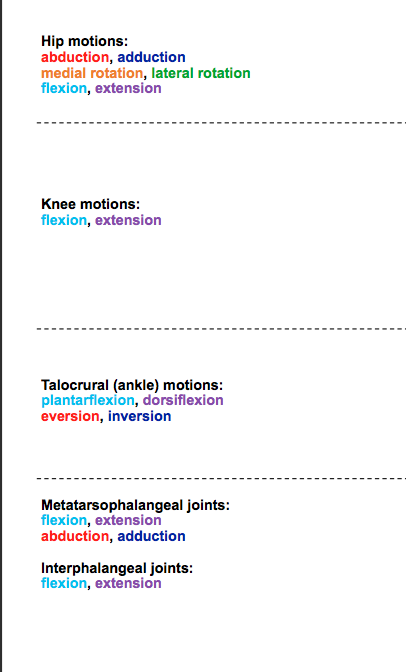
- 39—