
Flashcards
Ch. 2 Ancient Mesopotamia & Egypt
Flashcards do conjunto (40)
- 1Mesopotamia"land between the rivers"
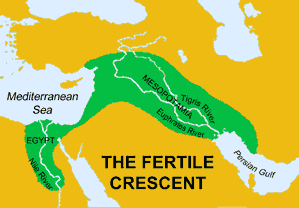
located in the region known as the Fertile Crescent.
present day Iraq & Syria. - 2SumeriansThe Creators of the first
Mesopotamian civilization.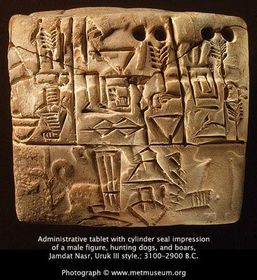
- 3PolytheisticBelief in many Gods.
"gods and goddesses"
Ancient Sumerians believed in
over 3,000 gods.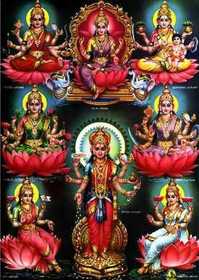
- 4ZigguratsThis temple was often built atop
a massive stepped tower.
The massive platform that the Sumerians built their religious temples on.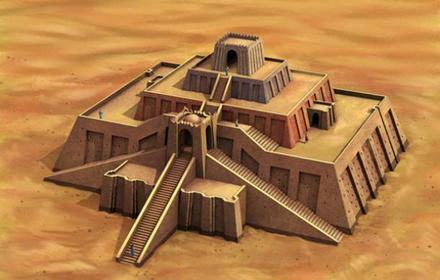
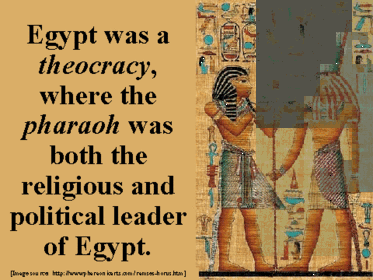
- 5TheocracyA government by divine authority.
- 6Cuneiform"wedge-shaped," a system of
writing developed by the
Sumerians using a reed stylus to
create wedge-shaped impressions
on a clay tablet.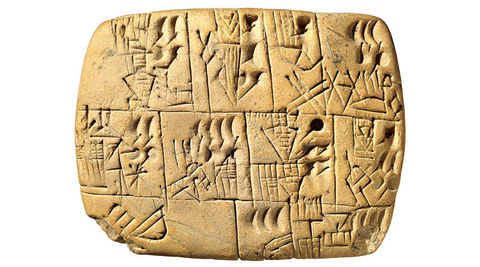
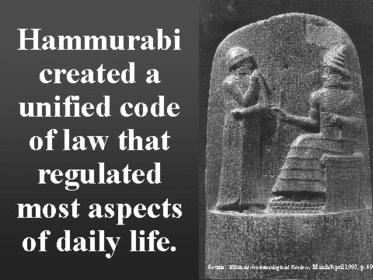
- 7Hammurabi's Law Code1st written laws; given to people of Ancient Babylon by King Hammurabi; very strict laws based on principle of an eye for an eye, a tooth for a tooth.
- 8Patriarchal"Men dominated the society"
- 9Nile RiverBegins in the heart of Africa
and courses northward for more
than 4,000 miles (6,436 km).
It is the longest river in the world.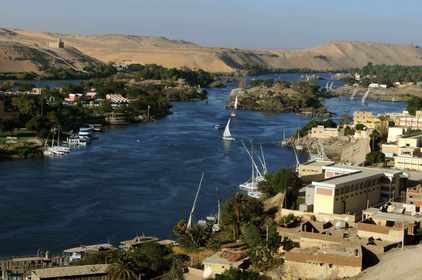
- 10Inundation"annual flooding of the Nile River"
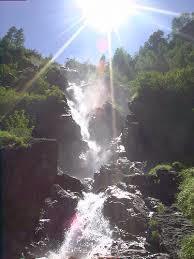
The flood river leave behind rich fertile mud. - 11Cataracts"waterfalls along the Nile River"
- 12King MenesEgypt's history begins around 3100 B.C, when King Menes united Upper and
Lower Egypt into a single kingdom
and created the first royal dynasty.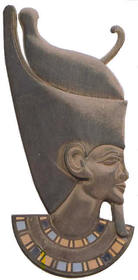
- 13DynastyIs a family of rulers whose right to rule is passed on within the family.
Means "great house of"; a family of rulers - 14Pharoahname for Egyptian king
- 15Vizier"The steward of the whole land"
- 16SiltRich, black mud left behind from the flooding of the yearly flood.(Nile River)
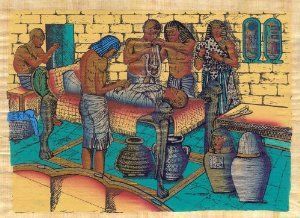
- 17Mummificationit was very important to ancient Egyptian religious beliefs that the human body was preserved. their method of preserving the body was called mummification. the process lasted up to 70 days.
- 18"Ba"Ba- the Ba was the part of the soul that embarked on a journey to follow the gods; the symbol of the Ba is often shown as a bird with a human head and wings.
- 19Canopic Jarscontainers used to hold the internal organs
(lungs, stomach, intestines, liver) of the deceased that was going to be mummified; the jars had lids shaped as the heads of the 4 sons of Horus. - 20Great Pyramidlargest of the 3 pyramids at Giza; built by King Khufu; the only monument of the 7 Wonders of the Ancient World to survive
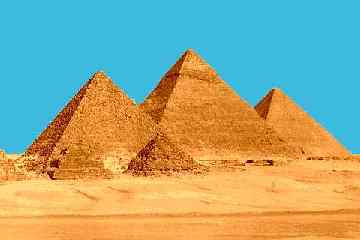
- 21King Khufu aka Cheopsearned everlasting fame for being the pharaoh responsible for the Great Pyramid at Giza which he built to serve as his tomb.
- 22Great Sphinxone of the largest and oldest statues in the world. Archaeologists believe that it was carved around 2500 BC and that the head is meant to be the likeness of the Pharaoh Khafra.
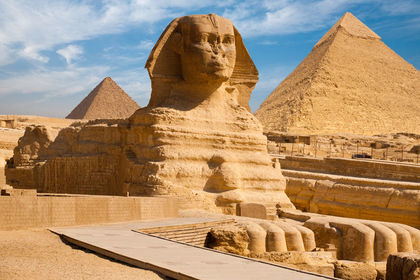
- 23Old Kingdomlasted from around 2700 BC to 2200 BC was an age of prosperity and splendor.
- 24Middle Kingdoma period of stability lasting from about 2055 BC to 1650 BC Egyptians later portrayed the Middle Kingdom as a golden age of stability.
- 25New Kingdomwas established and lasted approximately from 1550 BC to 1070 BC. Created an empire and became the most powerful state in Southwest Asia.
- 26Queen Hatshepsutfirst great woman ruler in history; she ruled Egypt as king not queen. Sculptures and masks show her with a false beard.
- 27Tutankhameh ( aka King Tut )17 year old boy pharaoh whose tomb survived untouched by grave robbers; more than 3,000 artifacts discovered in his tomb.
- 28Ramses II ( The Great )Ramses the Great reigned 67 years; fathered over 100 children; defeated the Hittites, the other superpower of ancient times; he declared himself a living god.
- 29Cleopatra VIIin the first century BC, the pharaoh Cleopatra VII tried to reestablish Egypt's independence. Her involvement with Rome led to her defeat and suicide, and Egypt became a province in Rome's empire.
- 30Scribea person who serves as a professional copyist, especially one who made copies of manuscripts before the invention of printing. a public clerk or writer, usually one having official status. Also called sopher, sofer
- 31HieroglyphicsEgyptian picture wriiting
- 32Fertile Crescentthe region in the Middle East which curves, like a quarter-moon shape; Known as the Cradle of Civilization
- 33"Ka"Ka- ancient Egyptians thought that when someone died the Ka, or the life force, left the physical body; The Ka could drink and eat, but was stuck in the tomb in the body of the mummy or the small statues that were left in the tomb.
- 34Sarcophagusa sarcophagus formed the outer layer of protection for a royal mummy, with several layers of coffins nested within, and was often carved out of alabaster.
- 35king Khufu's boatdiscovered in 1952 buried under the Great Pyramid; it would be needed to ferry King Khufu's spirit across the sky to be with Ra, the sun god.
- 36the Rosetta Stonea stone with writing on it in two languages (Egyptian and Greek), using three scripts ( hieroglyphic, demotic and Greek).
- 37Hyksosinvaded Egypt; a ruled for 200 years; introduced the horse drawn chariot
- 38Akhenaten (aka Amenhotep)rejected the traditional religion in favor of worshiping the Aten, or sun disc, after whom he renamed himself. He closed all the temples to the old gods and obliterated their names from monuments.
- 39papyrusreed like plant that grows on the Nile River Ancient Egyptians used to write on
- 40Cultural diffusionthe spreading of ideas from one culture to another culture