
Quiz
Unit 4/5
This quiz has question types that open in the usual player.
Questions in this quiz (73)
1Negative sense genomes are of the same polarity as mRNA.
- ATrue
- BFalse
2No dsDNA [blank_start]plant[blank_end] viruses are known
- Aplant
3RNA genomes need to be smaller
- ATrue
- BFalse
4RdRp has high fidelity and a low error rate.
- ATrue
- BFalse
5RNA breaks less often than DNA.
- ATrue
- BFalse
6Host cells have defenses against [blank_start]dsRNA[blank_end].
- AdsRNA
7ssRNA(+) viruses drastically limit the amount of ssRNA([blank_start]-[blank_end]) used for replication.
- A-
8ssRNA(-) viruses keep the genome covered in viral proteins to avoid [blank_start]complementary[blank_end] RNA binding.
- Acomplementary
9Viruses (and all genomes) have what is called “the [blank_start]end[blank_end] problem”. This problem involves the loss of genetic information through copying the genome.
DNA viruses are often [blank_start]circular[blank_end]
ssRNA(-) viruses often have special [blank_start]secondary[blank_end] structure such as cloverleaves.
ssRNA(+) viruses often have 5’ [blank_start]caps[blank_end] and [blank_start]polyA[blank_end] tails.- Aend
- Bcircular
- Csecondary
- Dcaps
- EpolyA
10Segmented genomes have the problem that each segment must be [blank_start]recognized[blank_end] for inclusion into the virion, however, they have the benefit of allowing faster genetic [blank_start]shift[blank_end].
- Ashift
- Brecognized
11RNA viruses that are nonsegmented cannot be made segmented while still retaining their functionality.
- ATrue
- BFalse
12Satellite, dependent and defective genomes
Some viruses require a [blank_start]coinfection[blank_end] with a completely separate virus to allow the expression of their own genetic material and formation of their own virions.- Acoinfection
13All virus genomes experience pressure to minimize their [blank_start]size[blank_end].
Prokaryotic viruses require a small genome to be able to keep up with bacterial [blank_start]growth[blank_end].
Eukaryotic viruses require a small genome usually for [blank_start]packaging[blank_end] reasons.- Asize
- Bgrowth
- Cpackaging
14Things that researchers will look for when examining a virus:
[blank_start]Composition[blank_end] – DNA or RNA, single-stranded or double-stranded, linear, or circular, complete or segmented/multipartite
If segmented or multipartite, size and number of segments
[blank_start]Terminal[blank_end] structures
Nucleotide sequence
[blank_start]Coding capacity[blank_end] – open reading frames
[blank_start]Regulatory signals[blank_end] – transcription enhancers, promoters and terminators- AComposition
- BTerminal
- CCoding capacity
- DRegulatory signals
15DNA virus genomes can be analysed directly by restriction endonuclease digestion without resorting to molecular cloning
- ATrue
- BFalse
16Direct analysis of RNA sequences is usually fairly easy.
- ATrue
- BFalse
17RNA sequence analysis did not begin to advance rapidly until the widespread use of [blank_start]reverse transcriptase[blank_end] (isolated from avian myeloblastosis virus) to convert RNA into [blank_start]cDNA[blank_end] in the 1970s
- Areverse transcriptase
- BcDNA
18(+)sense RNA virus genomes are often infectious when the purified RNA (vRNA) is applied to cells in the absence of any virus proteins.
- ATrue
- BFalse
19Virus genomes which are composed of double-stranded DNA are also usually infectious.
- ATrue
- BFalse
20Cloned cDNA genomes of ([blank_start]+[blank_end])sense RNA viruses are infectious, although less efficient at infecting cells than vRNA.
- A+
21All (–) sense viruses all require Reverse Transcriptase. Without it they cannot replicate.
- ATrue
- BFalse
22In [blank_start]vitro[blank_end] complex formation – genome is mixed with the appropriate enzymes prior to introduction into the test system: paramyxoviruses, rhabdoviruses and bunyaviruses.
- Avitro
23In [blank_start]vivo[blank_end] complex formation – helper viral strains co-transfect/infect and provide the needed enzymes: influenza virus, bunyaviruses and double-stranded RNA viruses such as reoviruses and birnaviruses.
- Avivo
24More recently, [blank_start]plasmids[blank_end] bearing the anti-genome (cDNA) can be introduced along will the genes for the required proteins for viral replication (such as RdRp and NC).
- Aplasmids
25Reverse transcriptase has a lower error rate than DNA polymerase.
- ATrue
- BFalse
26Chemically induced mutations are not used much any more since PCR is so much safer and much more precise.
- ATrue
- BFalse
27Often to knock out a gene in a virus, a [blank_start]frameshift[blank_end] is added so that the genome size doesn’t actually change and thus affect [blank_start]packaging[blank_end]. This is a common way of studying the importance and role of viral genes.
- Aframeshift
- Bpackaging
28Due to genomic space issues, any ncRNAs have a specific role. They aren’t frivolous.
- ATrue
- BFalse
29ncRNAs may function like a [blank_start]protein[blank_end] since they are less [blank_start]immunogenic[blank_end] and cheaper to produce.
They associate with proteins that are vital to the viral replication cycle.
They are often expressed at [blank_start]high[blank_end] levels during an infection.- Aprotein
- Bimmunogenic
- Chigh
30Many viruses have [blank_start]auxilary metabolic genes[blank_end] (AMGs) which is a non-random event where a virus steals a host gene that helps the virus compete. Some AMGs have been shown to be involved with photosynthesis, nutrient stress, motility, chemotaxis, showing that the viruses can manipulate the host in a variety of ways.
- Aauxilary metabolic genes
31While [blank_start]dsDNA[blank_end] viruses are the easiest to discover and expand our knowledge of, techniques have been developed to accurately find RNA viruses. Currently, it appears that [blank_start]ssRNA[blank_end]([blank_start]+[blank_end]) viruses dominate the RNA virus world.
- AssRNA
- B+
- CdsDNA
32Label Picture.
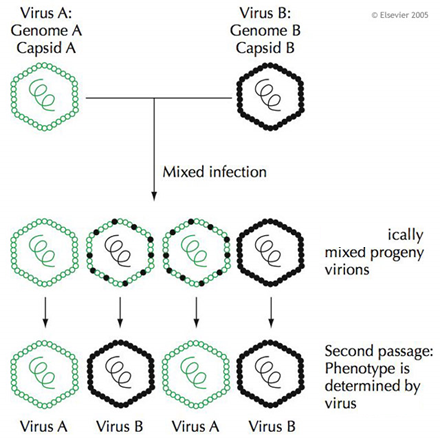
- Aphenotyp
- Bgenome
33In regards to Class I: dsDNA viruses:
Can be divided into two groups:
replication is exclusively [blank_start]nuclear[blank_end] (e.g. Adenoviridae, Polyomaviridae, Herpesviridae)
replication occurs in the [blank_start]cytoplasm[blank_end] (Poxviridae)- Anuclear
- Bcytoplasm
34dsDNA viruses:
Since their genomes all resemble double-stranded cellular DNA, they are essentially transcribed by the same mechanisms as cellular genes
However, there are profound differences between them relating to the degree to which each family is reliant on the host cell [blank_start]machinery[blank_end].- Amachinery
35RNA is fragile and long strands break easily
- ATrue
- BFalse
36RNA genomes tend to have lower mutation rates than those composed of DNA.
- ATrue
- BFalse
37RNA is fragile and long strands break easily.
RNA genomes tend to have higher mutation rates than those composed of DNA.
This drives RNA viruses to [blank_start]smaller[blank_end] genomes.- Asmaller
- Bbigger
38Nested Genomic Sets Label Picture
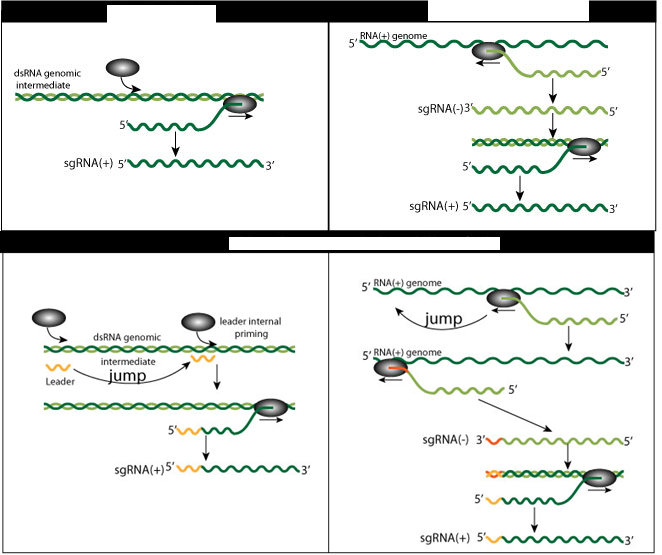
- Ainternal initiation
- Bpremature termination
- Cdiscontinuous transcription sgRNA synth.
39Picornavirus genomes consists of a single-stranded, (+)sense RNA molecule of between 7.2 kb to 8.5 kb, containing features conserved in all picornaviruses:
The 5' UTR contains a '[blank_start]clover[blank_end]-[blank_start]leaf[blank_end]' secondary structure known as the IRES ([blank_start]Internal Ribosome Entry Site[blank_end]).
The rest of the genome encodes a single polyprotein of between 2100 and 2400 amino acids
Both ends of the genome are modified, the 5' end by a [blank_start]covalently[blank_end] attached protein (VPg), the 3' end by [blank_start]polyadenylation[blank_end].- Aclover
- Bleaf
- CInternal Ribosome Entry Site
- Dcovalently
- Epolyadenylation
40Togavirus genomes comprise single-stranded, (+)sense, non-segmented RNA of approximately 11.7 kb with the following features:
They resemble cellular mRNAs in that they have a 5' [blank_start]methylated[blank_end] cap and 3' [blank_start]poly[blank_end]([blank_start]A[blank_end]) sequences.
Expression is achieved by two rounds of translation, producing first non-[blank_start]structural[blank_end] proteins encoded in the 5' part of the genome and later structural proteins from the 3' part.
Use both subgenomic RNA as well as polyproteins.- Amethylated
- Bpoly
- CA
- Dstructural
41[blank_start]Subgenomic[blank_end] RNAs of positive-strand viruses have the same 3' ends as genomic RNA, but have deletions at the 5' ends to bring the 5' end of the RNA in proximity with the [blank_start]start[blank_end] codon of downstream (on genomic RNA) ORFs . Because replication is required for sgRNA synthesis, the RNA-dependent RNA polymerase (RdRp) is always translated first, directly from genomic RNA of positive-strand RNA viruses. sgRNAs express products needed during intermediate and late stages of infection, such as structural or movement proteins.
These sgRNA are not part of the genome because they don’t comprise encapsidation signals and therefore are not carried out by virions to new infected cells.- ASubgenomic
- Bstart
42Flavivirus genomes are comprised of one single-stranded, (+)sense RNA molecule of about 10.5 kb with the following features:
A 5' methylated cap, but not [blank_start]polyadenyl[blank_end]ated at the 3' end.
Genetic organization differs from that of the togaviruses - structural proteins are encoded in the 5' part of the genome and non-structural proteins in the 3' part.
Expression is similar to that of the picornaviruses, involving the production of a polyprotein.- Apolyadenyl
43Viruses with negative-sense RNA genomes are less diverse than positive-stranded viruses.
- ATrue
- BFalse
44Class V: ssRNA(-) virus replication:
Possibly because of the difficulties of expression, they tend to have [blank_start]larger[blank_end] genomes.
Because of this, [blank_start]segment[blank_end]ation is a common, although not universal feature.
Some of these virus genomes are [blank_start]ambisense[blank_end] - part (–) sense and part (+) sense.- Alarger
- Bsegment
- Cambisense
45Class VI RNA viruses have a [blank_start]DNA[blank_end] intermediate in regards to replication.
- ADNA
46Class VI: ssRNA with DNA intermediate virus replication:
After entry, the ssRNA genome goes through [blank_start]reverse transcription[blank_end] via the viral enzyme [blank_start]reverse transcriptase[blank_end] (RT).
The [blank_start]cDNA[blank_end] genome is taken into the [blank_start]nucleus[blank_end] and integrates.
vRNA is made, which is used both as a template for proteins as well as new genomic ssRNA(+).
The genomic ssRNA(+) strands (2 of them) get incorportated into [blank_start]capsid[blank_end]s and bud from the host cell.- Areverse transcription
- Breverse transcriptase
- CcDNA
- Dnucleus
- Ecapsid
47Retrovirus genomes have four unique features:
They are the only viruses which are [blank_start]diploid[blank_end]
They are the only RNA viruses whose genome is produced by [blank_start]cellular[blank_end] transcriptional machinery
They are the only viruses whose genome requires a specific cellular RNA ([blank_start]tRNA[blank_end]) for replication
They are the only (+) sense RNA viruses whose genome does not serve directly as [blank_start]mRNA[blank_end] immediately after infection- Adiploid
- Bcellular
- CtRNA
- DmRNA
48Class VII dsDNA use an [blank_start]RNA[blank_end] intermediate during replication.
- ARNA
49Class [blank_start]VII[blank_end]: dsDNA with an RNA intermediate virus replication:
After entry, the genome, which is an open loop (relaxed circular DNA), gets taken into the [blank_start]nucleus[blank_end] to be completed and [blank_start]ligated[blank_end] (covalently closed circular DNA).
Transcription and translation occur as normal.
Pre-genomic RNA is made and in the [blank_start]cytoplasm[blank_end] is encapsidated.
The RT makes [blank_start]ssDNA[blank_end](-), from which [blank_start]dsDNA[blank_end] is made.
The capsid buds out of the cell.- Anucleus
- Bligated
- Ccytoplasm
- DVII
- EssDNA
- FdsDNA
50Class VII: dsDNA with an RNA intermediate virus replication:
Virions contain a partially [blank_start]double[blank_end]-stranded ('gapped') DNA genome, plus an [blank_start]RNA[blank_end]-dependent DNA polymerase ([blank_start]reverse transcriptase[blank_end]).- ARNA
- Breverse transcriptase
- Cdouble
51Although multipartite genomes are also segmented, each genome segment is packaged into a separate virus particle.
- ATrue
- BFalse
52Segmentation of the virus genome has the advantage of counteracting strand [blank_start]breakage[blank_end] of [blank_start]long[blank_end] RNA molecules, as well as more rapid [blank_start]recombination[blank_end] of genetic material.
- Abreakage
- Blong
- Crecombination
53The disadvantage of segmentation is that all the individual genome segments must be [blank_start]packaged[blank_end] into each virus particle.
- Apackaged
54Shut off of host [blank_start]mRNA[blank_end] expression is important for efficient viral gene expression.
- AmRNA
55The figure shown depicts [blank_start]suppression of termination[blank_end].
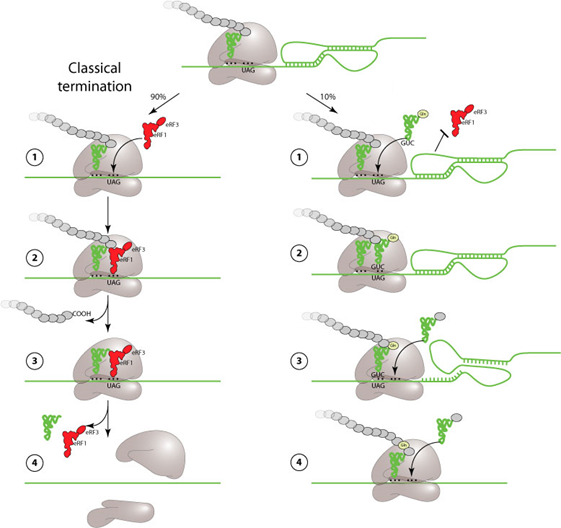
- Asuppression of termination
56In suppression of termination the [blank_start]pseudoknot[blank_end] blocks the eRF release factor from recognizing the amber (UAG) or opal (UGA) stop codon, allowing translation to sometimes continue.
- Apseudoknot
57The figure depicts [blank_start]ribosomal frameshifting[blank_end].
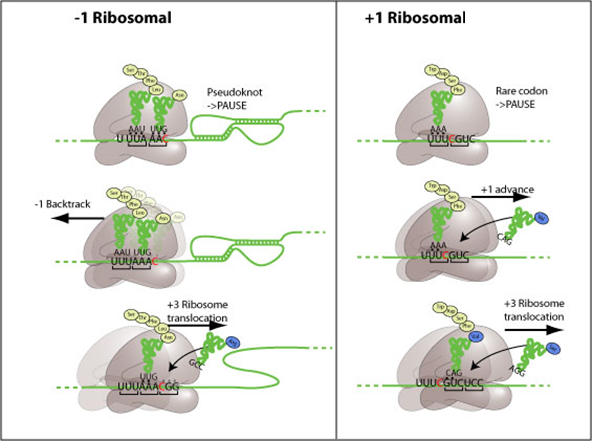
- Aribosomal frameshifting
58The figure depicts [blank_start]ribosome skipping[blank_end].
- Aribosome skipping
59Ribosome skipping allows for the production of separate proteins without the need for [blank_start]peptidases[blank_end].
- Apeptidases
60The figure depicts [blank_start]termination and reinitiation[blank_end].
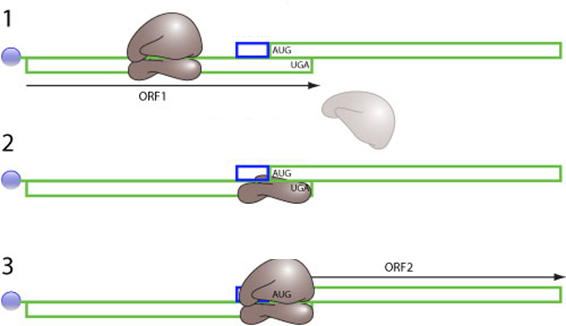
- Atermination and reinitiation
61In [blank_start]termination and reinitiation[blank_end] The [blank_start]pseudoknot[blank_end] allows for the machinery to get stuck long enough after termination to reinitiate on the new codon without the typical effort involved.
- Atermination and reinitiation
- Bpseudoknot
62The figure depicts a [blank_start]ribosomal shunt[blank_end].
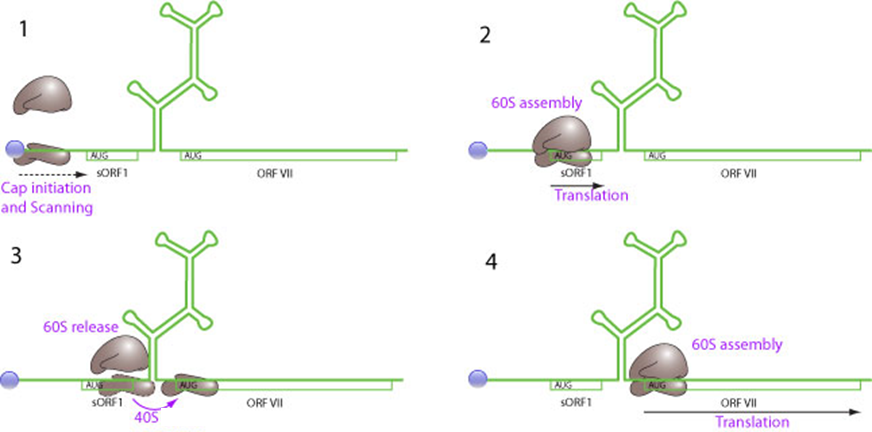
- Aribosomal shunt
63In a [blank_start]ribosomal shunt[blank_end] the structure allows a start, then transfer over to the main part of the RNA for translation.
- Aribosomal shunt
64The figure depicts [blank_start]leaky scanning[blank_end].
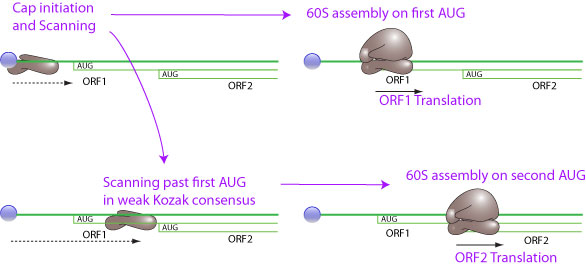
- Aleaky scanning
65[blank_start]Leaky scanning[blank_end] allows for multiple versions of the same protein, each with a different starting point (N-terminus), but all with the same ending point (C-terminus).
- ALeaky scanning
66SHAPE (selective 2′-hydroxyl acylation analyzed by primer extension) strategy, with parallel sequencing.
Places specifically marked [blank_start]nucleotides[blank_end] into a genome and through a variety of mapping techniques, determines genome [blank_start]structure[blank_end] via [blank_start]complementary[blank_end] binding maps.
Knowledge of genome shape informs function and potential inhibition via drugs- Anucleotides
- Bstructure
- Ccomplementary
67This image represents class [blank_start]II[blank_end]
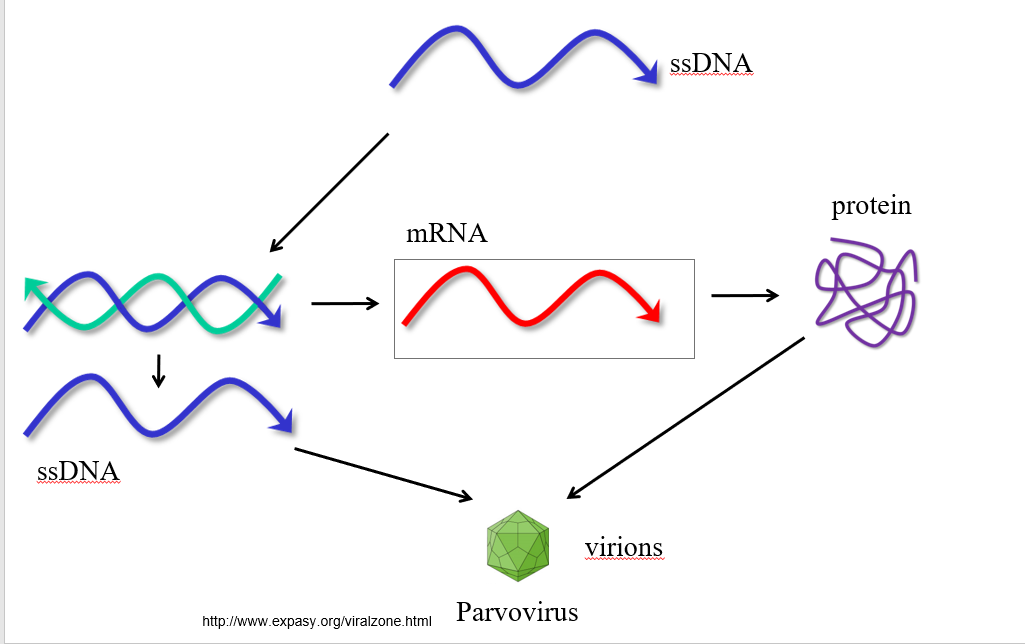
- AII
- BI
- CIII
- DIV
- EV
- FVI
- GVII
68This image represents viral class [blank_start]I[blank_end].
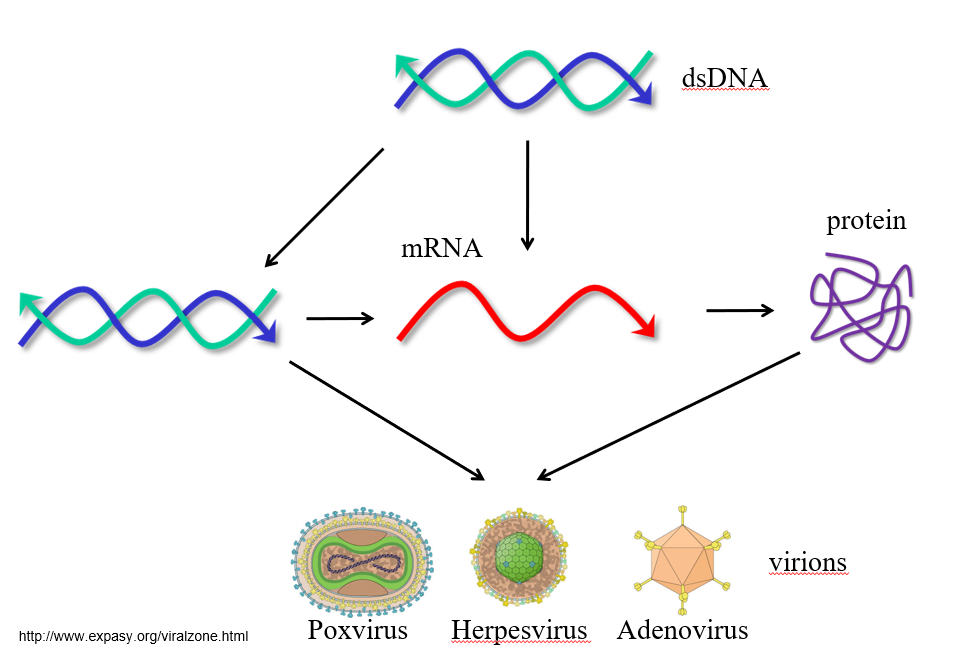
- AI
- BII
- CIII
- DIV
- EV
- FVI
- GVII
69This image represents class [blank_start]III[blank_end].
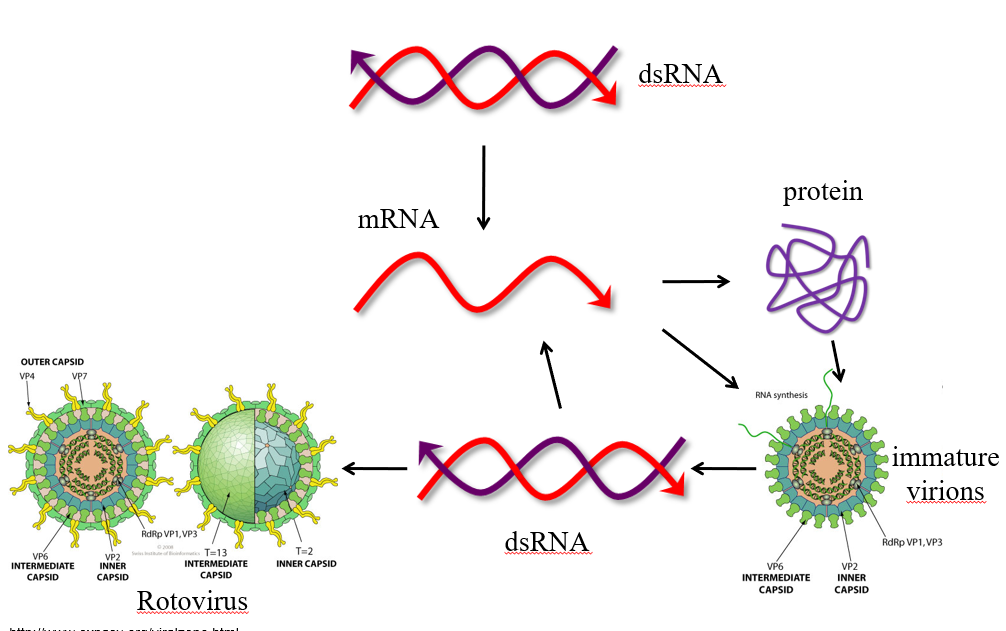
- AIV
- BI
- CII
- DIII
- EV
- FVI
70This is class [blank_start]IV[blank_end].
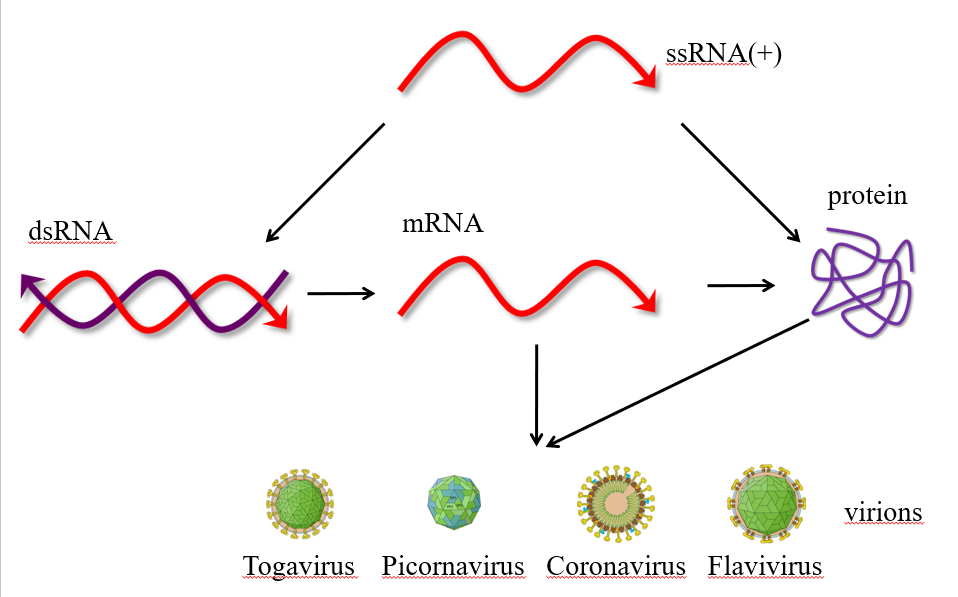
- AV
- BI
- CII
- DIII
- EIV
- FVI
- GVII
71This is class [blank_start]V[blank_end].
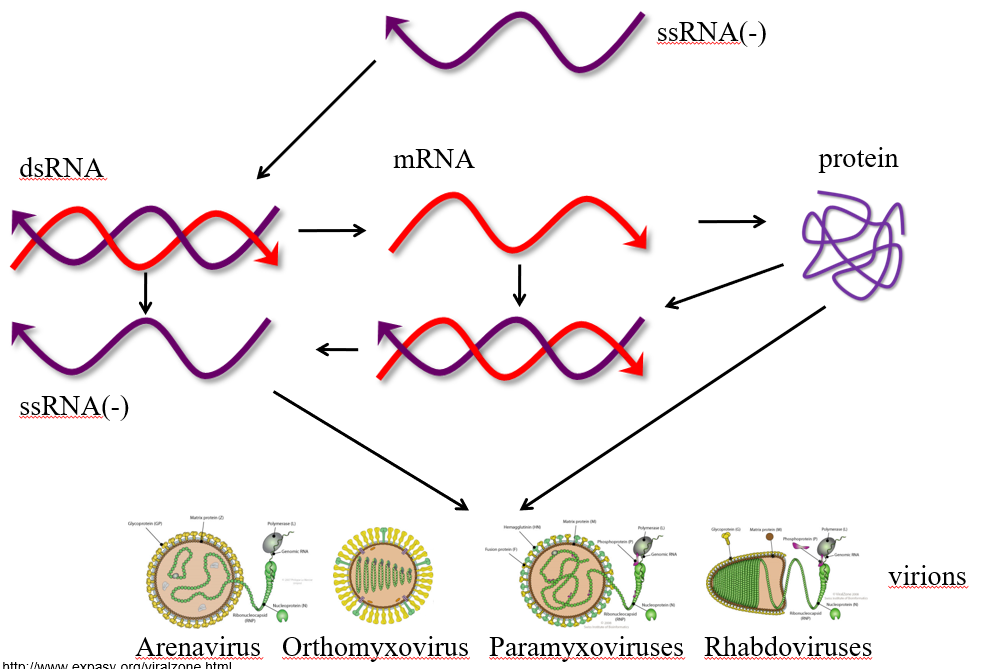
- AI
- BII
- CIII
- DIV
- EV
- FVI
- GVII
72This image represents class [blank_start]VI[blank_end].
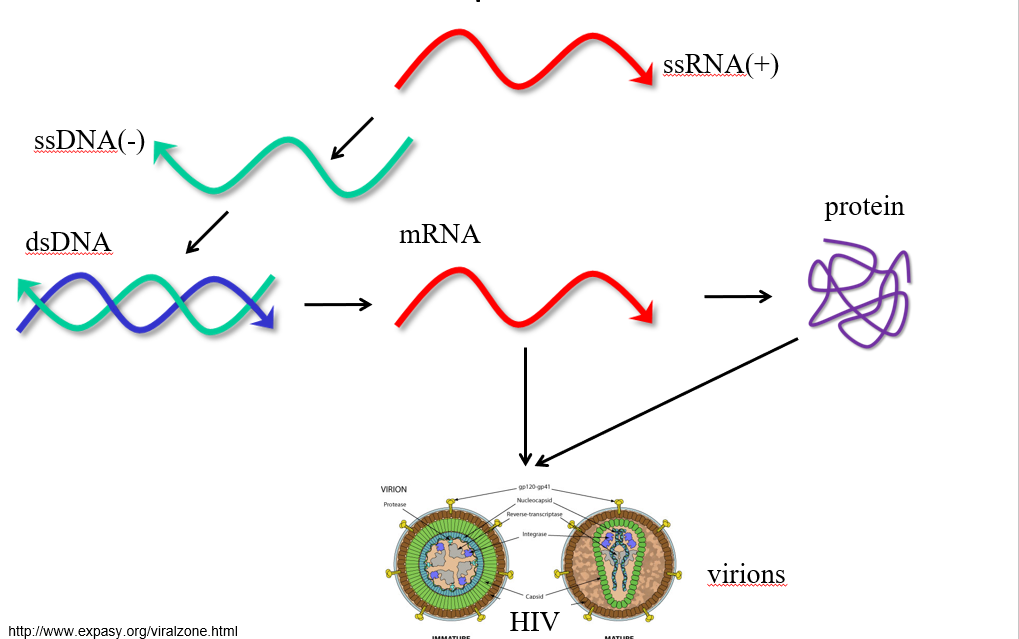
- AI
- BII
- CIII
- DIV
- EV
- FVI
73This picture represents class [blank_start]VII[blank_end].
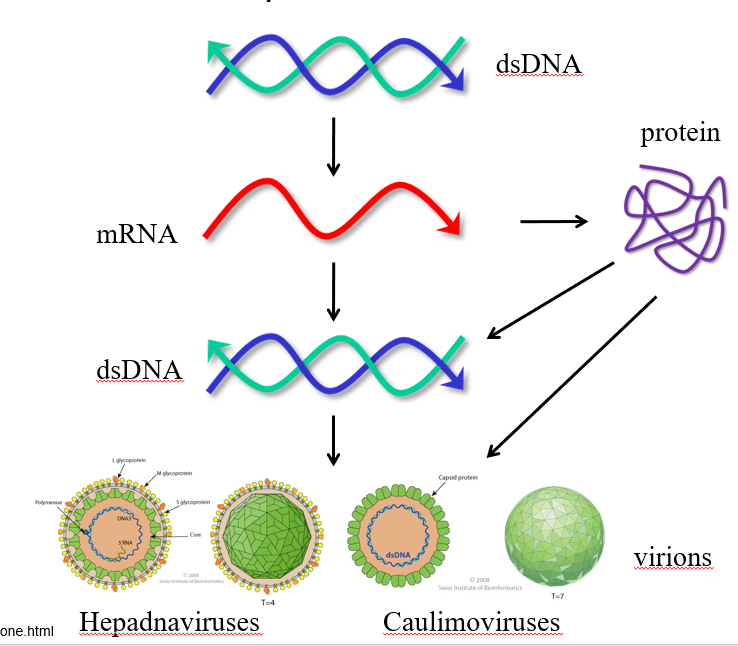
- AI
- BII
- CIII
- DIV
- EV
- FVI
- GVII
Information
- Description
- Virology (Exam I) Quiz on Unit 4/5, created by Brooks Johnson on 28/09/2020.
- Author
- Brooks Johnson
- Language
- English
- Views
- 2
- Tags
- Rating
- No ratings yet Rate this quiz