
Karteikarten
Unit 2 - Module 7: Interaction of Heredity and Environment
Karten in diesem Stapel (23)
- 1Unit Two - Module 7 Interaction of Heredity and EnvironmentInteraction of Heredity and Environment
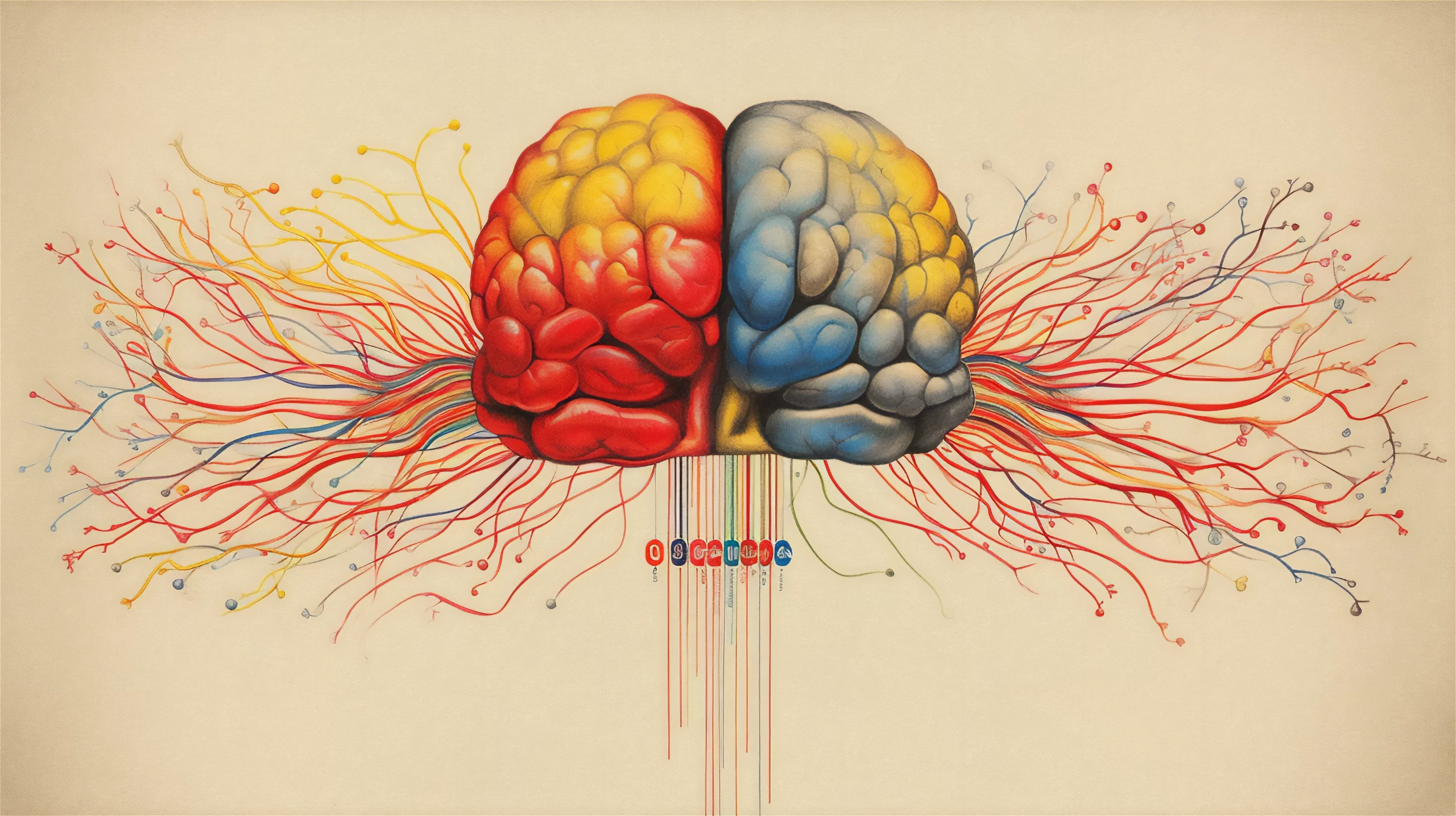
- 2nature-nurture issueThe longstanding controversy over the relative contributions that genes and experience make to the development of psychological traits and behaviours.
Today's science views traits and behaviours as arising from the interaction of nature and nurture. - 3natural selectionThe principle that the inherited traits enabling an organism to survive and reproduce in a particular environment will (in competition with other trait variations) most likely be passed on to succeeding generations.
- 4evolutionary psychologyThe study of the evolution of behaviour and the mind, using principles of natural selection.
- 5behavioural geneticsThe study of the relative power and limits of genetics (heredity) and environmental influences on behaviour.
- 6heredityThe genetic transfer of characteristics from parents to offspring.
- 7environmentEvery non-genetic influence, from prenatal nutrition to the people around us.
- 8mutationMutations are changes in the genetic sequence, and they are a main cause of diversity among organisms.
- 9fitnessThe ability to survive and reproduce.
- 10DNA deoxyribonucleic acidThe molecule that makes up the hereditary material in humans and almost all other organisms. Nearly every cell in a person’s body has the same DNA. Most DNA is located in the cell nucleus, but a small amount of DNA can also be found in the mitochondria.
- 11geneA gene is the basic physical and functional unit of heredity. Genes are made up of DNA. Most genes act as instructions to make molecules called proteins. However, some genes do not code for proteins. In humans, genes vary in size from a few hundred DNA bases to more than 2 million bases.
- 12chromosomeIn the nucleus of each cell, the DNA molecule is packaged into thread-like structures called chromosomes. Each chromosome is made up of DNA tightly coiled many times.
Humans have a total of 46 chromosomes (23 pairs) in each cell of their bodies with the exception of the egg cell in females and the sperm cell in males that only have 23. - 13genomeThe complete instructions for making an organism.
- 14Examples of Dominant Gene DisordersHuntington's Disease - a breakdown in the neurons of the brain
Marfan Syndrome - a connective tissue disorder - 15identical twins (monozygotic twins)Individuals who developed from a single fertilized egg that split in two, creating two genetically identical organisms.
- 16fraternal twins (dizygotic twins)Individuals who developed from a separate fertilized eggs. They are genetically no closer than ordinary siblings, but they shared a prenatal environment.
- 17heritabilityHeritability is the proportion of variation among individuals in a group that can be attributed to genes.
It is important to remember that heritability refers to variation within a group. It DOES NOT refer to the impact of nature on an individual. - 18adaptationThe process by which a species becomes better suited to its environment through evolutionary changes in its traits. These changes enhance the species' survival and reproductive success. Adaptations can be structural, behavioural, or physiological.
- 19interactionThe interplay that occurs when the effect of one factor (such as the environment) depends on another factor (such as heredity).
- 20epigeneticsEpigenetics is the study of how your behaviours and environment can cause changes that affect the way your genes work. Unlike genetic changes, epigenetic changes are reversible and do not change your DNA sequence, but they can change how your body reads a DNA sequence.
- 21epigenetic markA chemical modification, usually organic methyl molecules, to DNA that affects gene expression without altering the underlying DNA sequence. These marks can regulate when and how genes are turned on or off and can be influenced by environmental factors and life experiences.
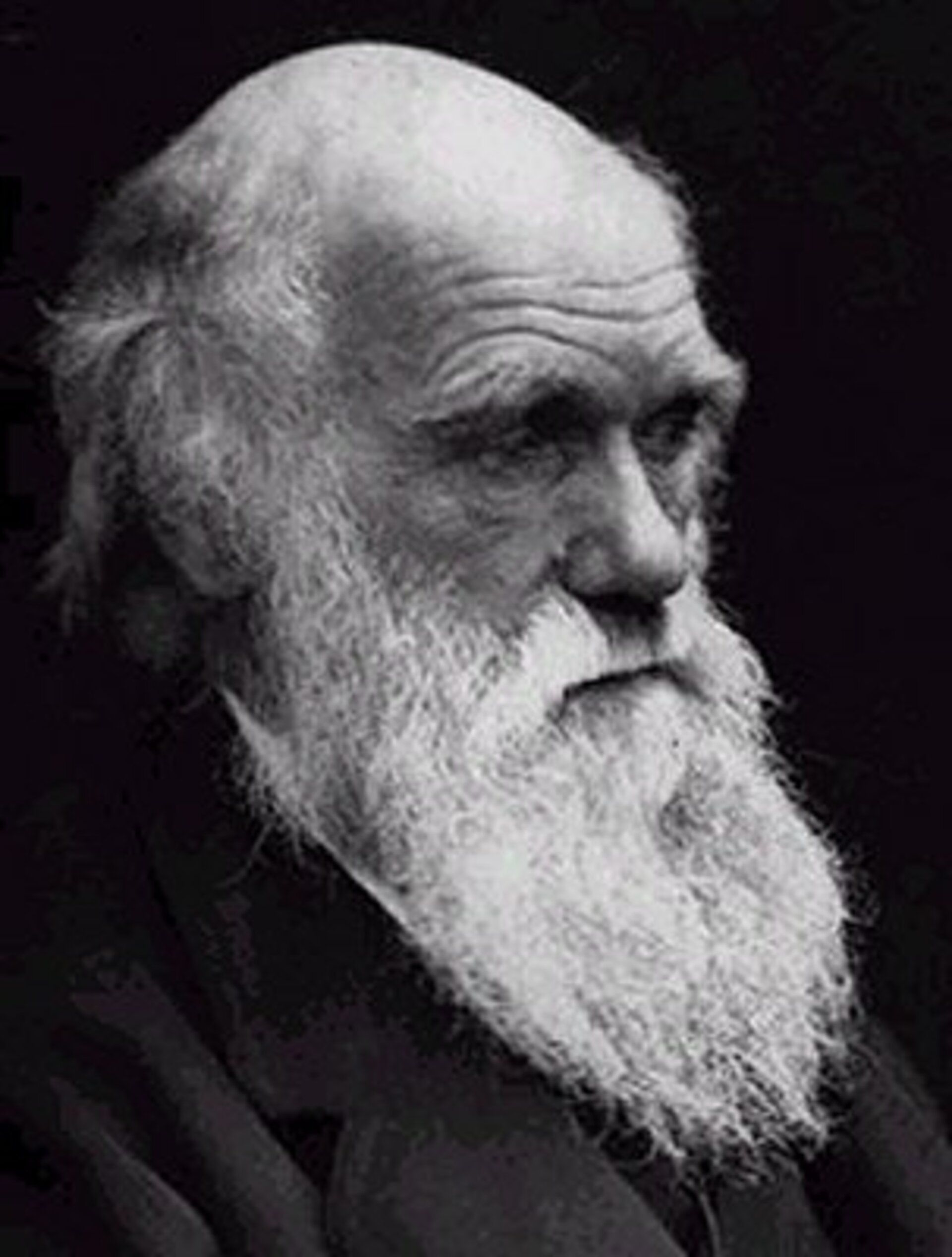
- 22Charles DarwinDarwin is famous for his scientific principle of evolution through natural section.
He argued that species evolve through adaptation which helps them to survive and reproduce. - 23Thomas BouchardAn American psychologist known for his behavioural genetics studies of twins raised apart.
Informationen
- Beschreibung
- Grade 12 Psychology (Unit Two - Biological Bases of Behaviour) Karteikarten am Unit 2 - Module 7: Interaction of Heredity and Environment, erstellt von Greg MacPherson am 06/12/2021.
- Erstellt von
- Greg MacPherson
- Aufrufe
- 1.068
- Bewertung