
Karteikarten
Exam Review Terms #70- 48
Karten in diesem Stapel (33)
- 1#70 Great Leap Forwardeconomic & social plan used in China from 1958-1961 aimed to use China's huge population to transform the country from an agrarian (farming) economy into a modern industrial society.
- 2#69 apartheidword mean "separateness"; a system of racial segregation in South Africa that was in effect for more than 50 years
https://www.youtube.com/watch?v=S7yvnUz2PLE - 368. glasnost & perestroikaglasnost Russian word for "openness"
perestroika Russian for "restructuring"
In the late 1980's the Soviet Union's economy was suffering Soviet President Gorbachev decides to loosen restrictions on Soviet businesses & allow for more contact and trade with western democracies
https://www.youtube.com/watch?v=RcByVoi0A-o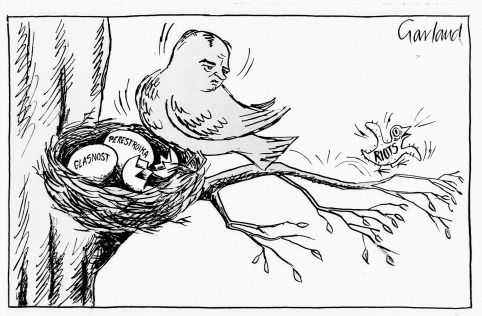
- 467. Tiananmen Square Massacre/ ProtestChinese students protested for more freedom. The Communist govt.'s response was to impose martial law in Beijing, the capital & shoot the students who continued to protest in Tiananmen Square
- 5—Tiananmen Square Protest
( It is the largest pro-democracy demonstration in the history of China's communist regime.)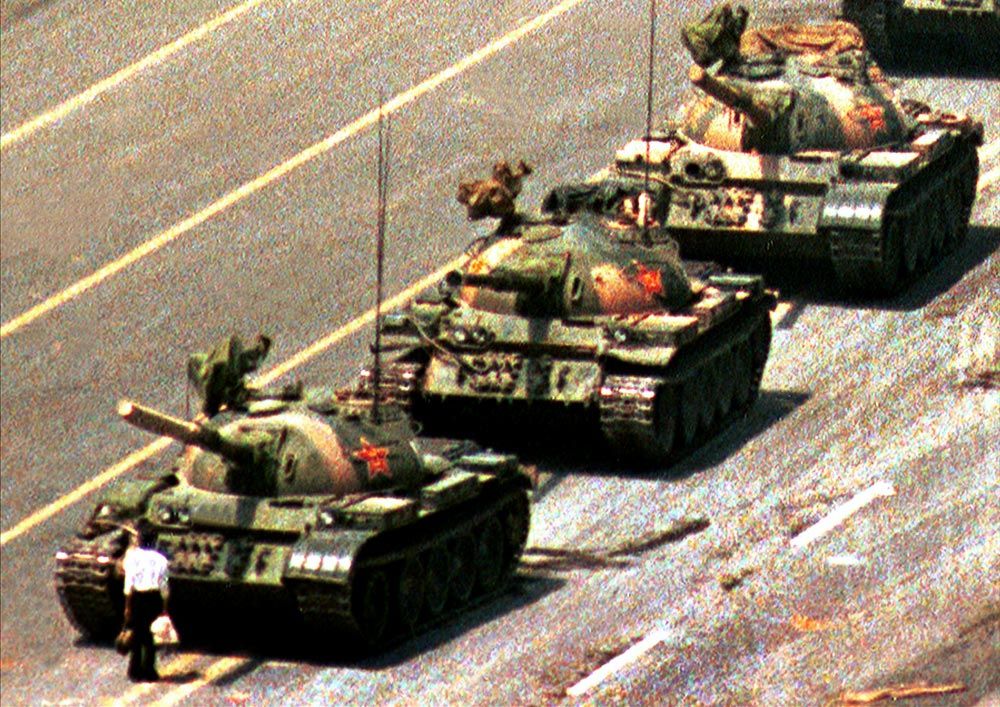
- 666. Out of Africa theorytheory that prehistoric people migrated out of Africa into southern Asia and eventually into Siberia and the Americas; means that all our prehistoric ancestors came from Africa
- 765. Neolithic Revolutionchange from hunting-gathering to agriculture (farming); important because its beginning of civilization
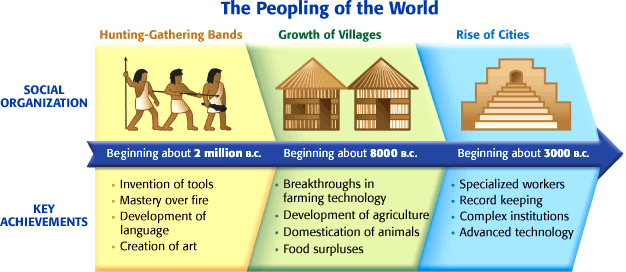
- 864. Characteristics of a civilization1) stable food supply,
2) stable social structure,
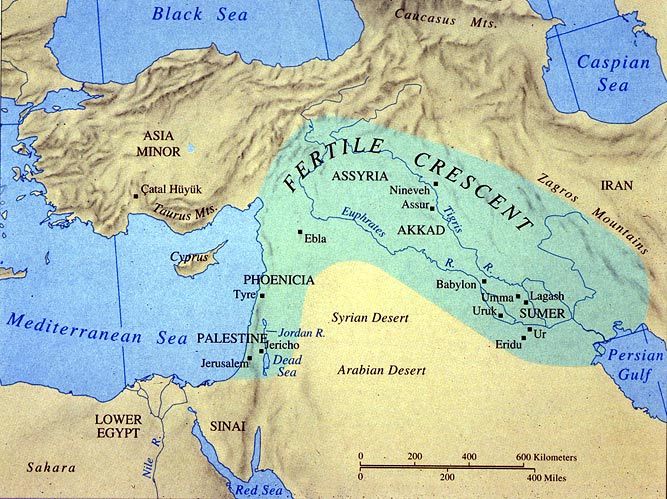
3) government, 4) religion, 5) culture, 6) writing, and 7) technology Catal Huyuk-oldest, largest Neolithic village - 963. Why did civilization form in the Fertile Crescent?❏Tigris & Euphrates Rivers ❏Fresh water ❏Flooding/Irrigation/Farming
- 1062. Ancient Sumerians (Sumer)❏ built ziggurats (religious temples )
❏ developed first writing system called cuneiform.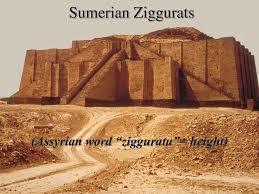
- 1161. polytheism vs. monotheismbelief in MANY Gods( Ancient Egypt, Sumer, Greece) VS. belief in ONE god; (Judaism & Christianity)
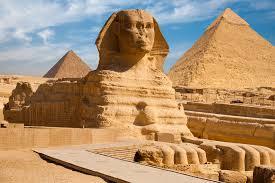
- 1260. Ancient Egypt1) Geography- Nile River; Egypt is called the Gift of the Nile, .2). Ruled by pharaohs 3) dynasty-rule by a family over a long period of time, 4) Hieroglyphics- picture writing
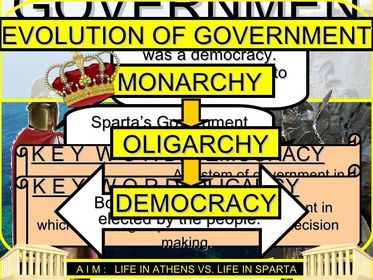
- 1359. Absolute Monarchyruler (King or Queen) with complete authority over the government and lives of the people he or she governs
- 1458. oligarchyrule by a few Ex. Ancient Sparta
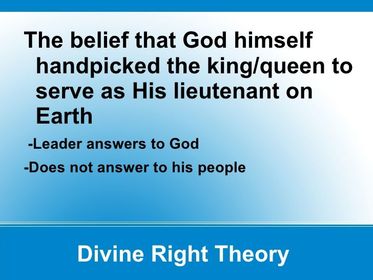
- 1557. divine right (aka theory of divine rights)belief that a ruler's authority comes directly from God
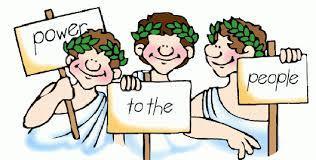
- 1656.democracyrule by many, rule by the people; 2 types 1) DIRECT DEMOCRACY 2) REPRESENTATIVE DEMOCRACY
- 1755. Draco's Law (Ancient Greece)Draco introduced the first written code of law in ancient Greece ;included very severe laws; ALMOST ALL CRIMES CALLED PUNISHED BY THE DEATH PENALTY
- 1854. Socrates“Father of Greek philosophy”; put on trial
for “corrupting the minds of the youths of Athens”; found guilty died by drinking poison, hemlock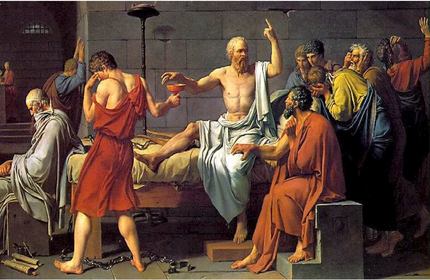
- 1953. Alexander the Great-Created a huge empire
-Established Greek culture in all areas he controlled
-spread ideas, art, architecture, language (HELLENISTIC AGE)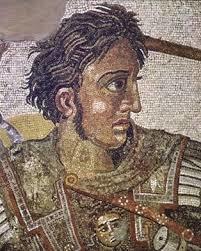
- 2052. plebeians (lower class) vs. patricians (upper class had most political power):two social group in Ancient Rome
- 2151. Republic (aka REPRESENTATIVE DEMOCRACY)type of govt Ancient Rome had; people elect representatives who govern FOR them.
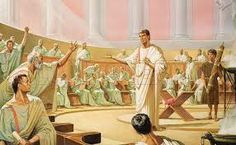
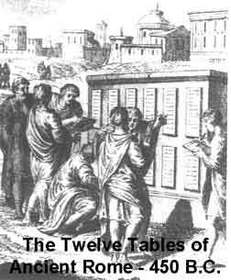
- 2250. 12 TablesRoman laws that were carved on stone tablets & put on public display. If a law was made public, then it was everyone's responsibility to know and obey.
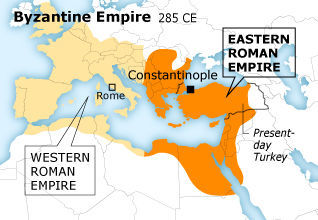
- 2349. Constantine1st Christian emperor of Ancient Rome; moves the capital to Byzantium and renamed it Constantinople
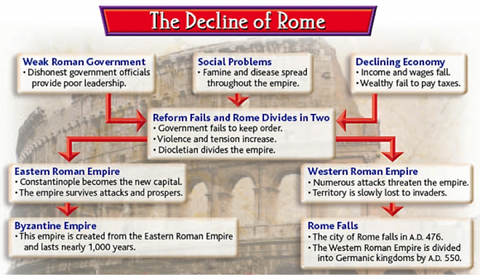
- 2448. Reasons for the Decline of the Roman Empire❏ series of invasions
❏ widespread corruption in the govt.
❏ famine, crops failed
❏ people lost faith in the Roman Empire; they felt less loyal - 25—Decline of Rome
- 26Black Deathplague killed ⅓ of the pop.
-end of feudalism;
-end of serfdom;
-so many people died laborers could demand $$$ for their work;
- beginnings of a middle working class;
-WEAKENED THE POWER OF THE CATHOLIC CHURCH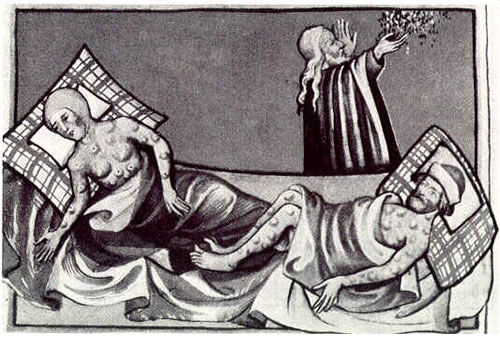
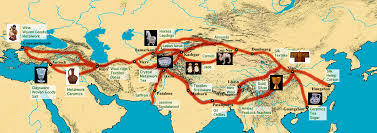
- 27Silk Road (ex. cultural diffusion)trade route connected Europe & Asia for silk & spices from Asia; other things besides silk traveled along the Silk Road for ex. people, languages, religions, customs. etc
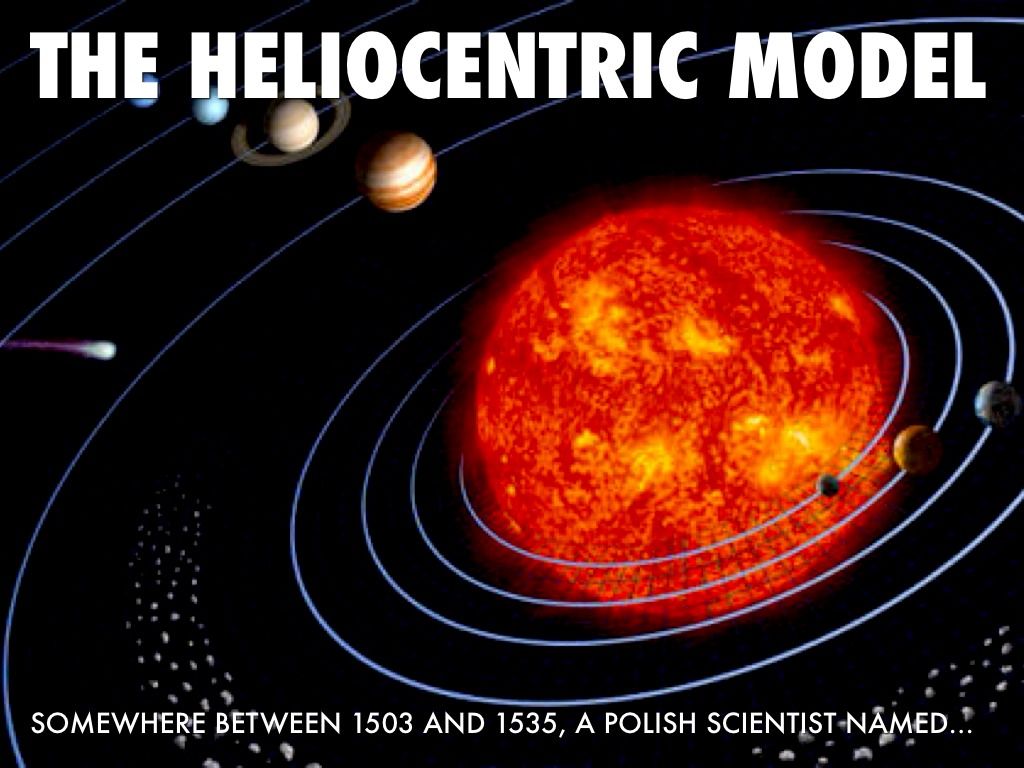
- 28Heliocentric Theory (by Copernicus) sun-centered theory“helio” means “sun”-the sun is the center of the universe, and earth travels around the sun; replaced geocentric theory (geo=earth centered)
- 29Renaissance-term means "rebirth"
-renewed interest in ancient Greece & Rome
-urban cities
-secular (non-religious)
-artistic movement
-humanism (means emphasis on human achievement)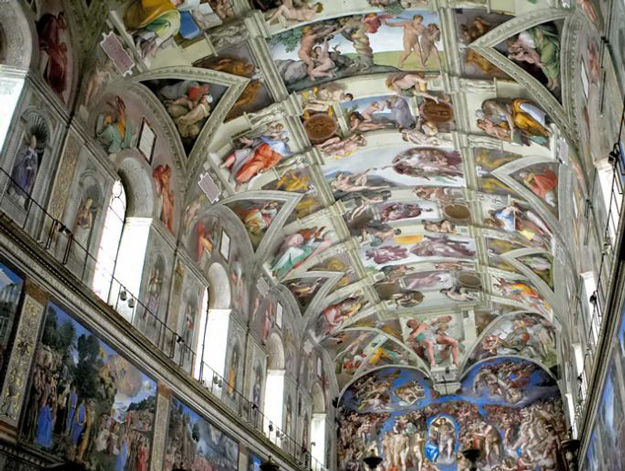
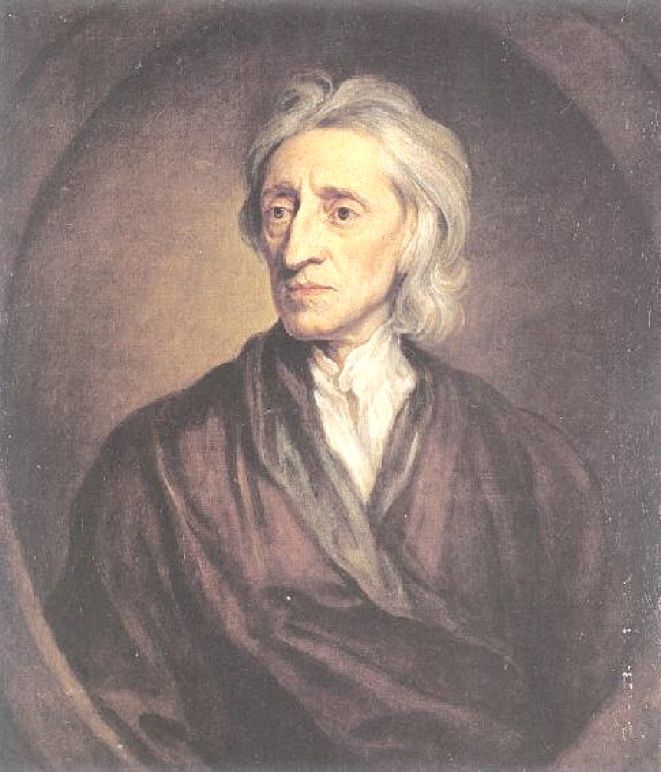
- 30John Locke & Natural Rightsphilosopher believed in “natural rights” God-given rights- life, liberty, and property and govt. gets its power from the “consent of the governed” & right to revolt
- 315 Pillars of Islamthe 5 religious duties expected of every Muslim.
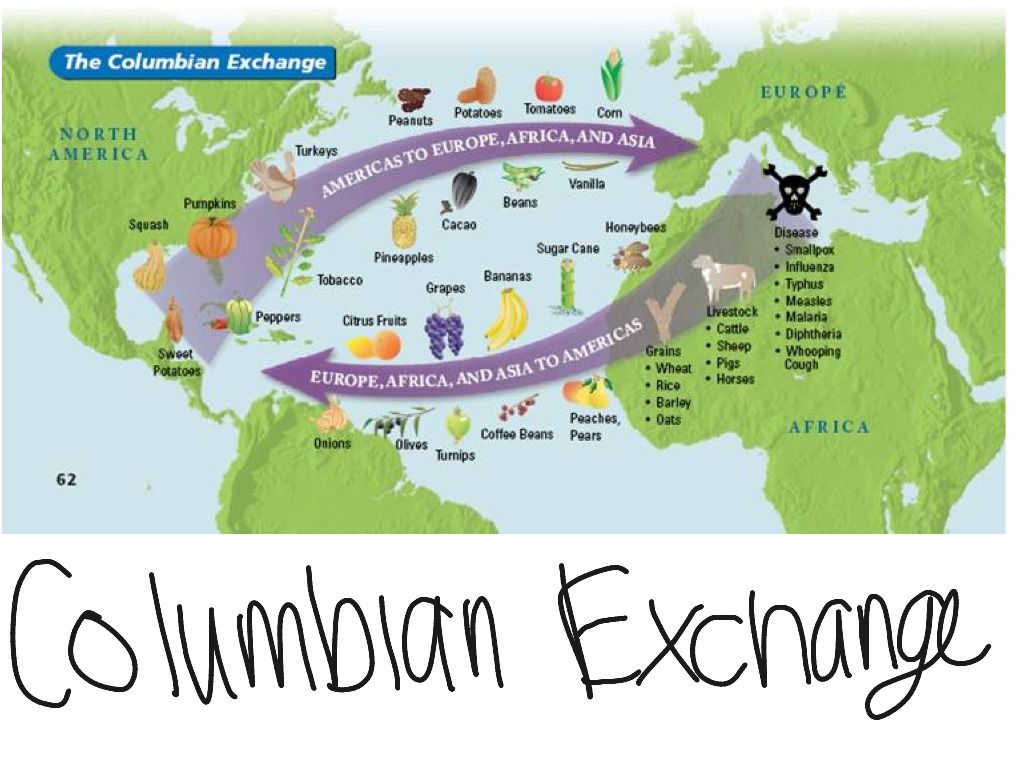
They are the 1)testimony of faith, 2)prayer, 3)giving alms (support of the needy), 4)fasting during the month of Ramadan, and 5)the pilgrimage to Mecca once in a lifetime for those who are able. - 32—The exchange of plants, animals, diseases, and technologies between the Americas and the rest of the world following Columbus's voyages.
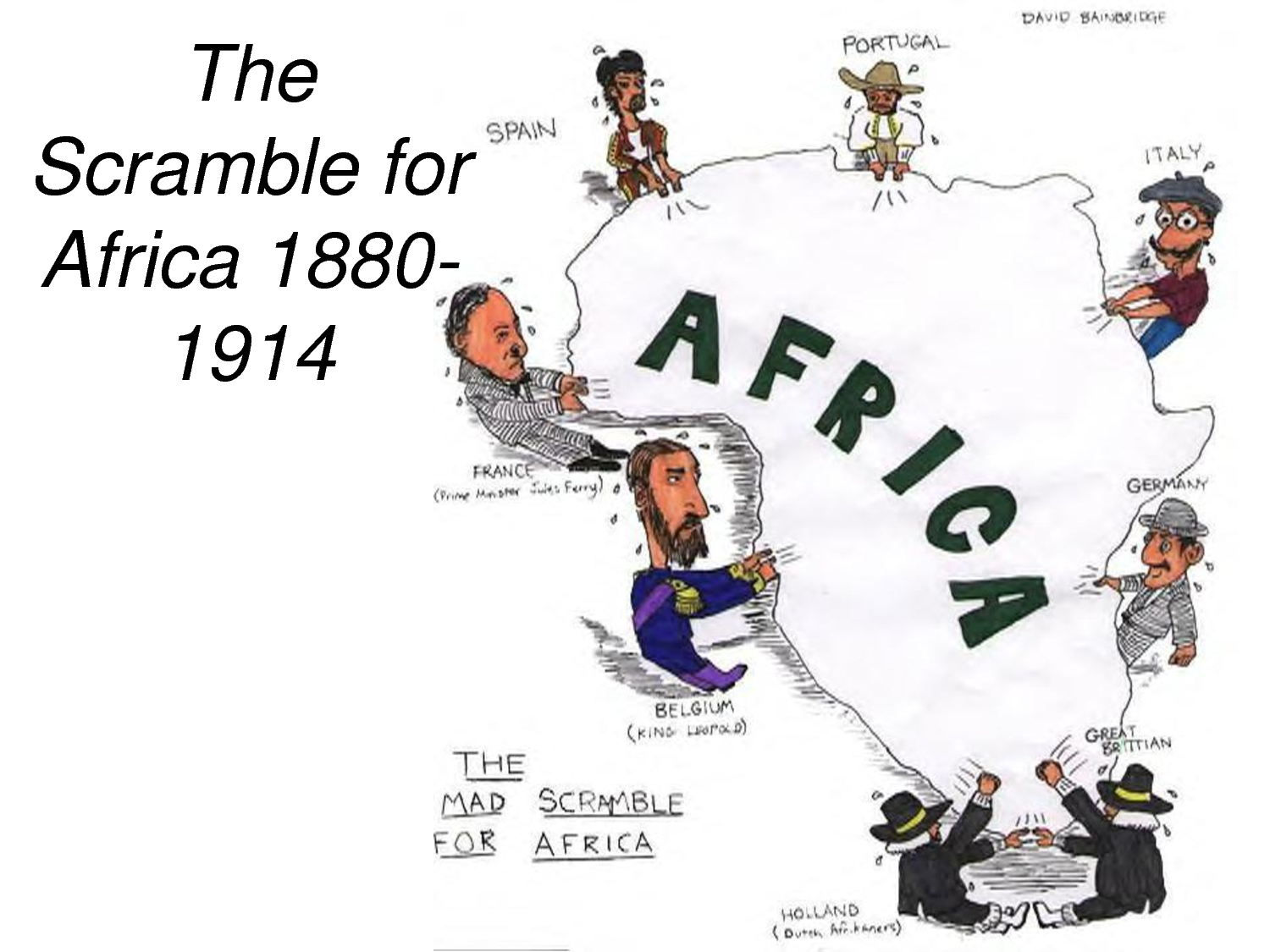
- 33"Scramble for Africa"(also known as the Race for Africa or Partition of Africa) was the invasion, occupation,and colonization, of Africa by European powers during the period between 1881 and 1914.
Informationen
- Beschreibung
- World History Exam Review
- Erstellt von
- victoria russ
- Aufrufe
- 289
- Tags
- Bewertung