
Flashcards
Ancient Mesopotamia & Egypt
Cards in this deck (41)
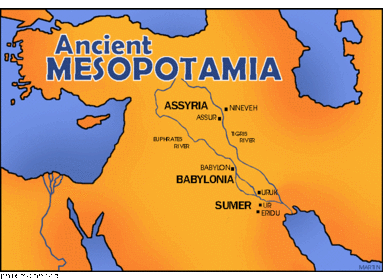
- 1Located in what is today Iraq & Syria; the earliest human civilizations began hereMesopotamia
- 2a self-governing state made up of a city and its surrounding territory. Athens was once a powerful city-state that operated like a small country.the city-state
- 3—Hammurabi's Law Code:
the oldest code of laws; KIng Hammurabi of Babylon gave his people very strict laws to live by; these laws were based on idea "an eye for an eye, a tooth for a tooth"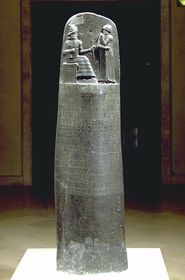
- 4center of city life; these were massive structures built by the Sumerians; at the top there was a templeziggurat
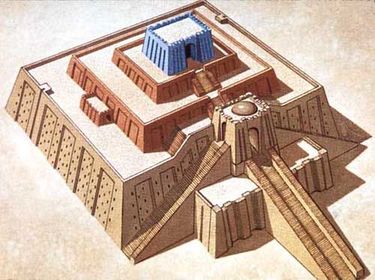
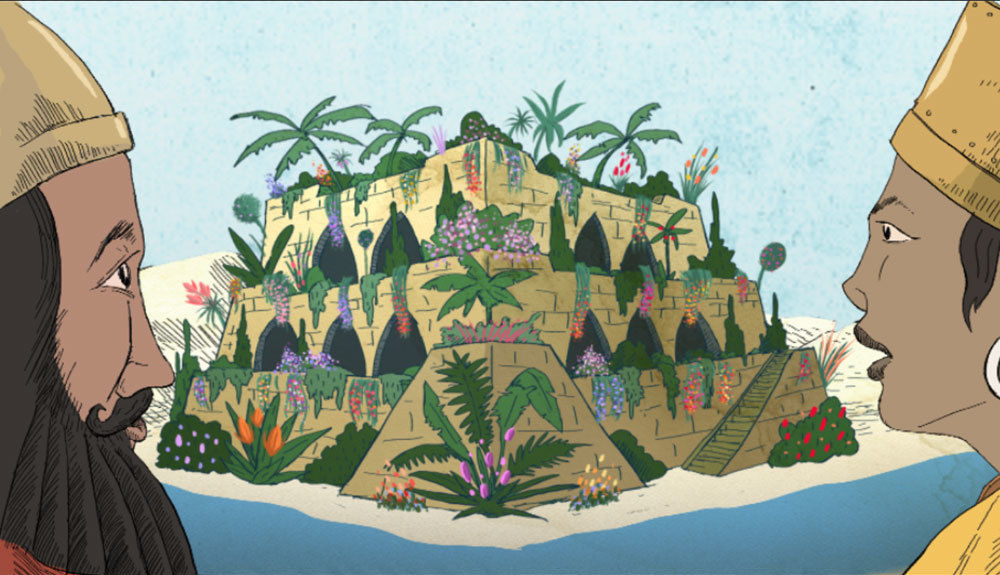
- 5decorative gardens planted on the terraces of the ziggurats of ancient Babylon. Historians believe that King Nebuchadnezzar had the Hanging Gardens of Babylon built for his wife, who missed her lush and leafy homeland.Hanging Gardens of Babylon
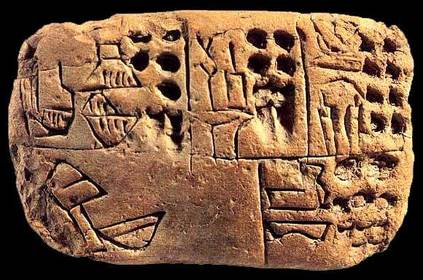
- 6A wedge-shape system of writing invented by the SumeriansCuneiform
- 7The invention of the ___ made it easier for Sumerians to transport goodsthe wheel
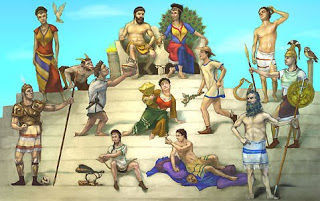
- 8belief in many godsPolytheism (aka polytheistic)
- 9long epic poem from Mesopotamia tells the story of a king searching for the secret of immortality; considered the first great piece of literature in historyEpic of Gilgamesh
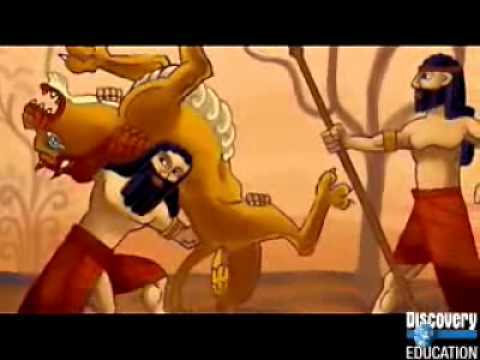
- 10men dominated the societyPatriarchal
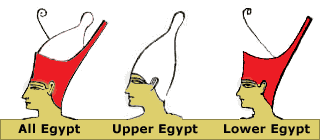
- 11Egyptian pharaoh who united Lower and Upper Egypt in 3100 BC; he wore a double crown to symbolize the unificationKing Menes
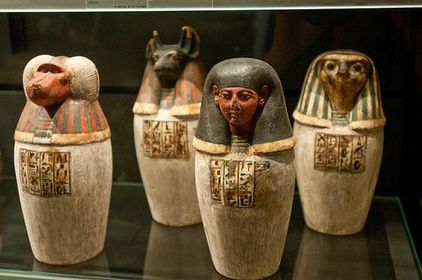
- 12—Canopic jars: special jars used to store the internal organs of a mummy
- 13type of government in which the ruler is considered a god; literally means "rule by God"; in Ancient Egypt the pharaoh was worshipped as a godtheocracy
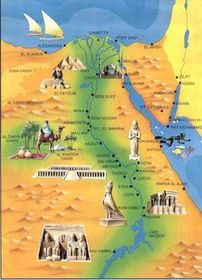
- 14the longest river in the world; Egypt is often called the "Gift of the _______"Nile River
- 15a family of rulers; the right to rule is passed down within the familydynasty
- 16original meaning " great house" or "palace"; name for the Egyptian Kingpharaoh
- 17two stage process for preserving a dead body; the first stage is embalming the body; then the wrapping and burial of the bodymummification
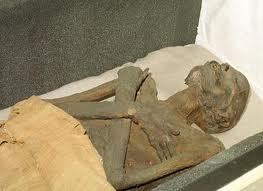
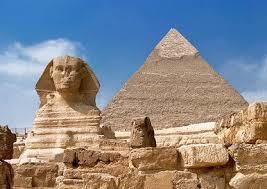
- 18The Great Pyramidthe largest and the oldest of the 3 pyramids at Giza; built by King Khufu
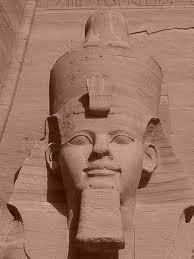
- 19He ruled for 67 years; built massive temples; defeated the HittitesRamessess II
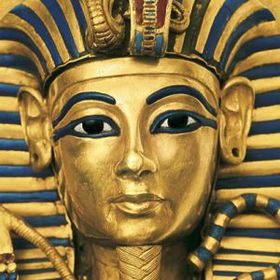
- 20boy pharaoh whose tomb survived in tact; over 3,000 artifacts were foundKing Tutankhamun
- 21a god or godlessdeity
- 22worship of only one Godmonotheism
- 23land along the Nile that is very fertile due to the silt left behind by floodsblack land
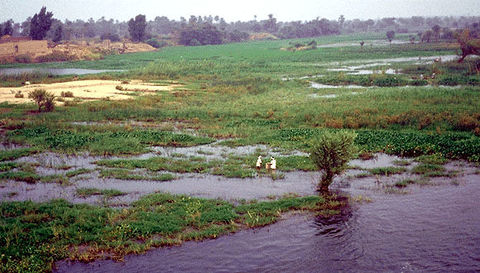
- 24the annual flooding of the Nile River; when the flood waters would go down, farmers would plant their wheat, barley, and other grains in the rich black silt left behindinundation
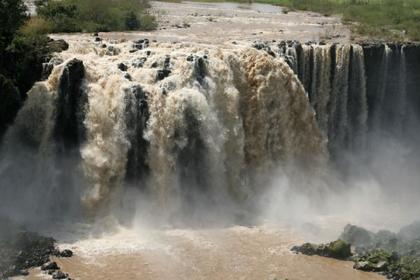
- 25waterfalls along the Nile River; provided natural protection from invading armiescataracts
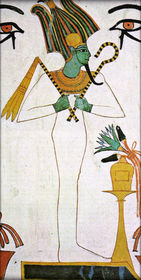
- 26Egyptian god of the afterlife; according to myth he was murdered by his evil brother, Seth. Seth cut up Osiris' body into 14 pieces and scattered them throughout Egypt. Isis the wife of Osiris found the pieces and sewed him back together, bringing him back to lifeOsiris
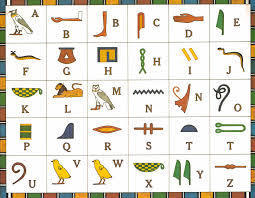
- 27Egyptian picture writingHierogylphics
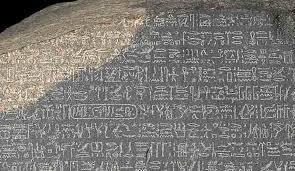
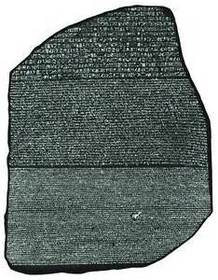
- 28a stone with writing on it in two languages (Egyptian and Greek); its discovery allowed Egyptologists to decode hieroglyphsRosetta Stone
- 29Ancient Egyptians wrote on this material made from a reed-like plant that grows on the Nile Riverpapyrus
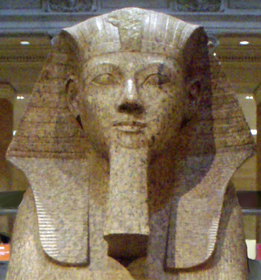
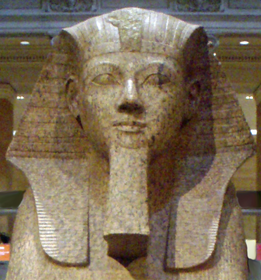
- 30the first woman to become pharaohQueen Hatshepsut
- 31an Egyptian book of spells read by priests during the mummification process; a copy was placed with the mummyThe Book of the Dead
- 32The Egyptians fought the _________ at the Battle of Q'Desh; they were the other superpower of the ancient worldHittites
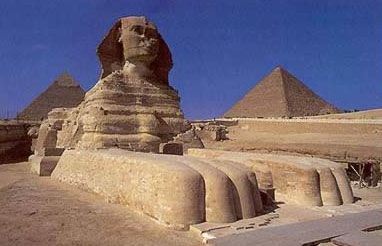
- 33a colossal stone statue located next to the Pyramids of Giza in Egypt. Carved out of limestone, it has the facial features of a man and the body of a lionThe Great Sphinx
- 34a simplified version of Egyptian hieroglypic wirting, used for business transactions, record keeping, etchieratic script
- 35—Mastaba:
rectangular building with slanted walls; the earliest burial sites for nobility during the Old Kingdom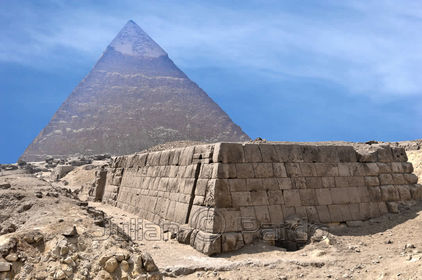
- 36famous for saying there was only one god, the sun god. He ruled with his wife, Nefertiti, and they closed many of the temples to other gods. He was the father of the famous King Tut.Akhenaton
- 37left the physical body and could then move around. They believed the Ka could drink and eat, but was stuck in the tomb in the body of the mummythe "ka"
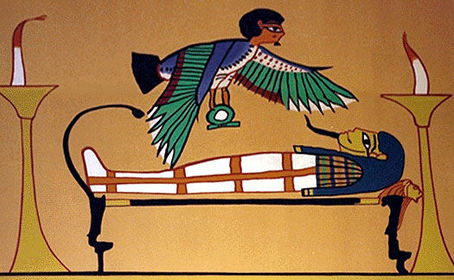
- 38the name Ancient Egyptians used for the spiritual body or soul, that would leave the physical body and join with the sun god each daythe "ba"
- 39—King Khufu's Boat
Discovered in 1950 buried under the Great pyramid; on its end the boat is 13 stories tall.
Why was it buried there?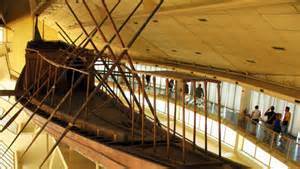
- 40Hatsheputthe first great woman ruler in history; she ruled Egypt as a King
- 41—a piece of stone with Greek writing & Egyptian Hieroglyphics on it; discovered in 1799 by Napoleon's soldiers while building a fort; it allowed us to translate Egyptian hieorglyphics
Information
- Description
- Ch. 2 Ancient Mesopotamia & egypt
- Created by
- victoria russ
- Views
- 1,707
- Tags
- Rating
More on Mesopotamia and Ancient Egypt