
Karteikarten
Approaches in Psychology - A level
Karten in diesem Stapel (15)
- 1Approaches in PsychologyPsychology is the scientific study of the human mind and its functions, especially those functions affecting behaviour in a given context
- 2Order of Approaches1879 - Wundt opens first lab
1900's - Freud's Psychodynamic
1913 - Watson & Skinner Behaviourist
1950's - Rogers & Maslow Humanistic
1960's - Cognitive
-Behaviourist
1980's - Biological
- Cognitive neuroscience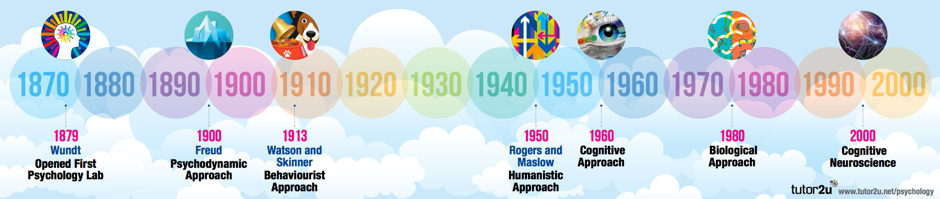
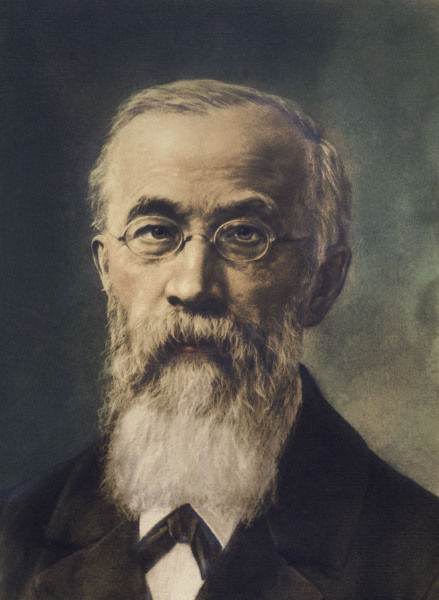
- 3Wilhelm Wundt - Introspection 1879The first systematic experimental attempt to study the mind by breaking up conscious awareness into basic structures of thoughts, images and sensations
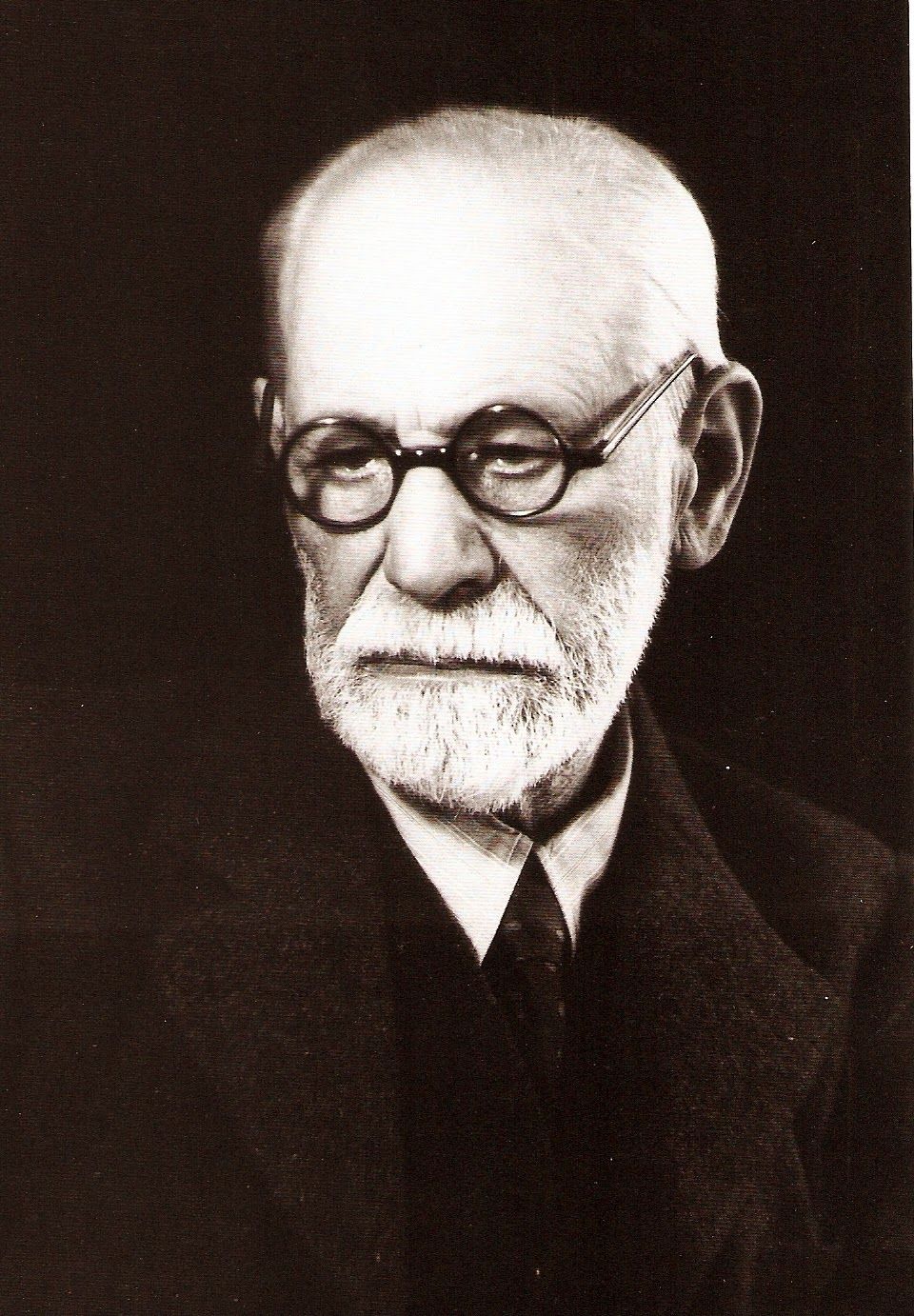
- 4Sigmund Freud - Psychodynamic Approach 1900'sA perspective that describes different forces, most of which are unconscious that operate the mind & direct human behaviour & experience
- 5Id: Unconscious thought - selfish and aggressive instincts which demand immediate gratification Ego: Reality check - balancing demands of the Id and Superego Superego: Moralistic part of personality which represents the ideal self of who we ought to be
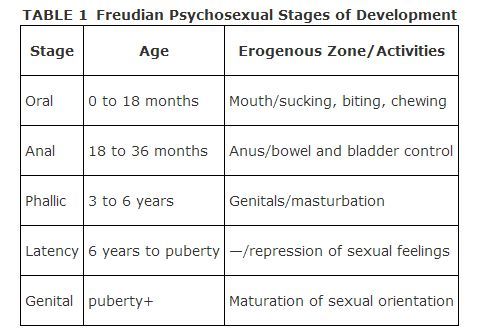
- 6Strengths - Theory had a large influence on early psychology & western thought Can be practically applied through psychoanalysisLimitations -
All case studies, meaning they lack scientific rigor, are unique and abnormal meaning they are not always generaliseable
Mainly an untestable theory
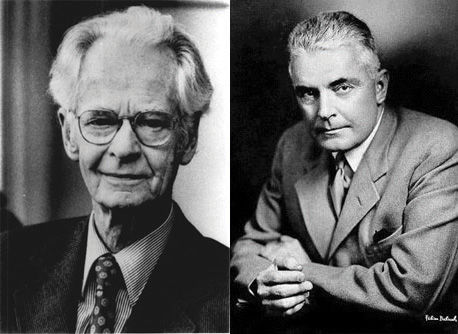
Psychic determination denies our free will - 7Watson & Skinner - Behaviourist Approach 1913A way of explaining behaviour in terms of what is observable and in terms of learning
- 8Studies behaviour that can be observed & measured Basic processes are the same in all species
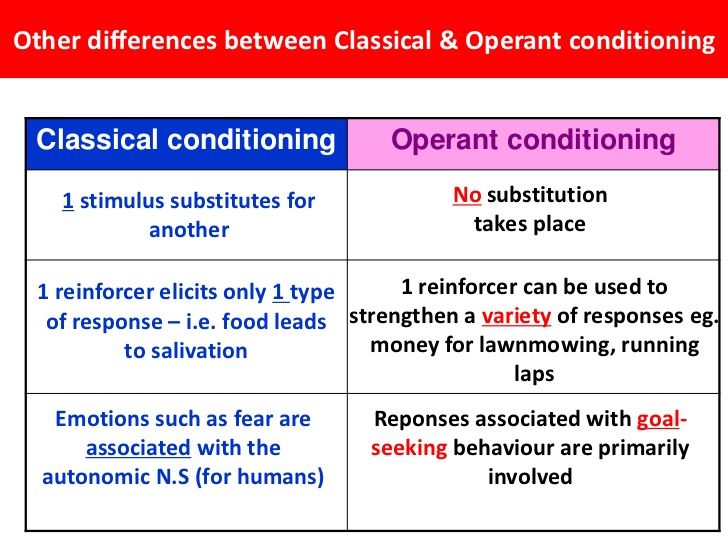
- 9Strengths - Scientifically credible as observations are in highly controlled lab settings and helps for replication Principles have been applied to real life situations such as token economiesLimitations -
Ethical issues as many lab experiments were done on animals causing possible psychological harm
Approach says all behaviour is determined by past experiences which have been conditioned
Skinner suggests free will is an illusion - 10Albert Bandura - Social Learning TheoryA way of explaining behaviour that includes direct and indirect reinforcement, combining SLT with the role of cognitive factors
A development of the Behaviourist Approach
- 11Behaviour is learned through observation and imitation as well as direct and indirect conditioningBanduras Mental Processes -
1. Attention - noticing behaviours
2. Retention - remembering behaviour
3. Motor Reproduction - Performing behaviour after observation
4. Motivation - will to perform dependant on rewards/punishment - 12Strengths - A more comprehensive account of learning Helps explain cultural differences Less deterministic than behaviourismLimitations -
Lab experiments cause demand characteristics and low validity
Banduras Bobo Doll study, aggression could be seen to involve hormonal factors - 13Cognitive Approach 1960'sA focus on how our mental processes thoughts, perceptions and attention affect our behaviours
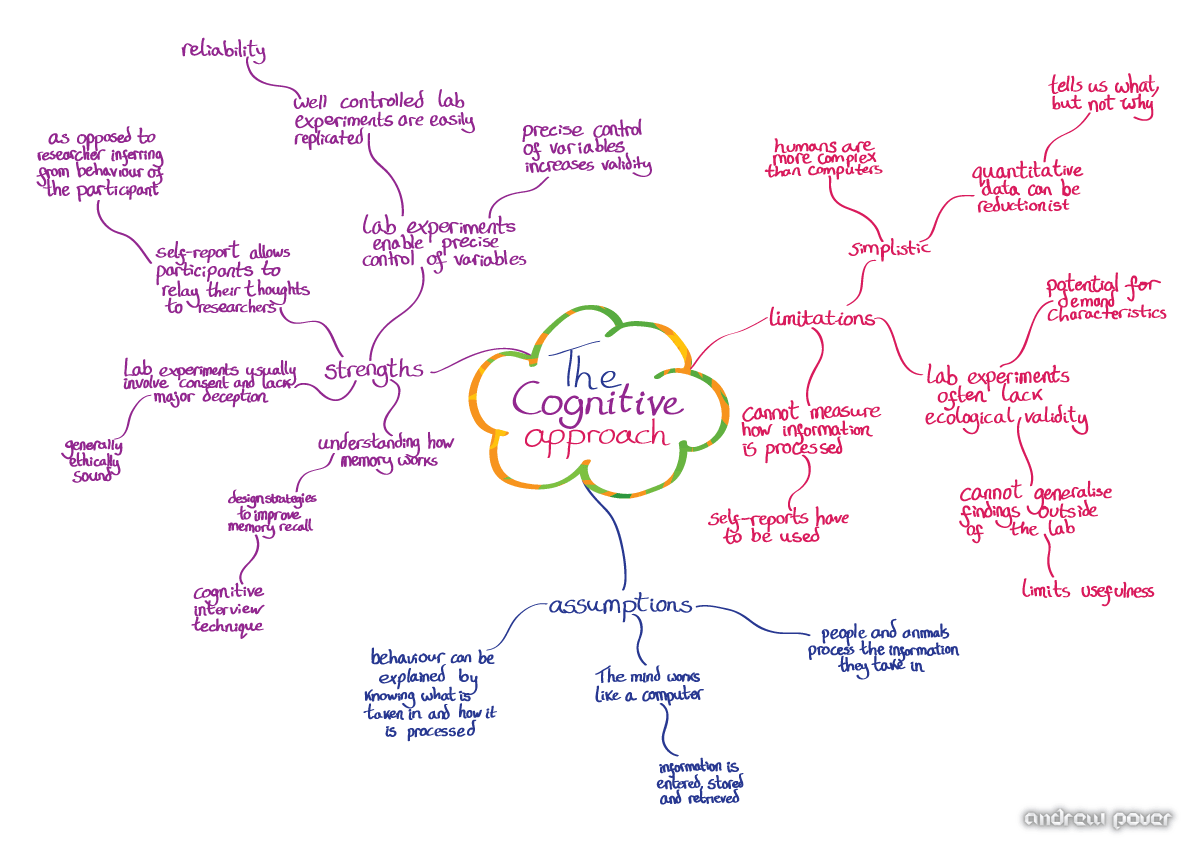
- 14Internal mental processes should be studied scientifically and inferences on what is happening should be made indirectly The mind is like a computerSchema - a mental framework of beliefs developed through experience
Inference - where conclusions are drawn about mental processes through observation
Neuroscience - study of biological structures underpinning cognitive processes - 15Strengths - Lab experiments produce reliable & objective data Has influenced development of artificial intelligence and machines like robots Less deterministic than other approachesLimitations -
Ignores emotion like anxiety on eye witness testimony
Is an abstract & overly theoretical theory
Artificial and may not be generaliseable
Informationen
- Beschreibung
- AQA Alevel psychology approaches in detail
- Erstellt von
- Ellie Porter · Mai 2017
- Aktualisiert
- 11 Mai 2017
- Aufrufe
- 1.086
- Tags
- Bewertung